Why here
The Luo River basin lies between east–west routes and north–south passes, a natural hinge of the Central Plain.
CITY ATLAS / 06
Han–Wei city remains, the Dingding Gate site and Longmen Grottoes reveal where planning, roads and Buddhist art met.
READING GUIDE
Start with the long-term force shaping the city, then move into chronology, urban systems and surviving evidence.
01 / Chapter
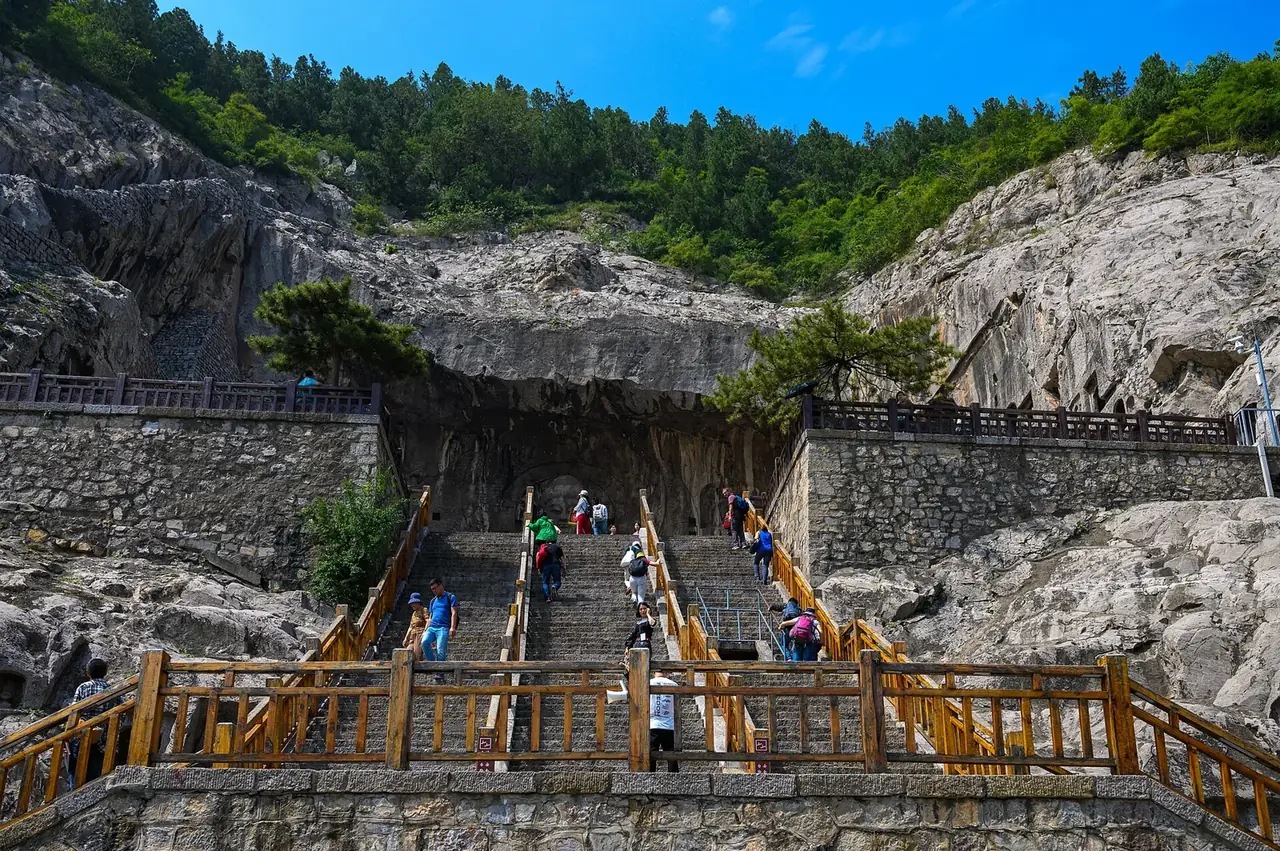
Luoyang’s city and gate sites within the Silk Roads property record the relationship between capital and route. Along the Yi River, Longmen preserves Buddhist sculpture from the late Northern Wei and Tang periods. These different remains reveal institutions, movement and cultural exchange.
THREE LENSES / THREE LENSES
Geography sets conditions, turning points redirect the path, and daily life carries long memory.
The Luo River basin lies between east–west routes and north–south passes, a natural hinge of the Central Plain.
Repeated foundation, relocation and destruction made Luoyang a place where institutions, people and religions regrouped.
Longmen, capital ruins and peony culture turn imperial history into visible local memory.
CITY HISTORY / 城市时间
Luoyang’s capital history spans distinct periods. No single reconstruction of a glorious dynasty can replace the evidence of city sites, routes, beliefs and craft.
Numerous communities lived in the Yi–Luo river region.
The wider Heluo region grew as a political and cultural center.
City remains record changing capitals.
The move of the Northern Wei capital intensified work at Longmen.
The city and Dingding Gate again became important nodes.
Archaeology, conservation and interpretation continue.
01 / Geography
Luoyang stands in a region shaped by the Yi and Luo rivers. Valleys, plains and east–west routes offered conditions for settlement, farming and movement. Municipal historical accounts trace a long accumulation from prehistoric sites to early cities.
An ancient capital is not one building repeatedly reused. Different dynasties built in different places, leaving roads, palace precincts, tombs and production sites that overlap without fully coinciding.
02 / Urban remains
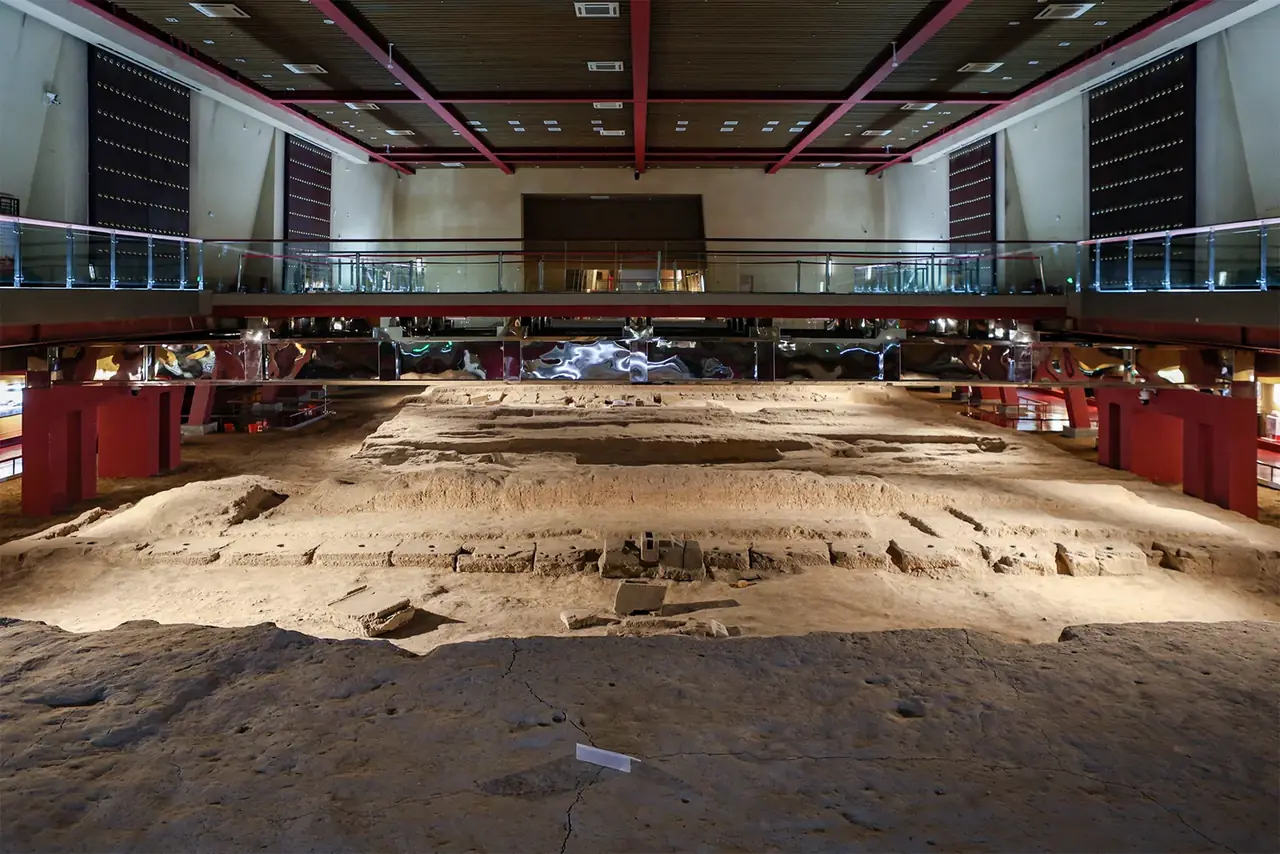
The Luoyang city site from Eastern Han to Northern Wei is a component of the Silk Roads World Heritage property. The Silk Roads included political and administrative centers as well as deserts and caravans. Goods and ideas arriving from afar needed places to gather.
The surviving evidence is archaeological: layers, walls and urban scale rather than an intact city one can simply enter. Interpretation depends on careful comparison of excavated remains, display and historical records.
03 / Art
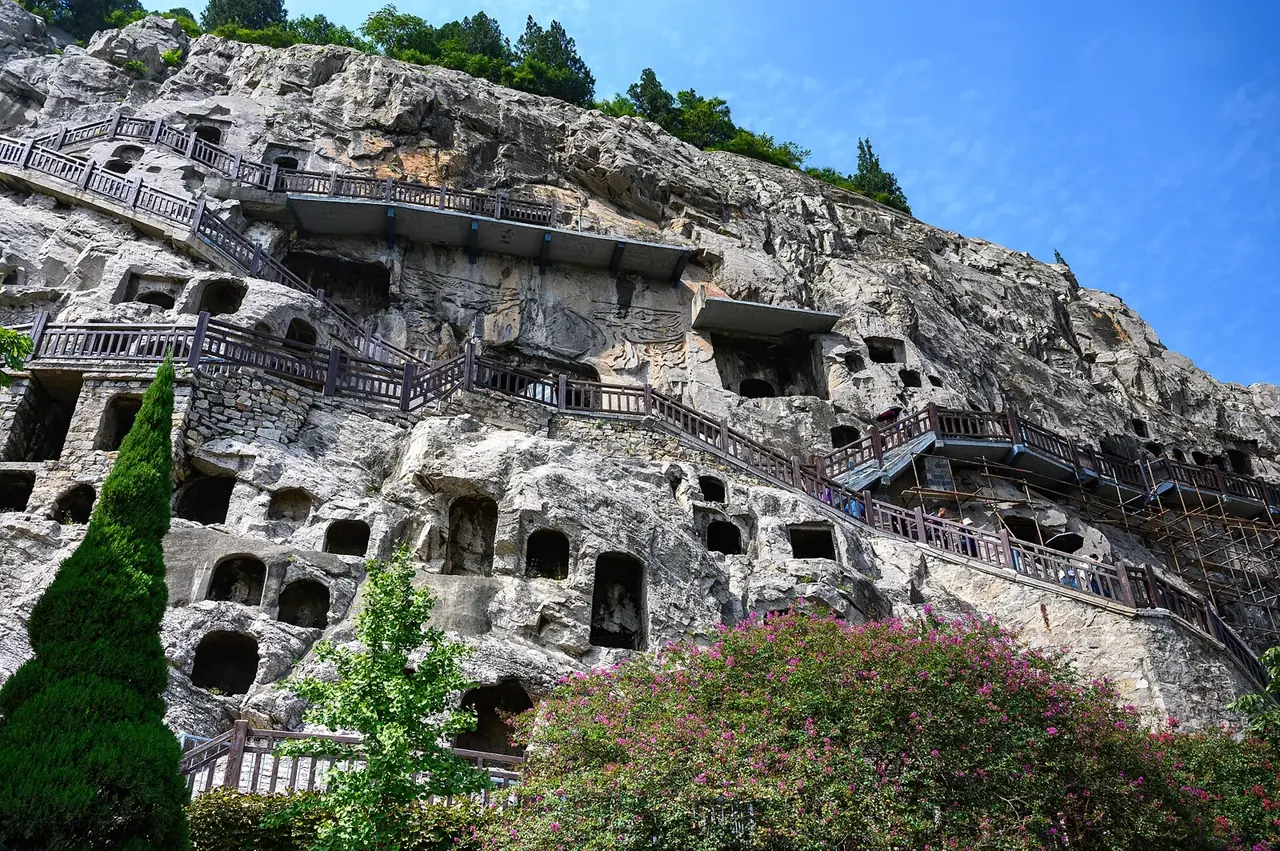
After the Northern Wei court moved to Luoyang, major carving at Longmen began; the Tang period brought further work. Caves, niches, statues and inscriptions along the Yi River preserve belief, craft, aesthetic choices and patronage in one landscape.
UNESCO identifies Longmen as an exceptional body of late Northern Wei and Tang Buddhist stone art. Beyond its scale, the site invites questions about why some periods saw intense production and how such long works were organized.
04 / Routes
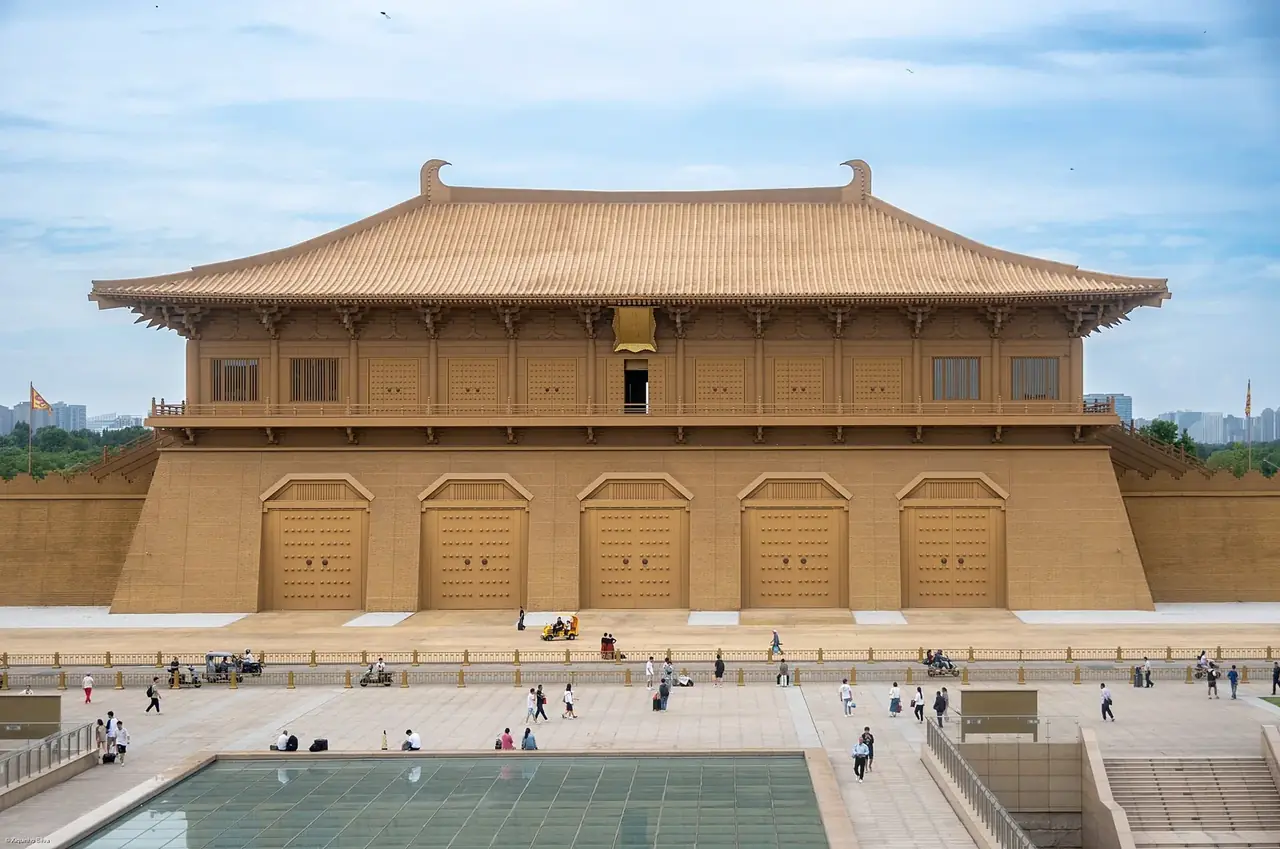
The Dingding Gate site of Sui–Tang Luoyang is another component of the Silk Roads property. A city gate joined roads, ceremony and administration. Its museum and protection structures help visitors read a space that was long buried.
Luoyang did not stop changing after the Tang. Later urban life grew around earlier remains; archaeology and conservation now add new ways of seeing them. A ruin need not be rebuilt into an entire palace to tell a meaningful story.
02 / Urban system
The chapter follows verifiable sites instead of reducing a complex city to a disputed count of ancient dynasties.
The Han–Wei city site preserves a capital’s footprint.
Dingding Gate marks a Sui–Tang city entrance.
Silk Roads moved people and ideas.
Longmen records Buddhist art in the cliffs.
03 / Selected exhibits
Open an exhibit to see how it supports the chapter.
A city site from Eastern Han to Northern Wei in the Silk Roads World Heritage network.
See references ↓A gate of Sui–Tang Luoyang that helps explain the city’s entrances and routes.
See references ↓Caves and niches along the Yi River hold major Northern Wei and Tang Buddhist stone carvings.
See references ↓Sculpture and inscriptions preserve evidence of belief, technique and text in one setting.
See references ↓04 / IN ONE SENTENCE
05 / Sources
References support the historical facts, heritage information and city data used in this chapter. Photo creators, licenses and original files appear in the image credits.
Images resized and converted; display may be cropped.
Explore another
Related by geographic region and historical themes rather than random recommendation.
Why did Chang’an become a point of departure?
Open chapter ↗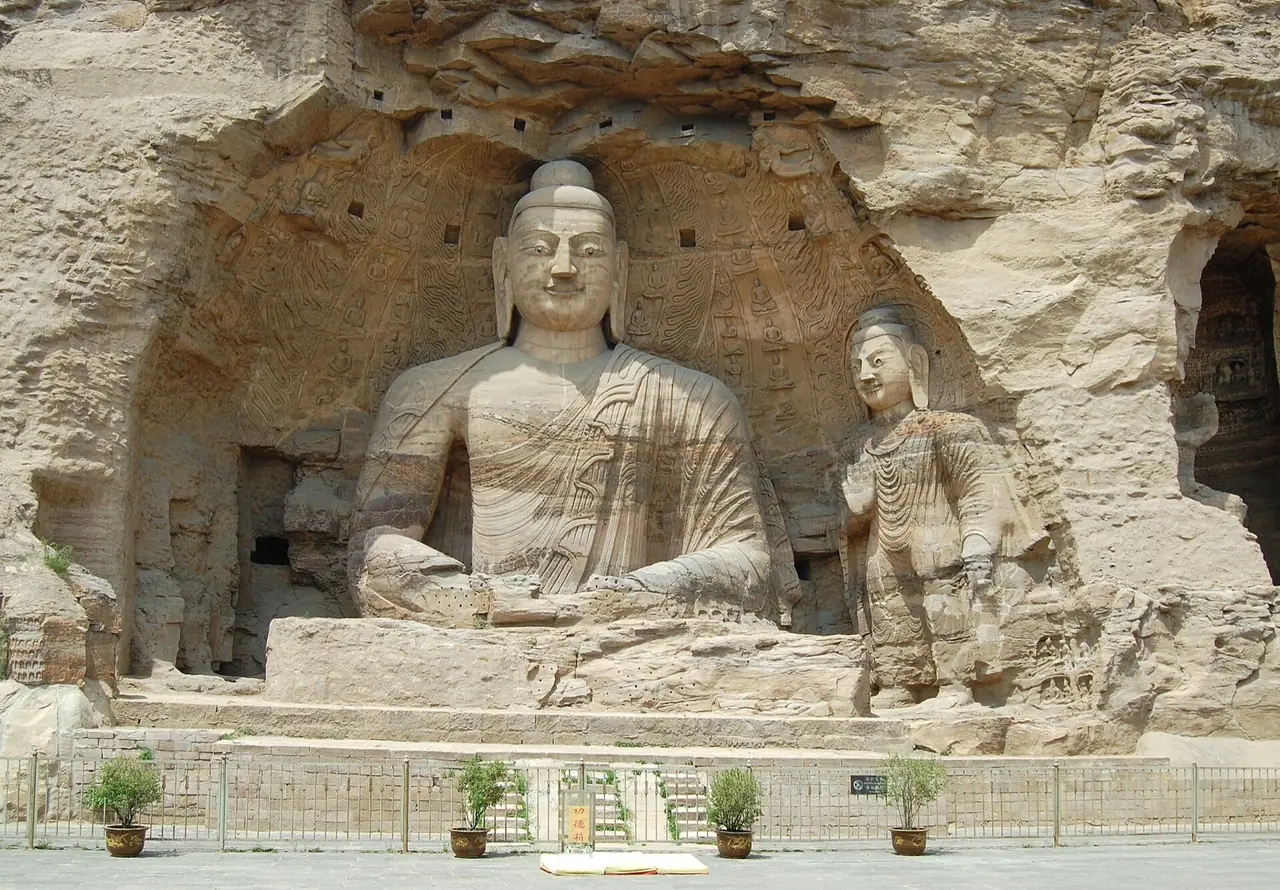
How did frontier pressure make Datong repeatedly rebuild order?
Open chapter ↗
How did Kaifeng reach an urban peak between prosperity and flood?
Open chapter ↗


