Why here
A pass in the agro-pastoral frontier gave Datong simultaneous roles in defense and exchange.
CITY ATLAS / 18
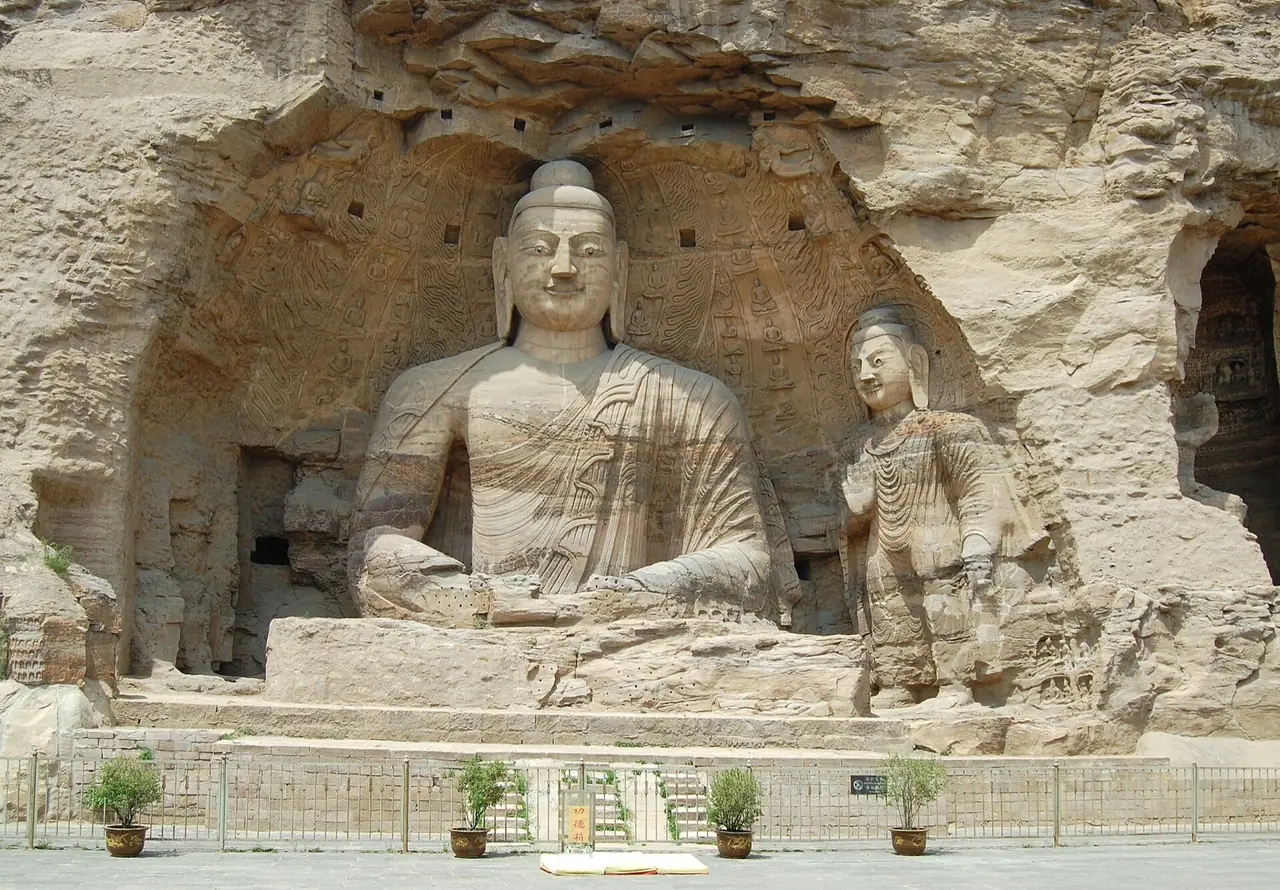
Northern Wei capital, Yungang, frontier walls, temples and coal industry left several cities layered in one basin.
READING GUIDE
Start with the long-term force shaping the city, then move into chronology, urban systems and surviving evidence.
01 / Chapter
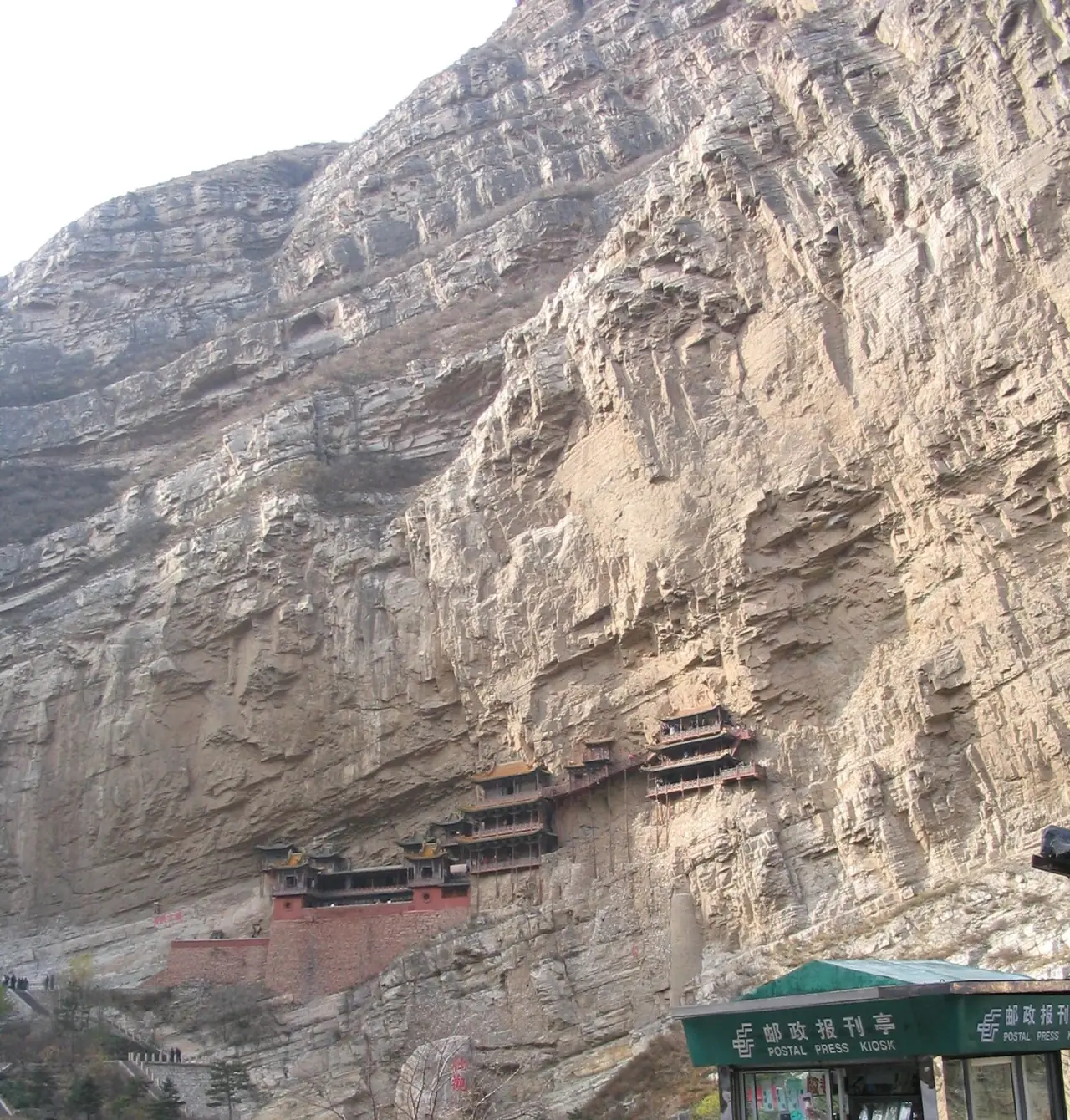
When Pingcheng became the Northern Wei capital, people, skills and Buddhist art gathered. The move to Luoyang did not end its frontier role. Liao–Jin temples, Ming defenses and modern coal reshaped its capacities and pressures.
THREE LENSES / THREE LENSES
Geography sets conditions, turning points redirect the path, and daily life carries long memory.
A pass in the agro-pastoral frontier gave Datong simultaneous roles in defense and exchange.
Northern Wei capital building, Liao–Jin defense and the Ming garrison repeatedly concentrated state resources here.
Yungang, Huayan Temple, walls and industrial transition reveal a frontier city repeatedly rebuilding order.
CITY HISTORY / 城市时间
At an agrarian–pastoral crossroads, Datong carries overlapping orders of capital, frontier, temple and mine.
Northern Wei moved its capital to Pingcheng.
Large-scale carving began at Yungang.
The capital moved to Luoyang.
The western capital and temples sustained importance.
Walls and frontier defenses were rebuilt.
Coal expanded the city and created transition pressures.
01 / Capital
Northern Wei concentrated population and supplies in Pingcheng, where steppe and central-plain institutions met.
02 / Yungang
State patronage, monastic organization and artisan labor combined influences from South Asia, Central Asia and China.
03 / Defense
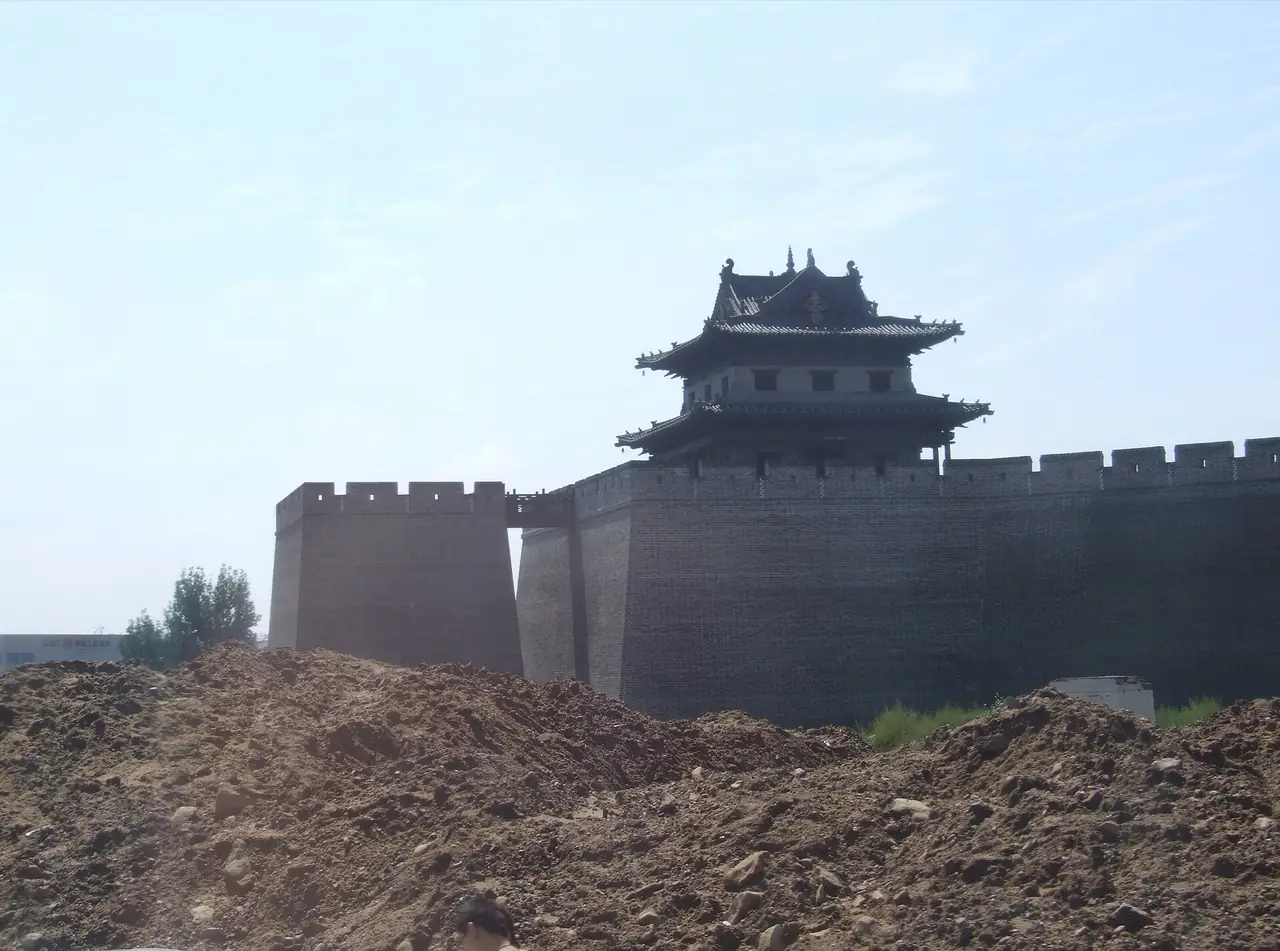
Liao–Jin institutions, Ming walls and forts reflect long military and administrative roles.
04 / Coal
Mines, rail and workers’ districts drove growth while creating environmental dependence. Heritage repair and energy transition must include residents.
02 / Urban system
Yungang is art, state patronage, craft labor and cross-regional exchange together.
Northern Wei made a frontier hub an imperial center.
Artisans translated many influences into local stone.
Walls answered recurring military pressure.
Coal brought growth and the need for repair.
03 / Selected exhibits
Open an exhibit to see how it supports the chapter.
252 caves and niches mark an early peak of Buddhist art.
See references ↓Liao–Jin architecture preserves frontier Buddhist culture.
See references ↓Fortifications record strategic geography.
See references ↓Coal shaped the modern city and its environmental tasks.
See references ↓04 / IN ONE SENTENCE
05 / Sources
References support the historical facts, heritage information and city data used in this chapter. Photo creators, licenses and original files appear in the image credits.
Images resized and converted; display may be cropped.
Explore another
Related by geographic region and historical themes rather than random recommendation.
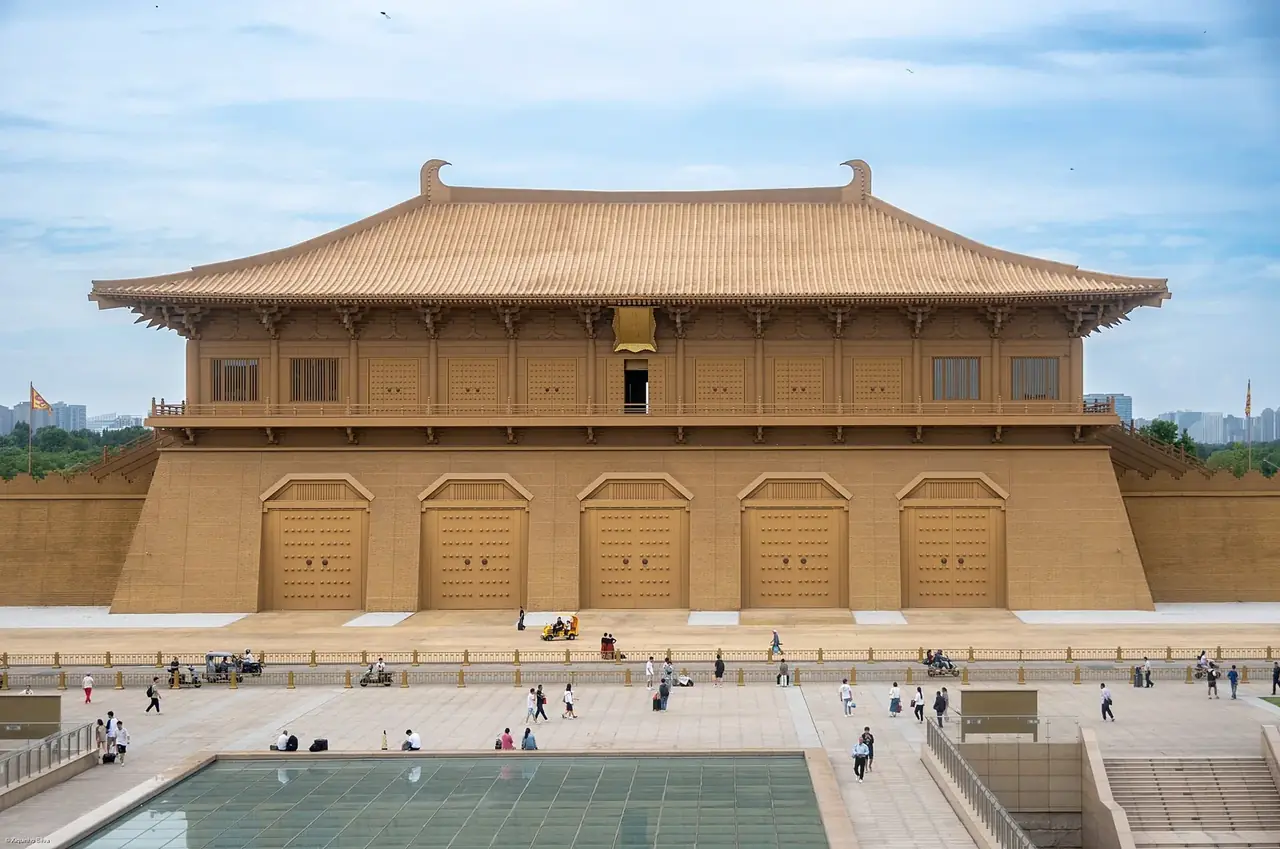
Why did Chang’an become a point of departure?
Open chapter ↗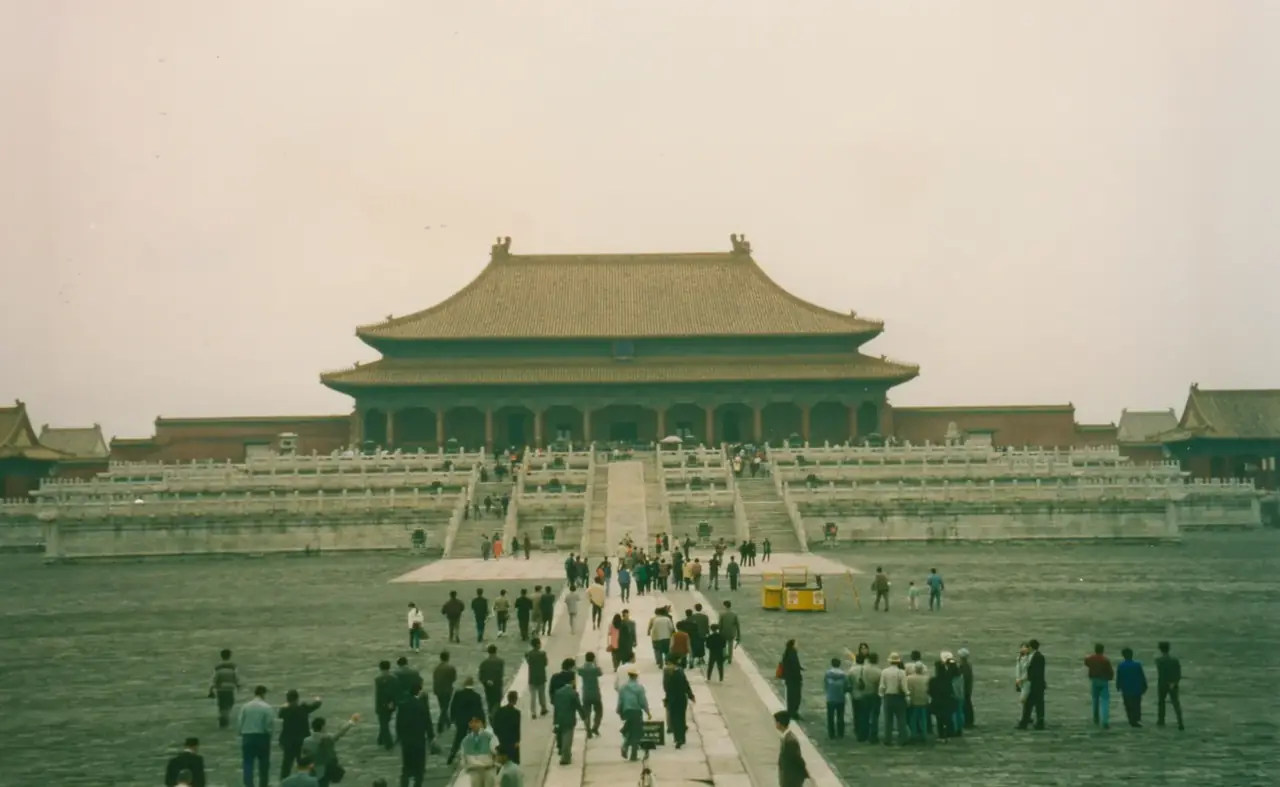
How can one axis organize a capital?
Open chapter ↗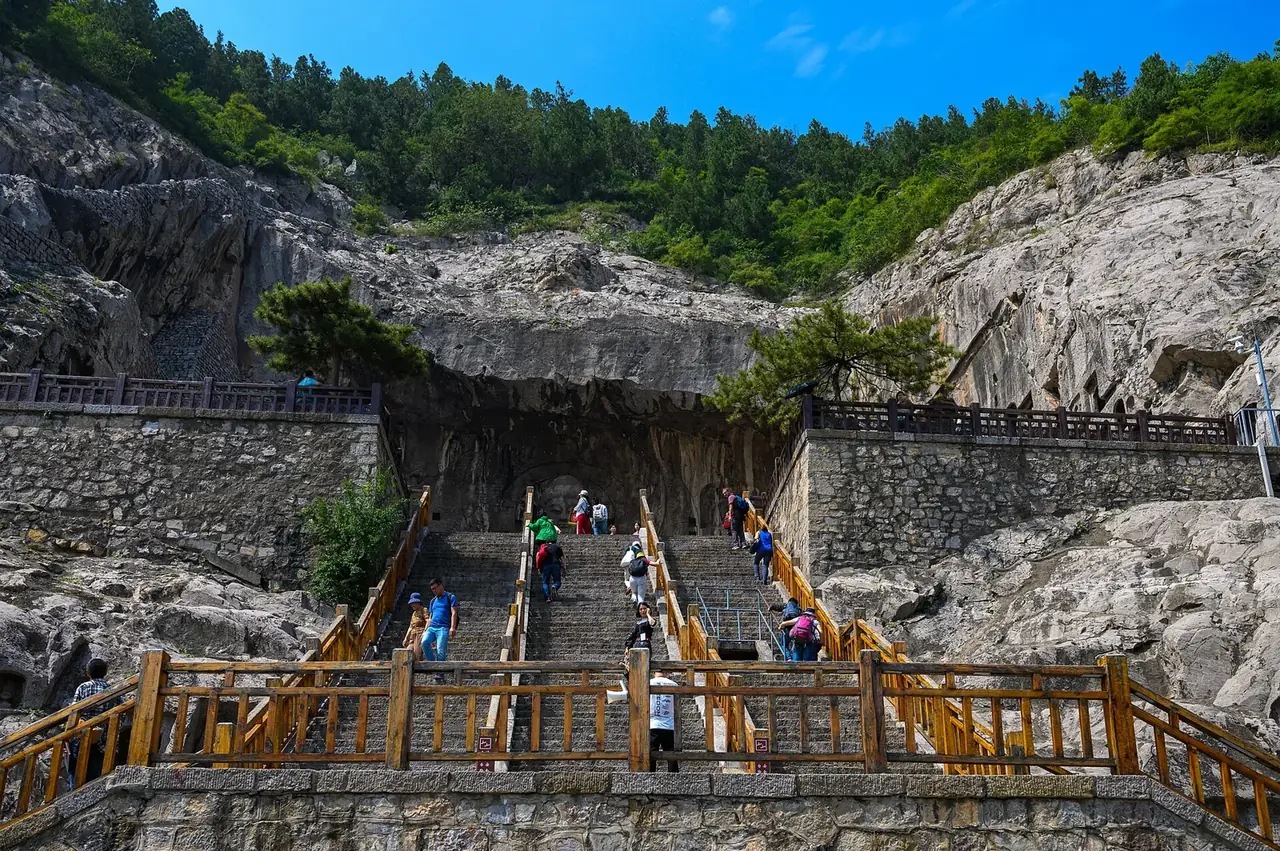
How did Luoyang carve exchange into gates and cliffs?
Open chapter ↗


