Why here
The Xiang River valley links Dongting Lake and the Nanling ranges, making Changsha Hunan’s logistical center.
CITY ATLAS / 22
Mawangdui, river trade, Yuelu Academy, wartime rebuilding and modern media keep producing new voices.
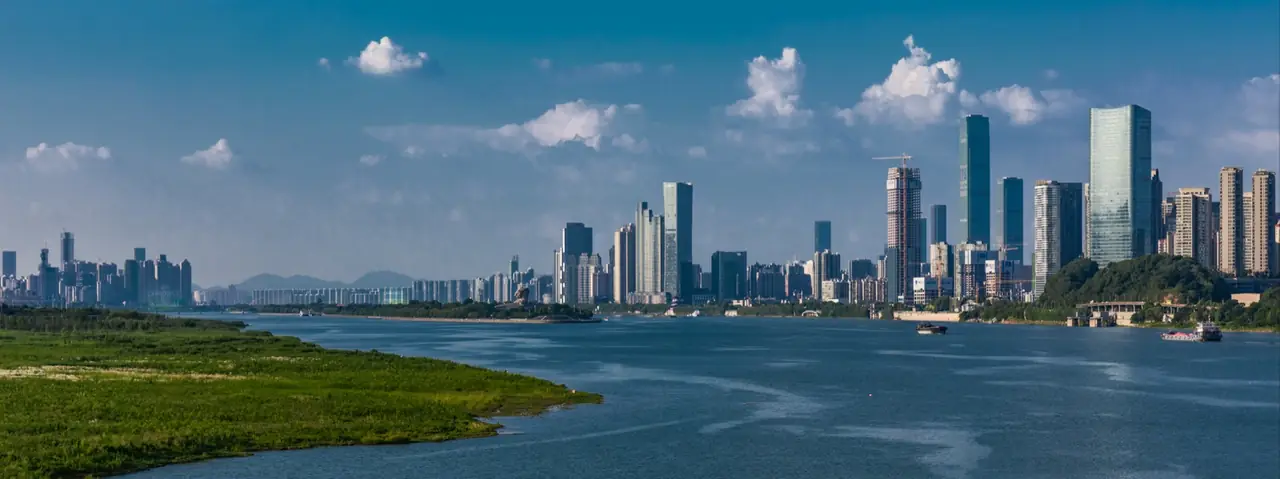
READING GUIDE
Start with the long-term force shaping the city, then move into chronology, urban systems and surviving evidence.
01 / Chapter
Han tombs preserve material and intellectual life; Yuelu Academy sustained teaching from the Song era. Revolution, war and the 1938 fire ruptured the city. Rebuilding, industry, publishing, television and digital culture later widened its reach.
THREE LENSES / THREE LENSES
Geography sets conditions, turning points redirect the path, and daily life carries long memory.
The Xiang River valley links Dongting Lake and the Nanling ranges, making Changsha Hunan’s logistical center.
Academy traditions, revolution and industry repeatedly turned local knowledge into public action.
Riverbanks, old streets, media and night-time commerce sustain an emphatic outward urban voice.
CITY HISTORY / 城市时间
Changsha’s continuity does not mean buildings survived untouched; education, commerce and public culture repeatedly gathered after destruction.
Mawangdui preserved material culture of the Changsha Kingdom.
Yuelu Academy was founded.
Changsha formally opened to foreign trade.
Revolution and social movements reshaped the city.
The Wenxi Fire caused massive destruction.
Industry, education and media widened influence.
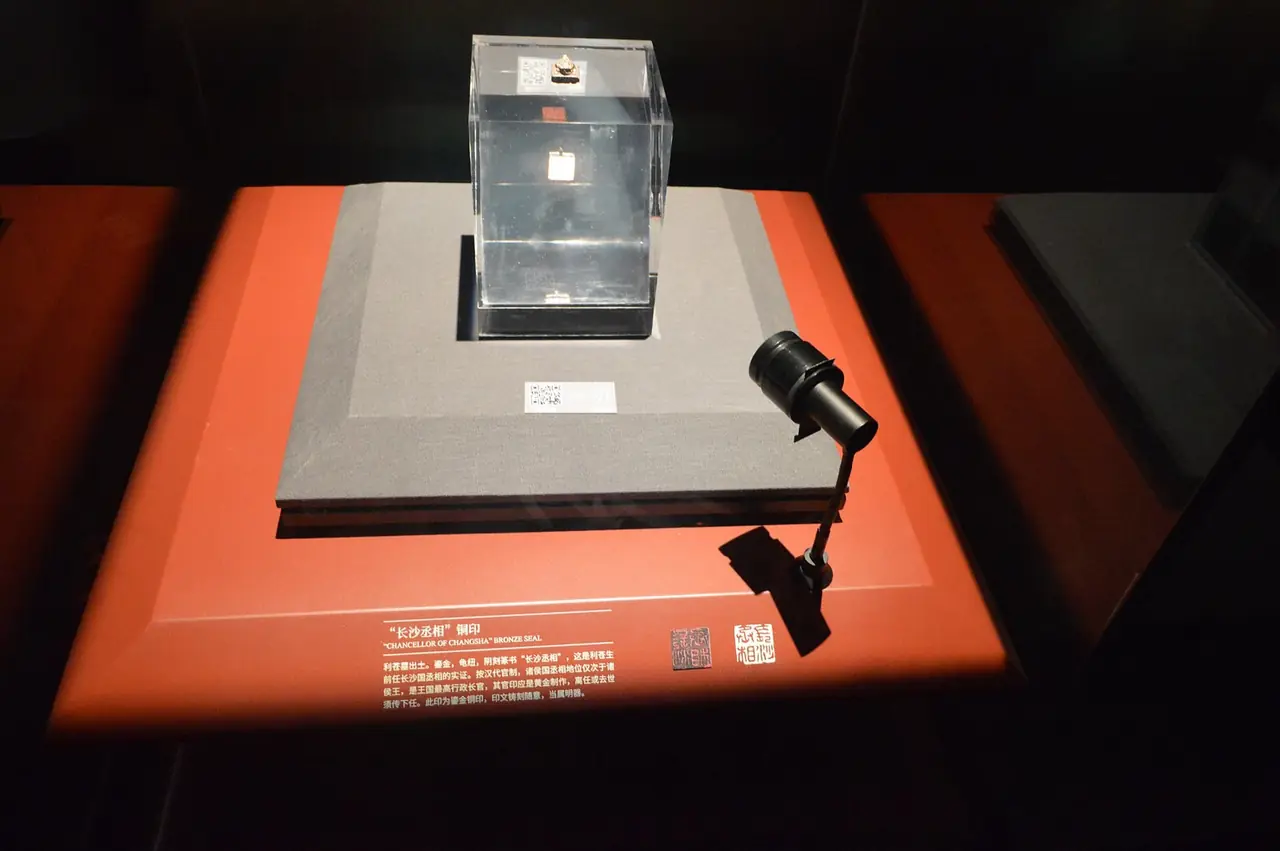
01 / Han
Lacquer, silk texts, textiles, maps and medical manuscripts make ancient food, body, technology and knowledge tangible.
02 / Academy
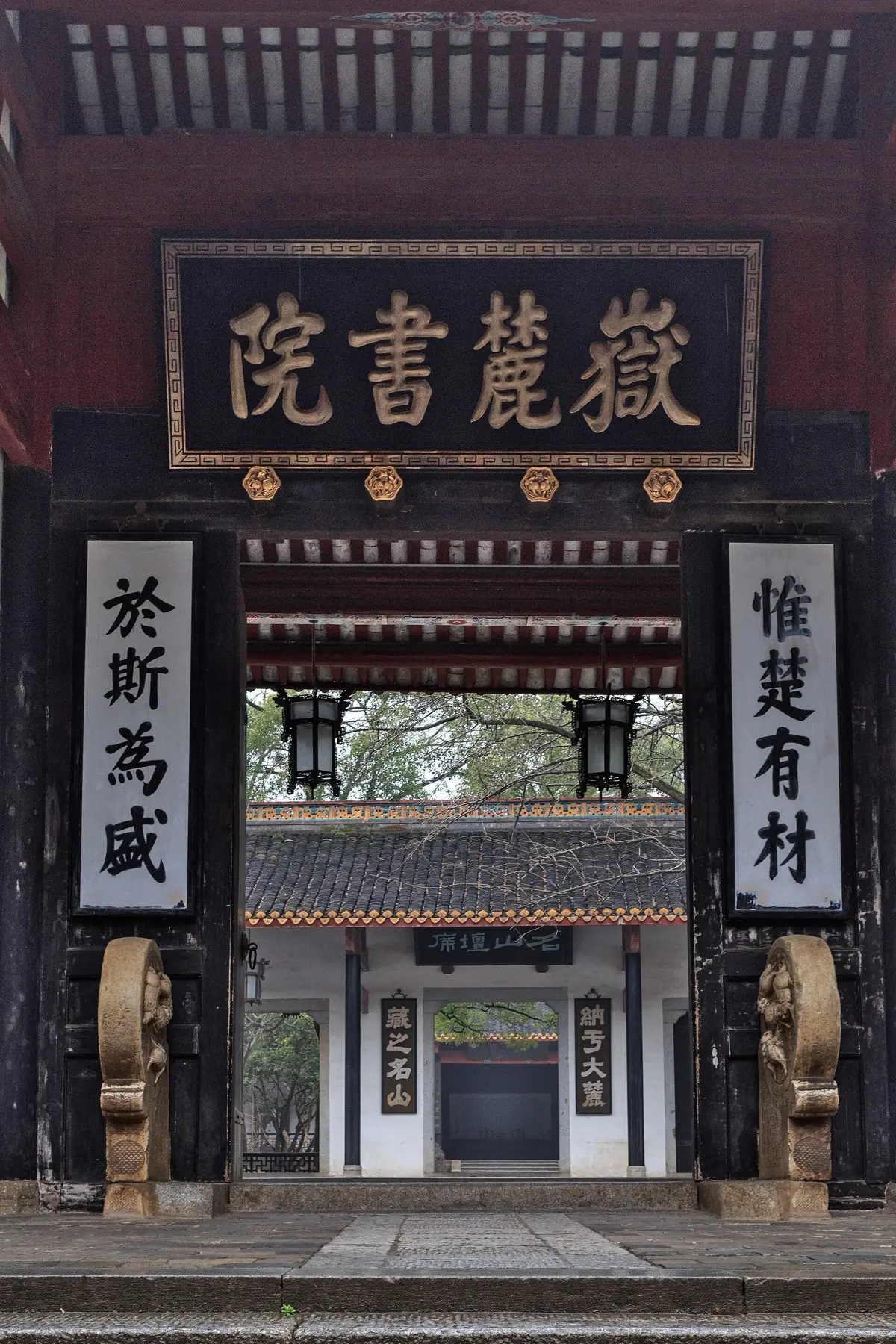
Teaching, libraries and networks linked local learning to national debate. Continuity came through changing functions.
03 / Rupture
Revolution, battles and the 1938 fire caused death and destruction. Reconstruction must not erase responsibility or residents’ loss.
04 / Voice
Universities, publishing, television, digital content and street commerce amplify expression built on longer educational traditions.
02 / Urban system
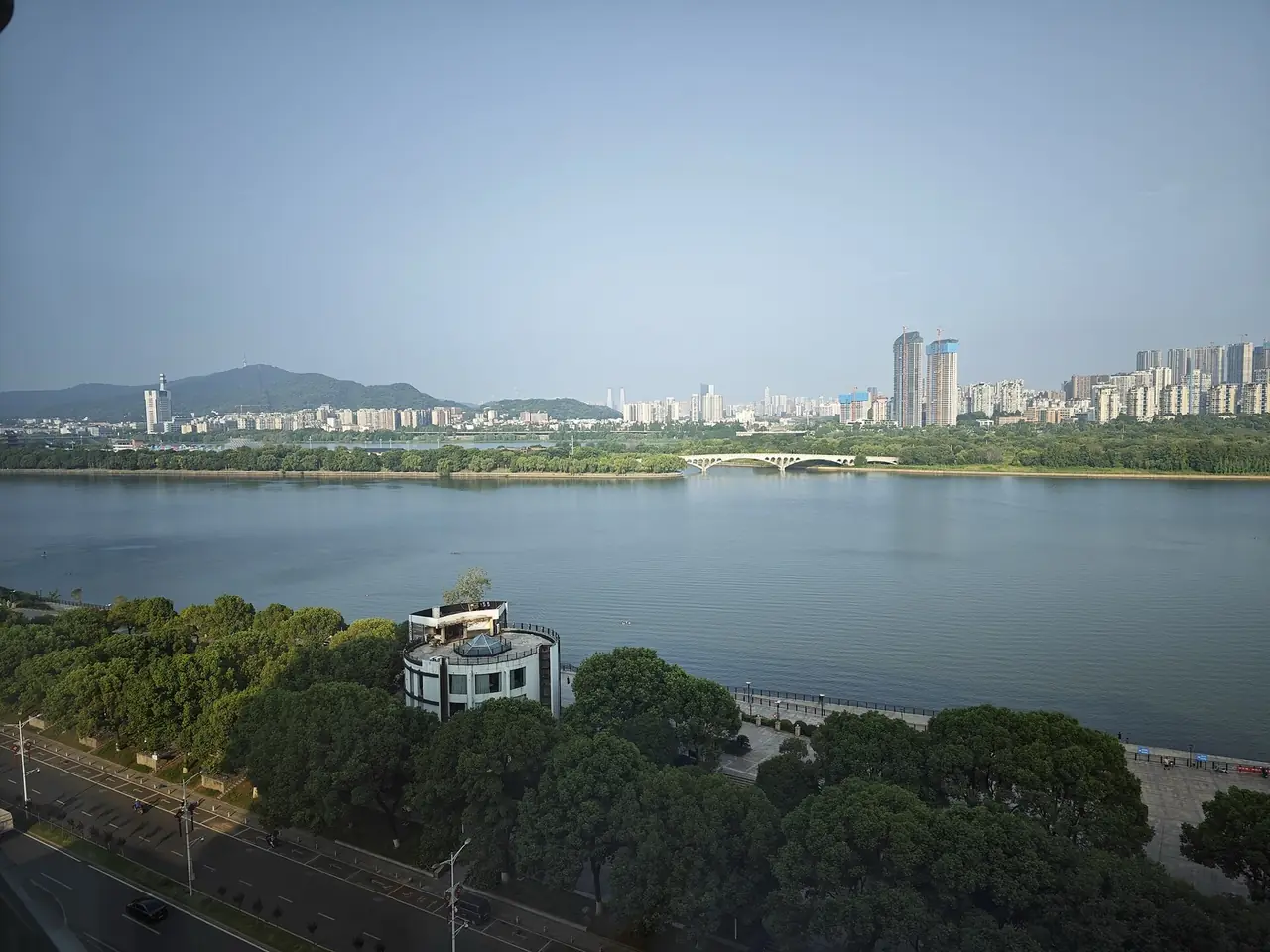
Popular consumption rests on deeper institutions of education, river trade and media production.
The Xiang moved people and goods through Hunan.
Mawangdui preserves Han life and technology.
Yuelu sustained teaching and debate.
Postwar reconstruction and media created new public culture.
03 / Selected exhibits
Open an exhibit to see how it supports the chapter.
Textiles, medicine, maps and objects preserve Han life.
See references ↓The academy sustains knowledge and discussion.
See references ↓Destruction and rebuilding require solemn remembrance.
See references ↓Content industries and commerce amplify the city’s voice.
See references ↓04 / IN ONE SENTENCE
05 / Sources
References support the historical facts, heritage information and city data used in this chapter. Photo creators, licenses and original files appear in the image credits.
Images resized and converted; display may be cropped.
Explore another
Related by geographic region and historical themes rather than random recommendation.
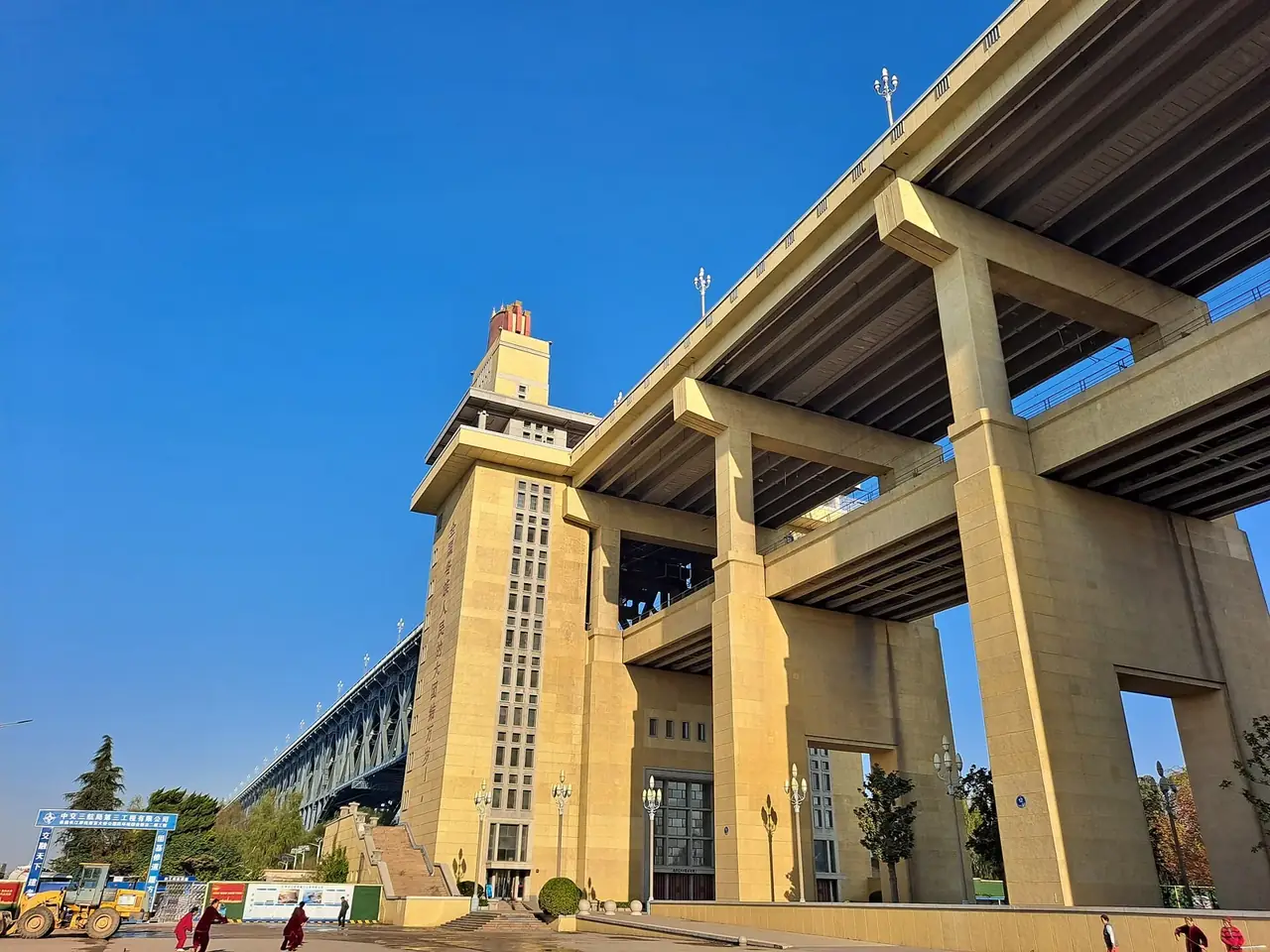
How does Nanjing live with its river and its memory?
Open chapter ↗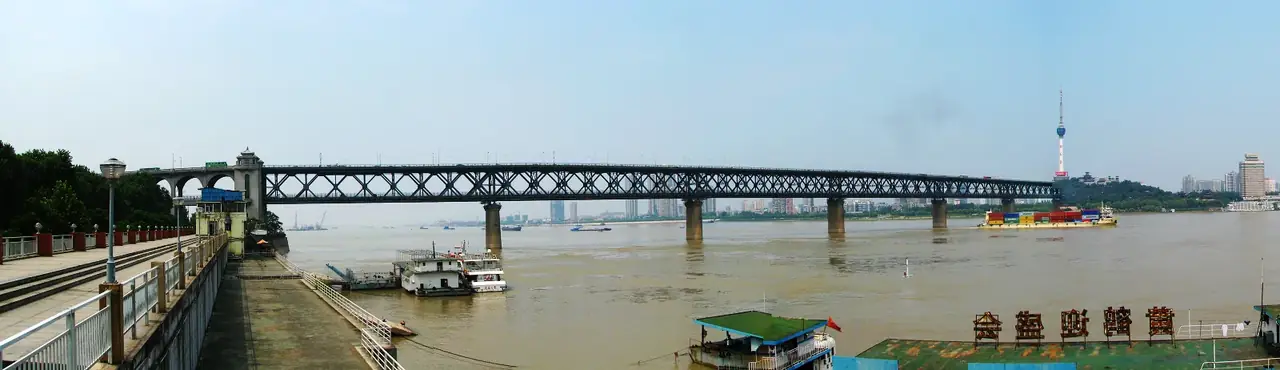
How were three towns stitched into one transport hub?
Open chapter ↗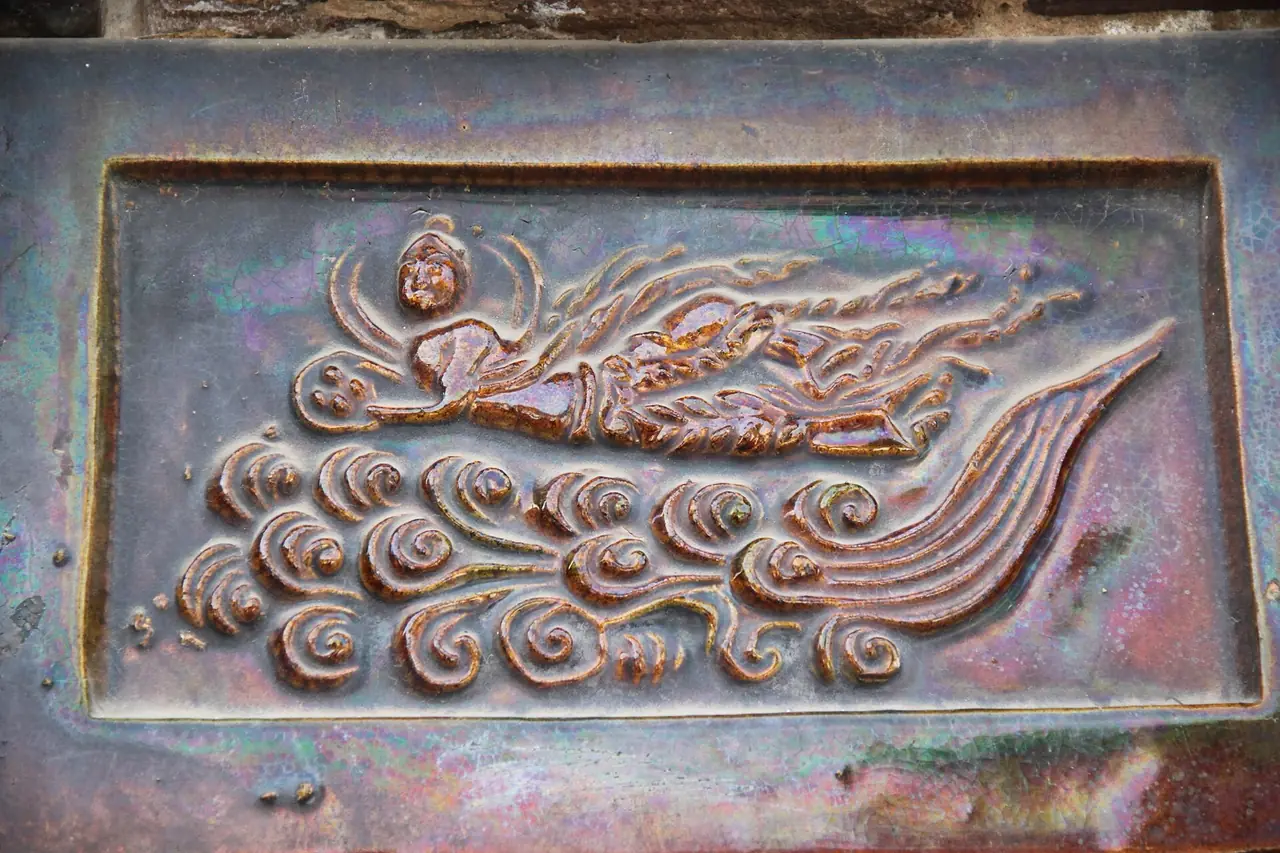
How did Kaifeng reach an urban peak between prosperity and flood?
Open chapter ↗


