Why here
An oasis at the junction of the Hexi Corridor and desert routes became a long-distance supply point.
CITY ATLAS / 17
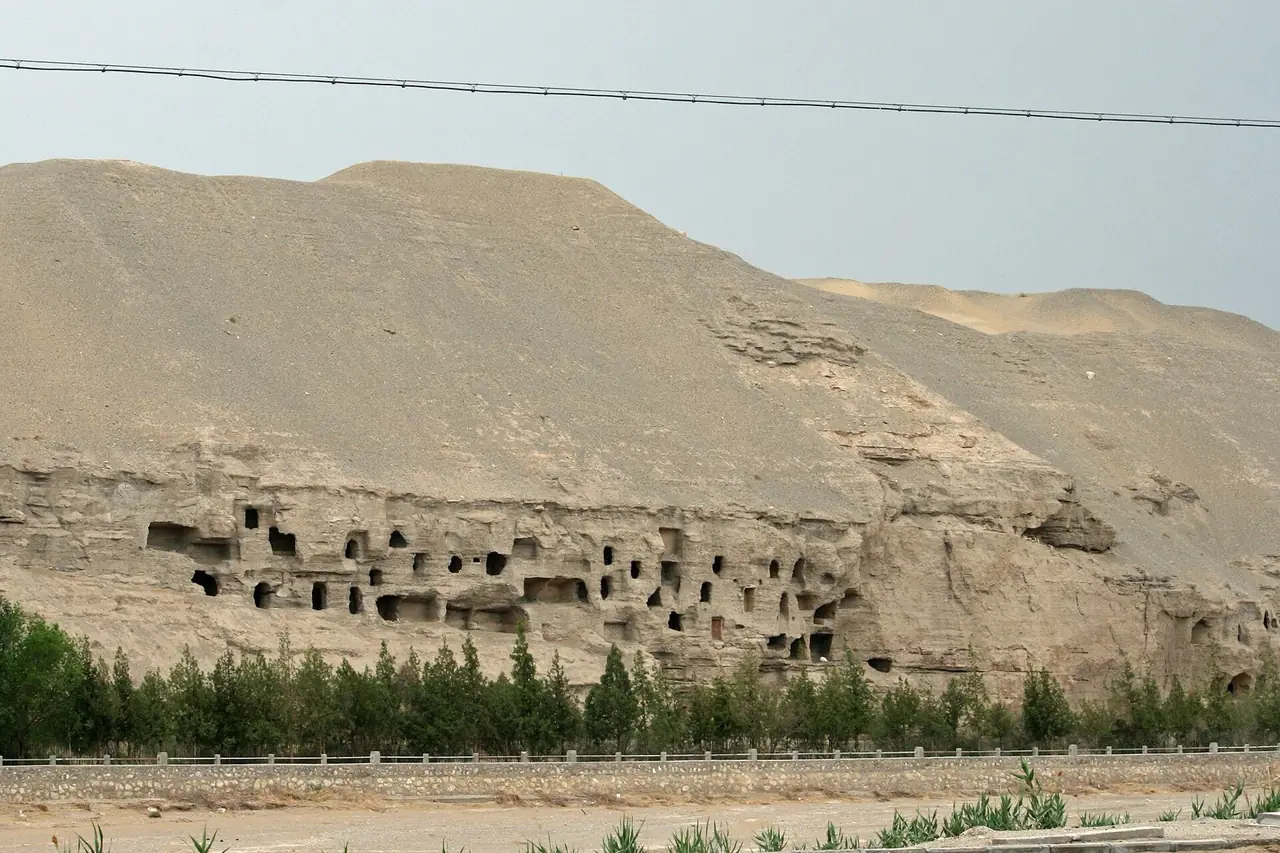
Oasis water, passes, travelers, monks and cave-making turned Dunhuang into a memory vessel on the Silk Roads.
READING GUIDE
Start with the long-term force shaping the city, then move into chronology, urban systems and surviving evidence.
01 / Chapter
The Hexi Corridor joined central China to Central Asia. Garrisons and passes managed routes; trade and religion moved languages and images; centuries of cave construction preserved belief and daily life. Modern manuscript discovery brought both scholarship and dispersal.
THREE LENSES / THREE LENSES
Geography sets conditions, turning points redirect the path, and daily life carries long memory.
An oasis at the junction of the Hexi Corridor and desert routes became a long-distance supply point.
Silk Road traffic, shifting regimes and Buddhism sustained the long construction of Mogao.
Conservation, manuscript research and tourism management are redefining the oasis–heritage relationship.
CITY HISTORY / 城市时间
Dunhuang repeatedly faced one question: how could limited water sustain long-distance travel, frontier administration and cultural production?
Han administration established Dunhuang Commandery.
Construction at Mogao began.
Silk Road exchange and cave-making flourished.
The Library Cave was sealed.
The cave was discovered; objects dispersed and research began.
Professional conservation institutions developed.
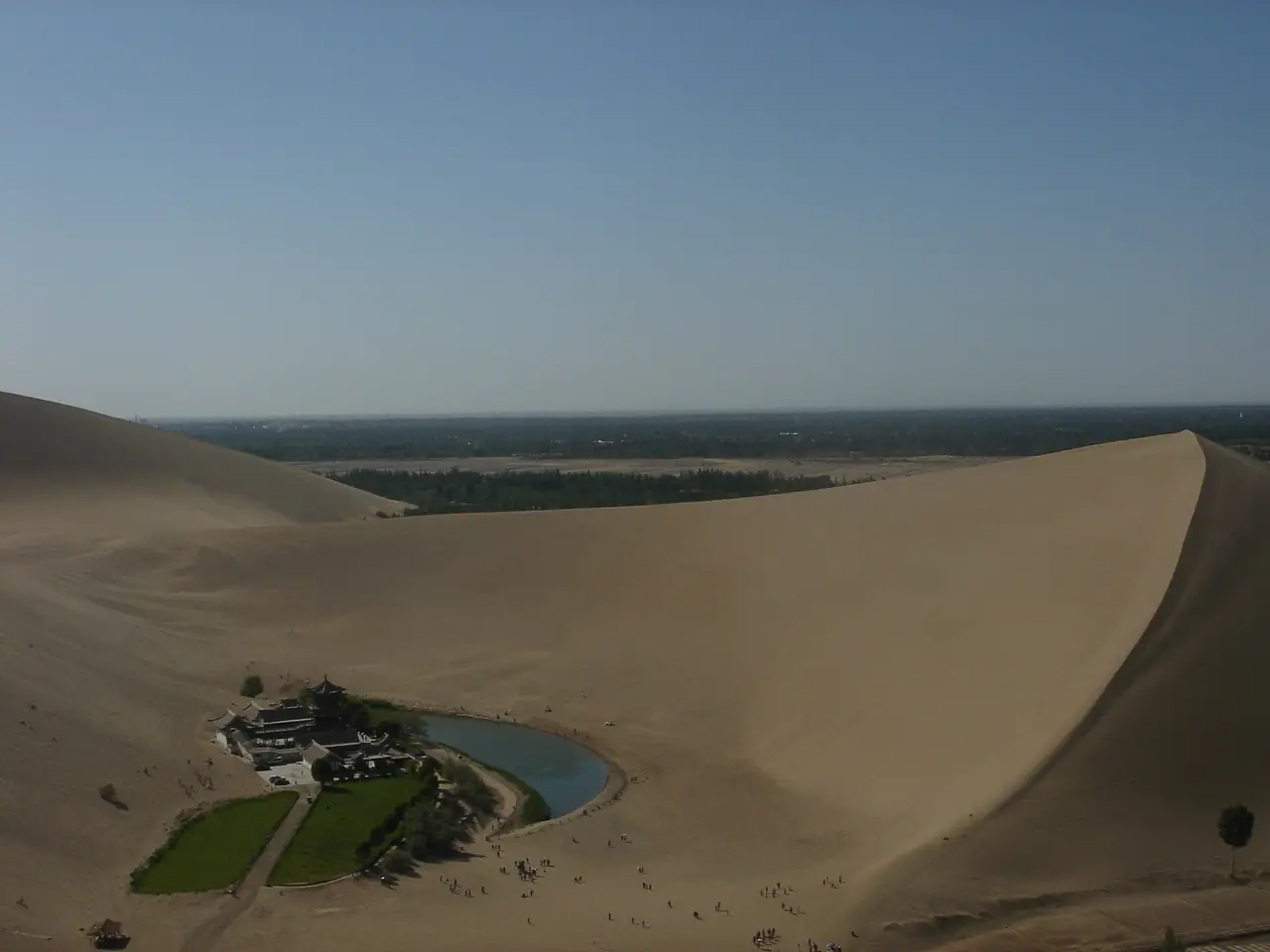
01 / Oasis
Meltwater and farming supplied food, fodder and settlement. Passes and caravans depended on irrigation and agricultural labor.
02 / Roads
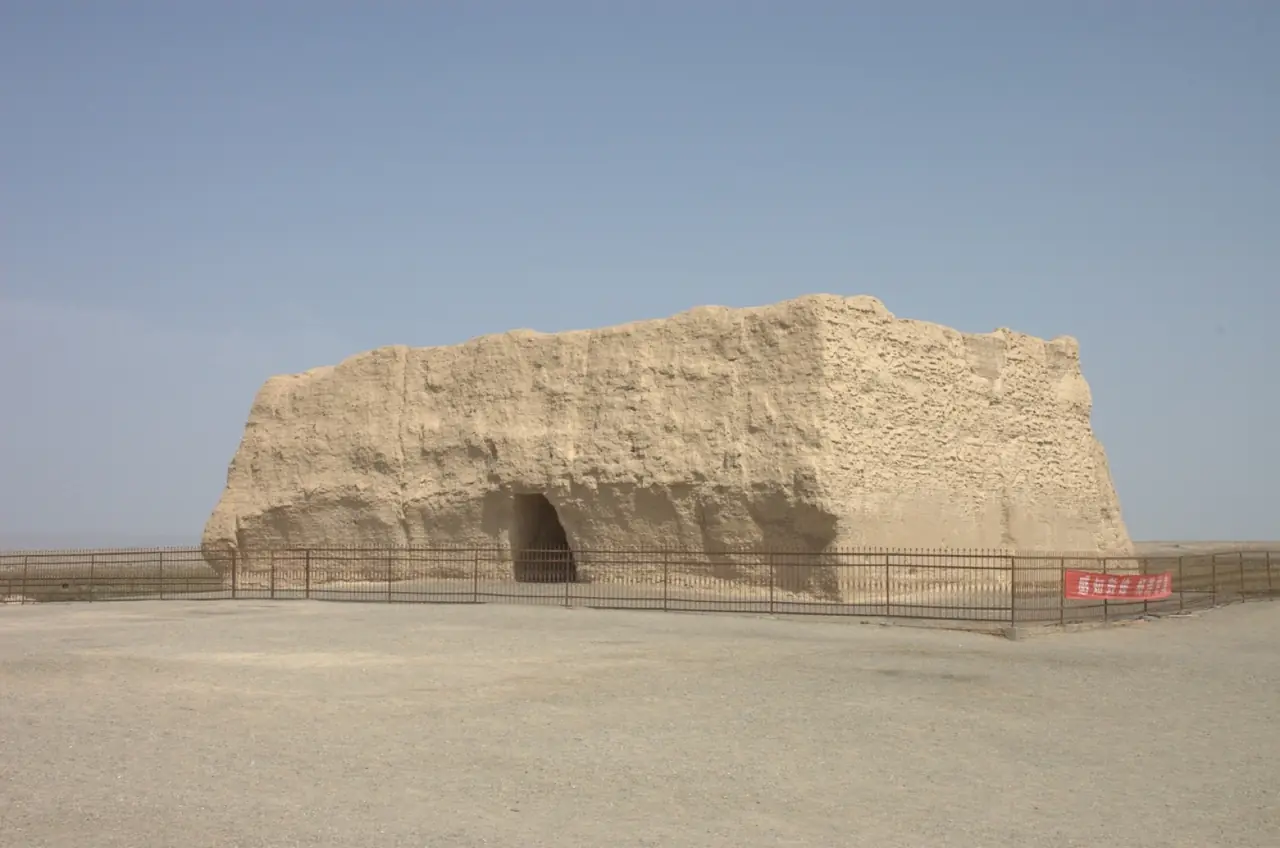
Yumen and Yang passes organized frontier traffic. Silk traveled with languages, beliefs, techniques and news.
03 / Caves
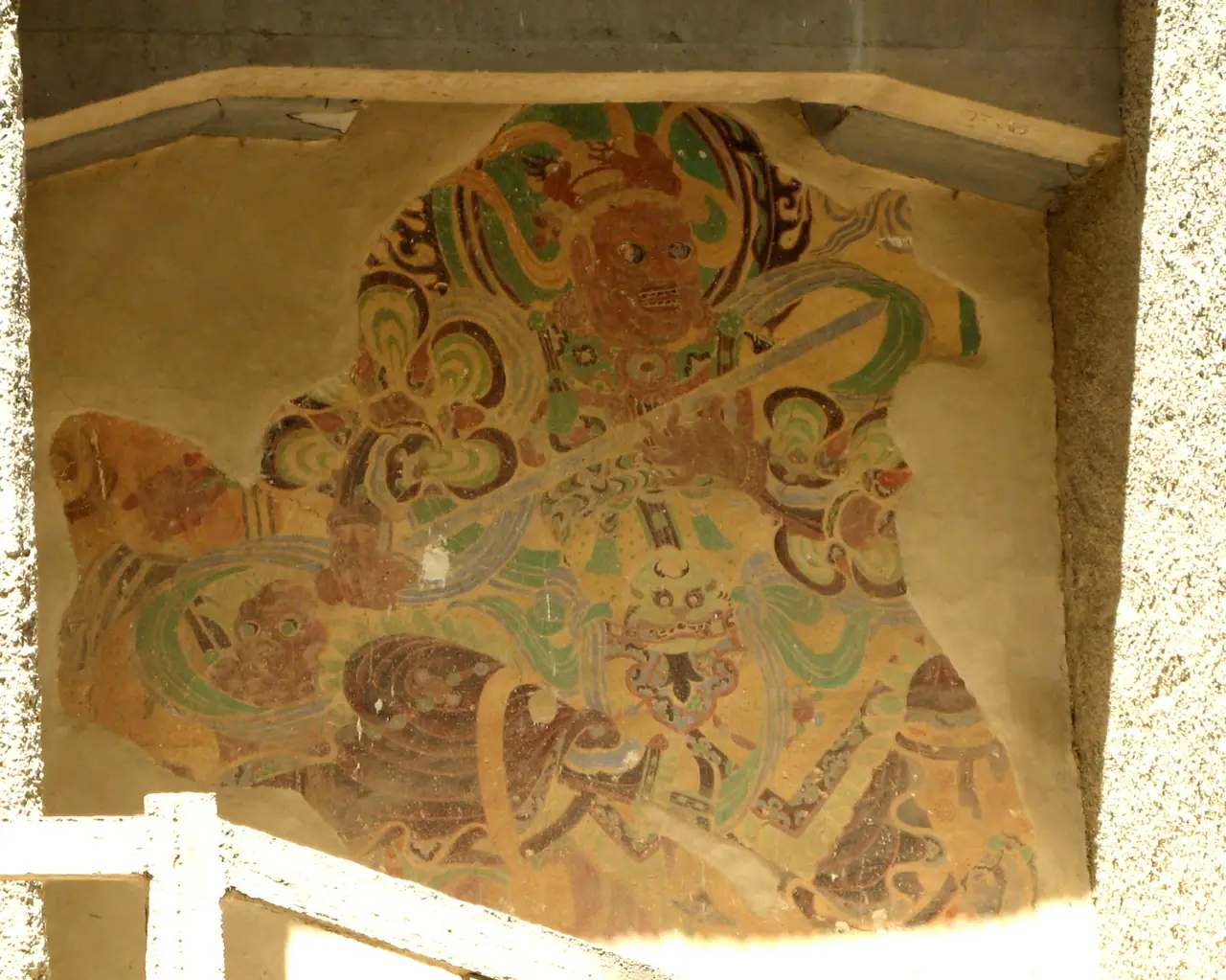
Monks initiated, patrons funded and artisans built over centuries. Murals preserve Buddhist imagery, clothing, architecture and daily life.
04 / Conservation
Manuscripts dispersed after discovery. Conservation and digitization now address decay while reconnecting knowledge held worldwide.
02 / Urban system
Cave art belongs with water, roads, labor, patronage and conservation.
Oasis farming supplied town and traveler.
Passes organized frontier movement.
Monks, artisans and patrons collaborated over centuries.
Research and digitization protect fragile heritage.
03 / Selected exhibits
Open an exhibit to see how it supports the chapter.
The ruins mark movement along the corridor.
See references ↓Murals and sculpture preserve a millennium of Buddhist art.
See references ↓Multilingual manuscripts reveal knowledge networks and later dispersal.
See references ↓Water at the desert edge determines survival.
See references ↓04 / IN ONE SENTENCE
05 / Sources
References support the historical facts, heritage information and city data used in this chapter. Photo creators, licenses and original files appear in the image credits.
Images resized and converted; display may be cropped.
Explore another
Related by geographic region and historical themes rather than random recommendation.
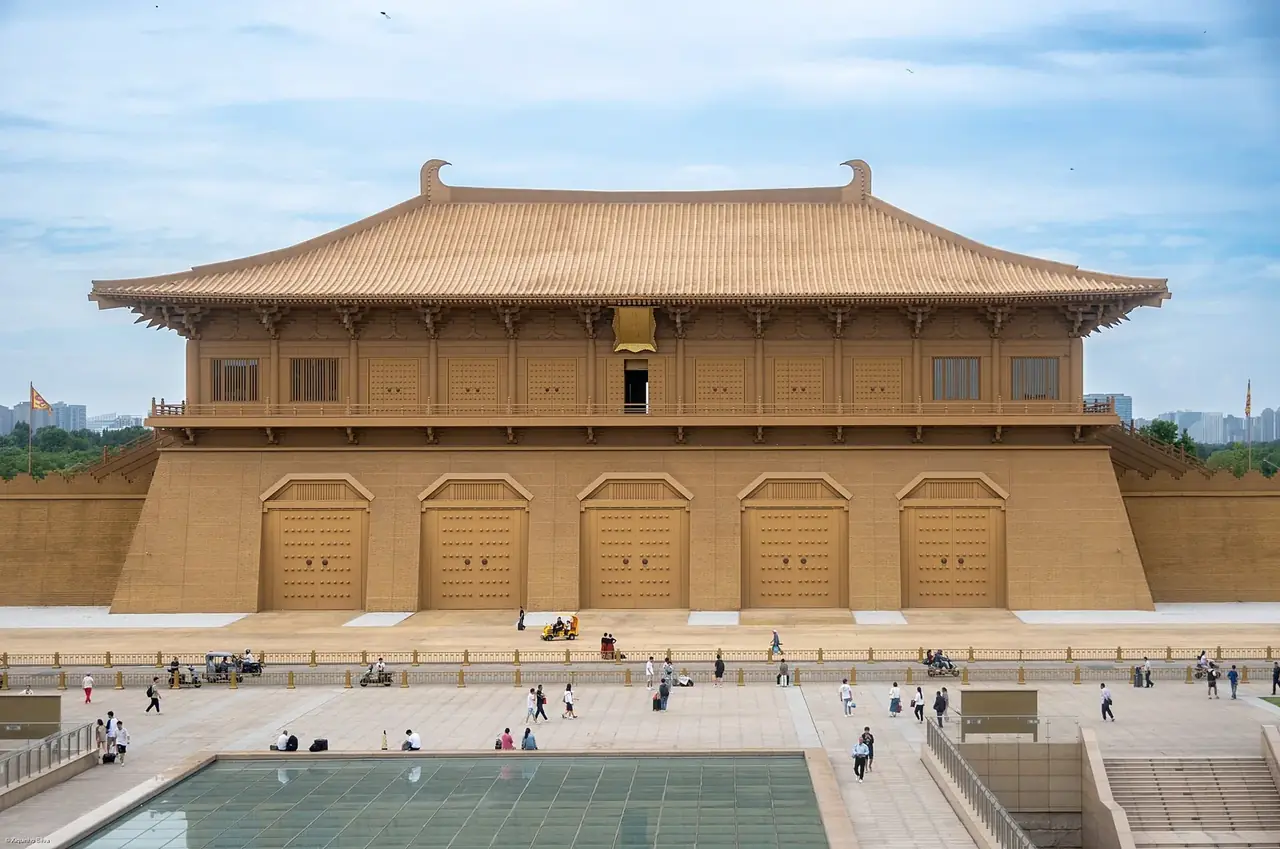
Why did Chang’an become a point of departure?
Open chapter ↗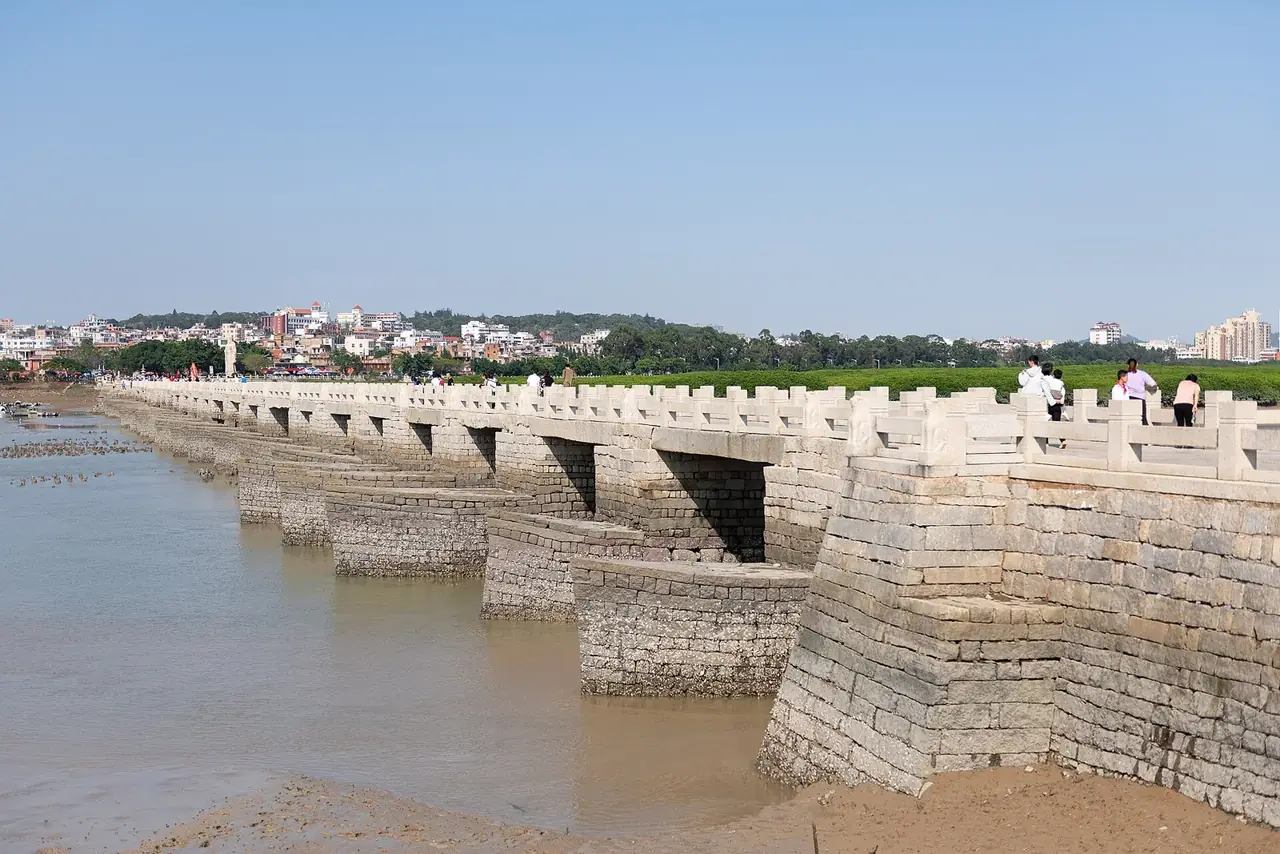
How did one port bring the world to Quanzhou?
Open chapter ↗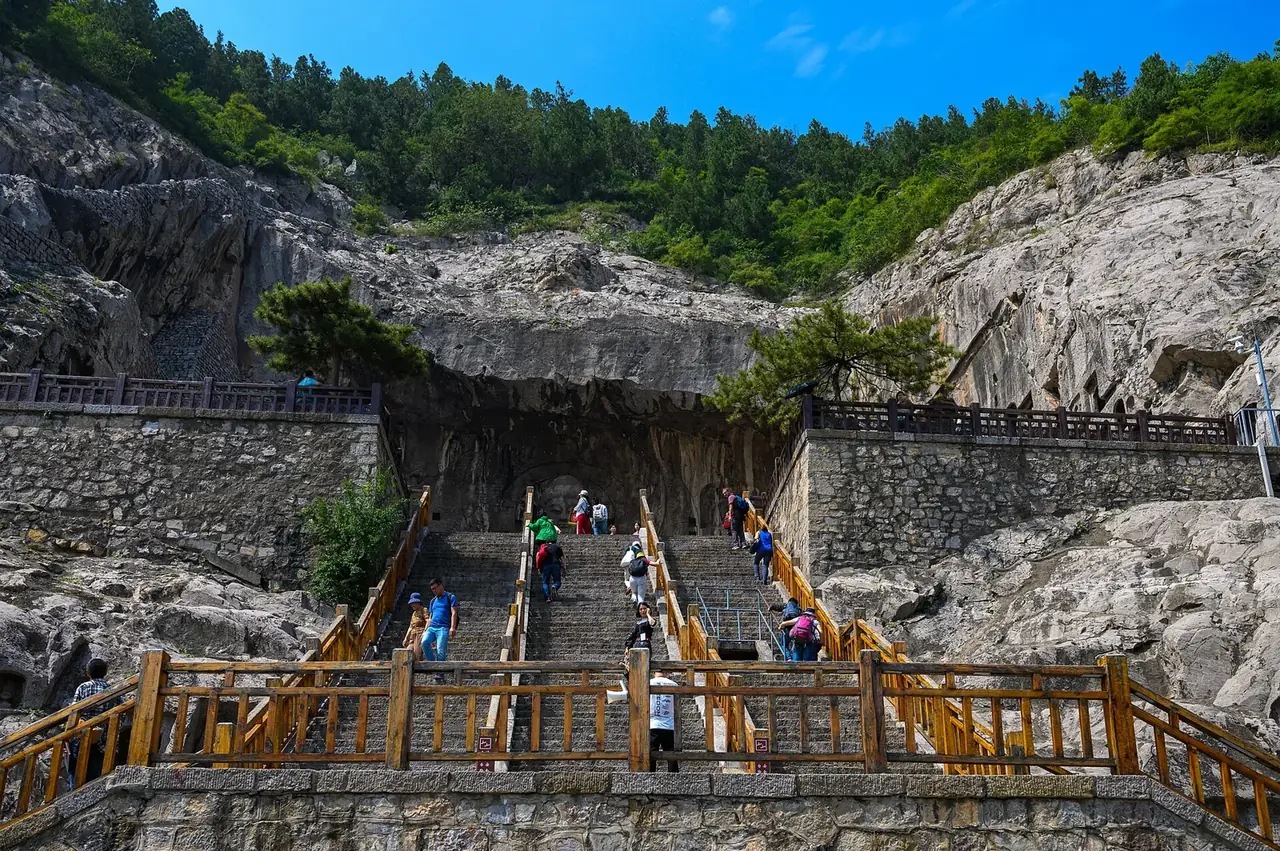
How did Luoyang carve exchange into gates and cliffs?
Open chapter ↗


