Why here
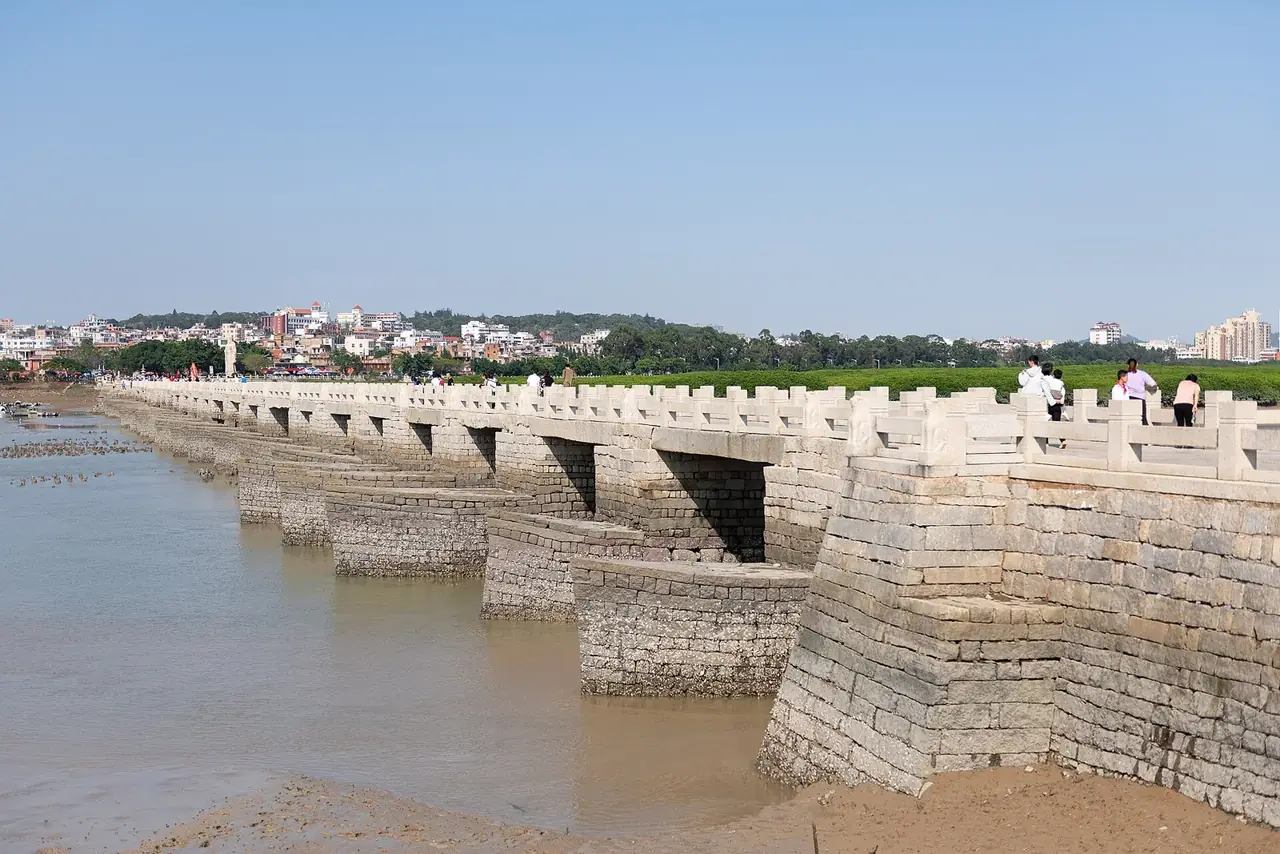
The Jin River estuary and a mountain-backed coast tied harbor traffic to inland craft production.
CITY ATLAS / 01
From kiln fires in the hills to docks at the meeting of river and sea, follow a trade route through the city’s history, cultures and technology.
READING GUIDE
Start with the long-term force shaping the city, then move into chronology, urban systems and surviving evidence.
01 / Chapter
Quanzhou was more than a harbor. Production in the hinterland, bridges and waterways, port facilities and institutions worked together. The movement of goods also brought people, beliefs and music.
THREE LENSES / THREE LENSES
Geography sets conditions, turning points redirect the path, and daily life carries long memory.
The Jin River estuary and a mountain-backed coast tied harbor traffic to inland craft production.
Song–Yuan institutions and merchant networks turned a regional harbor into a global node.
Religious buildings, diaspora ties and street trades still retain the social traces of maritime exchange.
CITY HISTORY / 城市时间
The Song–Yuan peak did not appear overnight. Migration, coastal geography, craft production and navigation gradually made the port possible.
Communities lived in the wider Quanzhou region.
Migration from central China brought skills and cultural traditions.
The place received the name Quanzhou.
It grew into an important southern port.
Trade administration, production and shipping supported a maritime hub.
Overseas ties and private manufacturing reshaped the city.
01 / Formation
Human settlement in the region long predates the famous harbor. Waves of migration from central China brought workers, tools and cultural practices into a coastal landscape of rivers, hills and sea. These movements changed the conditions under which a city could grow.
The Tang period marked a turning point. The name Quanzhou appeared in 711, and further southward migration followed upheaval in the north. Commercial and cultural life expanded. The great Song–Yuan port should be understood as the result of this longer accumulation.
02 / Commerce
Song–Yuan prosperity depended on a whole territory. Ceramics and iron were produced inland; bridges, roads and waterways brought goods toward the city; docks and ships moved them to maritime routes. A trade administration established in the Northern Song managed overseas commerce.
UNESCO describes the heritage as an integrated system of production, transport, exchange, institutions and cultural life. Bridges, stone docks, pagodas, kiln sites and administrative remains therefore belong to one connected story rather than a list of separate attractions.
03 / Cultures
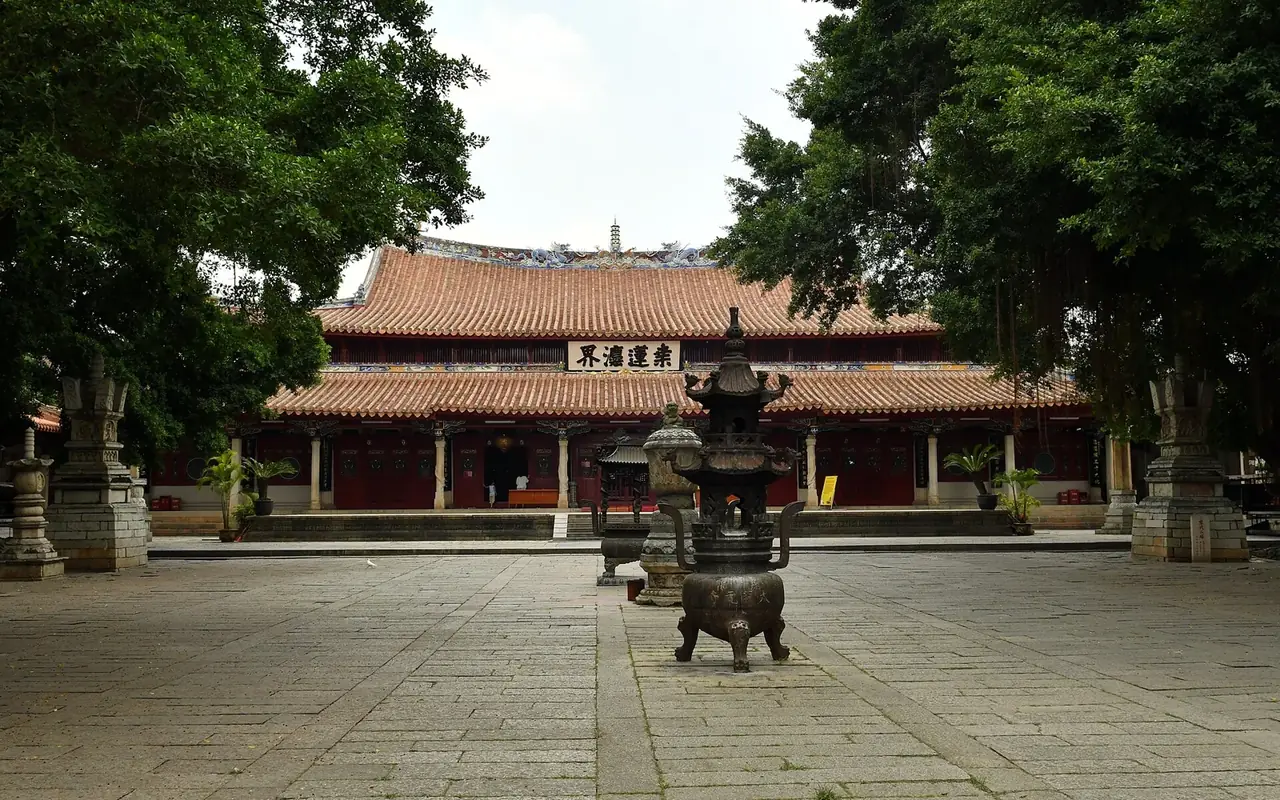
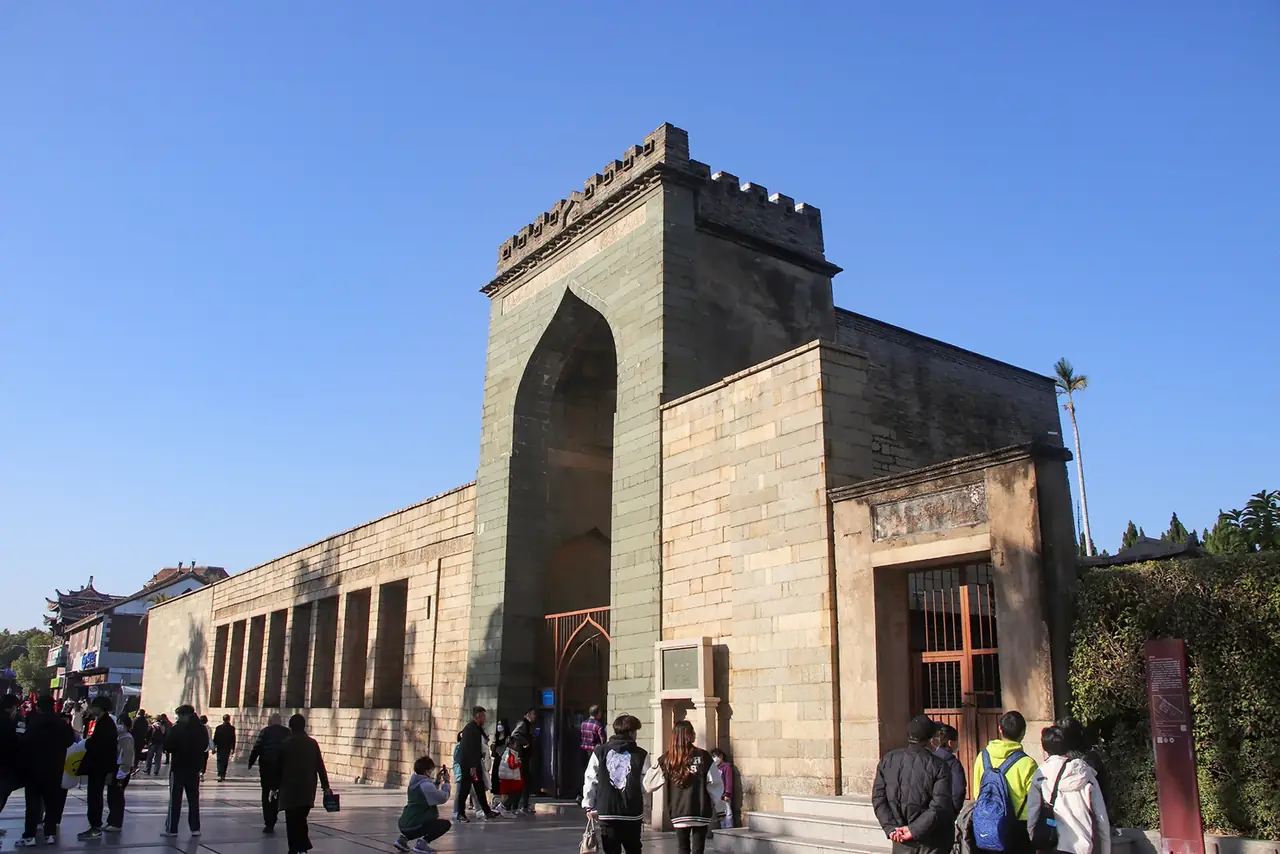
Ships carried people as well as goods. Merchants and residents from different regions traded, worshipped and lived in Quanzhou. Qingjing Mosque, Islamic tombs and other religious remains preserve evidence of this complex society.
Music and know-how tell another part of the story. Nanyin survives through performance; shipbuilding methods through craft transmission. The port was a place of continuing social life, not merely a point on a map.
04 / Continuity
The Song–Yuan peak passed, but overseas ties did not disappear. In the modern era Quanzhou became a significant home region for overseas Chinese. Letters, buildings, family networks and enterprise connected the city to other shores. This history has its own causes and should not be treated as a simple continuation of medieval trade.
Since economic reform, private and export-oriented enterprise has expanded industries such as textiles, footwear and building materials. The city still contains both historic bridges and temples and active production networks. Connection remains a useful question, even as its forms change.
02 / Urban system
The heritage lies in the relationships among production, movement, exchange and culture.
Ceramic and iron sites mark where traded goods began.
Bridges, roads and waterways linked the hinterland to the port.
Docks and institutions supported commerce.
Traveling communities brought beliefs and sounds.
03 / Selected exhibits
Open an exhibit to see how it supports the chapter.
The harbor makes sense as part of a system connecting inland China to maritime trade routes.
See references ↓Old bridges, stone docks and roads formed the city’s transport network.
See references ↓Founded in the 11th century, the mosque bears witness to communities shaped by sea trade.
See references ↓Ceramic and iron production sites show that voyages began with making things on land.
See references ↓Shipbuilding methods offer a way into the technological history of a maritime city.
See references ↓Nanyin lets us hear a cultural legacy that is not confined to buildings or objects.
See references ↓04 / IN ONE SENTENCE
05 / Sources
References support the historical facts, heritage information and city data used in this chapter. Photo creators, licenses and original files appear in the image credits.
Images resized and converted; display may be cropped.
Explore another
Related by geographic region and historical themes rather than random recommendation.
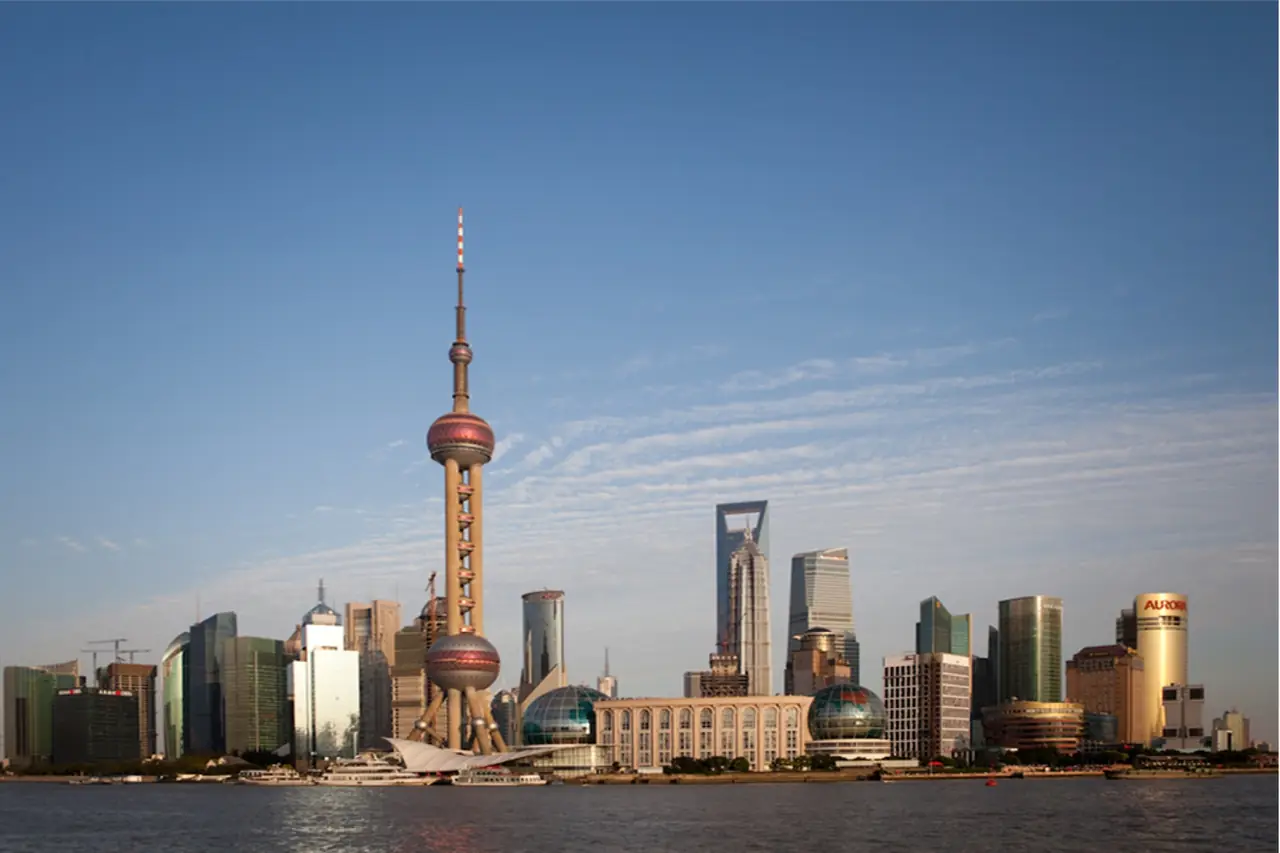
How did Shanghai organize constant arrivals into a world city?
Open chapter ↗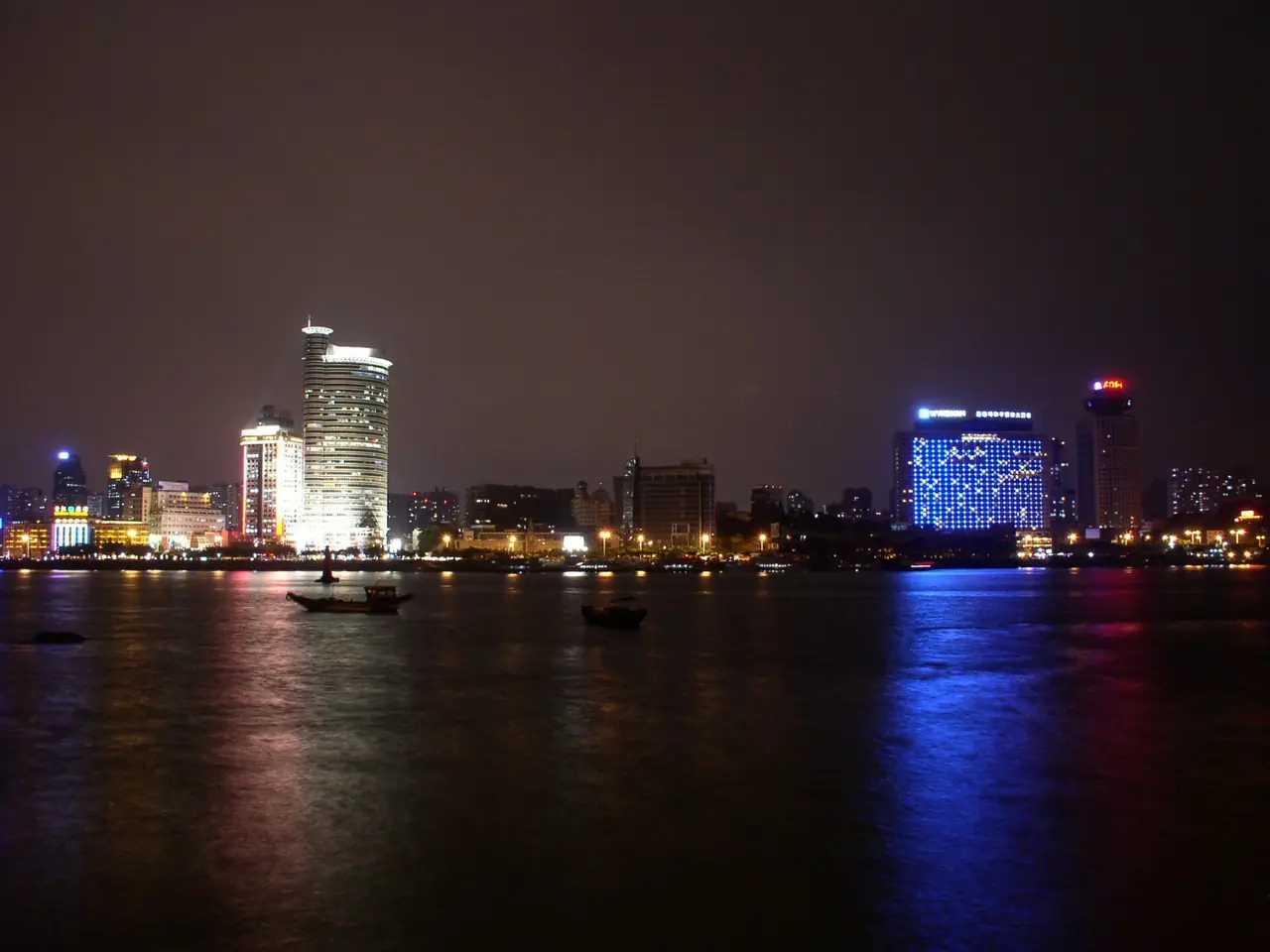
How did the strait and Southeast Asian diaspora enter Xiamen’s daily life?
Open chapter ↗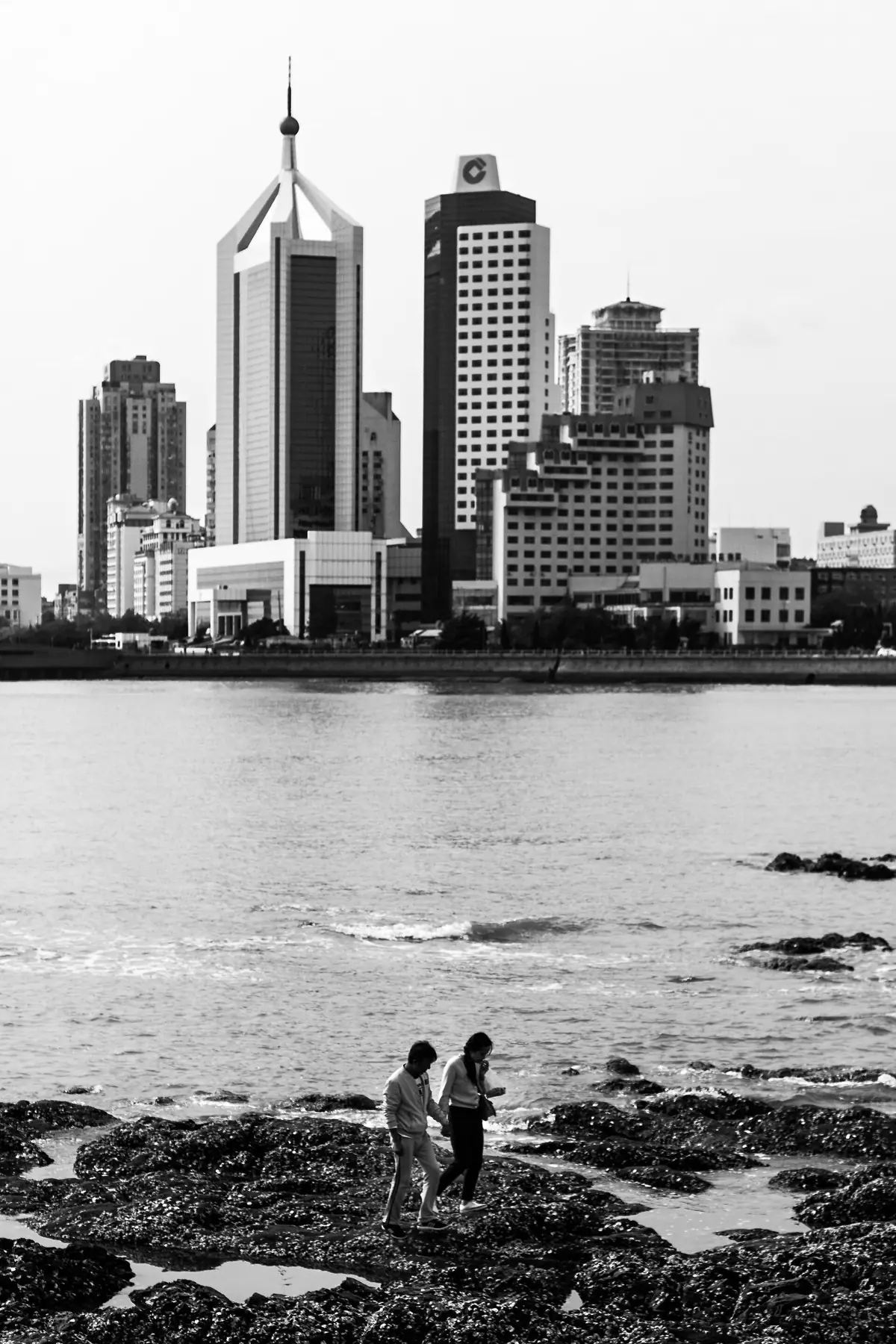
How did Qingdao turn an imposed port plan into its own urban life?
Open chapter ↗


