Why here
Dujiangyan stabilized the plain’s water and agriculture, sustaining dense urban life.
CITY ATLAS / 08
Ancient Shu sites, Dujiangyan, the Jin River and urban markets explain how the plain supported long urban growth.
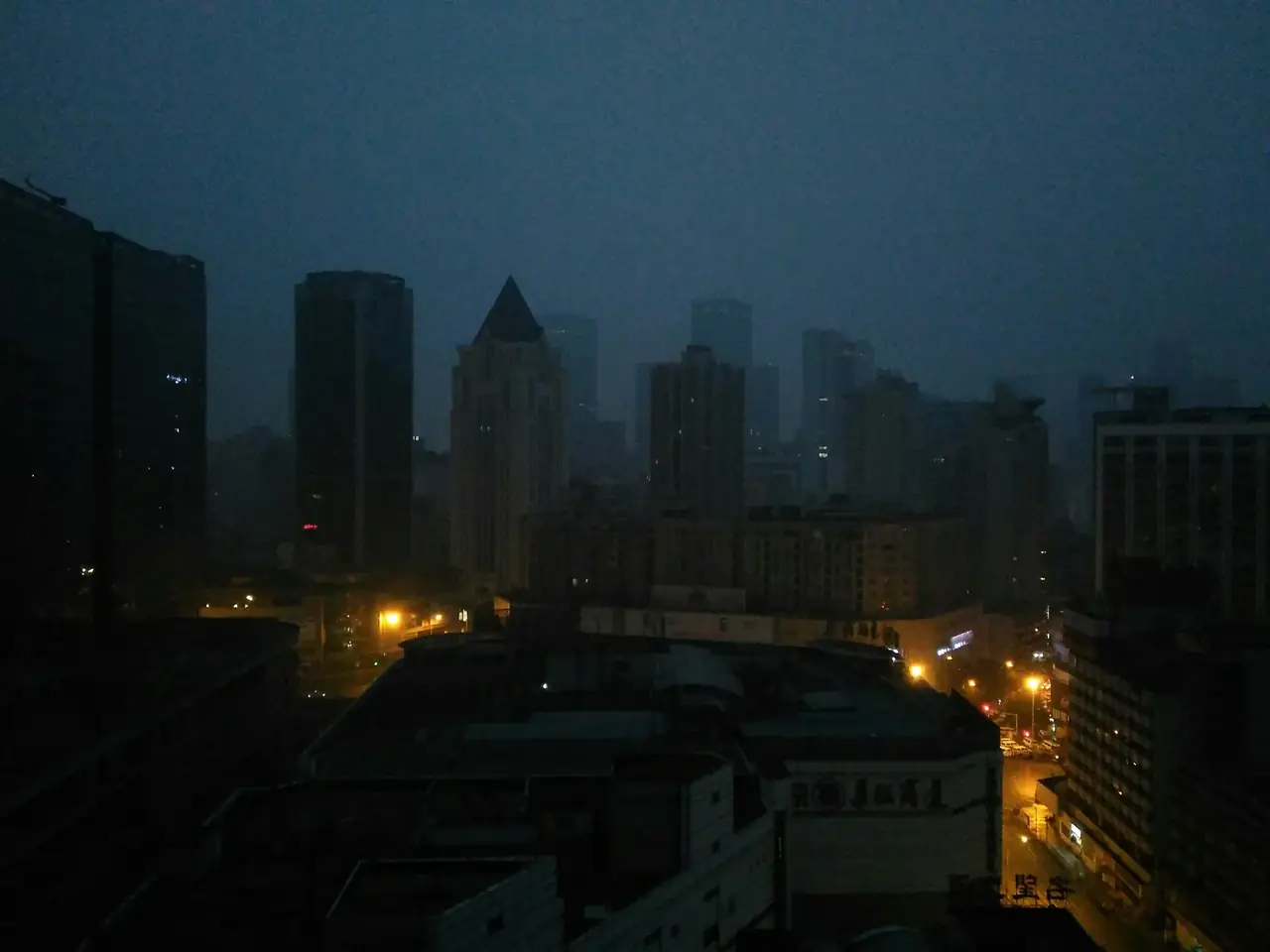
READING GUIDE
Start with the long-term force shaping the city, then move into chronology, urban systems and surviving evidence.
01 / Chapter
Dujiangyan regulates the Min River and irrigates the Chengdu Plain. Crafts, markets and neighborhoods grew on this agricultural base, while Jinsha preserves evidence of a much earlier regional center.
THREE LENSES / THREE LENSES
Geography sets conditions, turning points redirect the path, and daily life carries long memory.
Dujiangyan stabilized the plain’s water and agriculture, sustaining dense urban life.
Regional regimes, migrant rebuilding and modern transport repeatedly restored Chengdu’s southwestern centrality.
Teahouses, markets, parks and high-tech industry coexist within an open, measured public life.
CITY HISTORY / 城市时间
Chengdu’s history extends beyond its walls. Upstream irrigation, farming, craft and markets sustained the city together.
Regional centers formed on the plain.
Chengdu and the Dujiangyan system took shape.
Brocade production and markets grew.
Population, trade and culture flourished.
Roads, industry and public space changed.
Heritage and new industry coexist.
01 / Ancient Shu
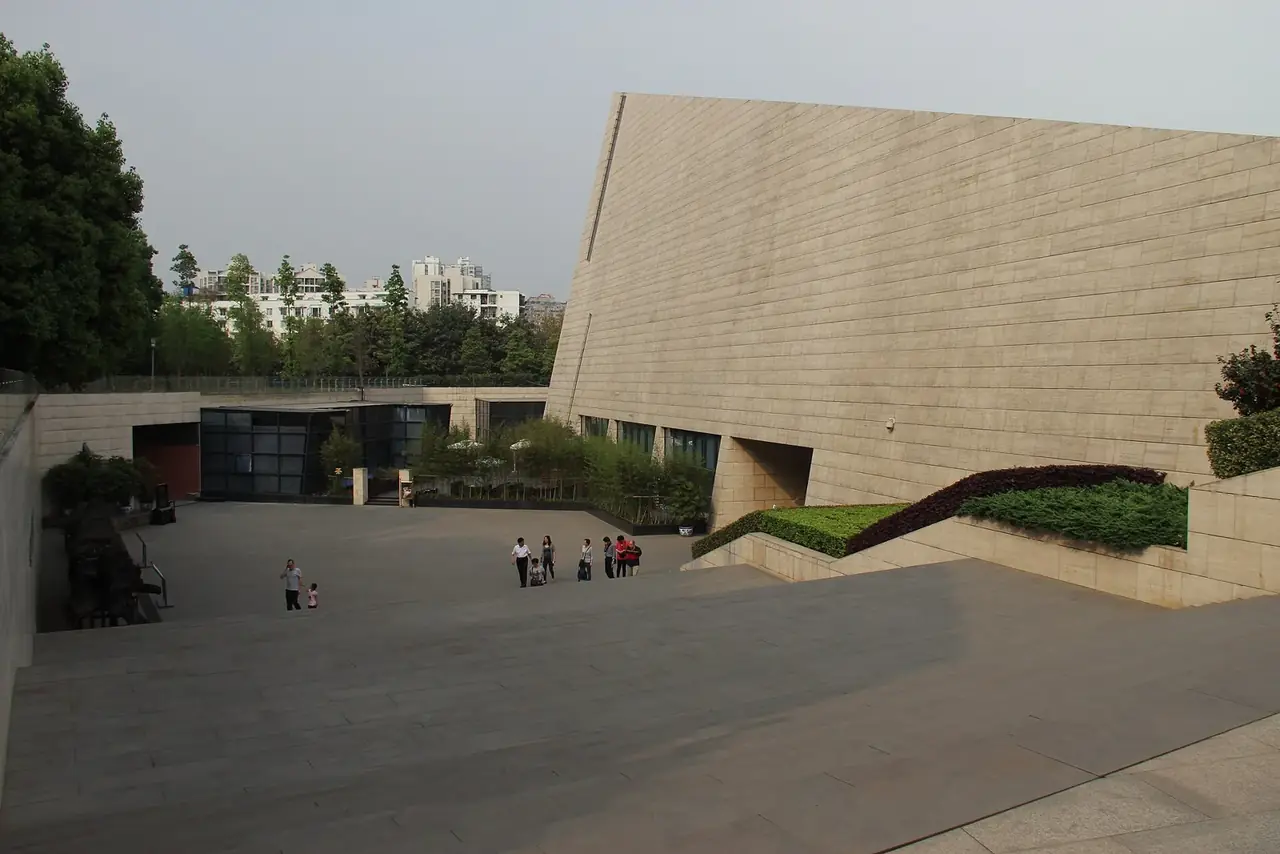
Building remains, ritual deposits, tombs and objects at Jinsha offer evidence of ancient Shu society. The plain already held a complex regional center before Qin and Han.
The archaeological site is not simply an earlier version of today’s city. It establishes a deep prehistory of settlement and resource organization.
02 / Water
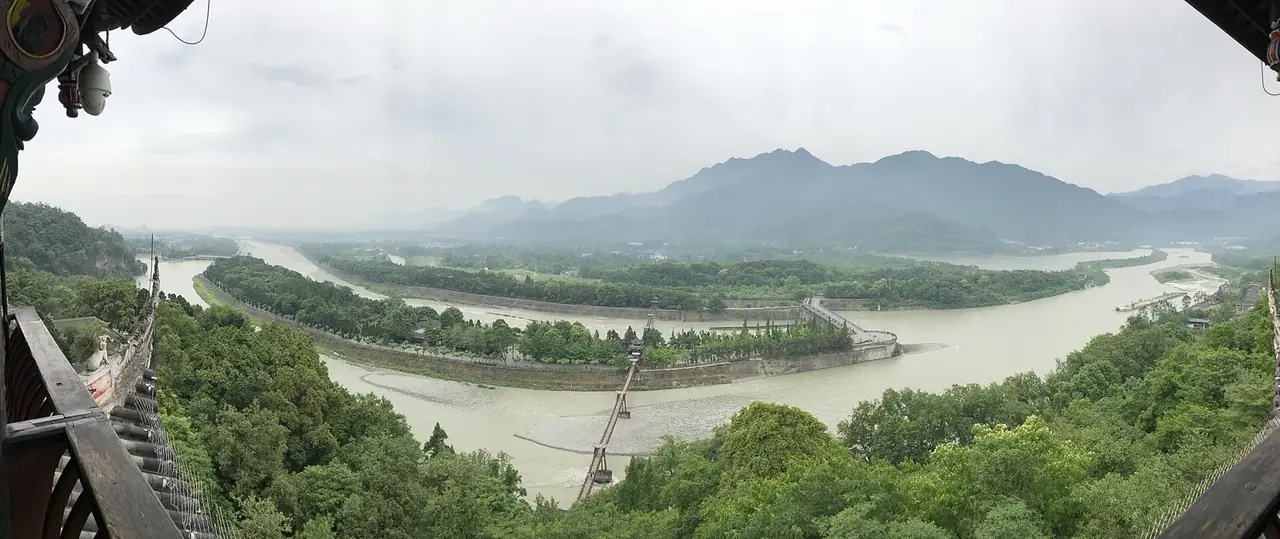
Dujiangyan uses terrain to divide flow, release floods and divert water without a dam across the river. Maintenance has kept irrigation working for generations.
Channels reach fields, farming supports population and craft, and annual repair turns engineering into continuing social cooperation.
03 / Production
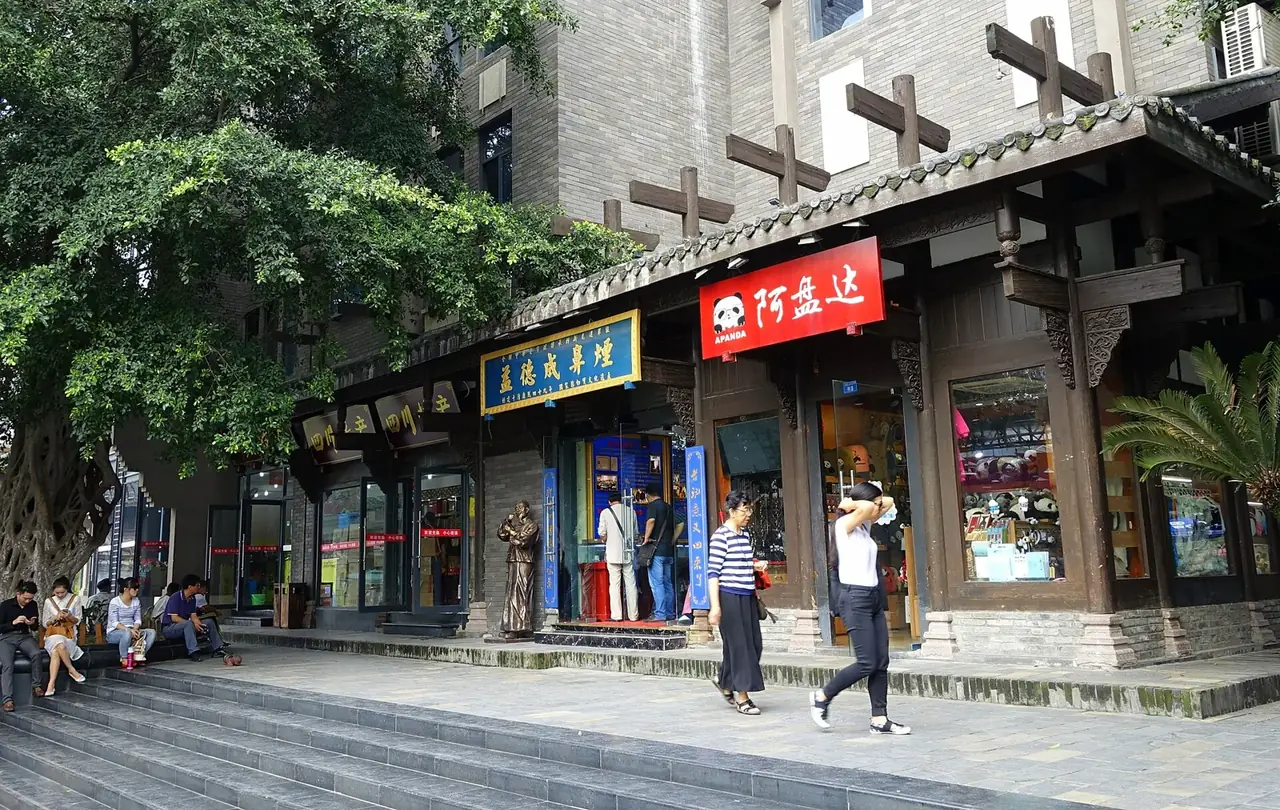
Shu brocade joined sericulture, dyeing, weaving and trade. The Jin River retains memories of this textile economy.
Tea houses, markets and food culture depend on supply, craft and public exchange. The relaxed image rests on dense work.
04 / Today
Modern Chengdu spreads across more of the plain. Transport, industry and population have changed, requiring different protections for lanes, archaeology and irrigation landscapes.
The city still depends on water, food supply and public space. Its history leaves a duty to maintain systems, not only monuments.
02 / Urban system
Engineering, farming, craft and consumption belong to one urban system.
Jinsha preserves evidence of an ancient Shu center.
Dujiangyan irrigates the plain.
Brocade and markets connect work to consumption.
Parks, neighborhoods and new industry reshape daily life.
03 / Selected exhibits
Open an exhibit to see how it supports the chapter.
Ritual deposits and objects reveal part of ancient Shu society.
See references ↓A diversion system regulates flow and irrigates the plain.
See references ↓Weaving connects material, skill and market.
See references ↓Courtyards and lanes preserve a later urban scale.
See references ↓04 / IN ONE SENTENCE
05 / Sources
References support the historical facts, heritage information and city data used in this chapter. Photo creators, licenses and original files appear in the image credits.
Images resized and converted; display may be cropped.
Explore another
Related by geographic region and historical themes rather than random recommendation.
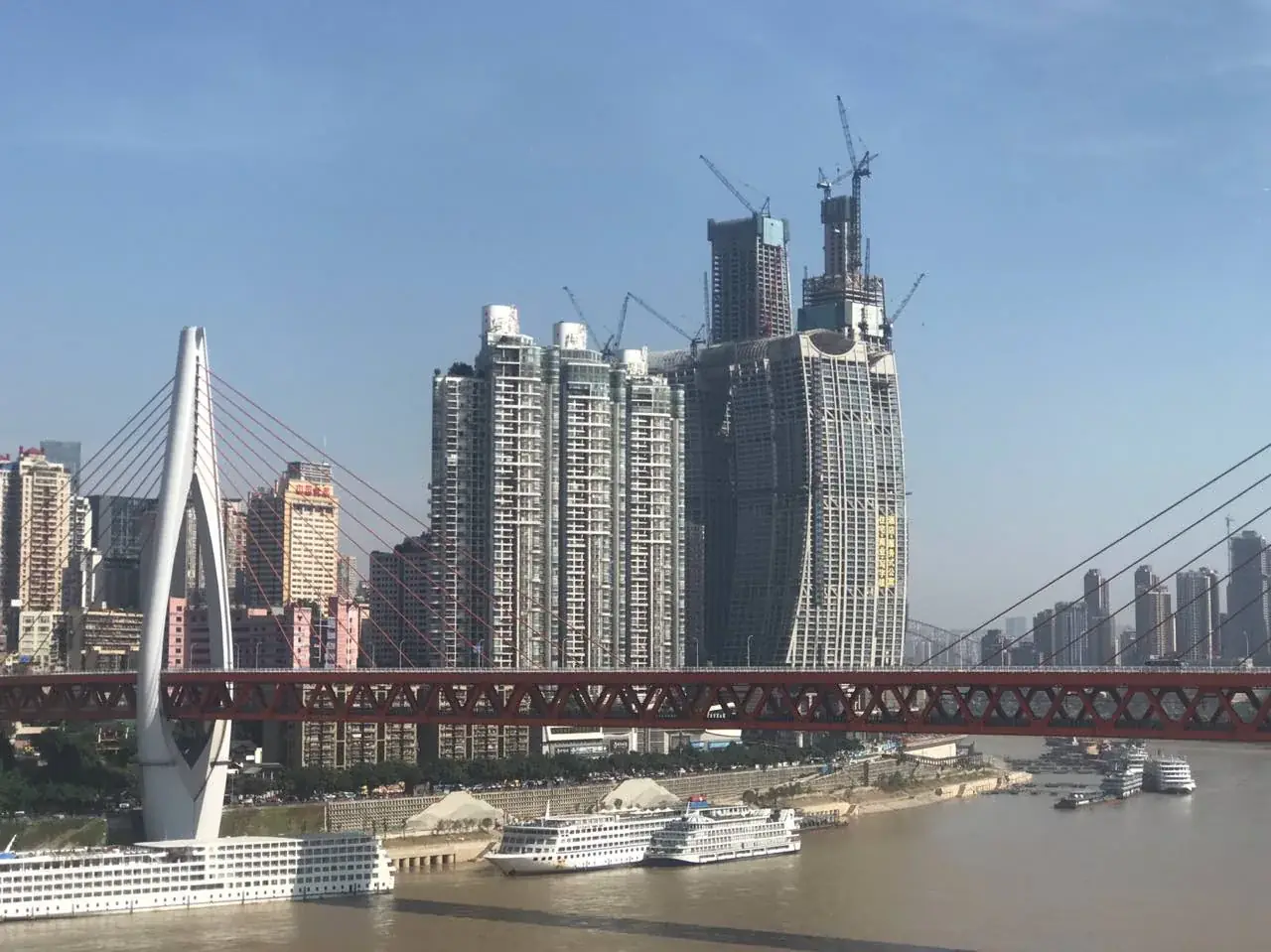
How did Chongqing turn steep terrain into a city of arrival?
Open chapter ↗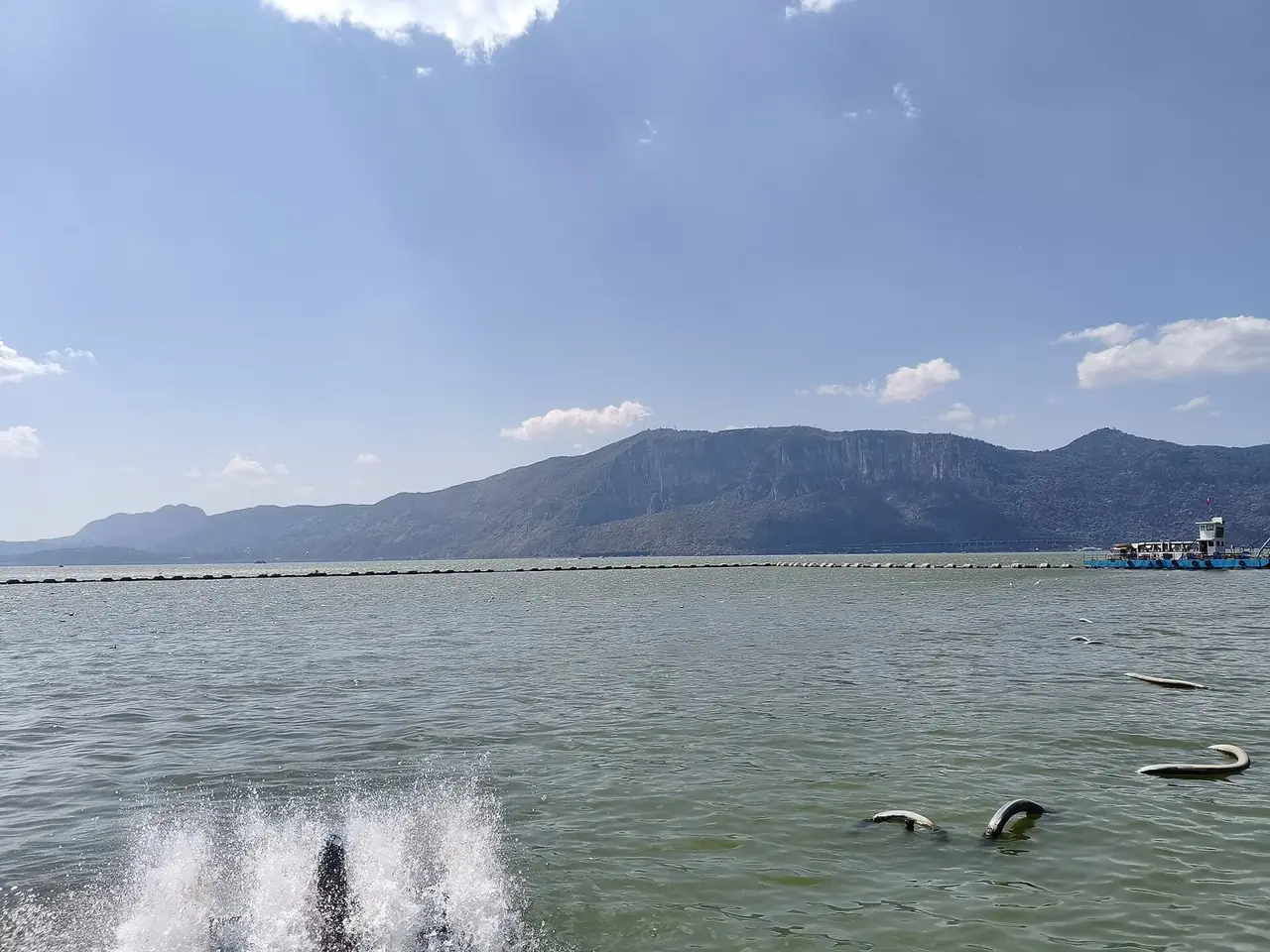
How did Kunming become a gateway between the plateau and southern worlds?
Open chapter ↗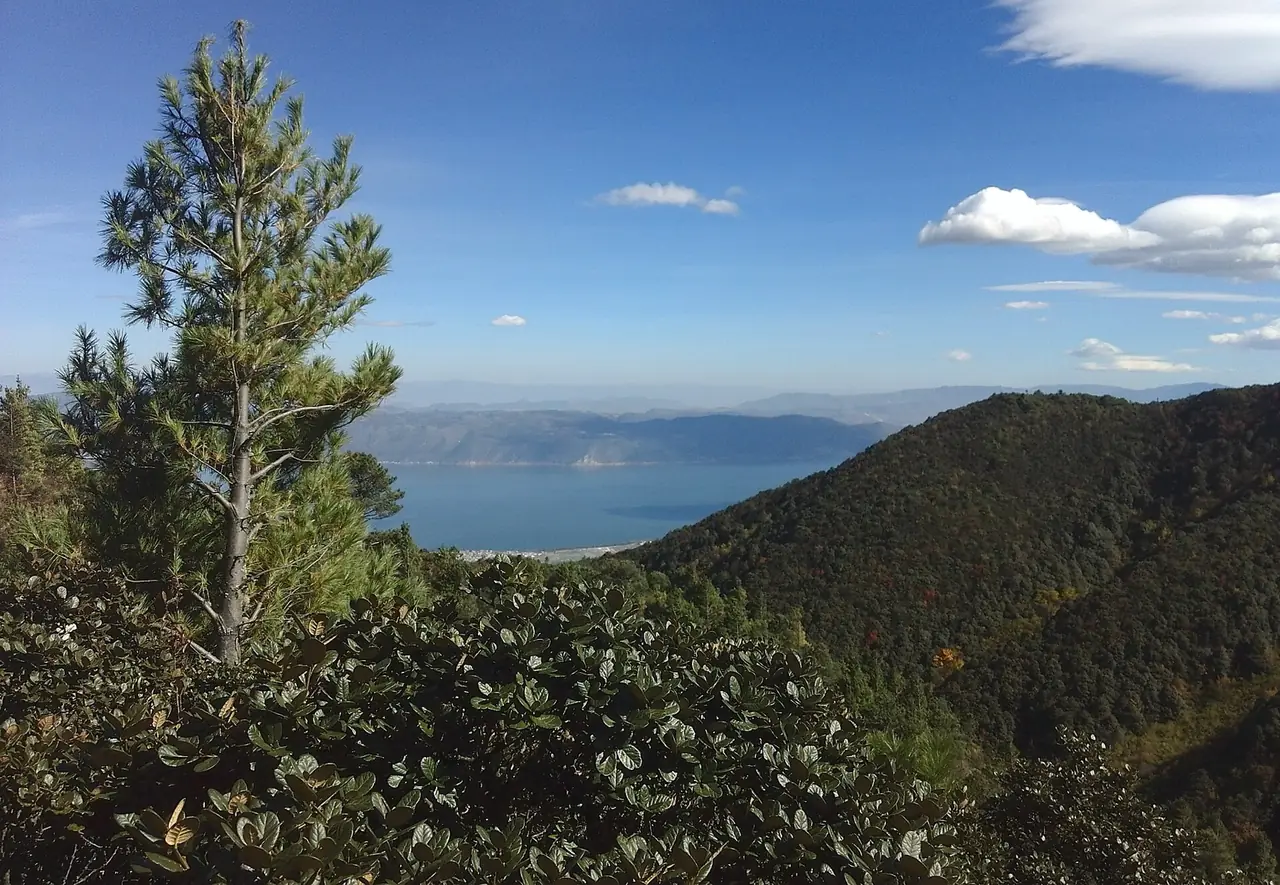
How did a highland lake basin sustain Dali as a cultural center across centuries?
Open chapter ↗


