Why here
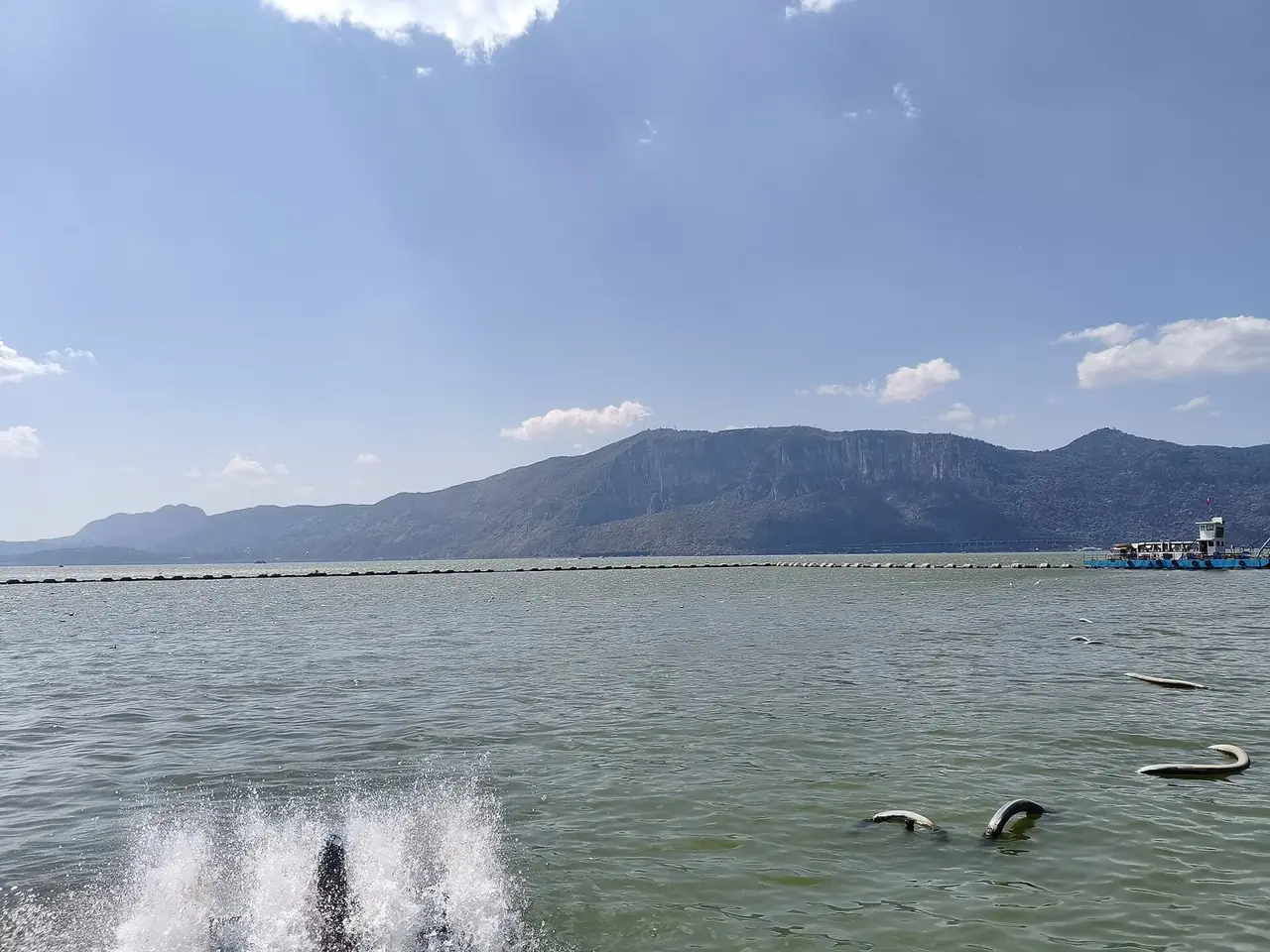
The plateau lake basin moderates climate and concentrates central Yunnan’s movement and farming around Dianchi.
CITY ATLAS / 12
Ancient Dian culture, successive cities, modern rail, wartime migration and cross-border routes all developed around the Dianchi basin.
READING GUIDE
Start with the long-term force shaping the city, then move into chronology, urban systems and surviving evidence.
01 / Chapter
Dianchi supported settlement and farming while imposing an ecological limit. Successive governments built in the basin; railways and wartime routes connected Kunming more deeply to China and Southeast Asia.
THREE LENSES / THREE LENSES
Geography sets conditions, turning points redirect the path, and daily life carries long memory.
The plateau lake basin moderates climate and concentrates central Yunnan’s movement and farming around Dianchi.
The Yunnan–Vietnam Railway, wartime routes and aviation reinforced Kunming’s southwestern gateway role.
Multiethnic markets, floriculture and lake restoration together define today’s plateau city.
CITY HISTORY / 城市时间
The plateau lake provides water, fields and routes while reminding the city that growth has ecological limits.
A regional culture formed around the lake.
Nanzhao built Tuodong.
Zhongqing became a provincial center.
A new walled city and streets were built.
The Yunnan–Vietnam Railway opened.
Transport, migration, education and ecology reshaped the city.
01 / Lake
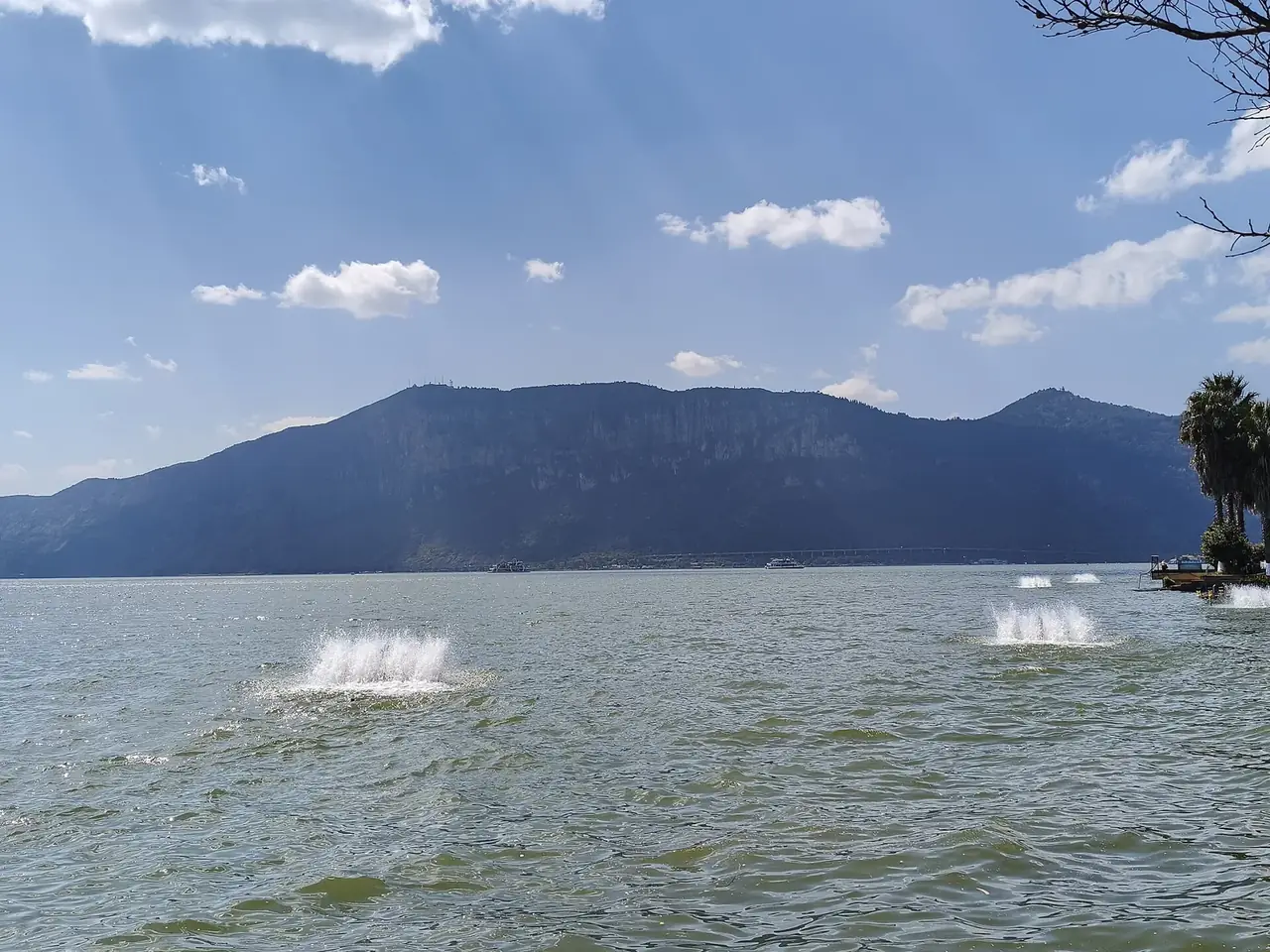
The basin supported farming, fishing and settlement. Ancient Dian tombs and bronzes reveal a complex society and long-distance exchange.
The lake also has limits. Modern pollution and restoration show why treating it only as scenery misses a condition of urban survival.
02 / City building
Tuodong, Shanchan, Zhongqing and the Ming city belonged to different political and planning phases. They changed within the basin rather than continuing unchanged.
Names, streets and remains preserve fragments. Historical cities can be covered, rebuilt and renamed.
03 / Transport
The Yunnan–Vietnam Railway connected Kunming to Haiphong, changing the movement of goods, people and ideas within a history of colonial expansion.
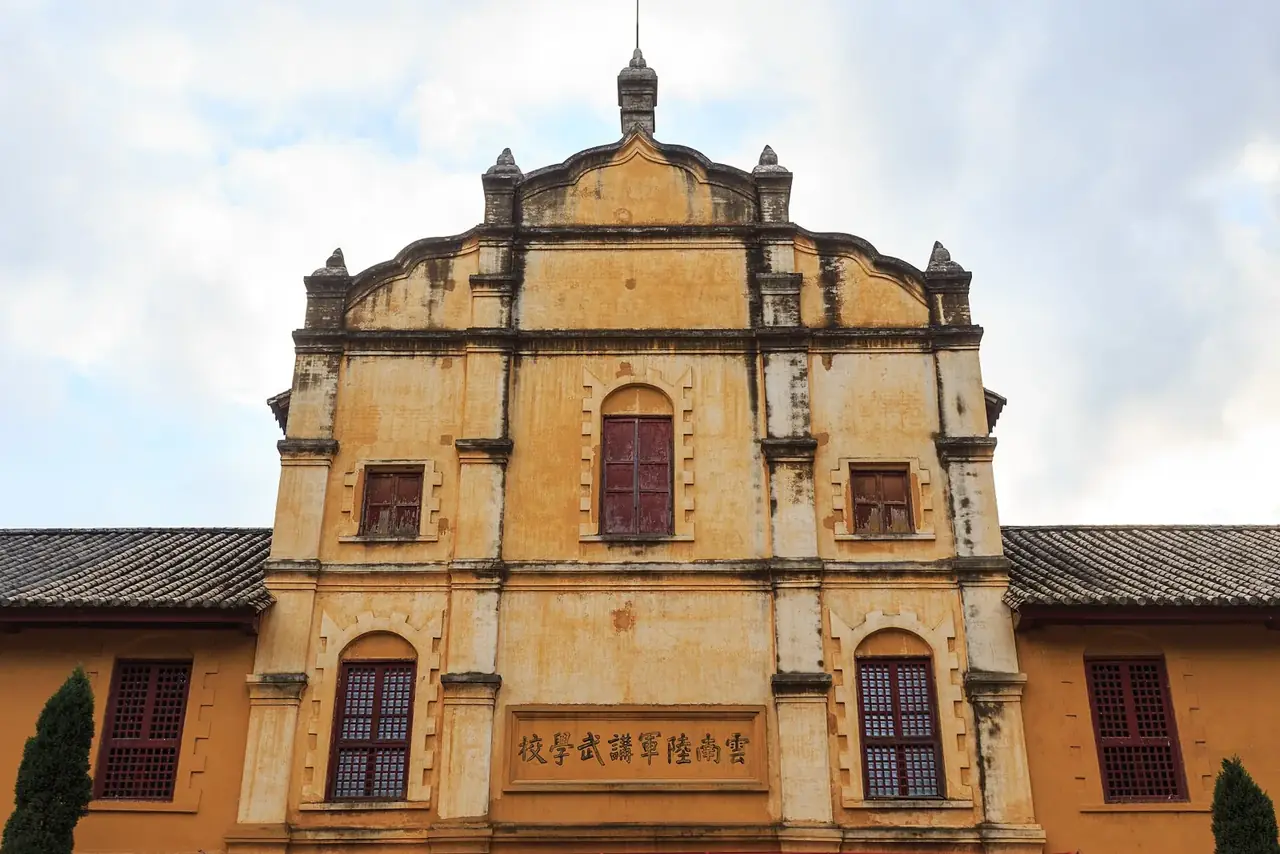
During the war, southwest transport and air routes became vital, while schools, institutions and migrants arrived. Openness carried risk as well as exchange.
04 / Today
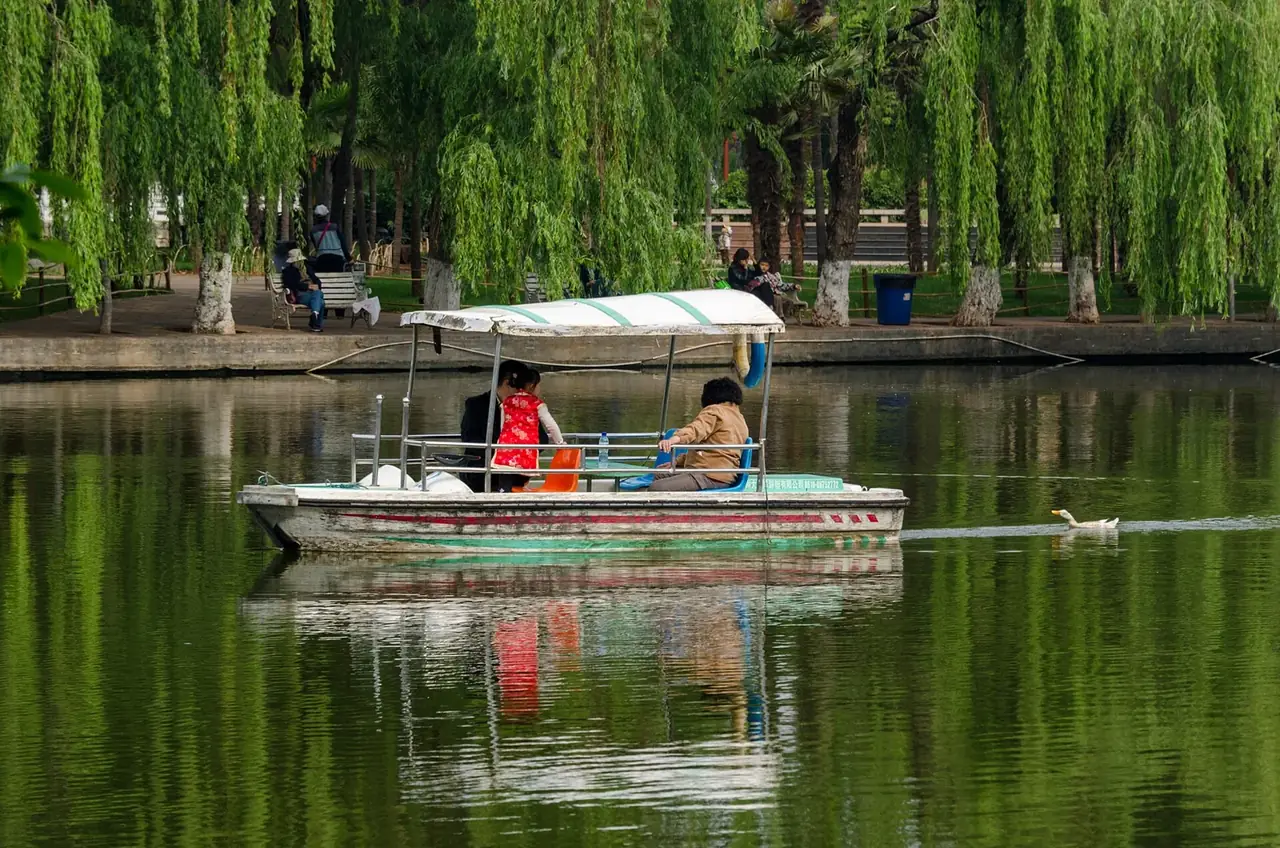
Rail, road and air now connect Kunming with China, South and Southeast Asia. The Dounan flower market turns plateau climate into a national supply network.
Transport growth and Dianchi restoration must advance together. The city’s future depends on balancing gateway functions, daily life and ecology.
02 / Urban system
Ecological repair and transport openness both shape Kunming today.
Ancient Dian remains survive around the basin.
Successive urban centers shifted within the plain.
Modern transport changed trade and movement.
Rail and air connect South and Southeast Asia.
03 / Selected exhibits
Open an exhibit to see how it supports the chapter.
Objects and tombs reveal early societies around the lake.
See references ↓The lake supports life and demands ecological care.
See references ↓Education, war and migration shaped modern Kunming.
See references ↓Rail connects the plateau to southern networks.
See references ↓04 / IN ONE SENTENCE
05 / Sources
References support the historical facts, heritage information and city data used in this chapter. Photo creators, licenses and original files appear in the image credits.
Images resized and converted; display may be cropped.
Explore another
Related by geographic region and historical themes rather than random recommendation.
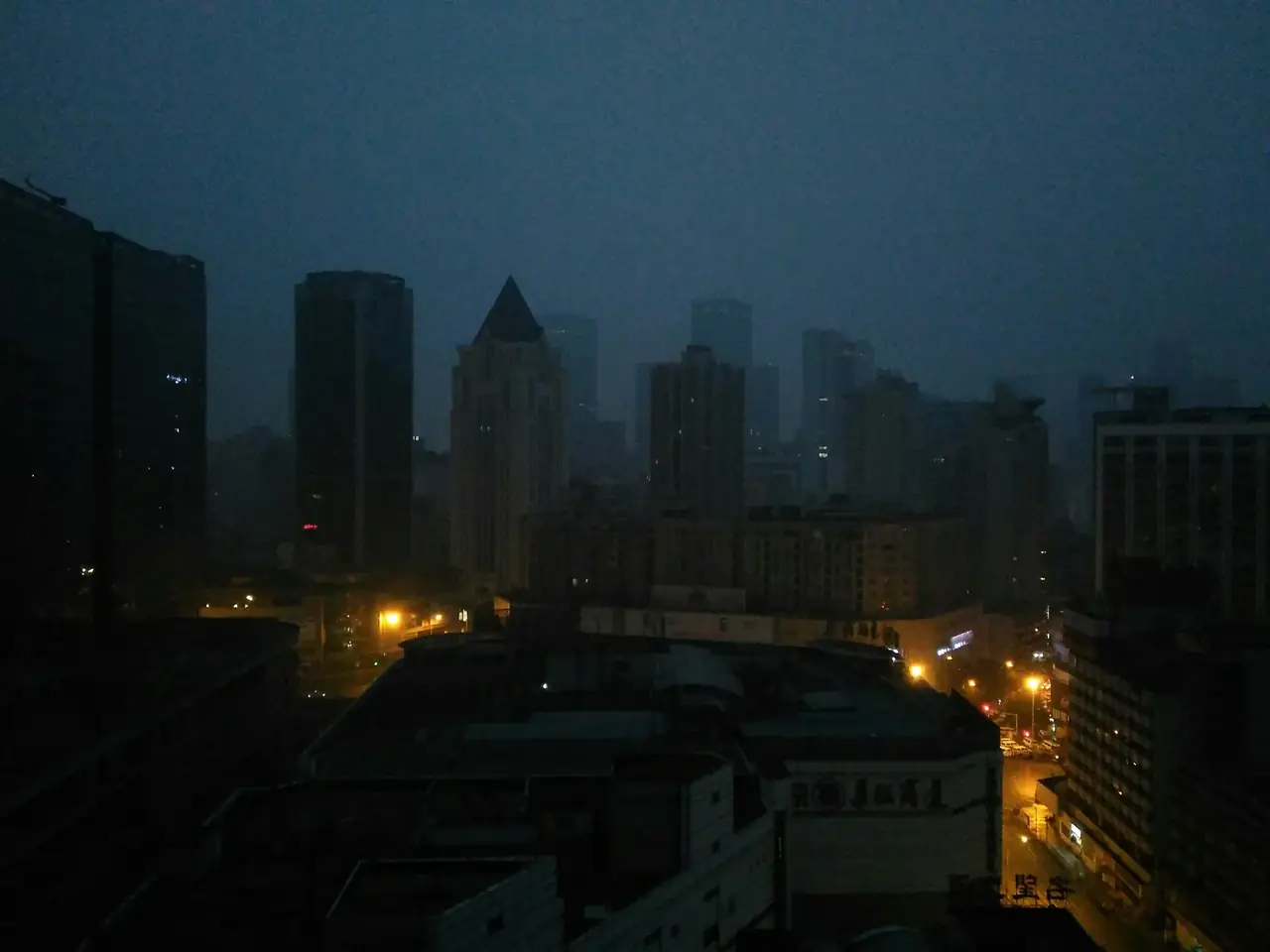
How did water management and markets sustain Chengdu?
Open chapter ↗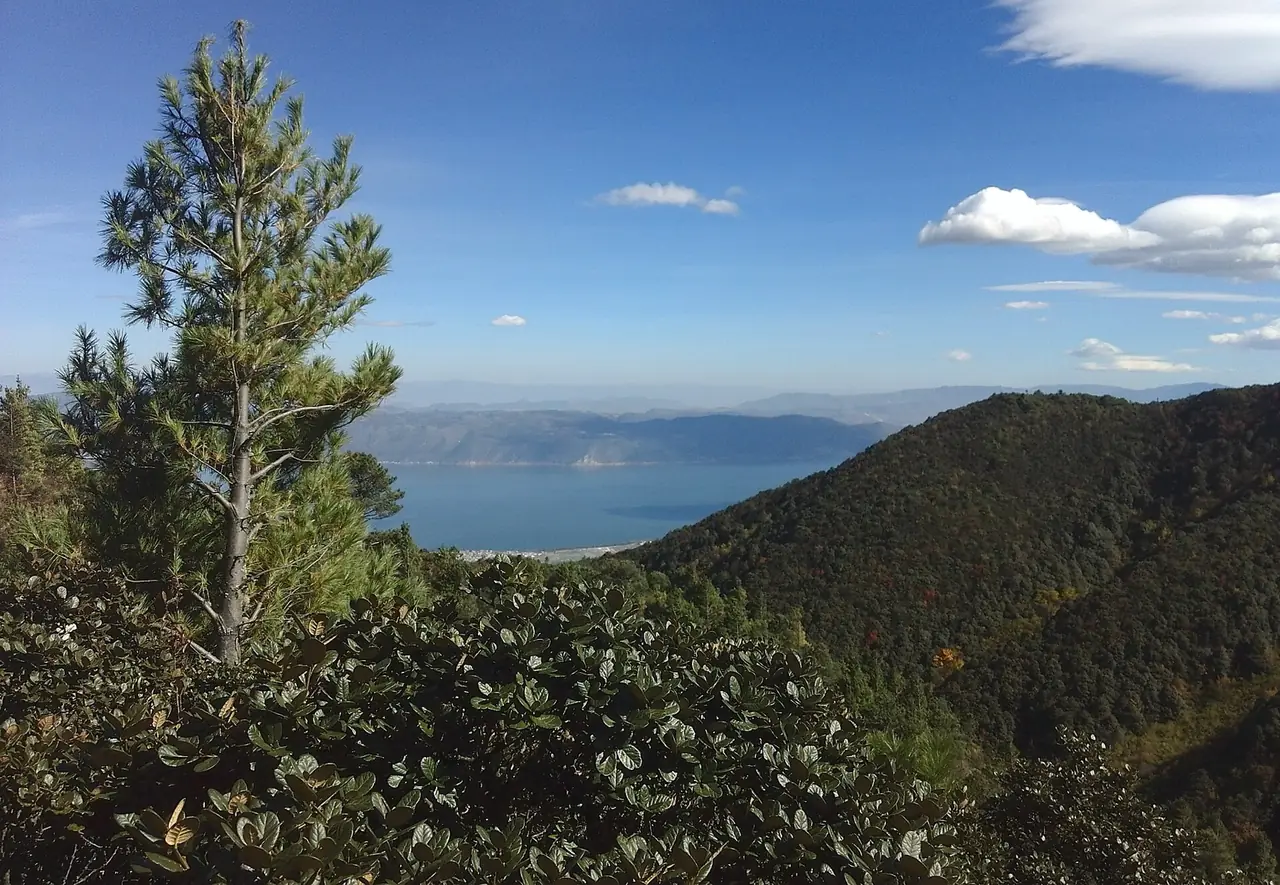
How did a highland lake basin sustain Dali as a cultural center across centuries?
Open chapter ↗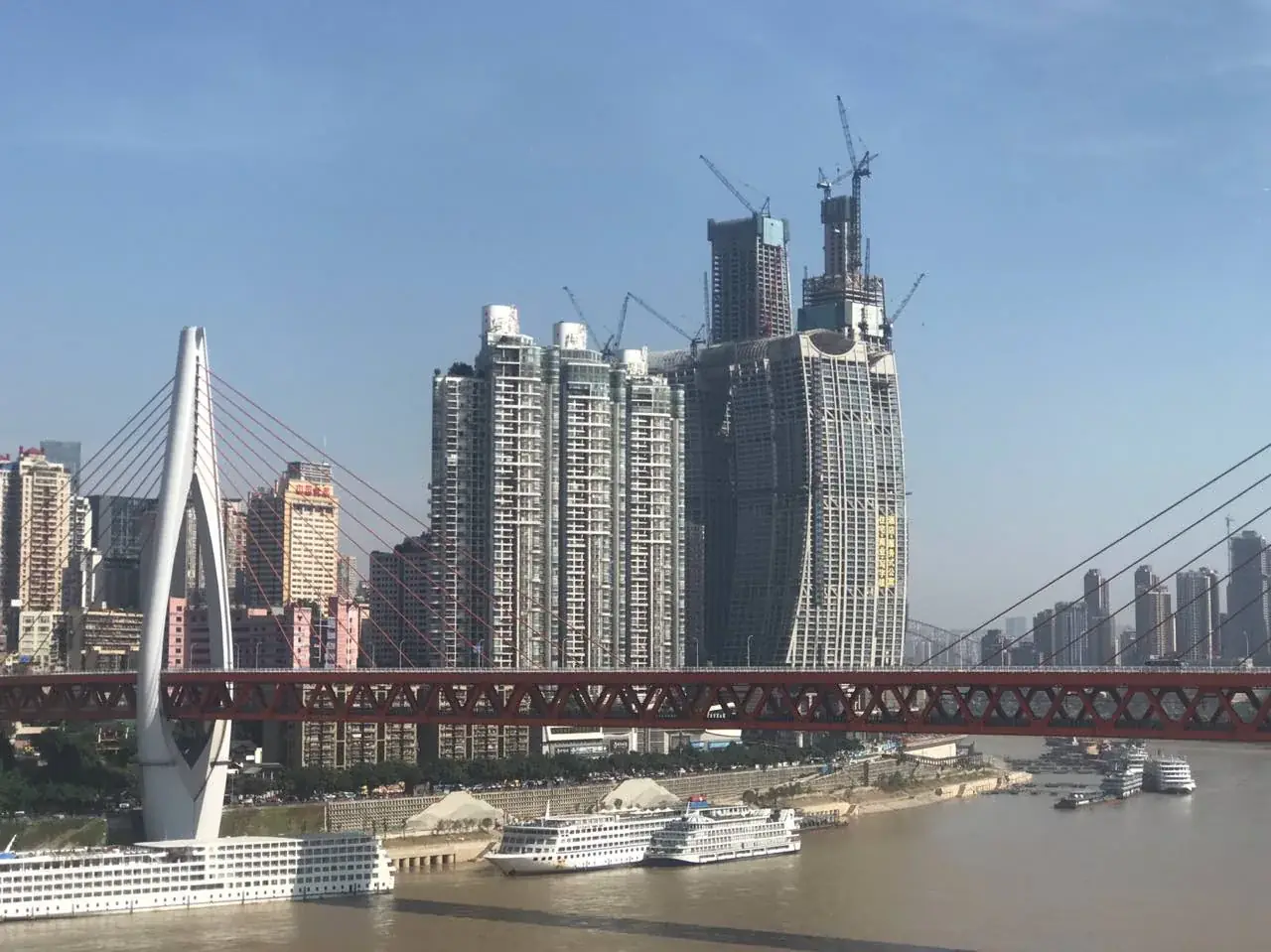
How did Chongqing turn steep terrain into a city of arrival?
Open chapter ↗


