Why here
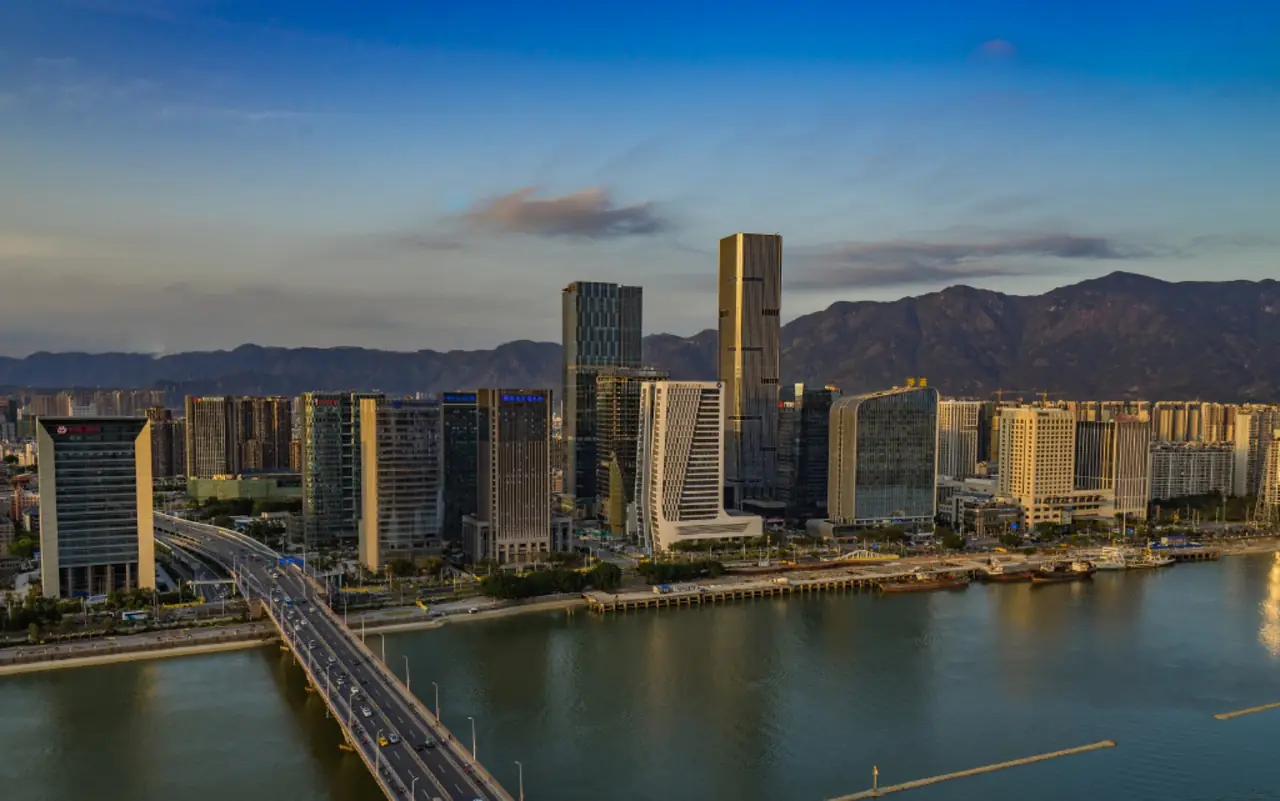
The Min basin links Fujian’s mountain hinterland with the estuary, orienting the city inland and seaward.
CITY ATLAS / 26
The Min River carried inland goods seaward; Three Lanes and Seven Alleys, the Mawei Arsenal, diaspora networks and craft form one mountain–sea city.
READING GUIDE
Start with the long-term force shaping the city, then move into chronology, urban systems and surviving evidence.
01 / Chapter
The Min basin gave Fuzhou a hinterland and a route to sea. The urban fabric retained in Three Lanes and Seven Alleys traces a long history. Treaty-port opening and the Mawei Arsenal introduced industry, naval training and translation; migrants, remittances and modern ports expanded global ties.
THREE LENSES / THREE LENSES
Geography sets conditions, turning points redirect the path, and daily life carries long memory.
The Min basin links Fujian’s mountain hinterland with the estuary, orienting the city inland and seaward.
Treaty-port opening and the Mawei Arsenal brought shipbuilding, education, translation and naval technology.
Three Lanes and Seven Alleys, diaspora networks and craft preserve memories of departure and return.
CITY HISTORY / 城市时间
Fuzhou is not a choice between tradition and modernity. Its mountain hinterland, historic lanes, modern industry and overseas networks must be read together.
The Minyue kingdom established a capital in the Fuzhou basin.
The city expanded and its ward-and-lane structure developed.
Shipping, shipbuilding, printing and education grew.
Fuzhou opened as a treaty port.
The Fujian Arsenal at Mawei combined yard, schools and naval organization.
Diaspora, industry and coastal ports expanded urban networks.
01 / Geography
The Min River gathers mountain waters, crosses the basin and reaches the sea through Mawei. Timber, tea, grain and people moved with it.
Flood, tide and river management continually affect banks, docks and settlement.
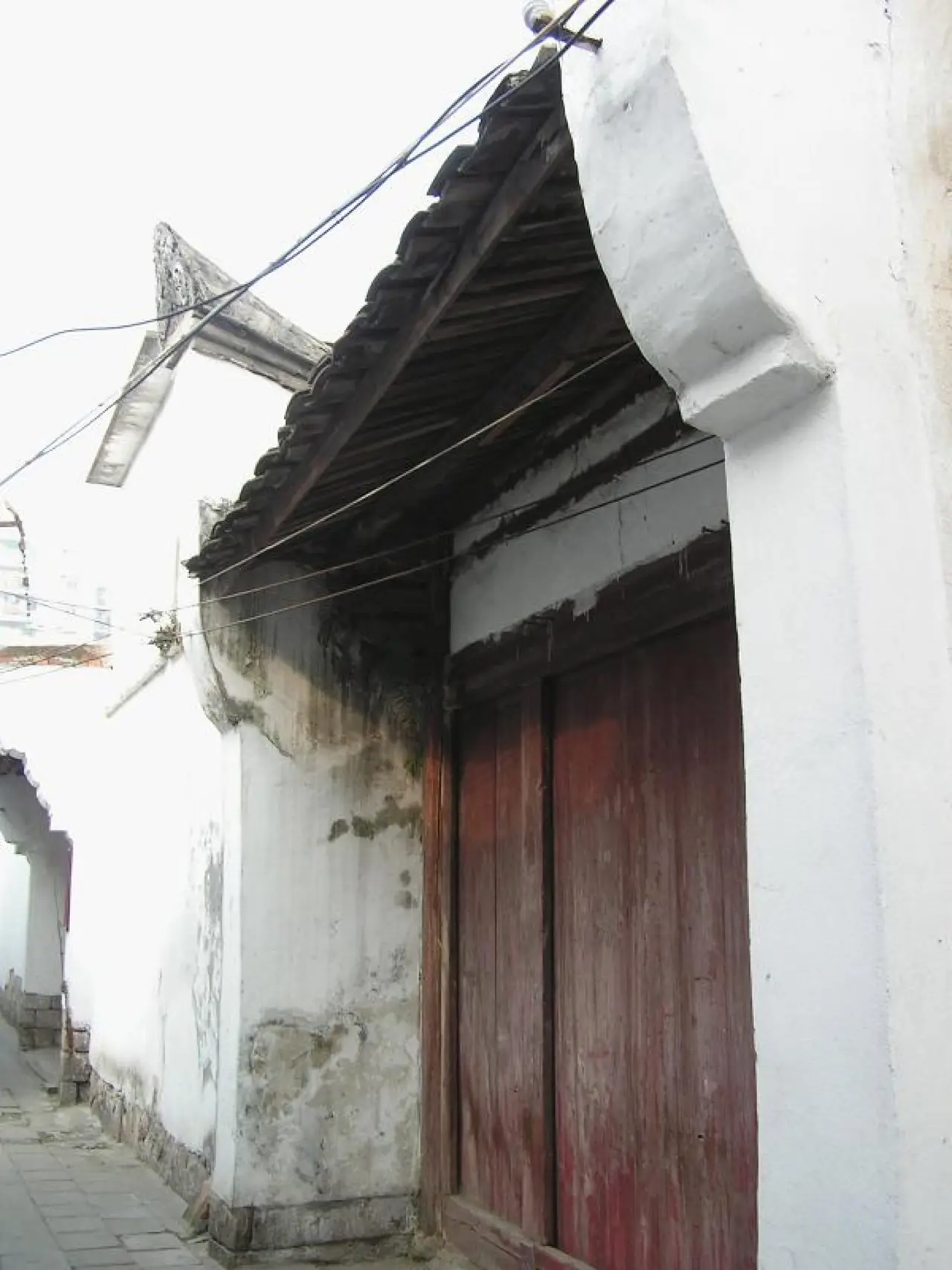
02 / Lanes
The district retains long traces of ward planning, courtyards, kinship and literati residence.
It was never sealed from the world: figures from these lanes entered education, diplomacy, publishing and reform.
03 / Arsenal
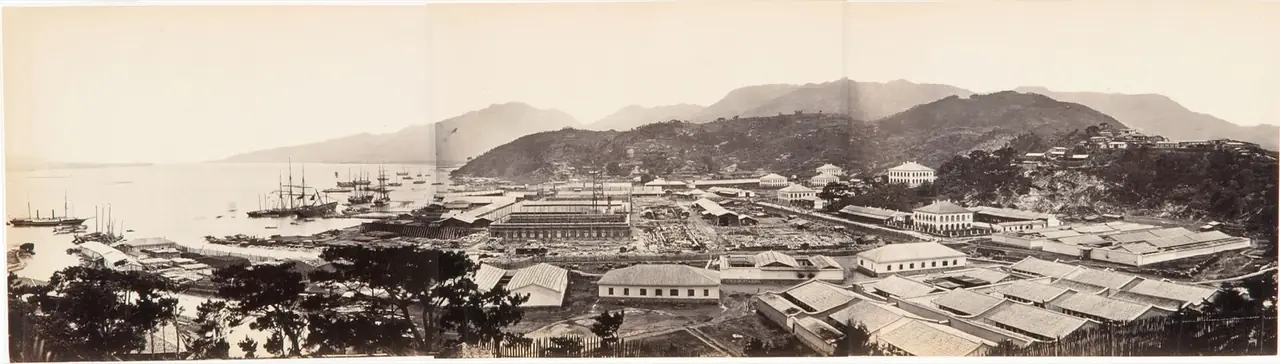
The Fujian Arsenal organized shipyard, dock, schools, translation and naval training. It embodied innovation alongside wartime destruction and institutional limits.
Technology includes students, artisans, translators and knowledge movement—not machines alone.
04 / Diaspora
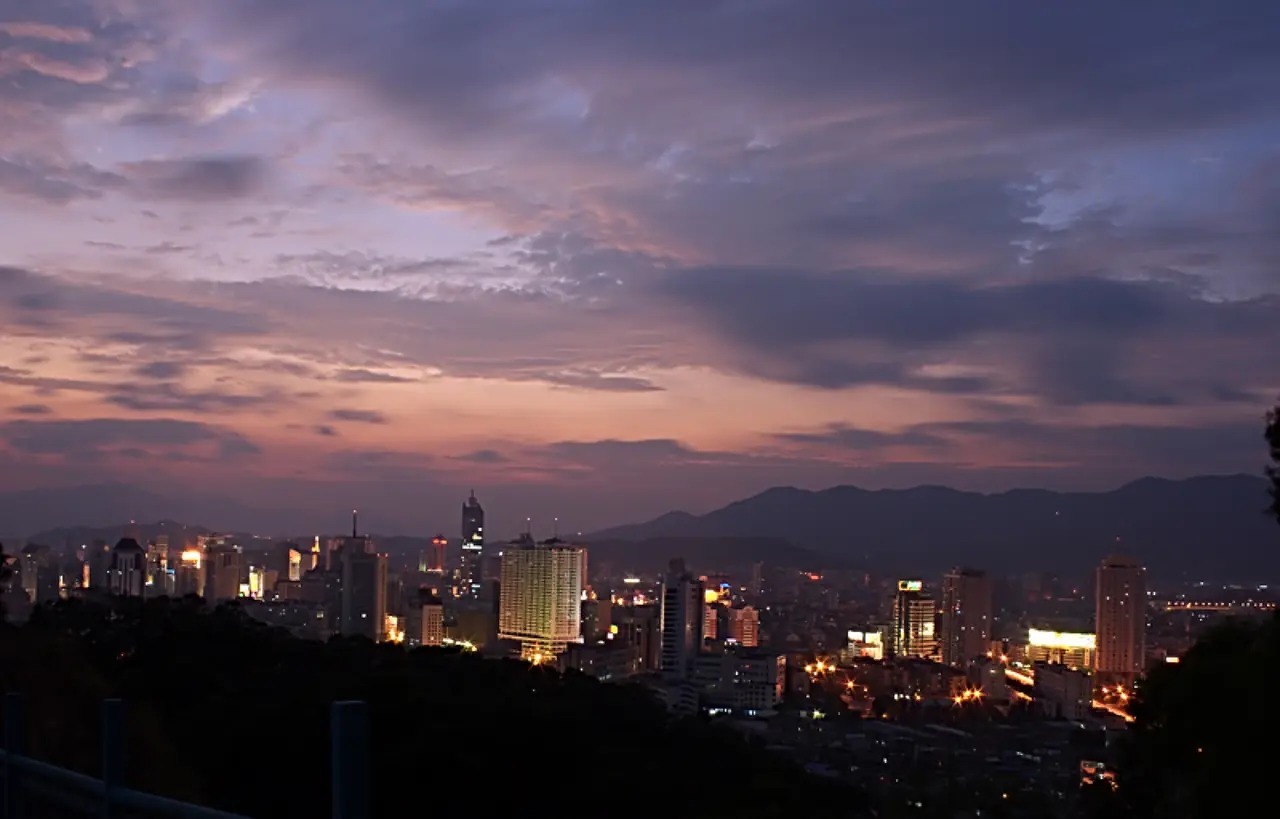
Overseas communities returned money, houses, schools, food and language to local life.
Ports, renewal and living-heritage protection still ask how movement can strengthen place without flattening it.
02 / Urban system
The historic quarter belongs on the same map as the Min River, Mawei, coastal ports and overseas communities.
The Min linked mountain produce, settlements and the estuary.
Ward patterns and courtyard houses retained social structure.
Shipbuilding, naval education and translation introduced new technology.
Migration and ports placed local life in global networks.
03 / Selected exhibits
Open an exhibit to see how it supports the chapter.
Lanes and courtyards preserve urban form and literati life.
See references ↓The river joined inland production, shipyards and sea routes.
See references ↓Yards, schools and docks record modern technical experiments.
See references ↓Material, market and apprenticeship sustain local skills.
See references ↓04 / IN ONE SENTENCE
05 / Sources
References support the historical facts, heritage information and city data used in this chapter. Photo creators, licenses and original files appear in the image credits.
Images resized and converted; display may be cropped.
Explore another
Related by geographic region and historical themes rather than random recommendation.
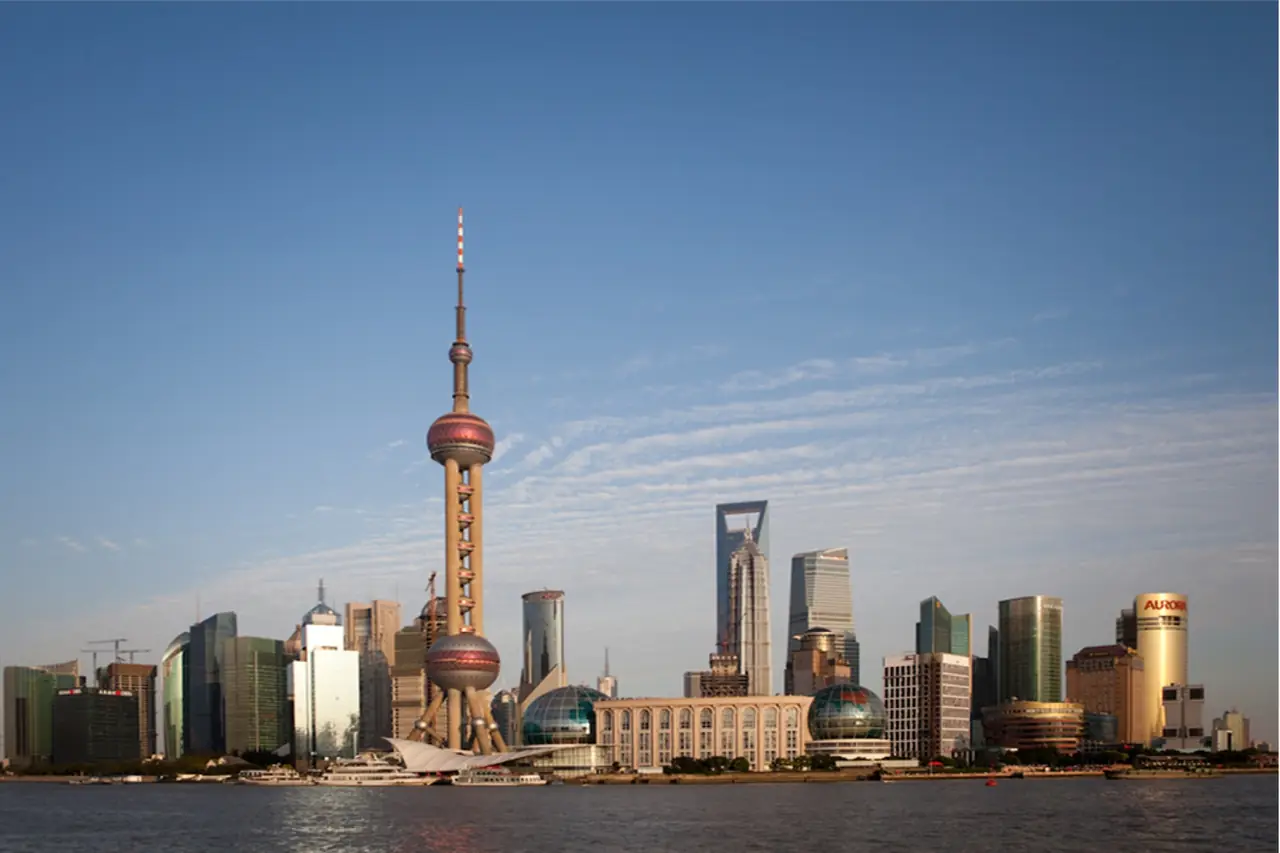
How did Shanghai organize constant arrivals into a world city?
Open chapter ↗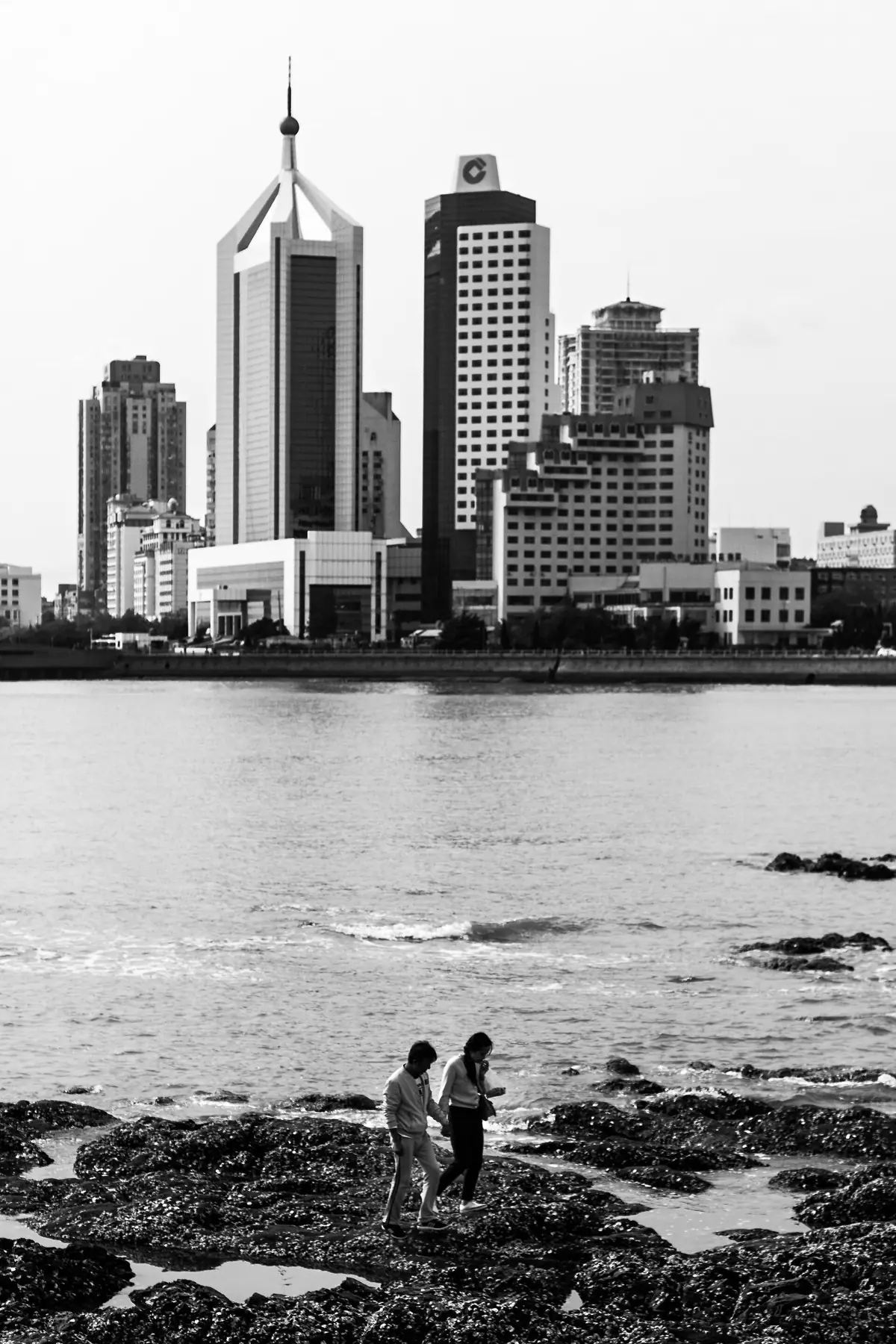
How did Qingdao turn an imposed port plan into its own urban life?
Open chapter ↗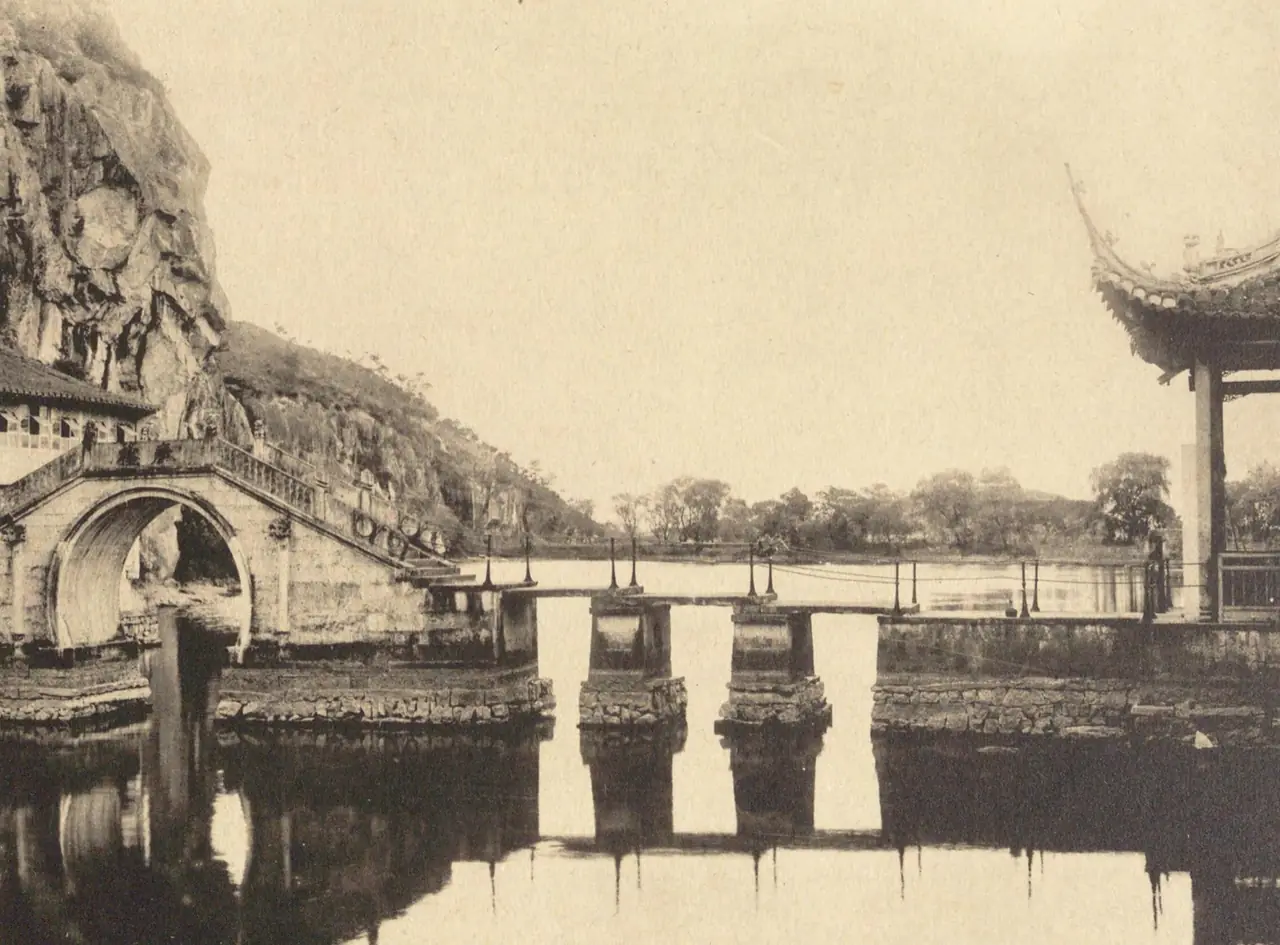
How does Shaoxing make a dense water network carry production, memory and daily urban life?
Open chapter ↗


