Why here
The Yangtze estuary and Huangpu channel connect China’s interior with global shipping.
CITY ATLAS / 13
Delta waterways, treaty-port trade, migration, industry and Pudong together shaped the city’s pace and public life.
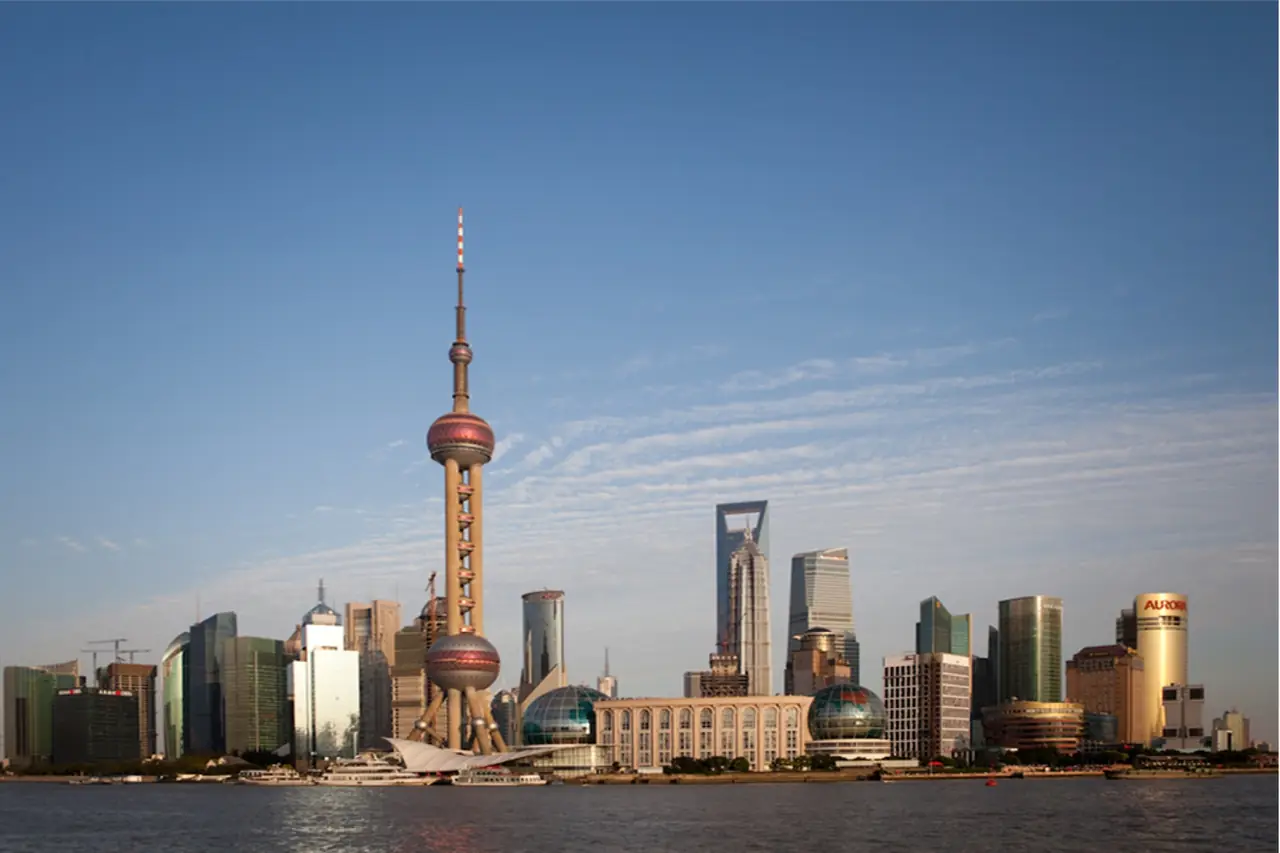
READING GUIDE
Start with the long-term force shaping the city, then move into chronology, urban systems and surviving evidence.
01 / Chapter
A Jiangnan county and market towns preceded the treaty port. After 1843, foreign settlements, trade and migration redrew space. Industry, workers’ neighborhoods, publishing, cinema and Pudong repeatedly shifted the urban center.
THREE LENSES / THREE LENSES
Geography sets conditions, turning points redirect the path, and daily life carries long memory.
The Yangtze estuary and Huangpu channel connect China’s interior with global shipping.
Treaty-port opening, concessions, industrialization and reform successively remade institutions and population.
Lilong, the Bund, converted factories and Pudong preserve several modernities side by side.
CITY HISTORY / 城市时间
Shanghai grew through repeated arrivals: the port offered opportunity, institutions drew borders, and residents turned movement into daily life.
Shanghai County was established.
The treaty port opened.
Settlements, migration and industry expanded.
Publishing, film and labor politics gained national reach.
Industry and workers’ housing reshaped the city.
Pudong and metro lines shifted the center.
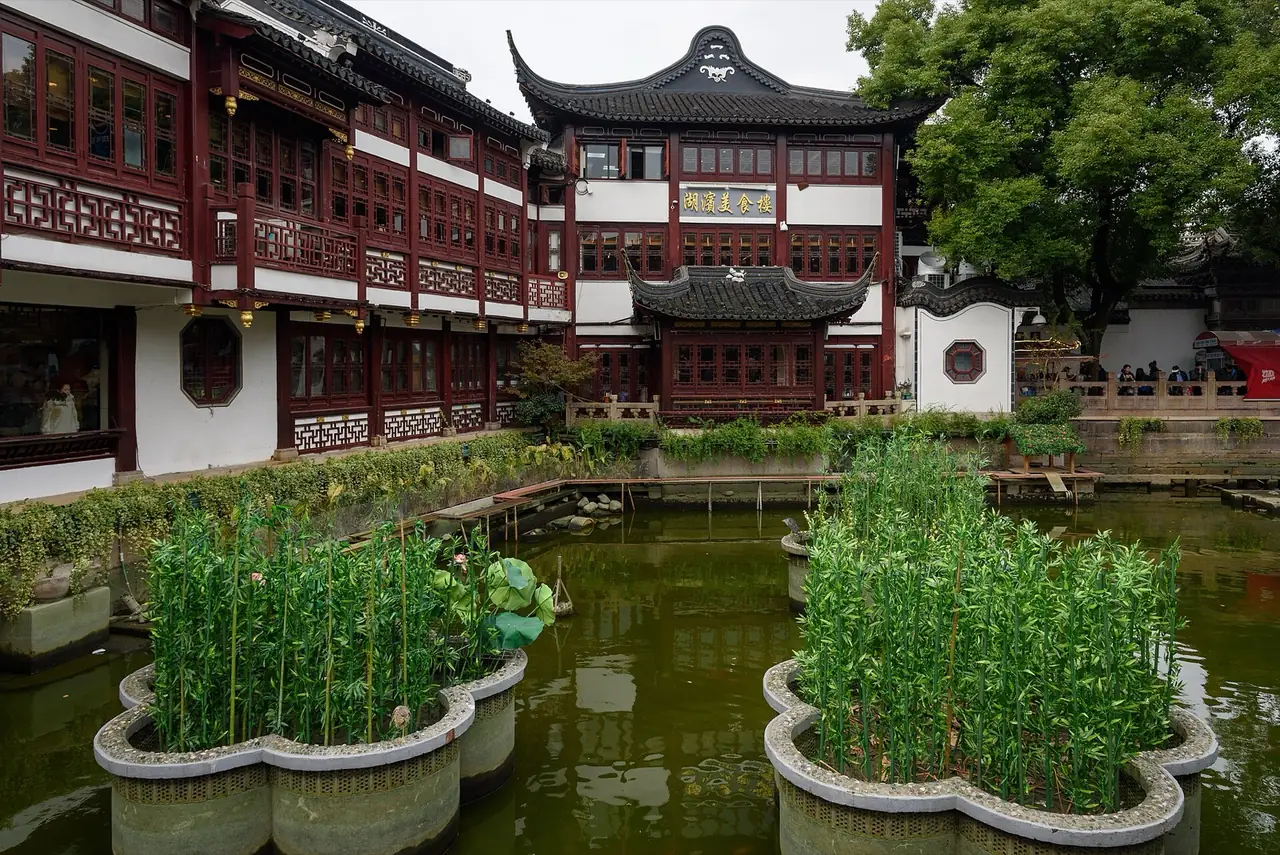
01 / Water
The Wusong and Huangpu rivers and the Yangtze estuary supported market towns, cotton production and shipping long before 1843.
02 / Port
Treaty-port institutions brought capital, technology and roads while creating unequal jurisdictions. Chinese and foreign-administered districts expanded beside docks and factories.
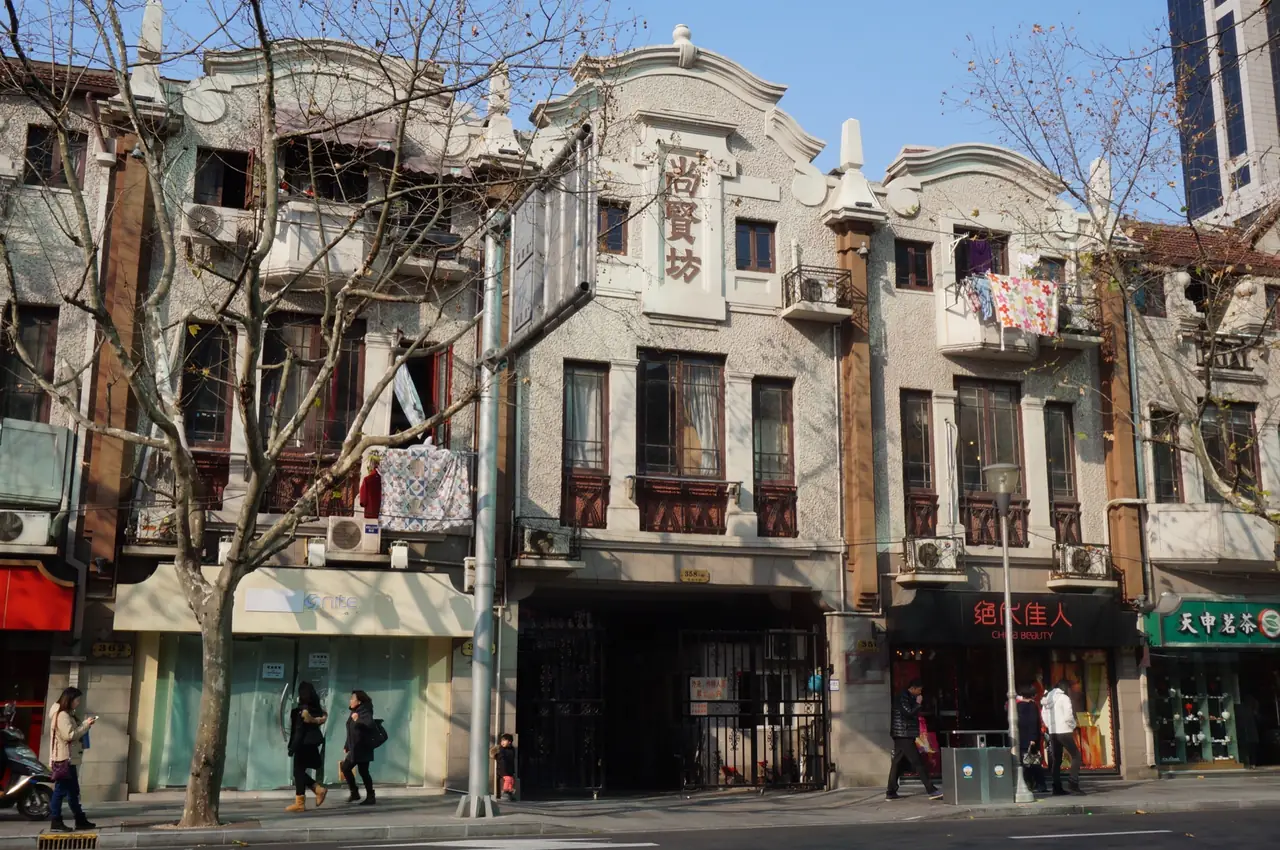
03 / Migration
Workers, merchants, students and cultural producers arrived from the delta and across China. Lilong housing compressed family, workshop and mutual aid into dense lanes.
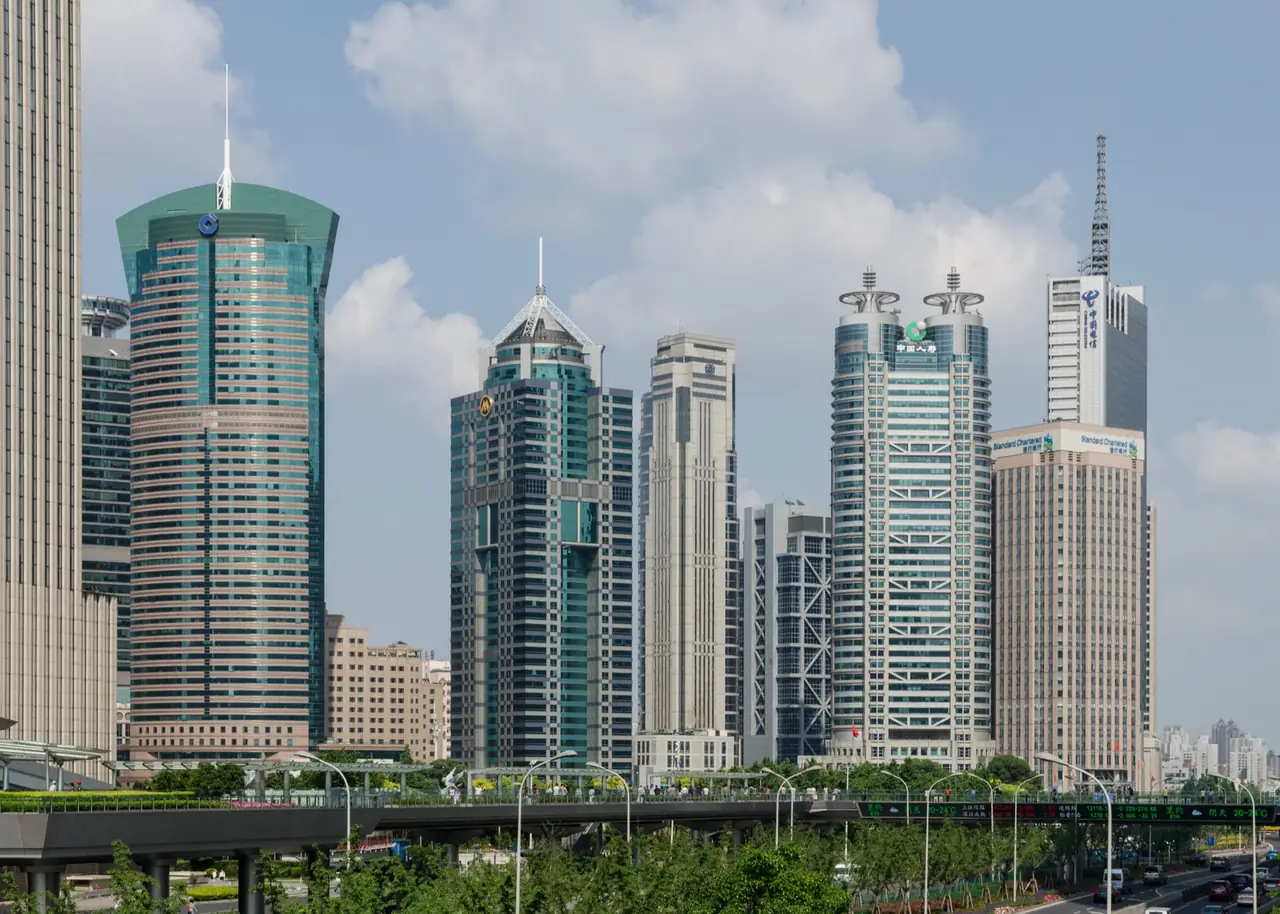
04 / Recenter
Industry made Shanghai a manufacturing center; Pudong and metro lines later joined the city across the river. The skyline rests on a longer history of labor and migration.
02 / Urban system
The Bund, lilong housing, factories and Lujiazui belong to different conditions and should form a causal story.
Waterways supported towns and a port.
Trade and settlements created new borders.
Workers, merchants and cultural producers built neighborhoods.
Pudong shifted the center eastward.
03 / Selected exhibits
Open an exhibit to see how it supports the chapter.
Banks and docks record both global trade and unequal urban power.
See references ↓Dense lanes housed migrant families and neighborhood life.
See references ↓Media and department stores carried modern culture into daily life.
See references ↓Cross-river development rewrote the city’s scale.
See references ↓04 / IN ONE SENTENCE
05 / Sources
References support the historical facts, heritage information and city data used in this chapter. Photo creators, licenses and original files appear in the image credits.
Images resized and converted; display may be cropped.
Explore another
Related by geographic region and historical themes rather than random recommendation.
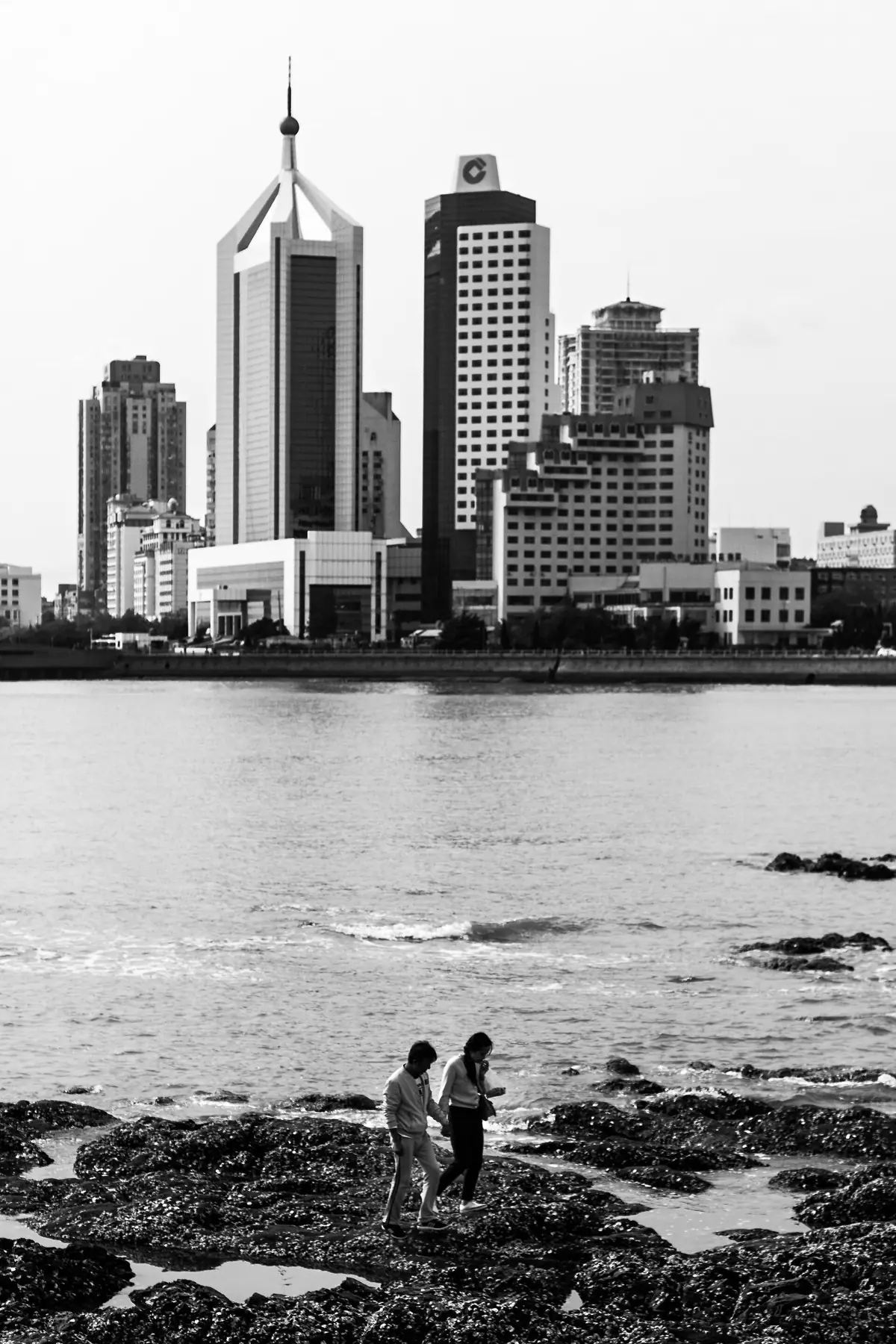
How did Qingdao turn an imposed port plan into its own urban life?
Open chapter ↗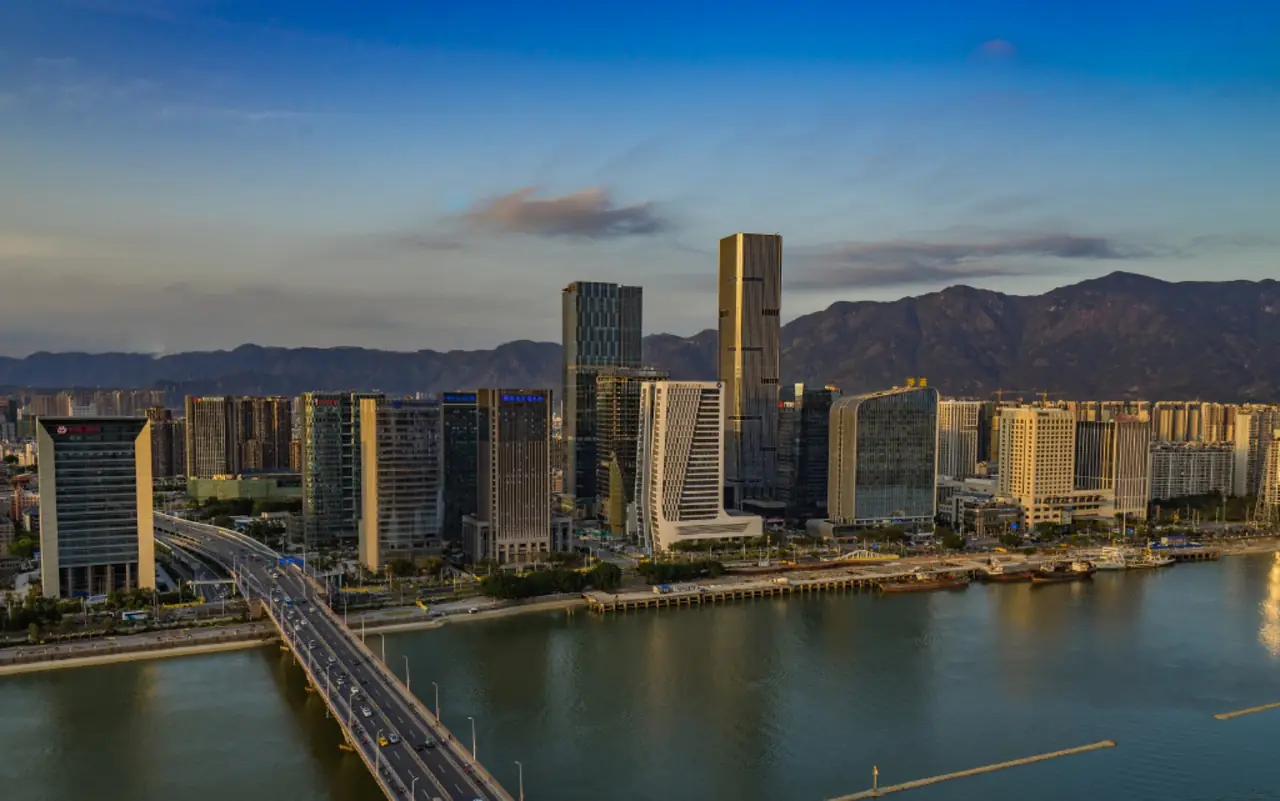
How did Fuzhou preserve neighborhood order while remaining open to the world between mountain and sea?
Open chapter ↗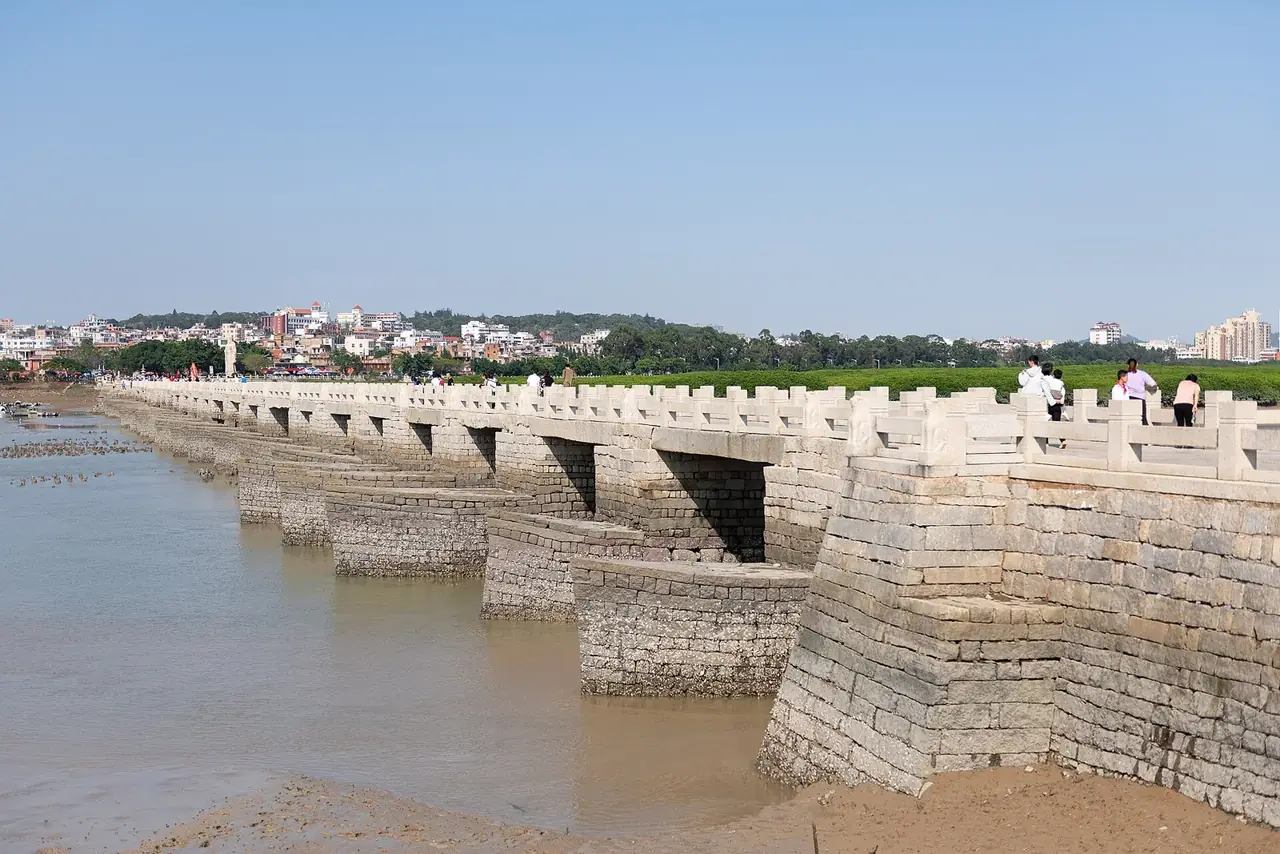
How did one port bring the world to Quanzhou?
Open chapter ↗


