Why here
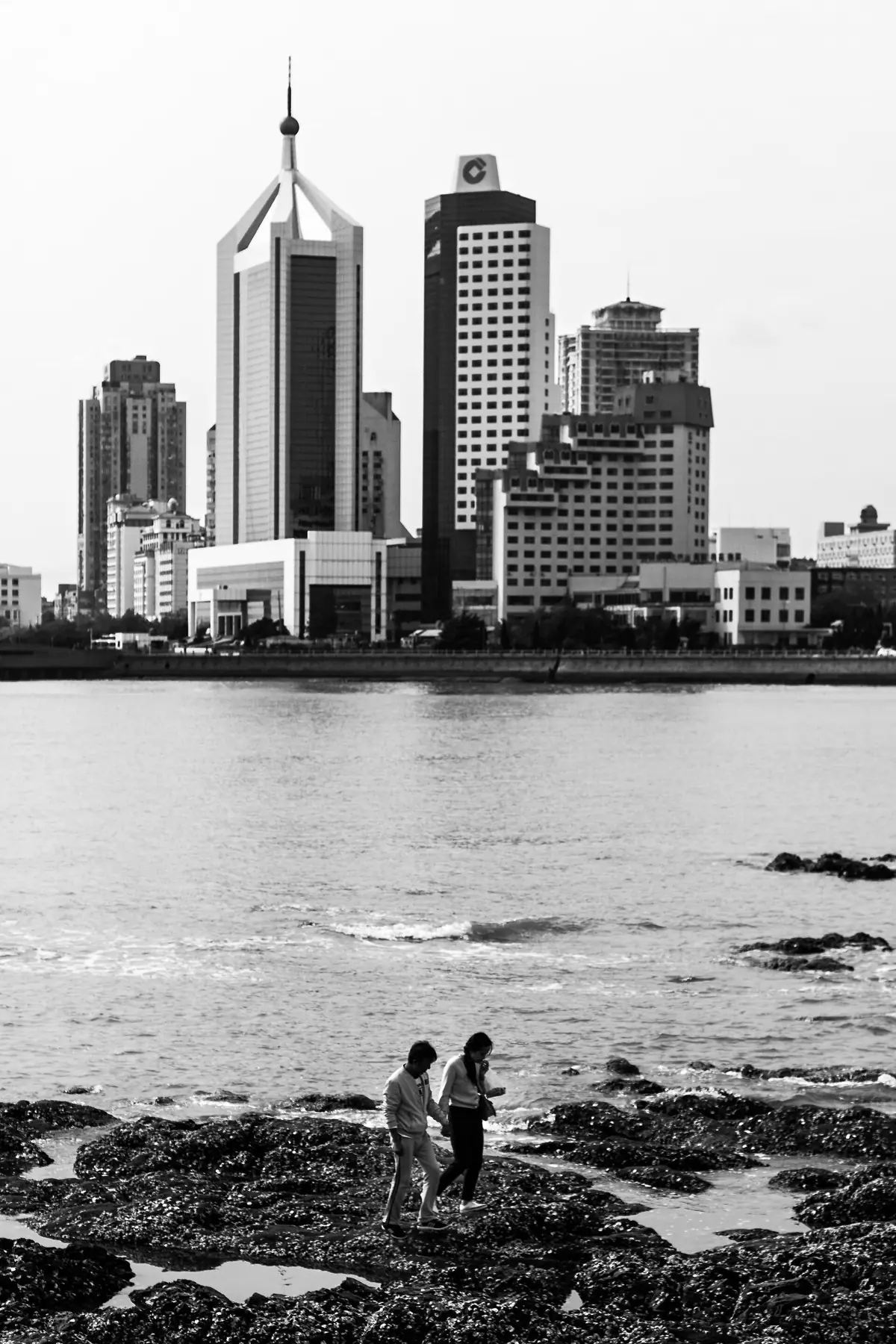
Jiaozhou Bay’s deep harbor and hilly coast determined port, street and industrial form.
CITY ATLAS / 21
Coastal defense, German and Japanese occupation, restored sovereignty, industry and film repeatedly changed Jiaozhou Bay.
READING GUIDE
Start with the long-term force shaping the city, then move into chronology, urban systems and surviving evidence.
01 / Chapter
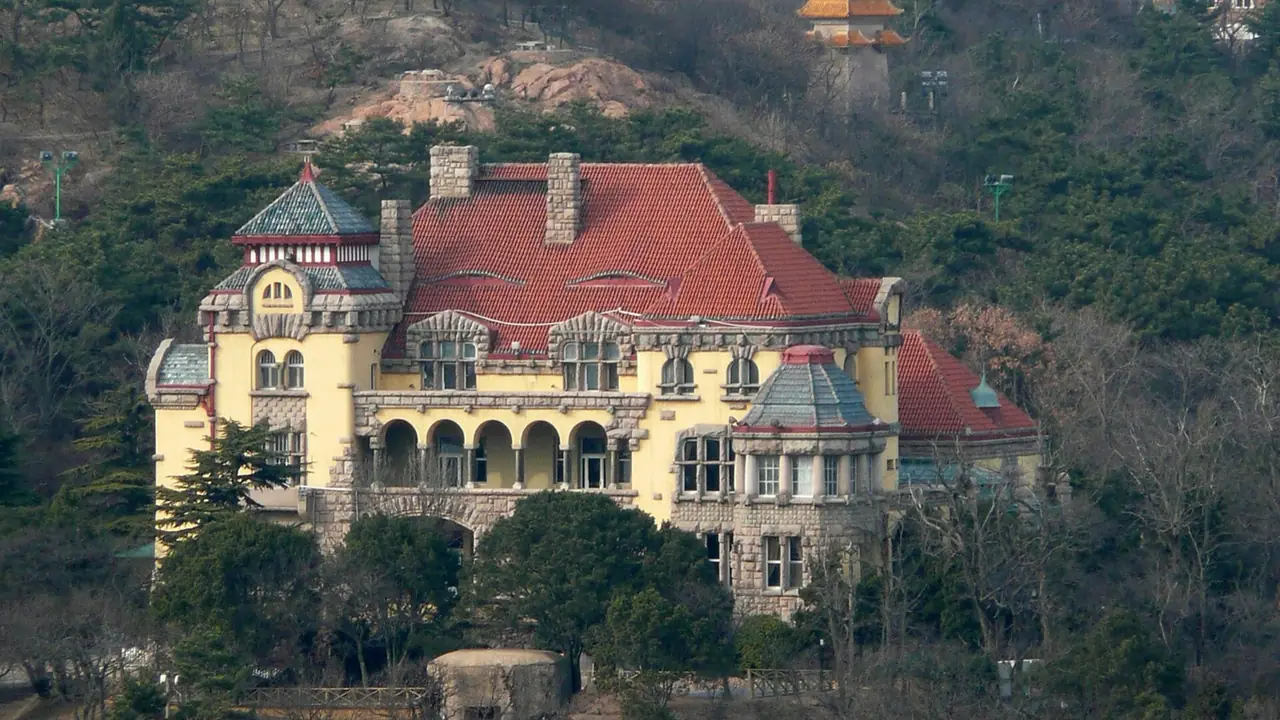
The Qing fortified the bay in 1891; Germany occupied it in 1897 and built a port city. Japan took it during the First World War, and the Shandong Question helped trigger the May Fourth Movement. Port, rail, brewery and waterfront were later absorbed into local life.
THREE LENSES / THREE LENSES
Geography sets conditions, turning points redirect the path, and daily life carries long memory.
Jiaozhou Bay’s deep harbor and hilly coast determined port, street and industrial form.
Colonial planning, restored sovereignty and state industry left conflicting yet overlapping layers.
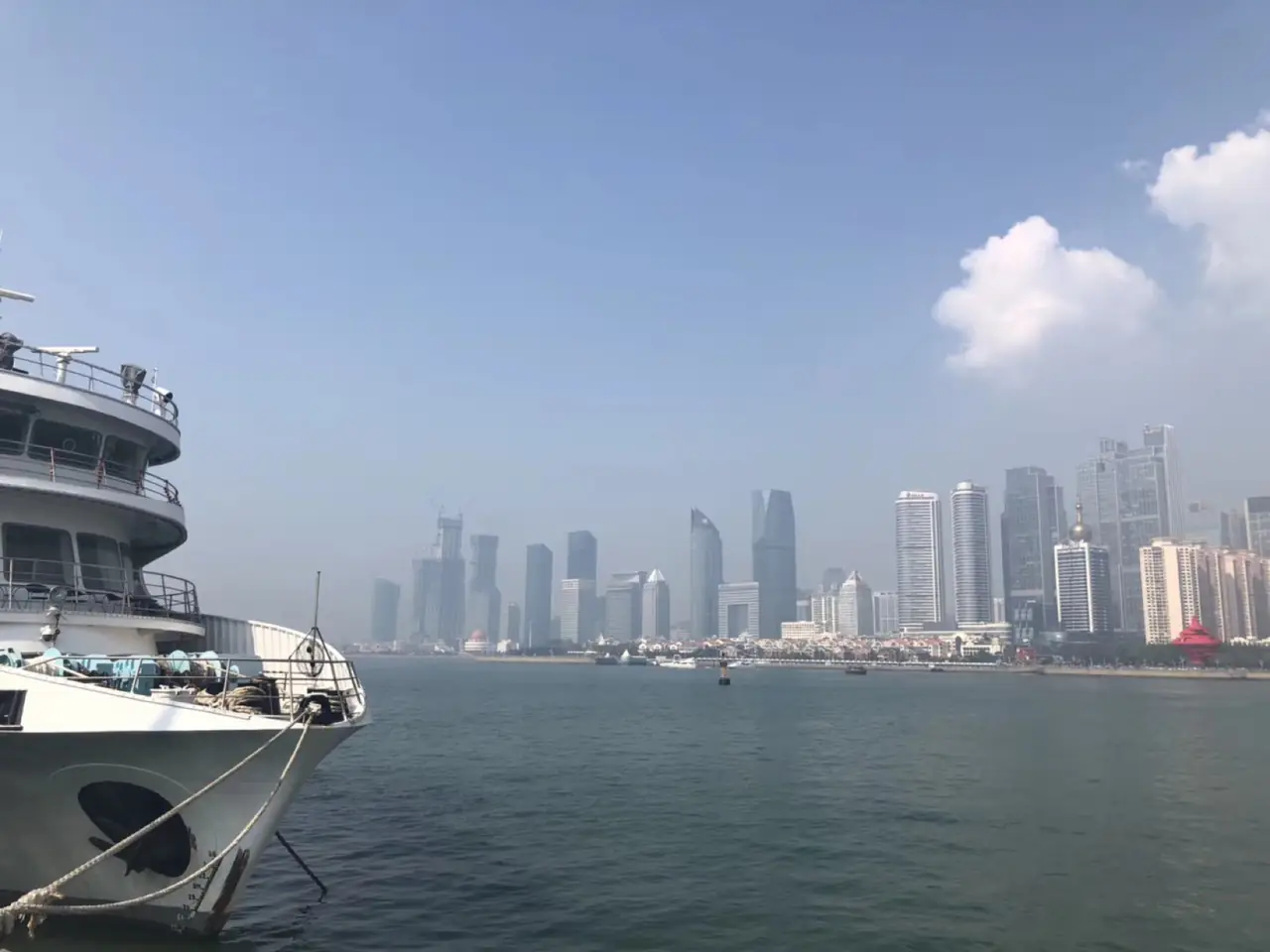
Port manufacturing, liyuan blocks, beer culture and waterfront public space shape current identity.
CITY HISTORY / 城市时间
Colonial occupation planned modern Qingdao, but residents, workers and public institutions repeatedly reused and redefined its spaces.
Qing government fortified Jiaozhou Bay.
Germany occupied and leased the bay.
Japan occupied Qingdao.
The Shandong Question helped trigger May Fourth.
China recovered sovereignty.
Port industry, marine science and construction expanded.
01 / Bay
Harbor conditions, the Shandong hinterland and Northeast Asian routes gave the bay strategic value. Qing defenses did not prevent seizure.
02 / Plan
Port, rail, roads and drainage were built with land seizure and segregated governance. Villages and residents were reorganized.
03 / Sovereignty
The Paris settlement over Shandong provoked student protest, placing Qingdao in modern narratives of sovereignty.
04 / Reuse
After sovereignty returned, industrial and historic spaces entered local life. Marine science, waterfronts and film continue rewriting identity.
02 / Urban system
Colonial buildings are not romanticized; the story centers land, governance and residents.
Strategic geography prompted fortification.
Colonial rule built port, railway and zones.
The Shandong Question sparked national protest.
Industry, housing, tourism and film reinterpreted space.
03 / Selected exhibits
Open an exhibit to see how it supports the chapter.
The bay directed defense, transport and urban growth.
See references ↓Remains record colonial governance and later reuse.
See references ↓Factories and rail shaped jobs and identity.
See references ↓Landscape and architecture support public and screen culture.
See references ↓04 / IN ONE SENTENCE
05 / Sources
References support the historical facts, heritage information and city data used in this chapter. Photo creators, licenses and original files appear in the image credits.
Images resized and converted; display may be cropped.
Explore another
Related by geographic region and historical themes rather than random recommendation.
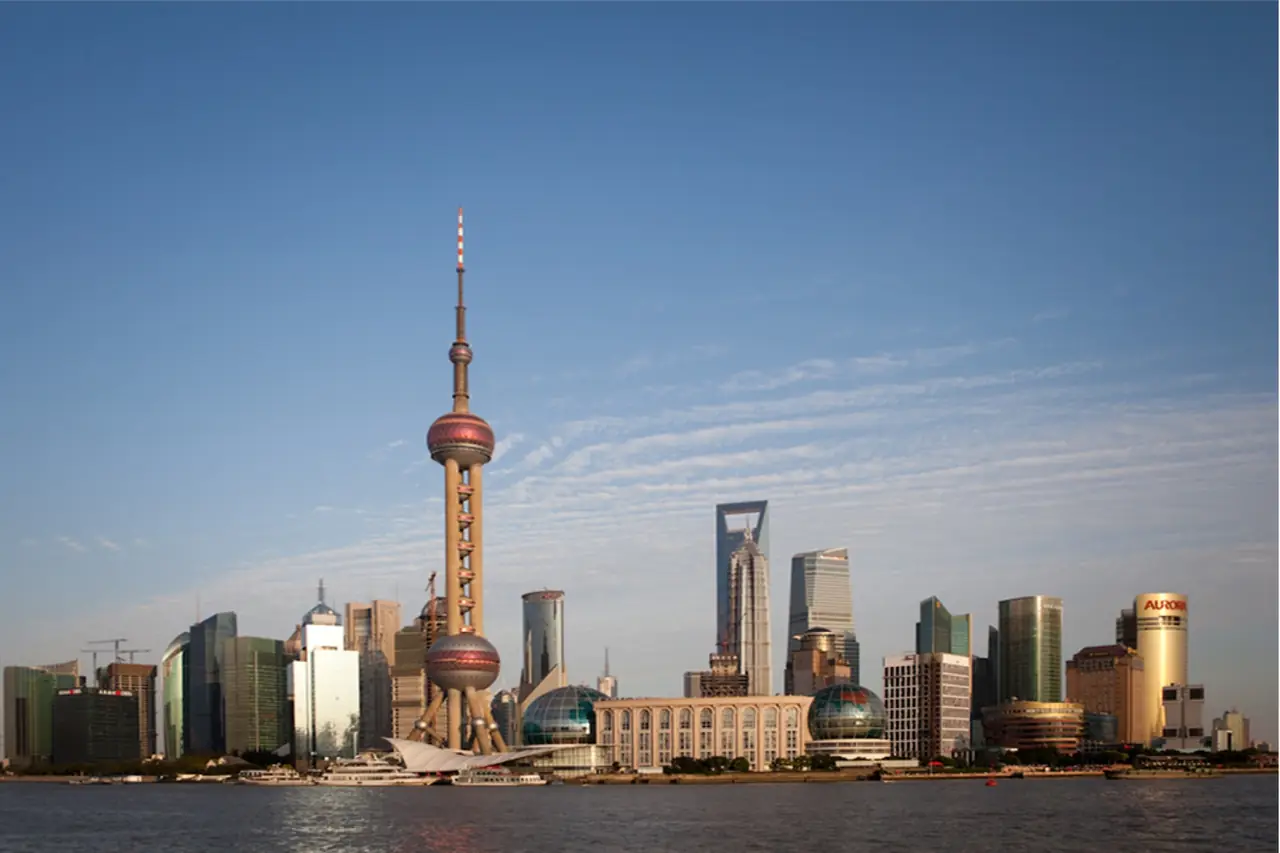
How did Shanghai organize constant arrivals into a world city?
Open chapter ↗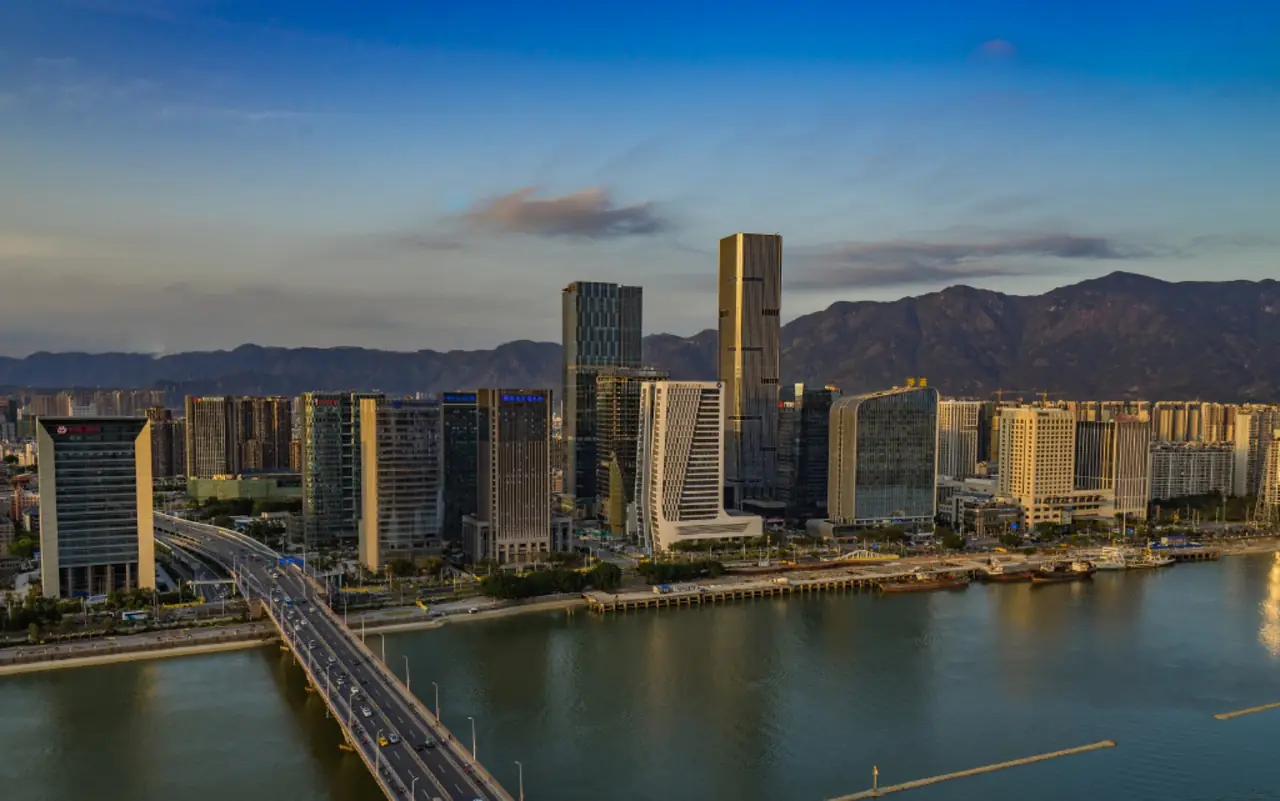
How did Fuzhou preserve neighborhood order while remaining open to the world between mountain and sea?
Open chapter ↗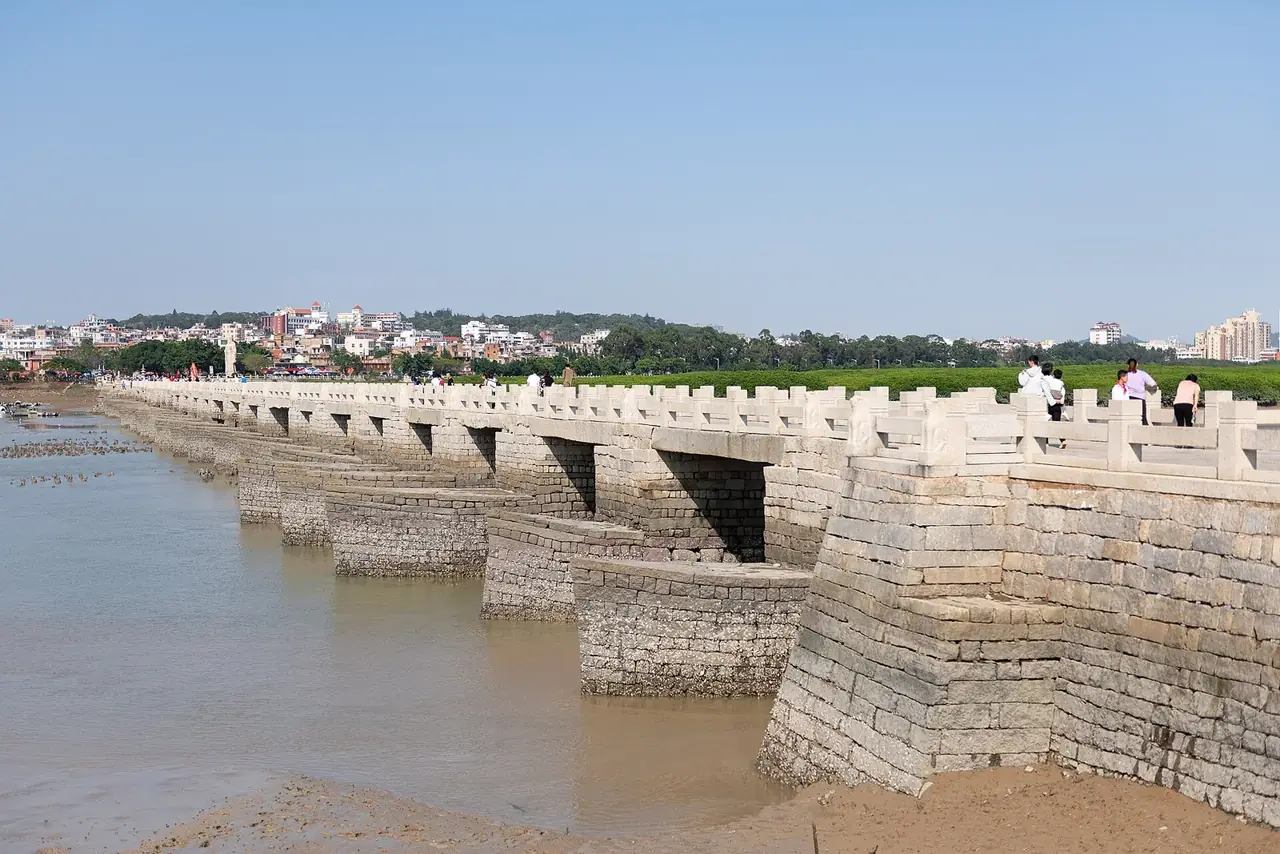
How did one port bring the world to Quanzhou?
Open chapter ↗


