Why here
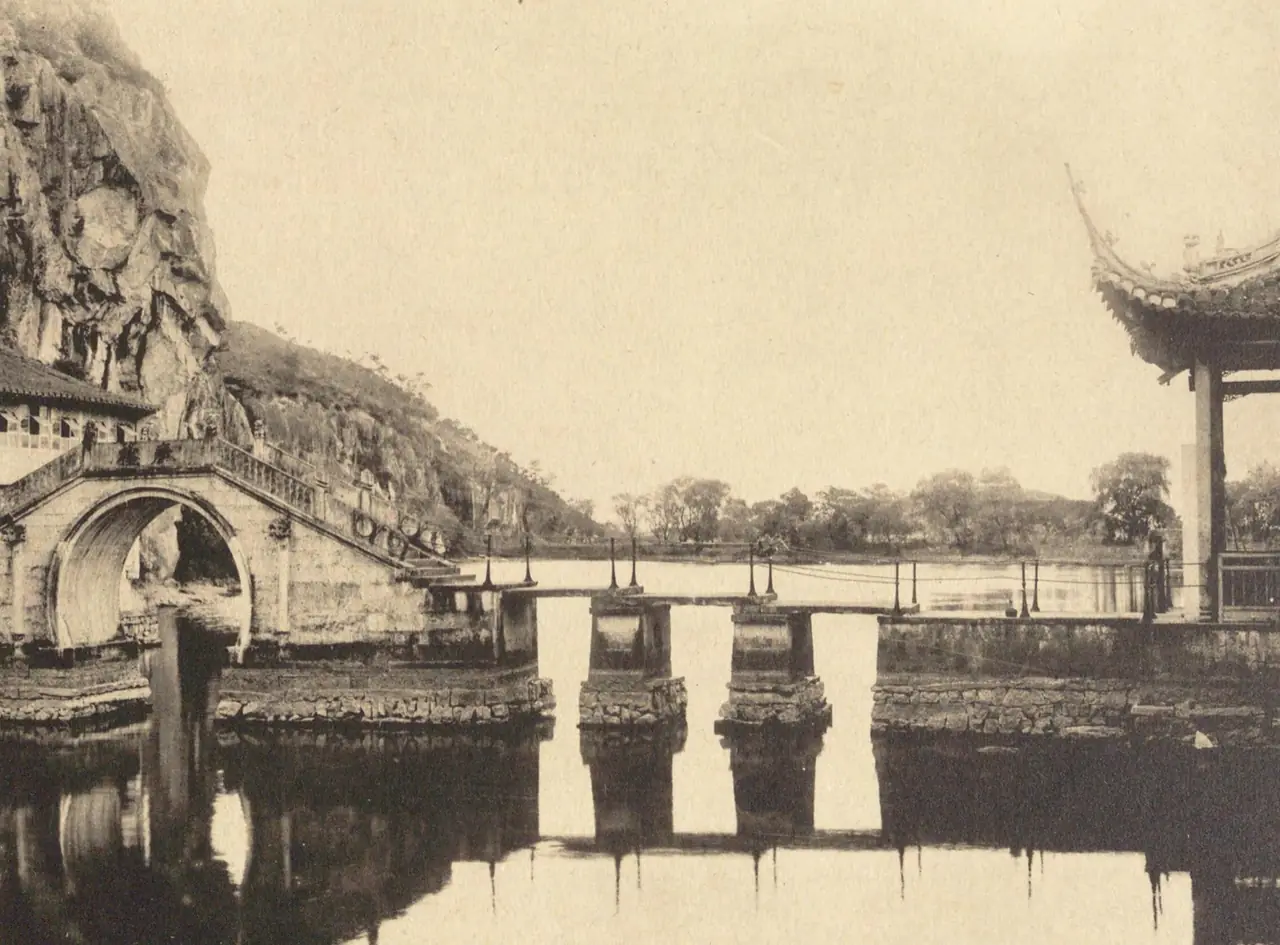
The plain below Kuaiji Mountain depends on lakes, dikes and channels working together.
CITY ATLAS / 27
Jian Lake, the Eastern Zhejiang Canal, stone bridges, courtyard houses, rice wine and former residences layer engineering with culture.
READING GUIDE
Start with the long-term force shaping the city, then move into chronology, urban systems and surviving evidence.
01 / Chapter
At the northern foot of Kuaiji Mountain, a plain water network enabled irrigation and movement. Memories of ancient Yue, Jian Lake works and the canal formed an urban frame; bridges, lanes and courtyard gates preserved human scale. Modern education and publishing carried local thought into national change.
THREE LENSES / THREE LENSES
Geography sets conditions, turning points redirect the path, and daily life carries long memory.
The plain below Kuaiji Mountain depends on lakes, dikes and channels working together.
The Eastern Zhejiang Canal, bridges and brewing turned hydraulics into commercial and cultural networks.
Waterside lanes, courtyards, rice wine and former residences keep production and ideas in daily life.
CITY HISTORY / 城市时间
Shaoxing is remembered through famous figures, but their work grew from deeper conditions: water, brewing, schools, kinship and regional routes.
The Yue state used the Kuaiji area as a major center.
Administrator Ma Zhen directed the construction of Jian Lake for irrigation and storage.
The Eastern Zhejiang Canal, bridges and education developed.
Rice wine, textiles, commerce and courtyard houses shaped local life.
Education, publishing and revolution carried Shaoxing voices nationally.
The Grand Canal, including the Eastern Zhejiang Canal, entered the World Heritage List.
01 / Hydraulics
Water from the hills required storage, drainage and irrigation. Jian Lake and connected channels supported farms, settlements and urban supply.
Hydraulics is not one completed ancient act but continuing maintenance and allocation.
02 / Movement
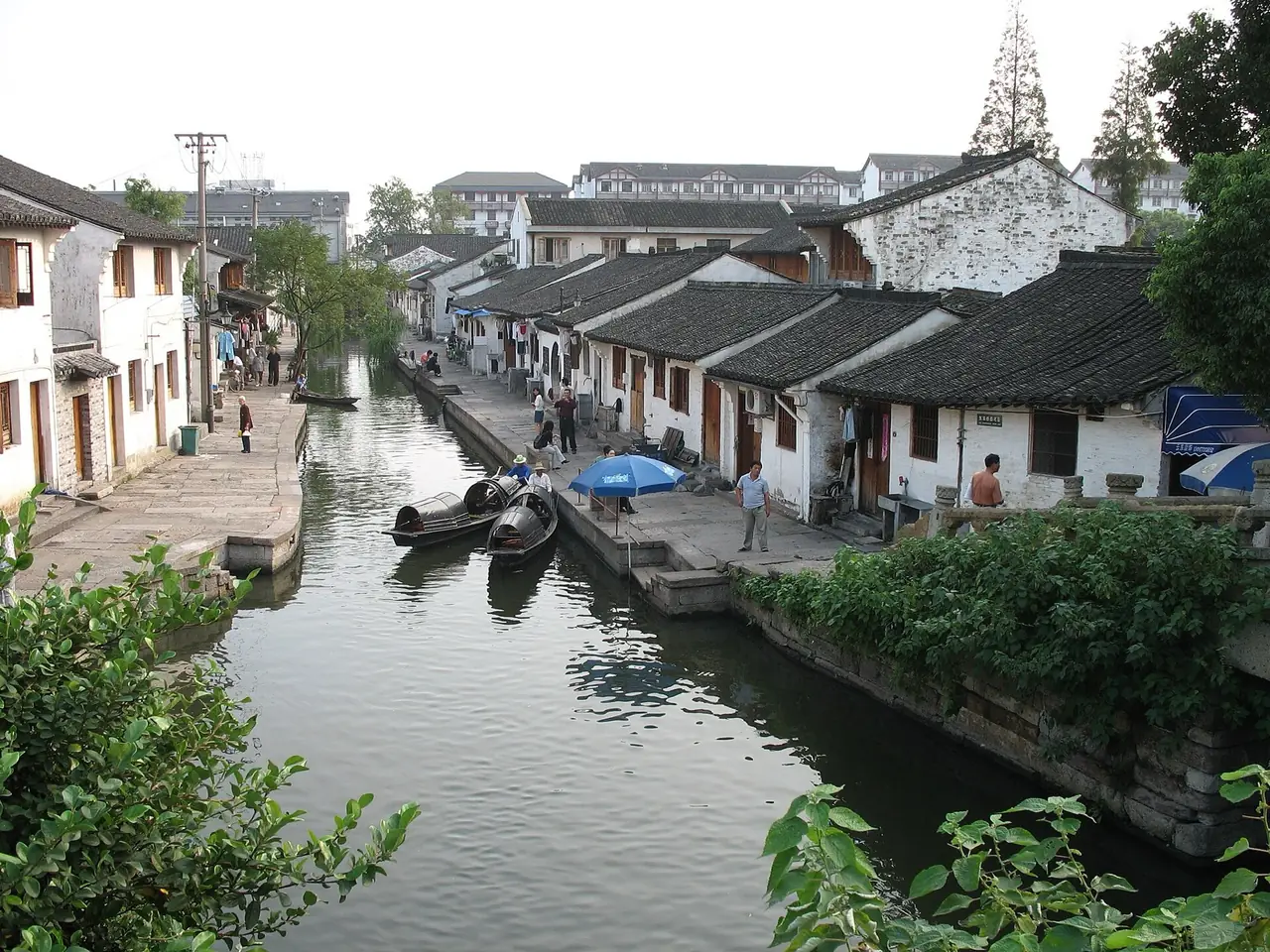
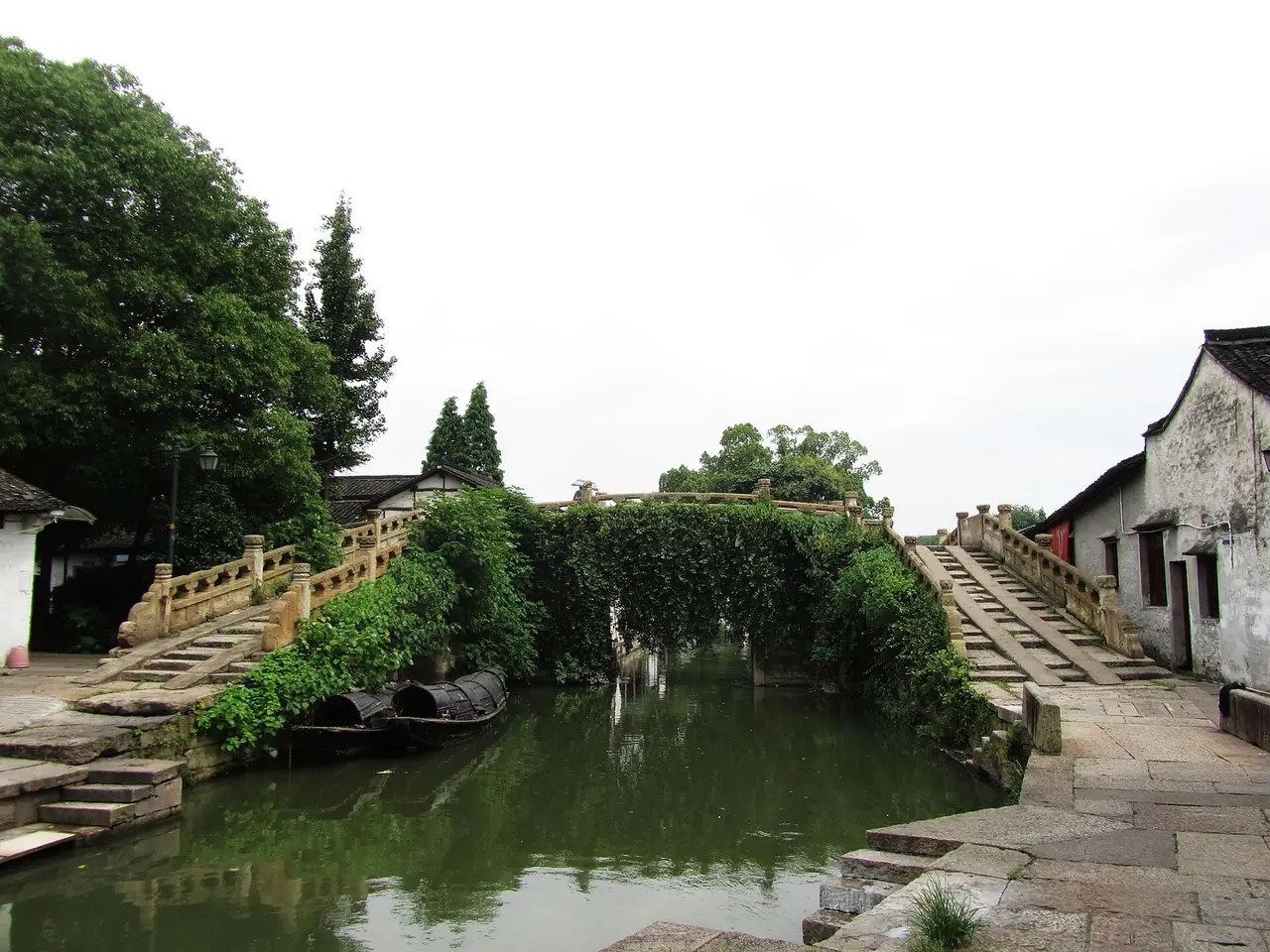
The Eastern Zhejiang Canal joined routes toward Hangzhou, Shaoxing and Ningbo. Docks, towpaths and stone bridges brought production and markets into lanes.
A bridge also served neighborhood, ritual, trade and orientation.
03 / Daily life
Brewing depends on rice, water, starter, season and storage—a whole agricultural and craft network. Courtyards hold kinship, education and neighbors.
Culture emerges from productive rhythms and residential structure.
04 / Ideas
Water routes brought information, schools built literacy and crisis drove people outward.
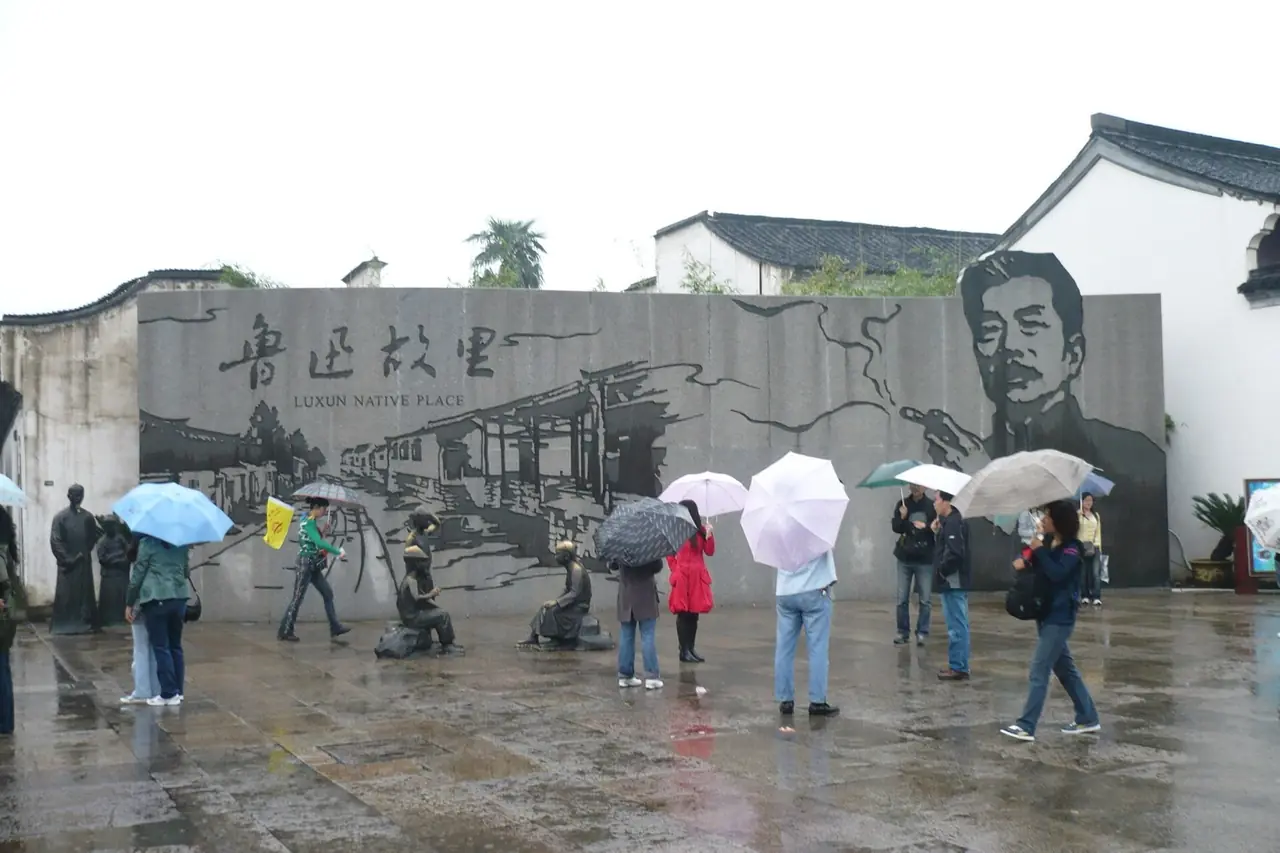
Former residences explain more when joined to writing, society and ordinary life than through celebrity alone.
02 / Urban system
Famous individuals become meaningful when returned to the hydraulic, industrial and social networks from which they emerged.
Lakes, dikes and canals organized farming and drainage.
The Eastern Zhejiang Canal linked markets, docks and cities.
Bridges, waterside lanes, courtyards and schools shaped culture.
Rice wine, textiles and manufacturing sustain productive skill.
03 / Selected exhibits
Open an exhibit to see how it supports the chapter.
Water works regulate irrigation, drainage and settlement.
See references ↓Canal and bridges preserve regional circulation.
See references ↓Homes, landings and brewing form a local rhythm.
See references ↓Education and debate carried local experience into national change.
See references ↓04 / IN ONE SENTENCE
05 / Sources
References support the historical facts, heritage information and city data used in this chapter. Photo creators, licenses and original files appear in the image credits.
Images resized and converted; display may be cropped.
Explore another
Related by geographic region and historical themes rather than random recommendation.
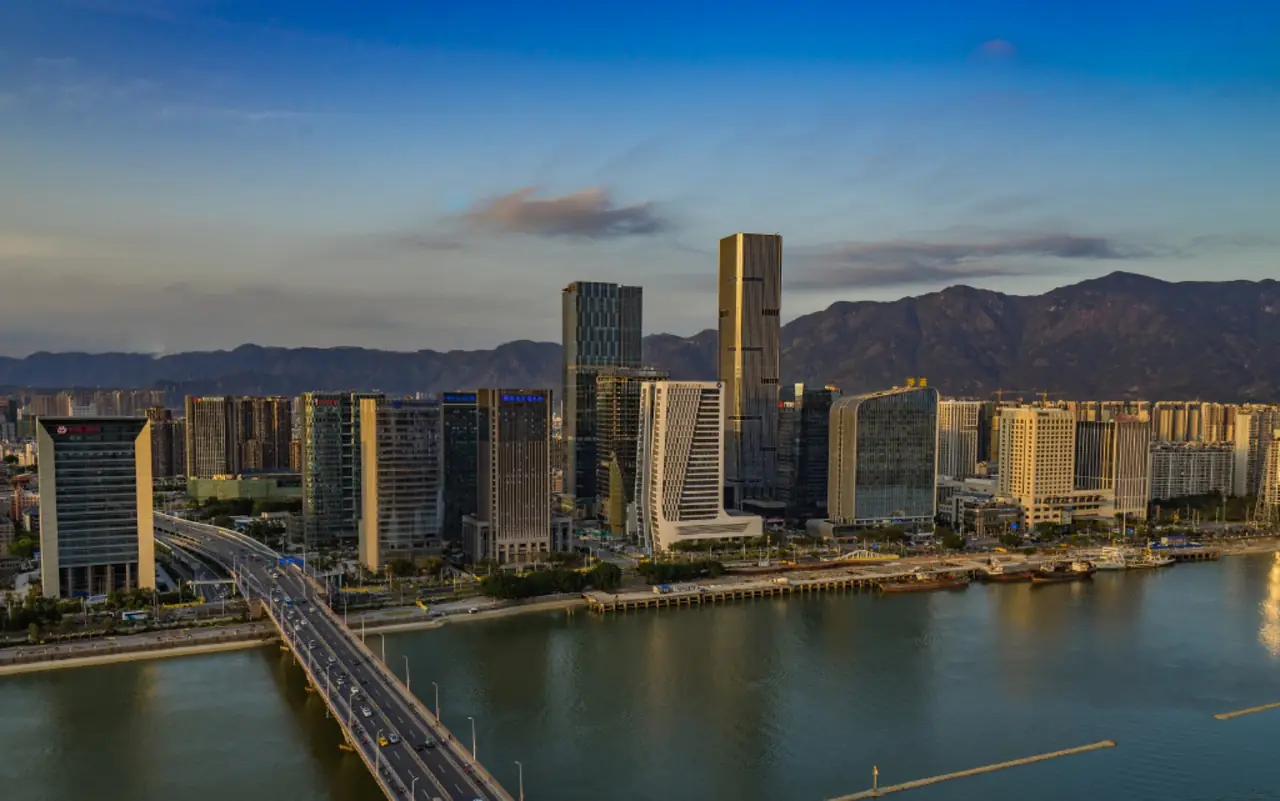
How did Fuzhou preserve neighborhood order while remaining open to the world between mountain and sea?
Open chapter ↗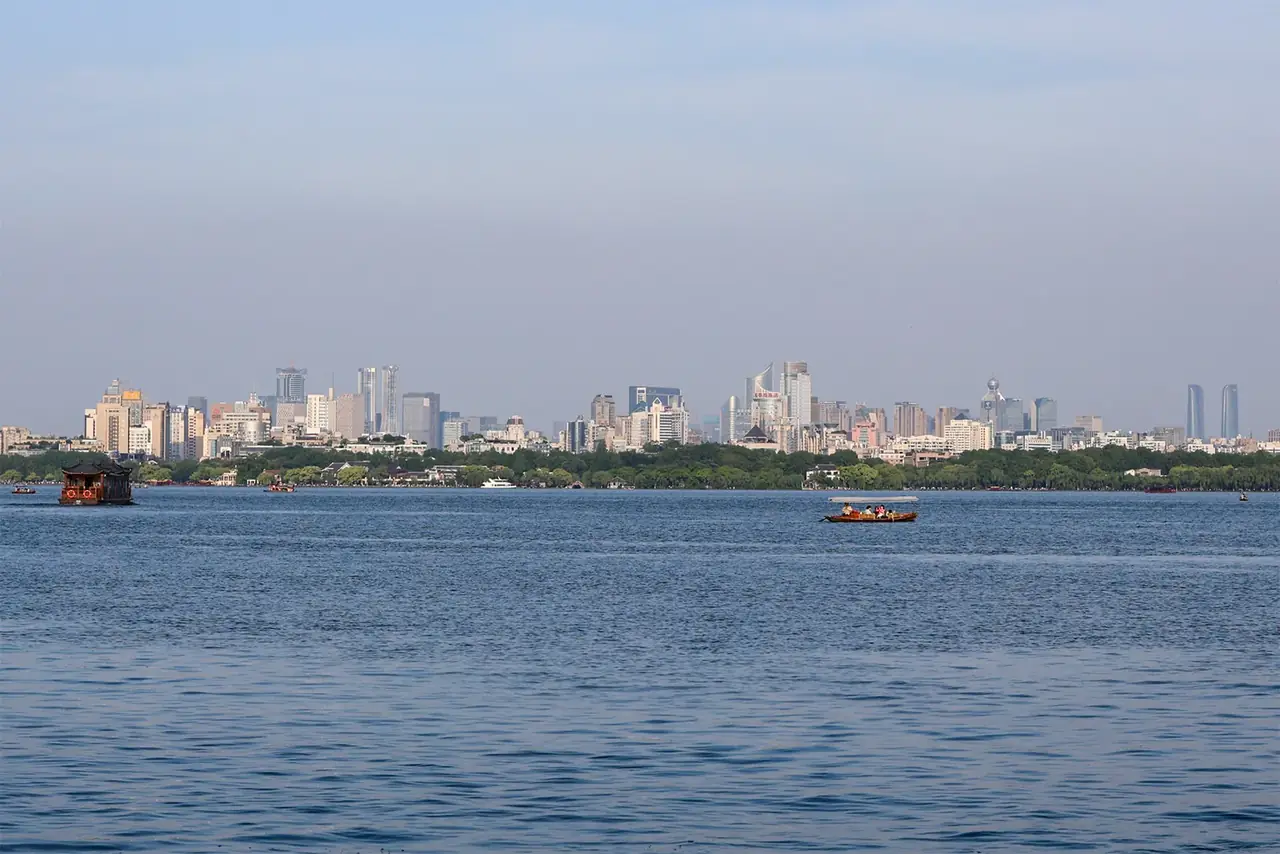
How did water become Hangzhou’s imagination?
Open chapter ↗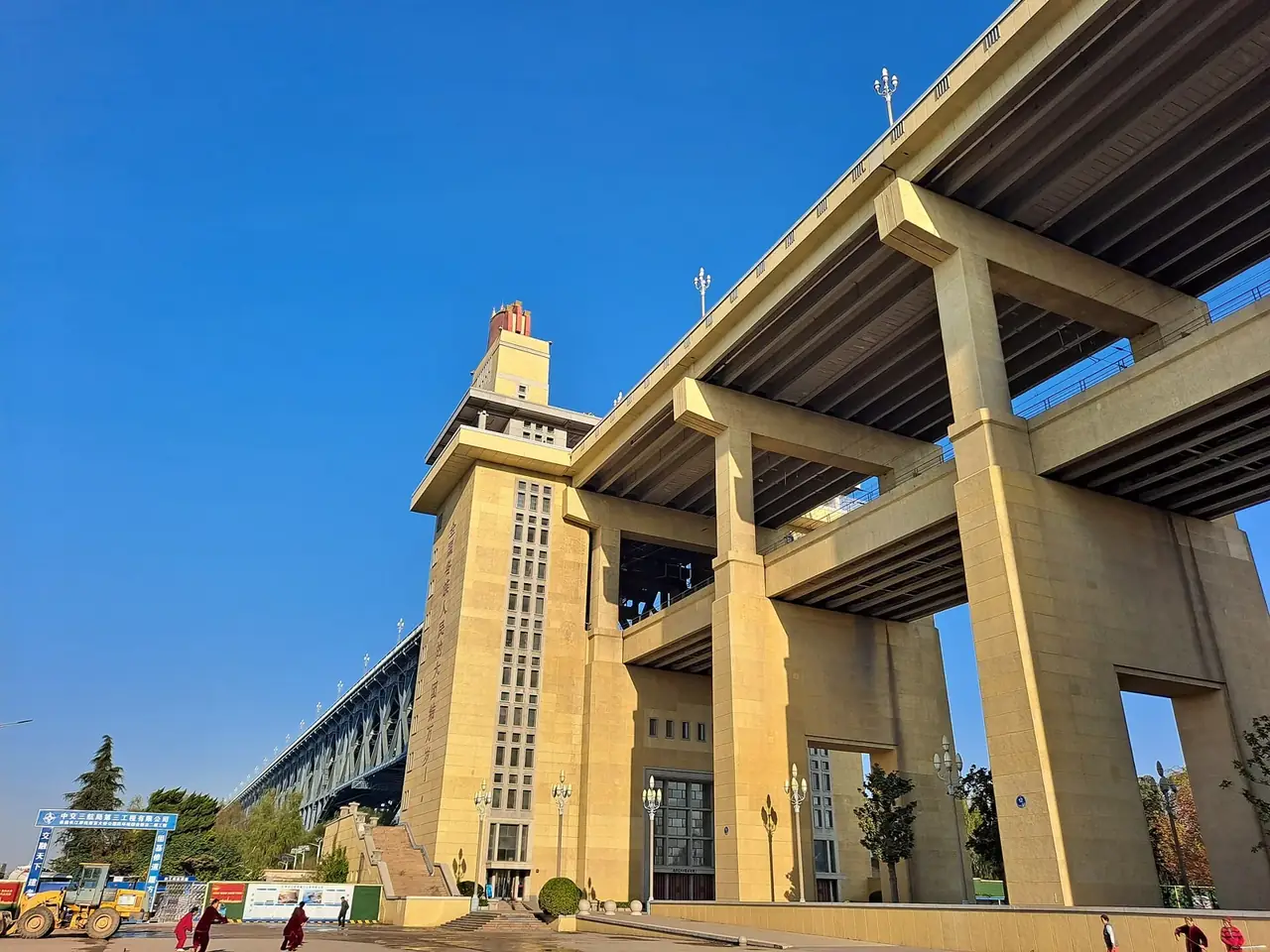
How does Nanjing live with its river and its memory?
Open chapter ↗


