Why here
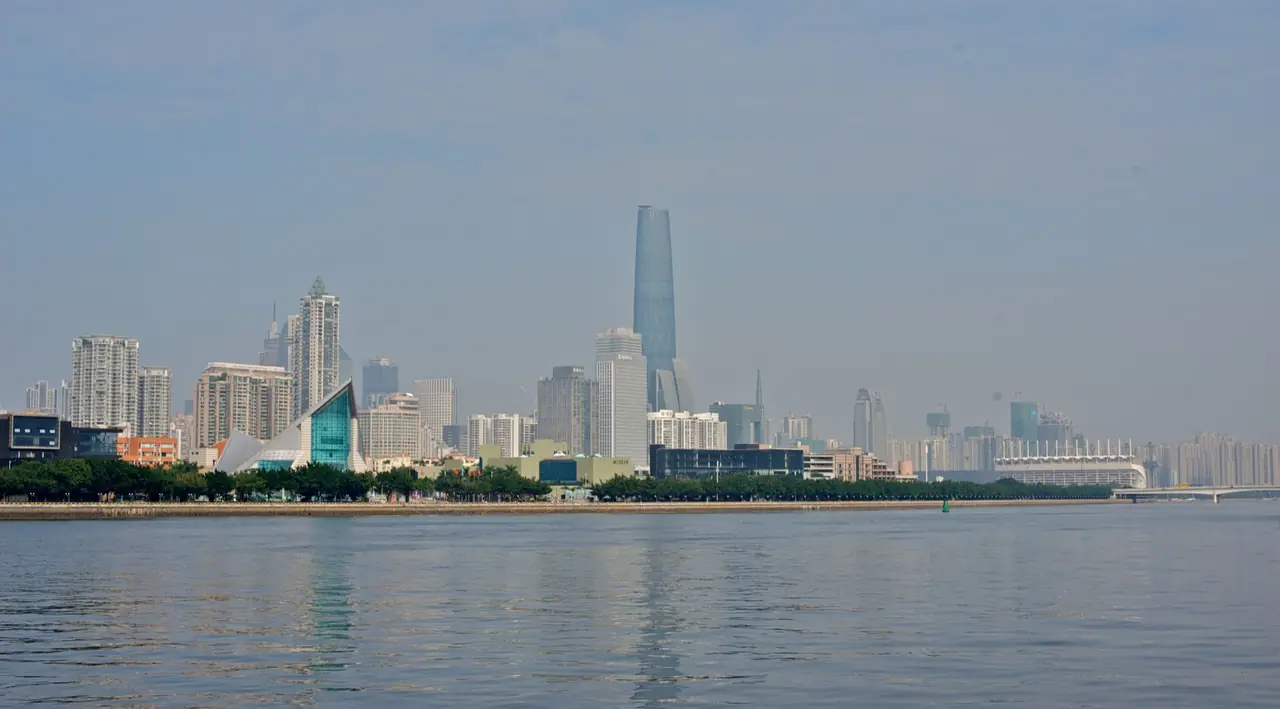
The Pearl River Delta and South China Sea routes give Guangzhou a deeply outward-facing hinterland.
CITY ATLAS / 14
The Pearl River, maritime administration, Canton trade, diaspora and Canton Fair repeatedly changed how the city met the world.
READING GUIDE
Start with the long-term force shaping the city, then move into chronology, urban systems and surviving evidence.
01 / Chapter
The southern city used the Pearl River to reach the sea. Tang–Song maritime offices, Qing trade, modern port industry and the Canton Fair form a long but discontinuous capacity for exchange.
THREE LENSES / THREE LENSES
Geography sets conditions, turning points redirect the path, and daily life carries long memory.
The Pearl River Delta and South China Sea routes give Guangzhou a deeply outward-facing hinterland.
Maritime institutions, the Thirteen Factories and revolution repeatedly turned commerce into civic power.
Arcades, Cantonese culture, wholesale markets and fairs sustain a pragmatic openness.
CITY HISTORY / 城市时间
Guangzhou repeatedly rebuilt overseas connections as institutions, war and channels changed; its long history is not a simple line of prosperity.
Panyu became a major Lingnan center.
Guangzhou grew as an international port.
Maritime trade administration expanded.
Canton was the principal Qing port for Western trade.
War and modern industry changed the city.
The first Canton Fair opened.
01 / River
The Pearl River system carried inland goods to the estuary. Tides, shoals and channels required continuous management.
02 / Rules
Maritime offices, customs and merchant guilds governed tax and access in different eras, shaping who could trade and where.
03 / Communities
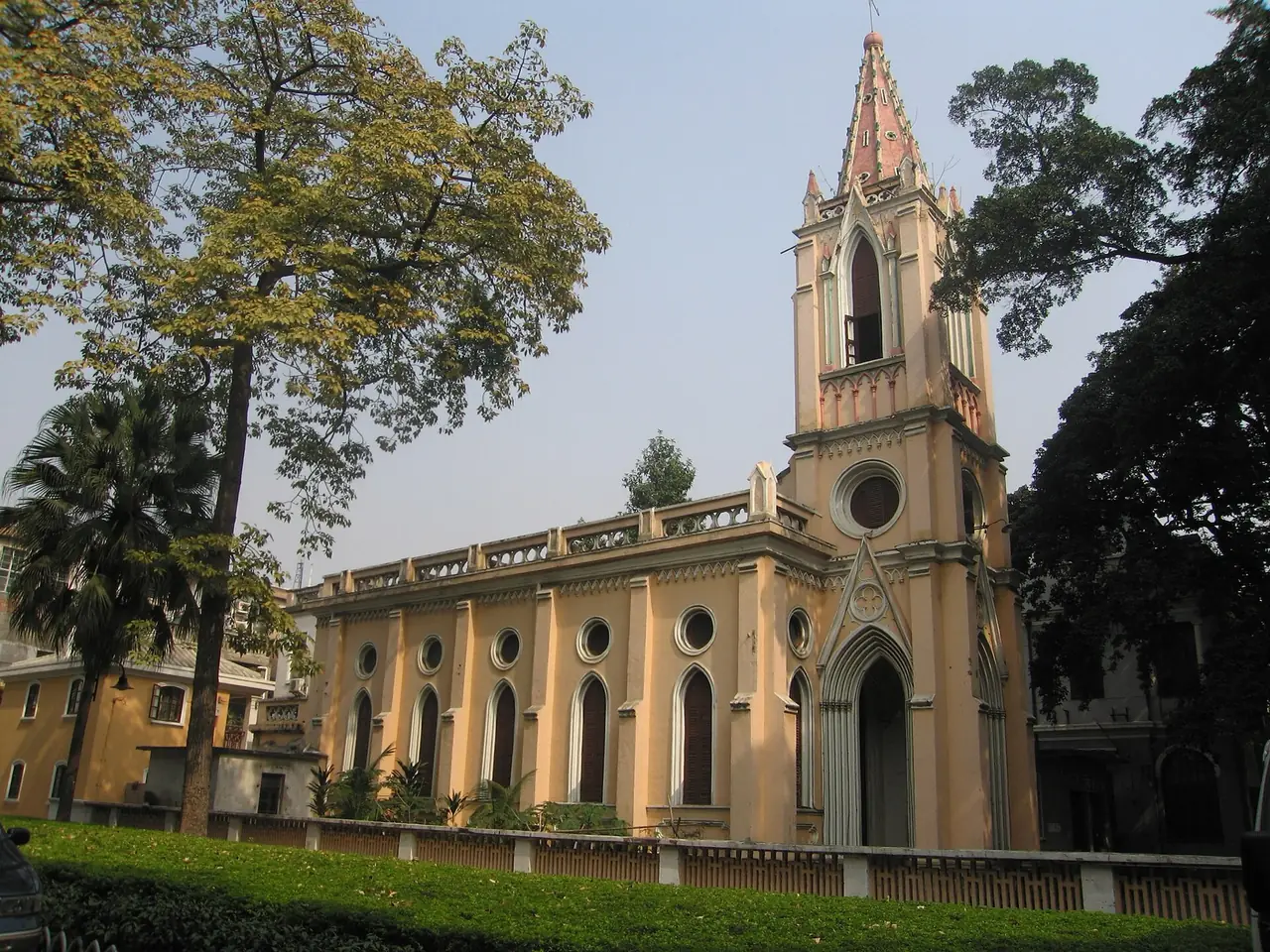
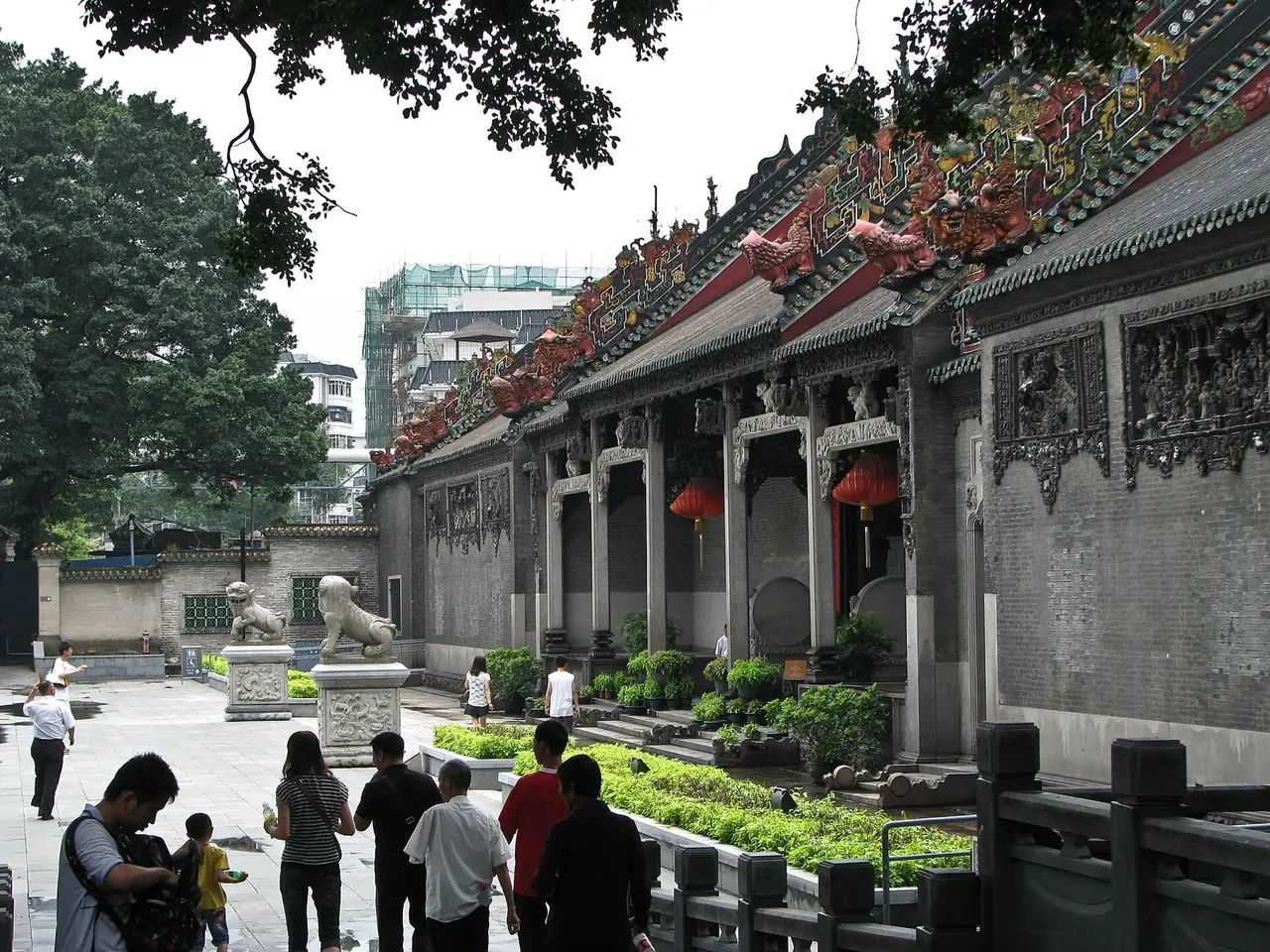
Merchants, religious communities, artisans and diaspora left temples, mosques, guild halls and food traditions. Openness also involved conflict.
04 / Modernity
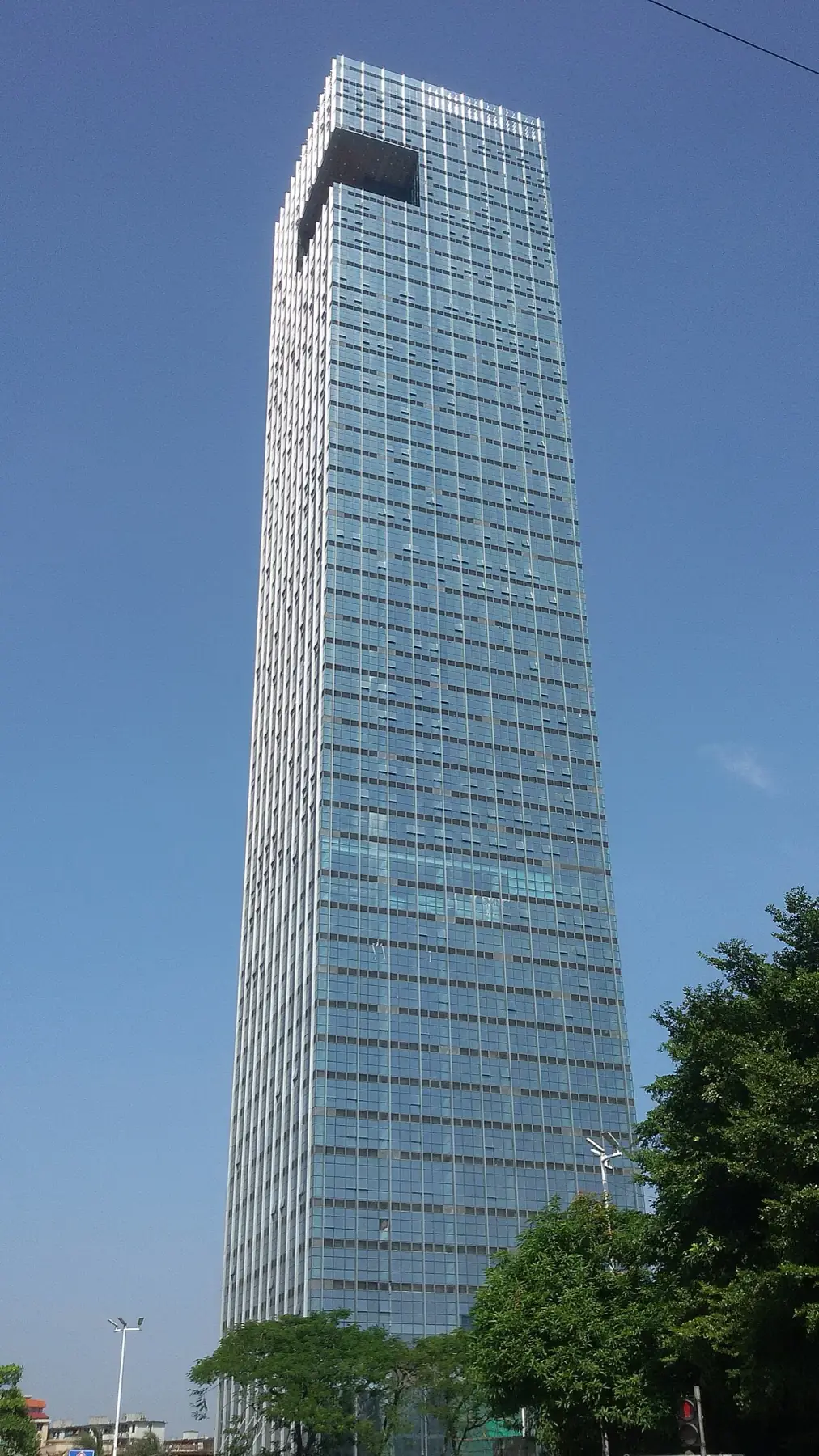
Industry, municipal construction, port expansion and the Canton Fair renewed global connections. Xiguan, arcades and Zhujiang New Town record distinct phases.
02 / Urban system
Ports, markets, religious remains, arcades and manufacturing belong to one urban story.
Waterways joined the hinterland to the South China Sea.
Maritime offices organized ships, taxes and communities.
Canton trade and modern industry changed urban space.
The Canton Fair and modern port created new links.
03 / Selected exhibits
Open an exhibit to see how it supports the chapter.
River-sea transfer sustained a long trading gateway.
See references ↓Rules linked global goods to local merchants.
See references ↓Commerce, climate and family life shaped the street.
See references ↓Decoration concentrates Lingnan craft and lineage networks.
See references ↓04 / IN ONE SENTENCE
05 / Sources
References support the historical facts, heritage information and city data used in this chapter. Photo creators, licenses and original files appear in the image credits.
Images resized and converted; display may be cropped.
Explore another
Related by geographic region and historical themes rather than random recommendation.
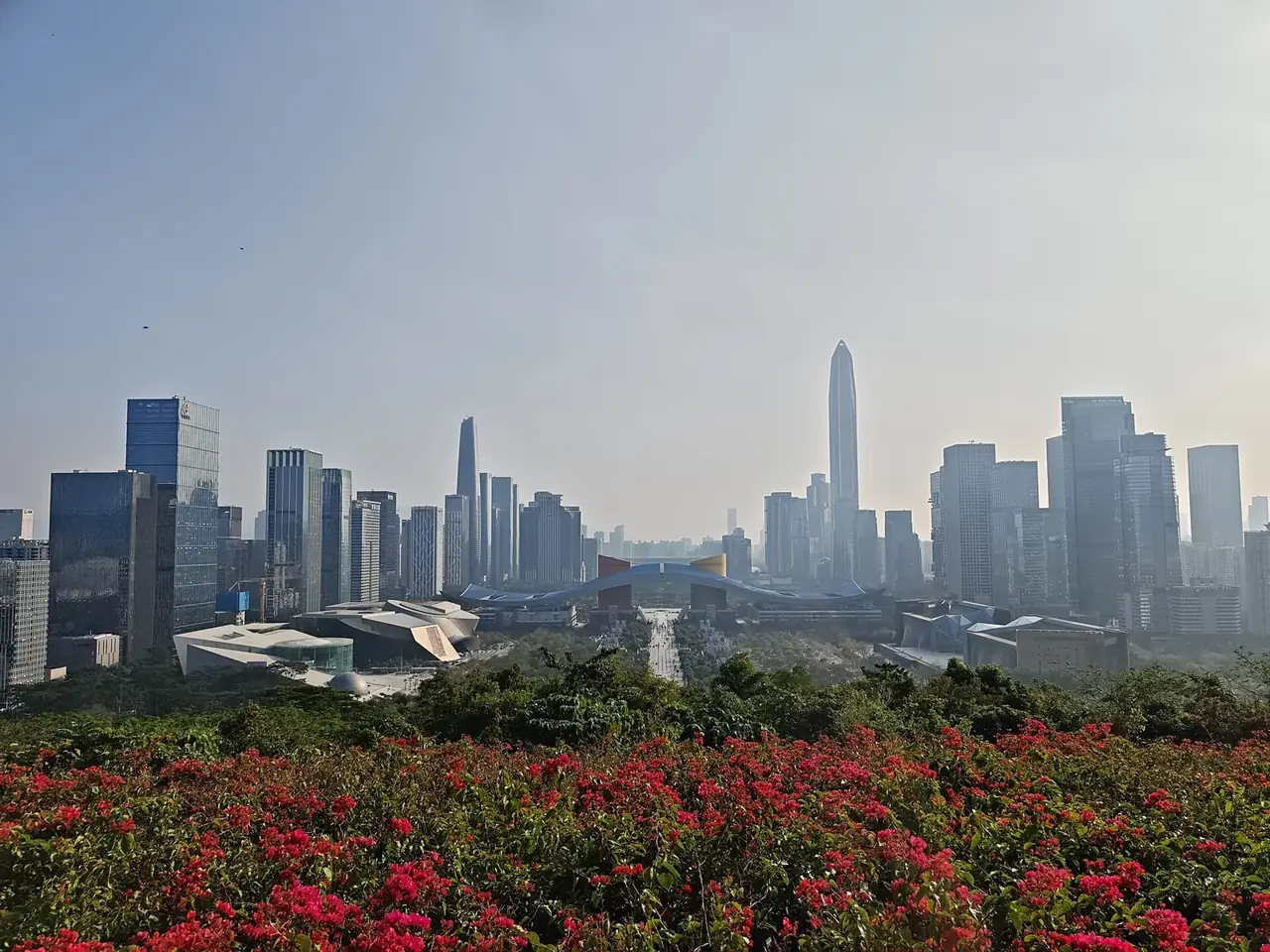
How did movement of people become Shenzhen’s capacity to innovate?
Open chapter ↗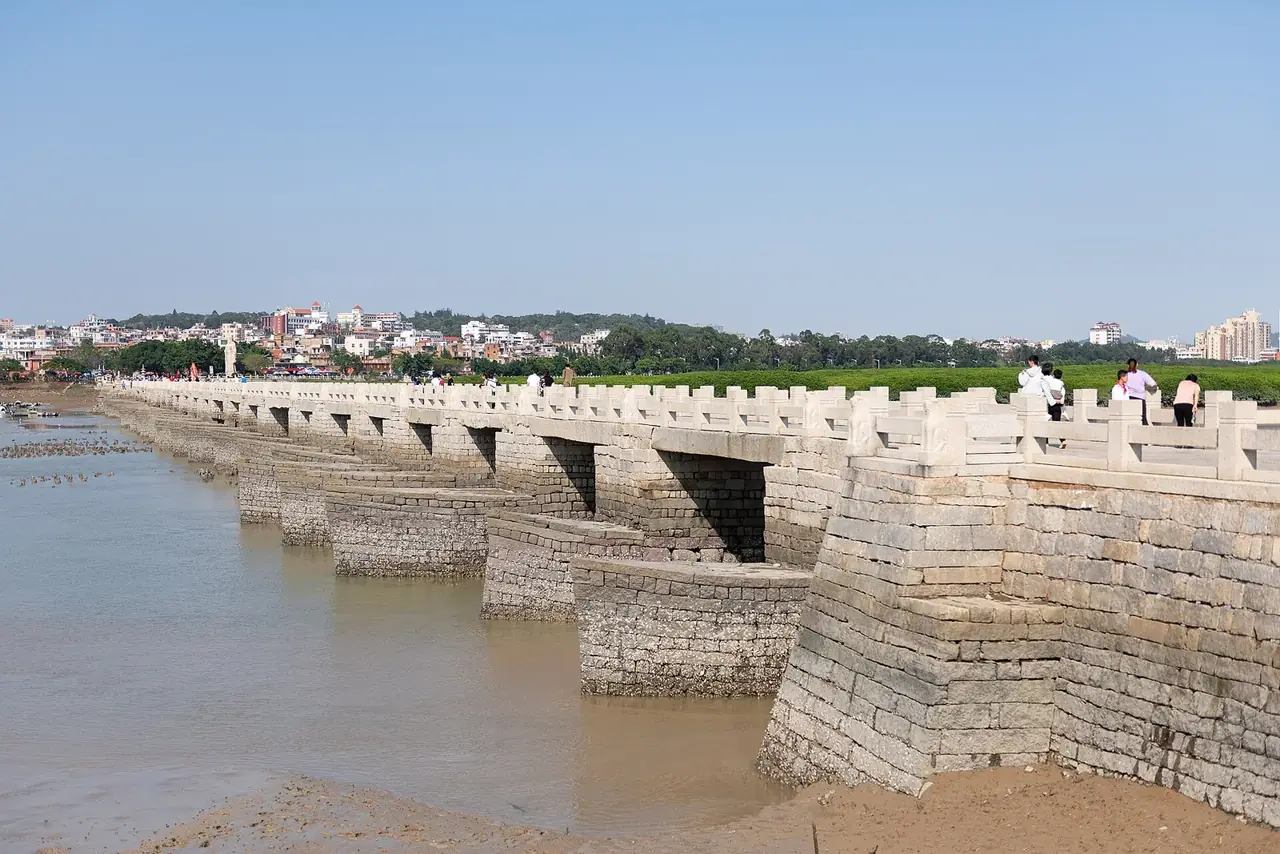
How did one port bring the world to Quanzhou?
Open chapter ↗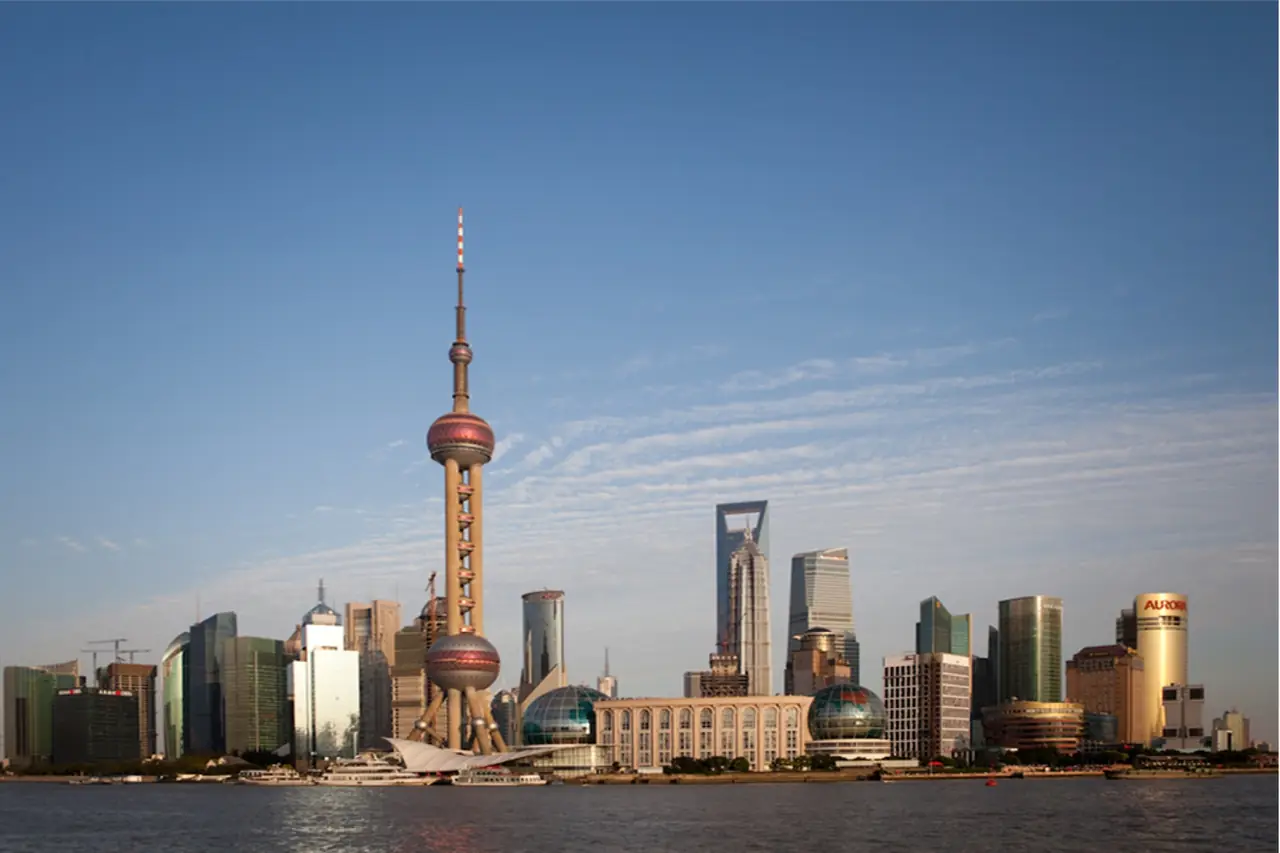
How did Shanghai organize constant arrivals into a world city?
Open chapter ↗


