Why here
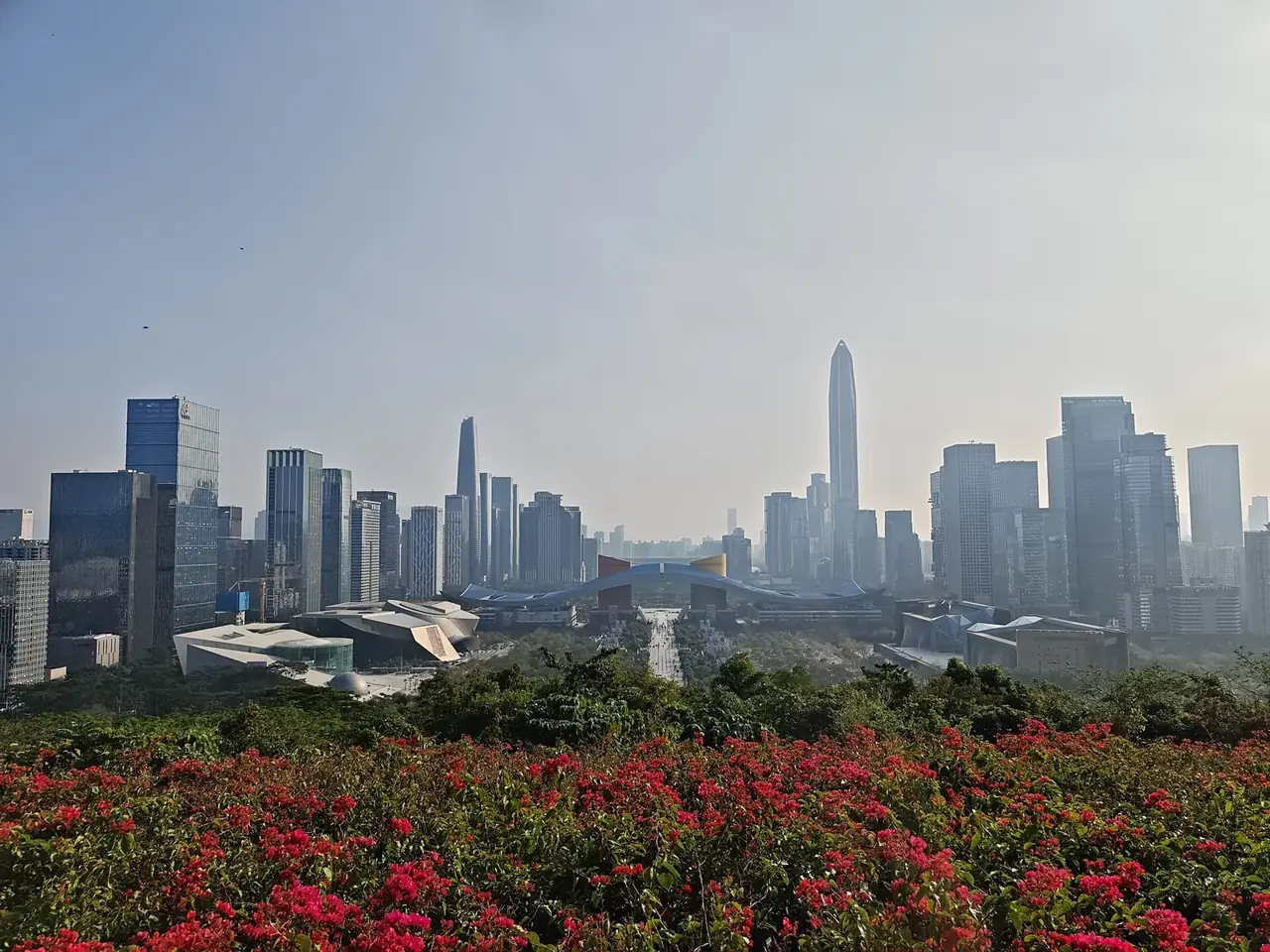
Its position on the eastern Pearl River estuary beside Hong Kong turned a boundary into a resource.
CITY ATLAS / 10
Nantou, coastal defense, the Kowloon–Canton Railway, the Special Economic Zone and manufacturing tell a history longer than four decades.
READING GUIDE
Start with the long-term force shaping the city, then move into chronology, urban systems and surviving evidence.
01 / Chapter
The city’s establishment in 1979 and the SEZ in 1980 were decisive, but salt administration, county government, defense and markets came earlier. Reform then gathered builders, firms and technology from across China.
THREE LENSES / THREE LENSES
Geography sets conditions, turning points redirect the path, and daily life carries long memory.
Its position on the eastern Pearl River estuary beside Hong Kong turned a boundary into a resource.
The special economic zone compressed institutional experiment, migration and manufacturing into a brief urban cycle.
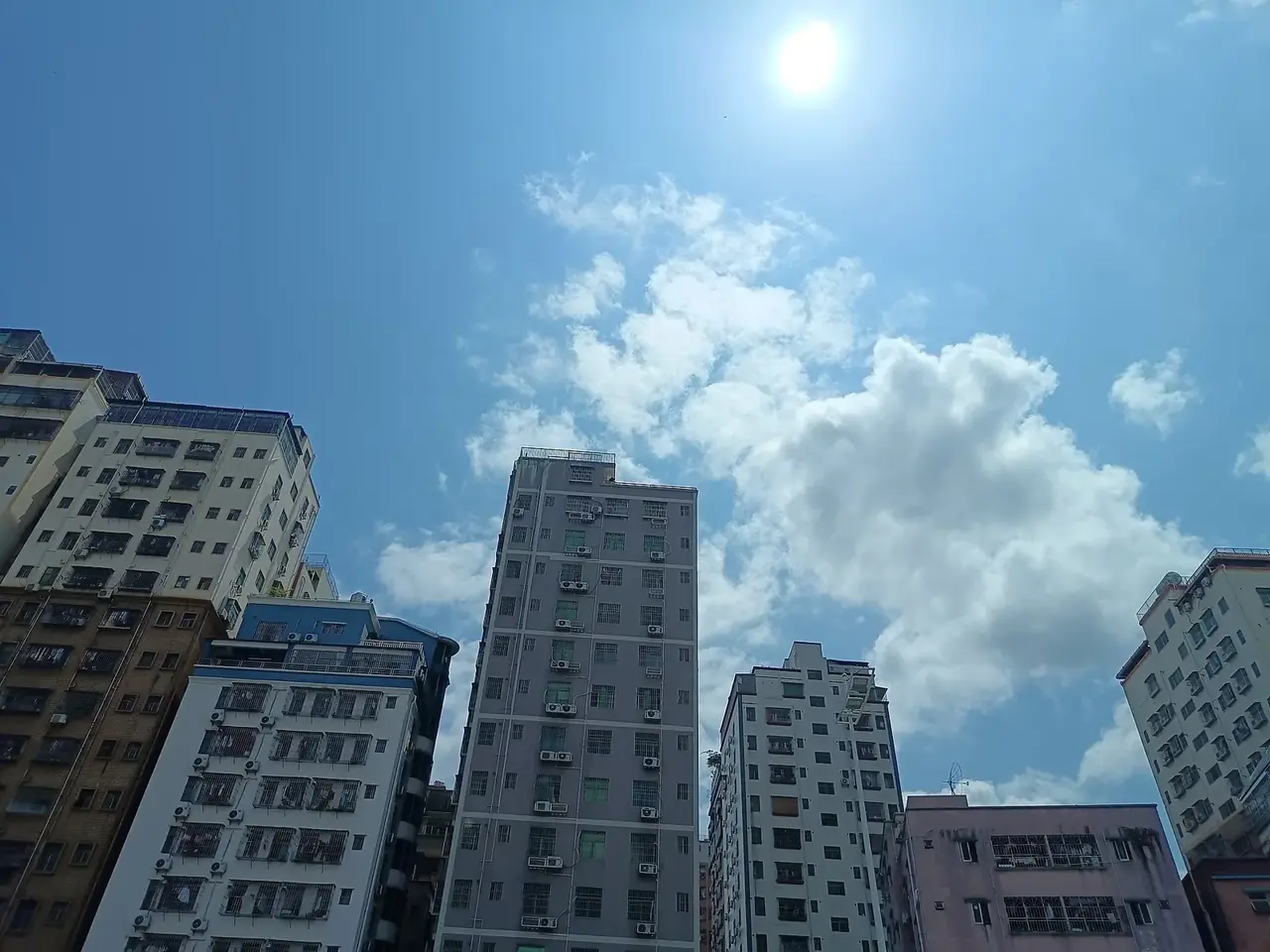
Urban villages, technology parks and checkpoints record how a migrant city continually reorganizes opportunity.
CITY HISTORY / 城市时间
Reform changed Shenzhen decisively, but its coastline, county seat, markets and railway form a longer prehistory.
A salt administration operated near Nantou.
Dongguan Commandery was established at Nantou.
Dapeng and other forts served coastal defense.
The Kowloon–Canton Railway strengthened Shenzhen market.
The city and Special Economic Zone were established.
Manufacturing expanded toward research and services.
01 / Coast
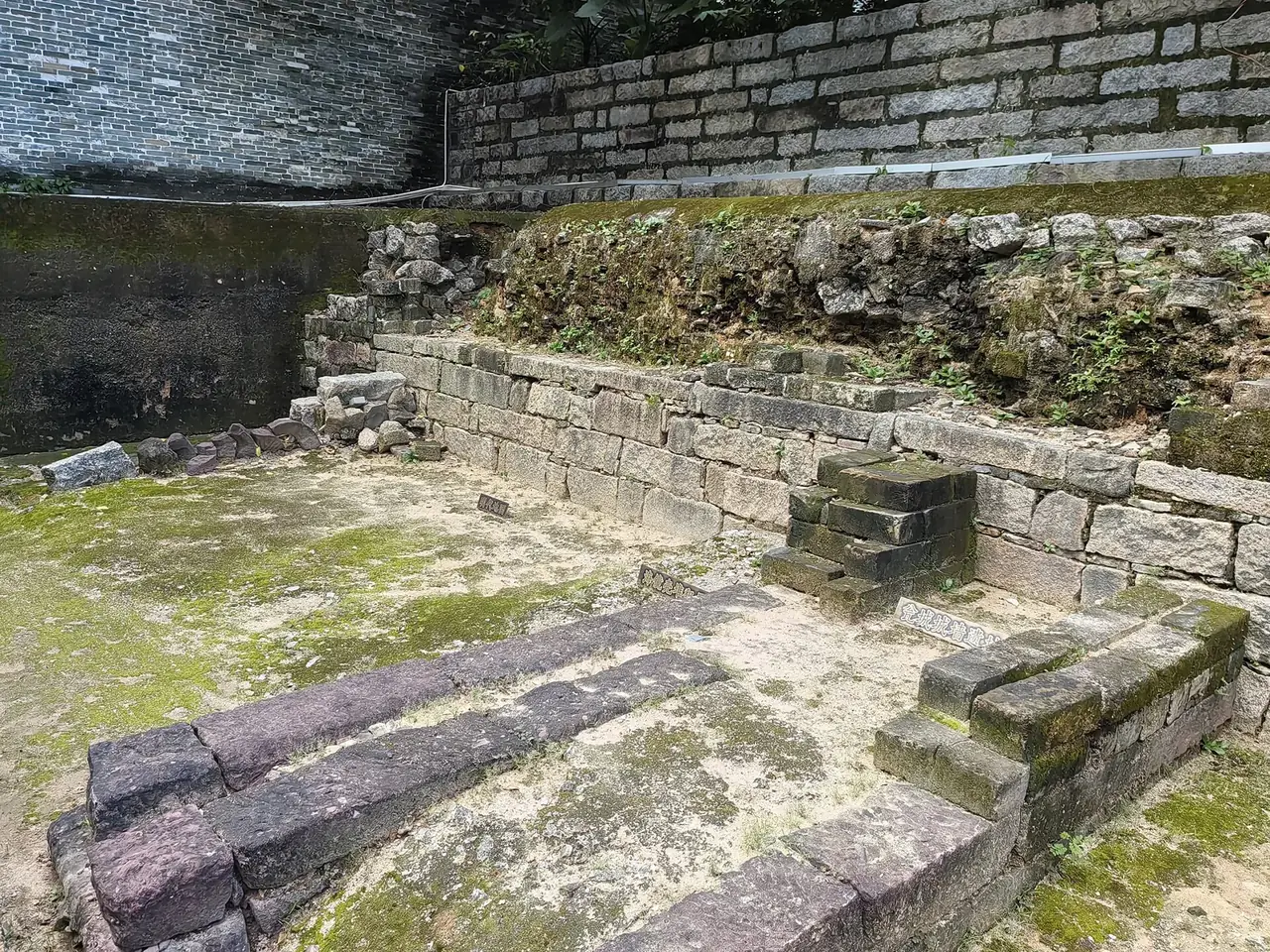
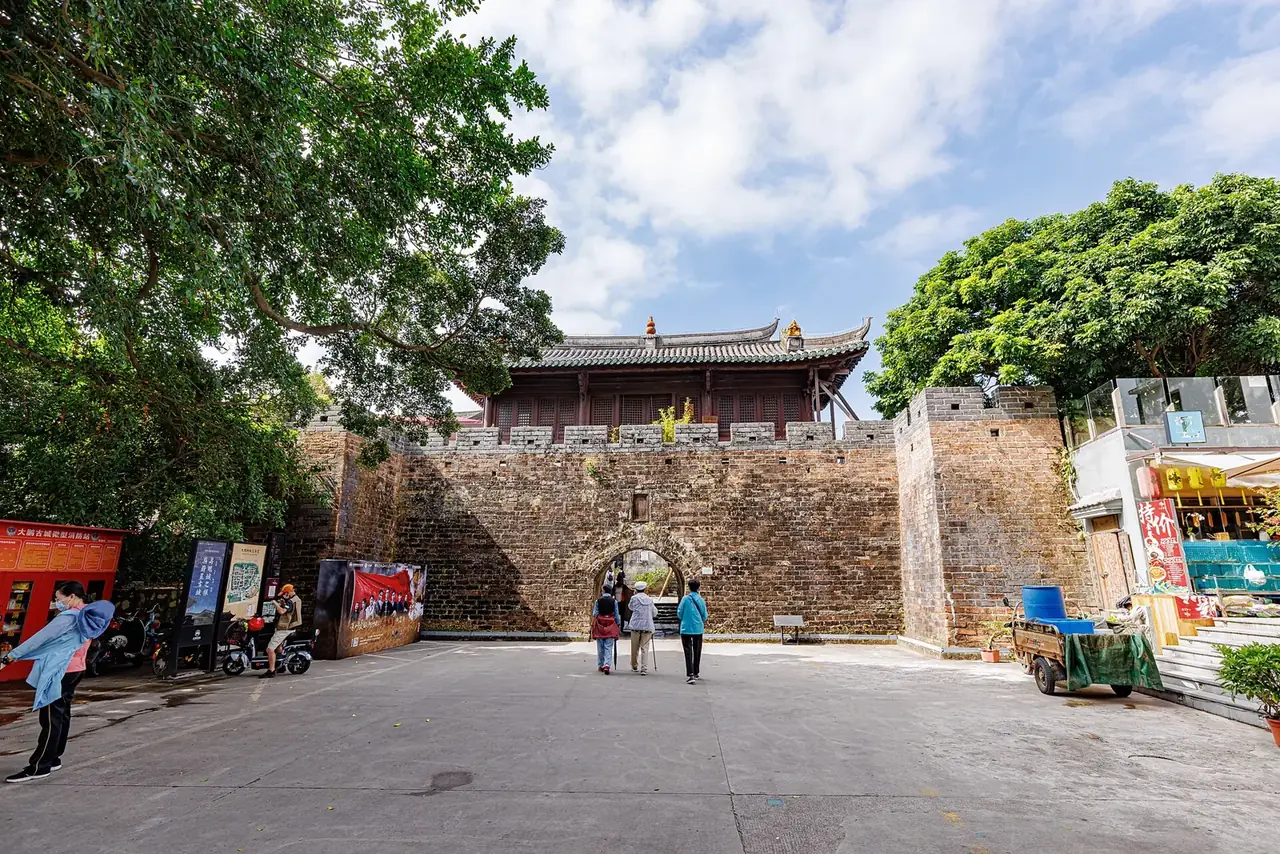
Salt administration existed near Nantou in Han times, and a regional commandery was established there in 331. Dapeng and other forts later guarded the coast.
This past does not diminish the post-1979 transformation. It corrects the idea that the area had no history before the SEZ.
02 / Crossing
A modern border, railway and cross-border trade encouraged Shenzhen market town. Movement and exchange gave the place new importance.
The city adopted the name Shenzhen partly because its crossing and market were already known. A boundary could restrict and gather movement at once.
03 / Reform
The city was established in 1979 and the SEZ in 1980. Roads, industrial zones, crossings and housing had to be built rapidly, drawing workers and entrepreneurs from across China.
Policy created opportunity; ordinary labor turned it into infrastructure, products and communities. Migrants belong at the center of “Shenzhen speed.”
04 / Today
Export manufacturing created supply chains and skills. Electronics, research, finance and services later changed the economy.
Growth also brought pressure on housing, ecology, heritage and services. Openness now includes making stable lives possible for those who arrive.
02 / Urban system
“Shenzhen speed” includes policy, infrastructure, factories, housing and ordinary builders.
Nantou and Dapeng record administration and defense.
Rail and cross-border trade grew Shenzhen market town.
Policy experiments attracted capital and people.
Manufacturing, research and services formed new networks.
03 / Selected exhibits
Open an exhibit to see how it supports the chapter.
Layers of administration reach back to the fourth century.
See references ↓Coastal remains reveal Shenzhen’s maritime past.
See references ↓Infrastructure sites record the first SEZ years.
See references ↓Industry, crossings and parks shape a dense city.
See references ↓04 / IN ONE SENTENCE
05 / Sources
References support the historical facts, heritage information and city data used in this chapter. Photo creators, licenses and original files appear in the image credits.
Images resized and converted; display may be cropped.
Explore another
Related by geographic region and historical themes rather than random recommendation.
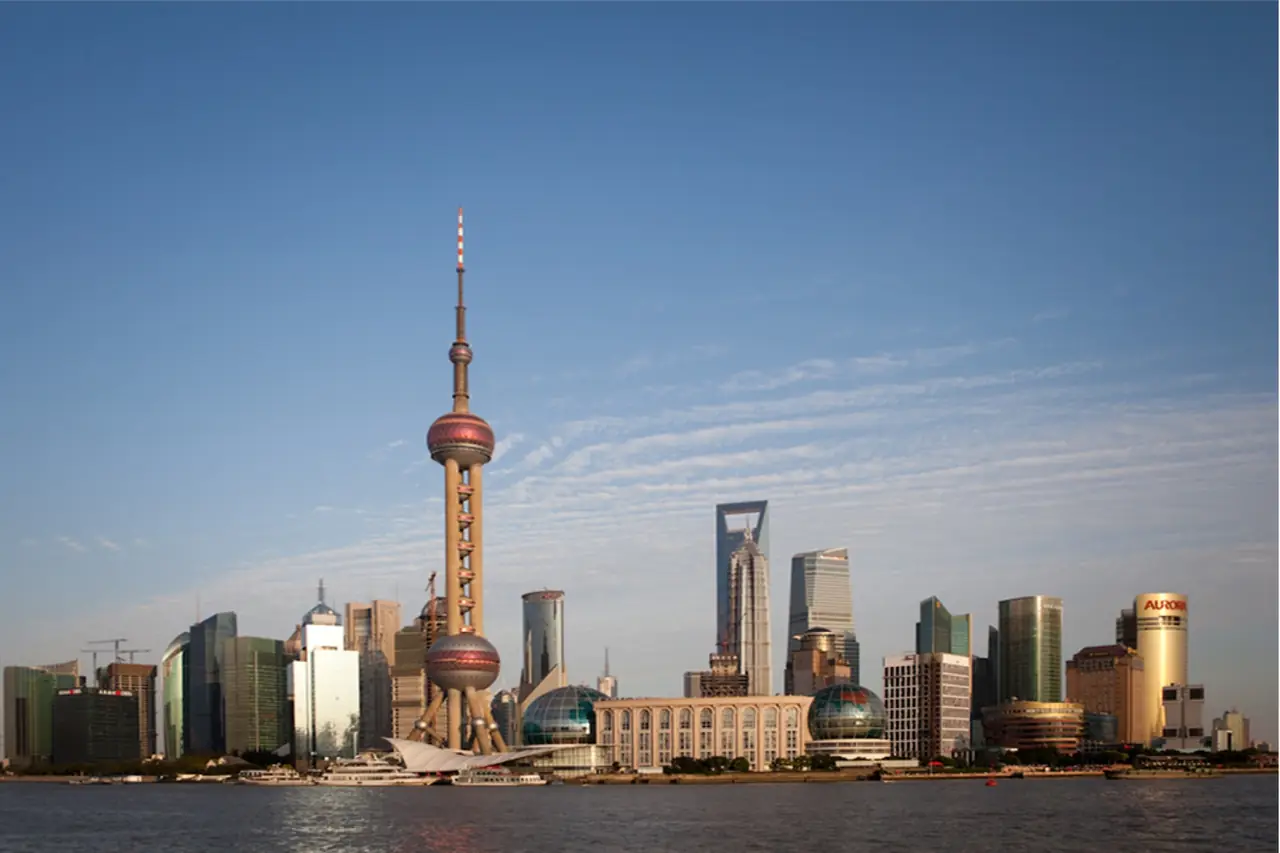
How did Shanghai organize constant arrivals into a world city?
Open chapter ↗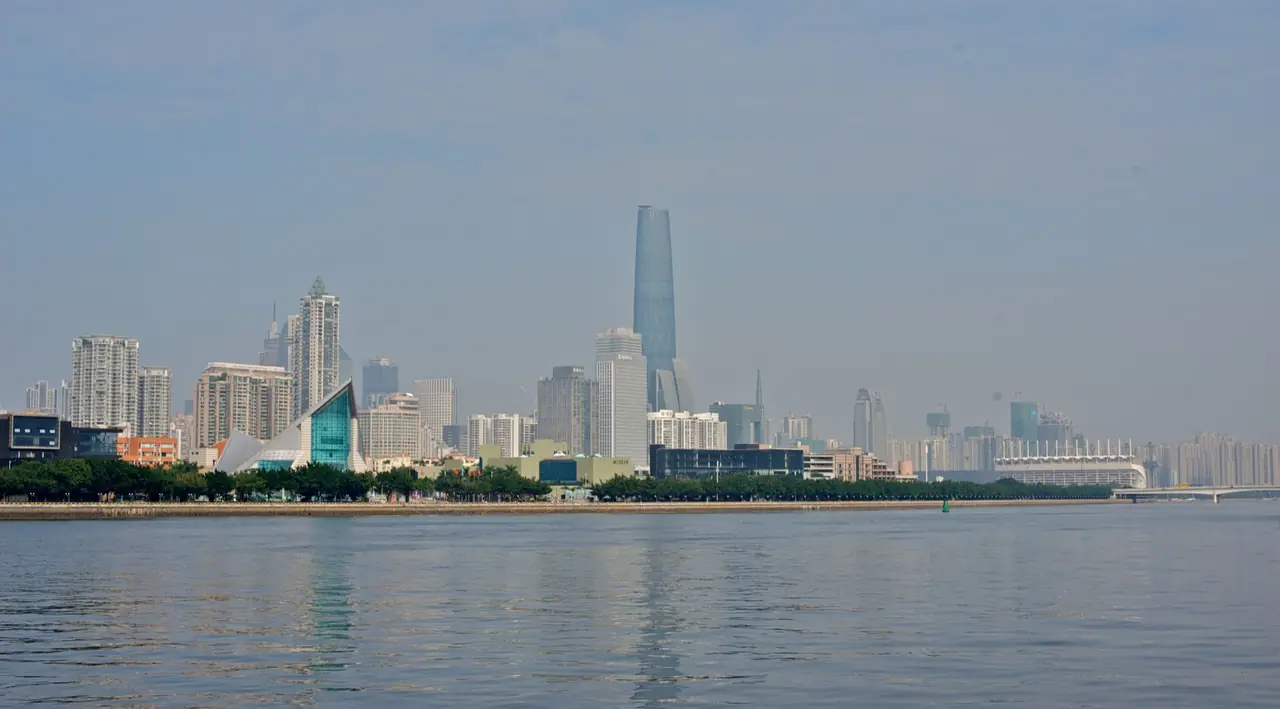
How has Guangzhou renewed overseas trade for two millennia?
Open chapter ↗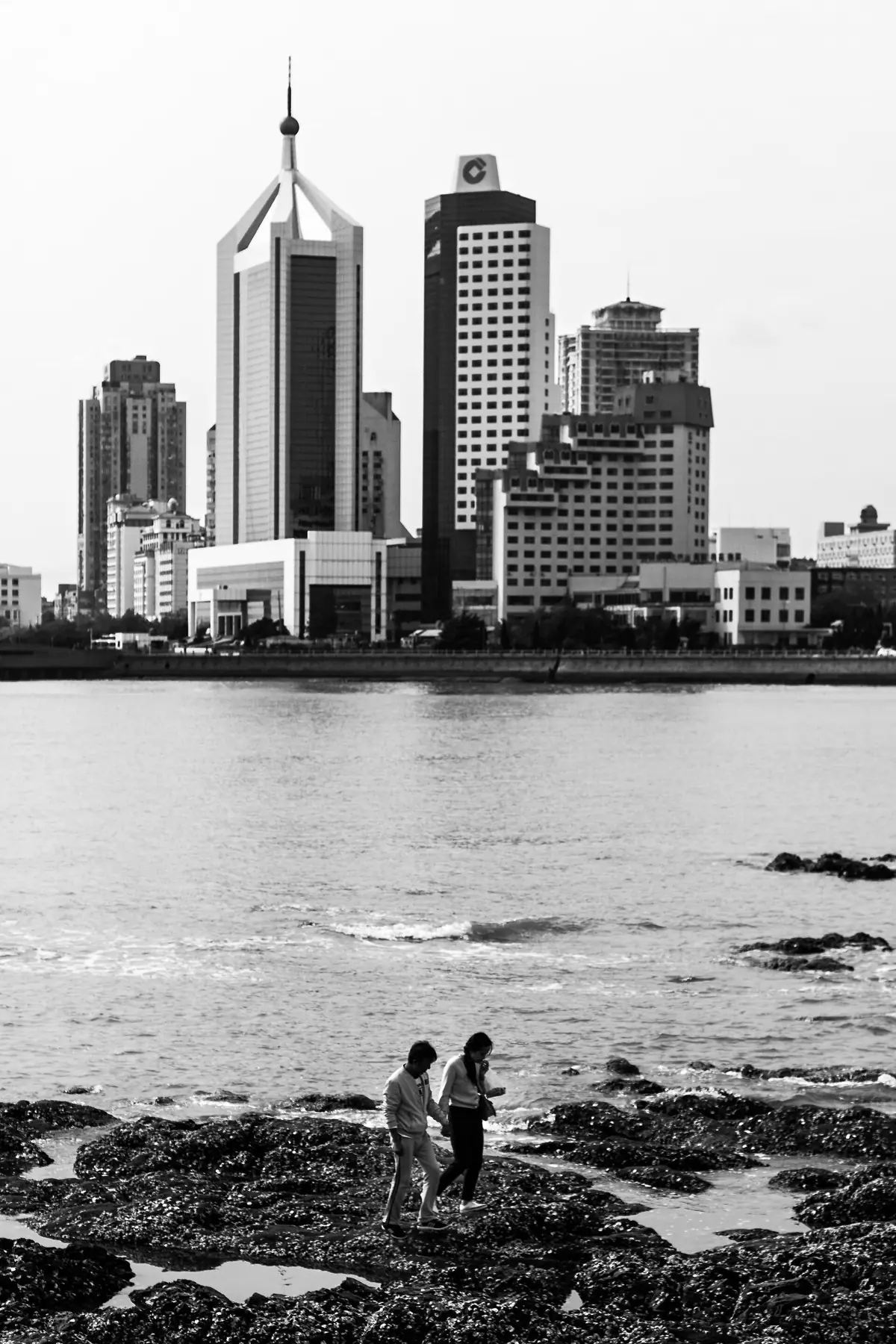
How did Qingdao turn an imposed port plan into its own urban life?
Open chapter ↗


