Why here
The Songhua River, severe winters and railway junction determined the city’s engineered foundations.
CITY ATLAS / 15
The Chinese Eastern Railway brought stations, workshops and migrants; industry and winter life later made the hub a major northeastern city.
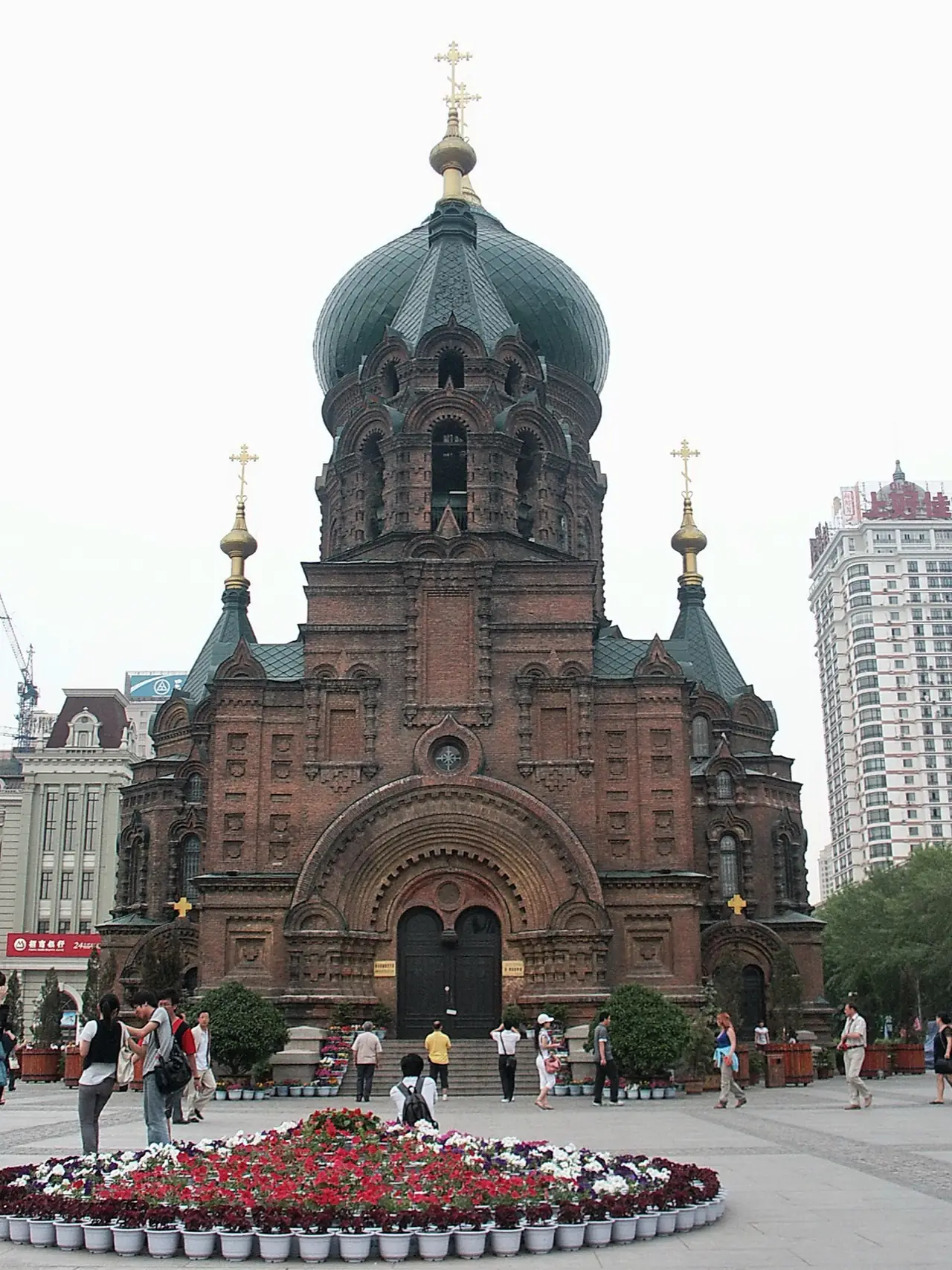
READING GUIDE
Start with the long-term force shaping the city, then move into chronology, urban systems and surviving evidence.
01 / Chapter
Villages and river routes preceded the railway. Construction in the late nineteenth century produced a new city of multilingual communities and commerce, while war and occupation repeatedly changed its residents. Industry and public culture then reshaped winter life.
THREE LENSES / THREE LENSES
Geography sets conditions, turning points redirect the path, and daily life carries long memory.
The Songhua River, severe winters and railway junction determined the city’s engineered foundations.
The Chinese Eastern Railway rapidly concentrated migrants, capital, architecture and industry.
Neighborhood architecture, winter life and industrial memory express a cross-cultural cold-region city.
CITY HISTORY / 城市时间
Railway construction turned settlements by the Songhua into a transnational hub, compressing imperial rivalry, migrant labor and winter survival into one city.
Chinese Eastern Railway construction formed a new city.
The main railway opened.
A major East Asian political event occurred at Harbin Station.
Japanese occupation transformed the city.
Industry and reconstruction entered a new phase.
The international ice festival developed.
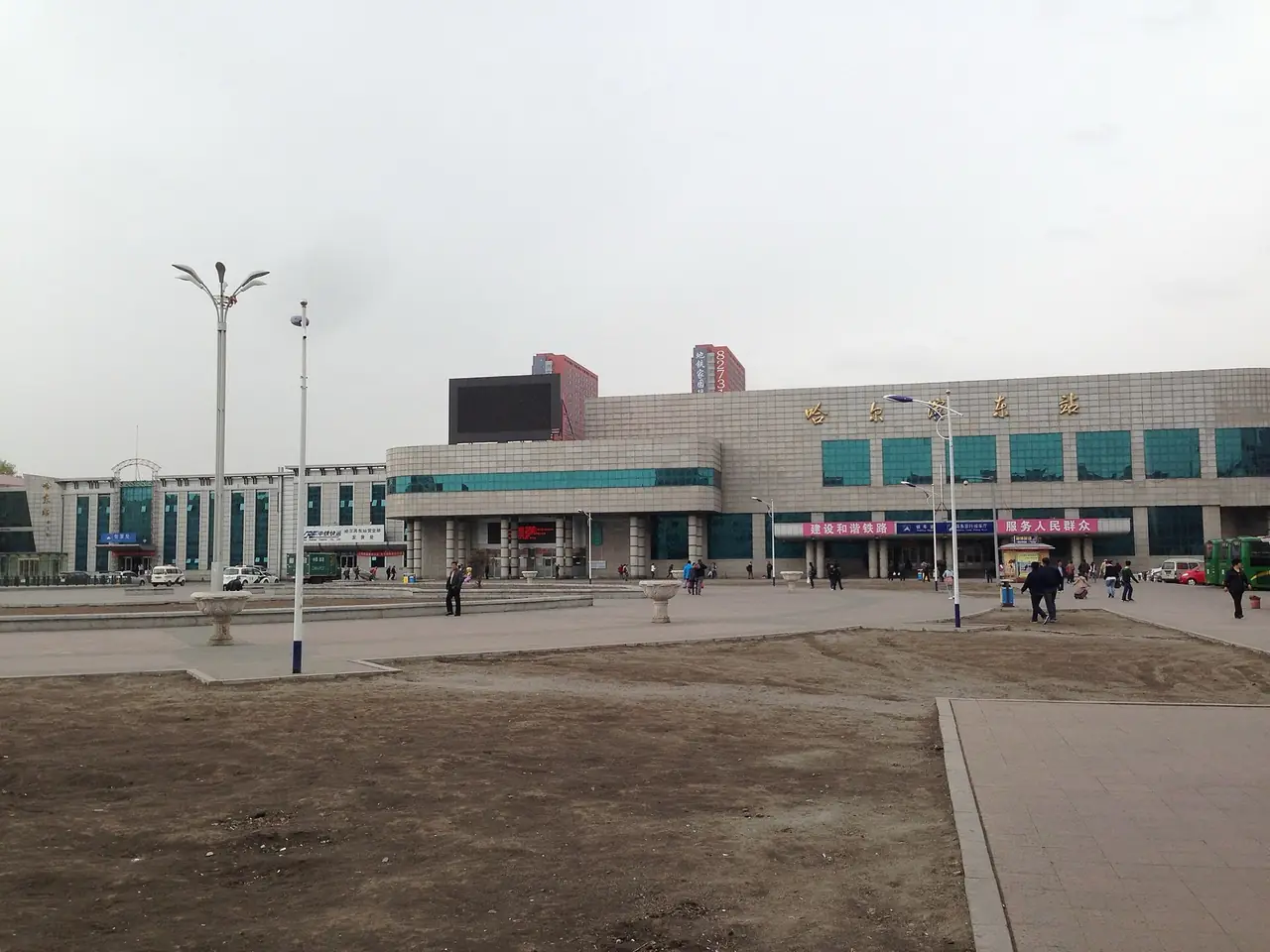
01 / Rail
Harbin sat at a railway junction and river route. Station, workshop, warehouse and housing were built together around transport.
02 / Migration
Chinese migrants and Russian, Jewish and other communities brought commerce, schools, religion and music into adjoining neighborhoods.
03 / Conflict
Churches, consulates and railway buildings belong to histories of expansion and occupation. Residents endured changing rule, displacement and coercion.
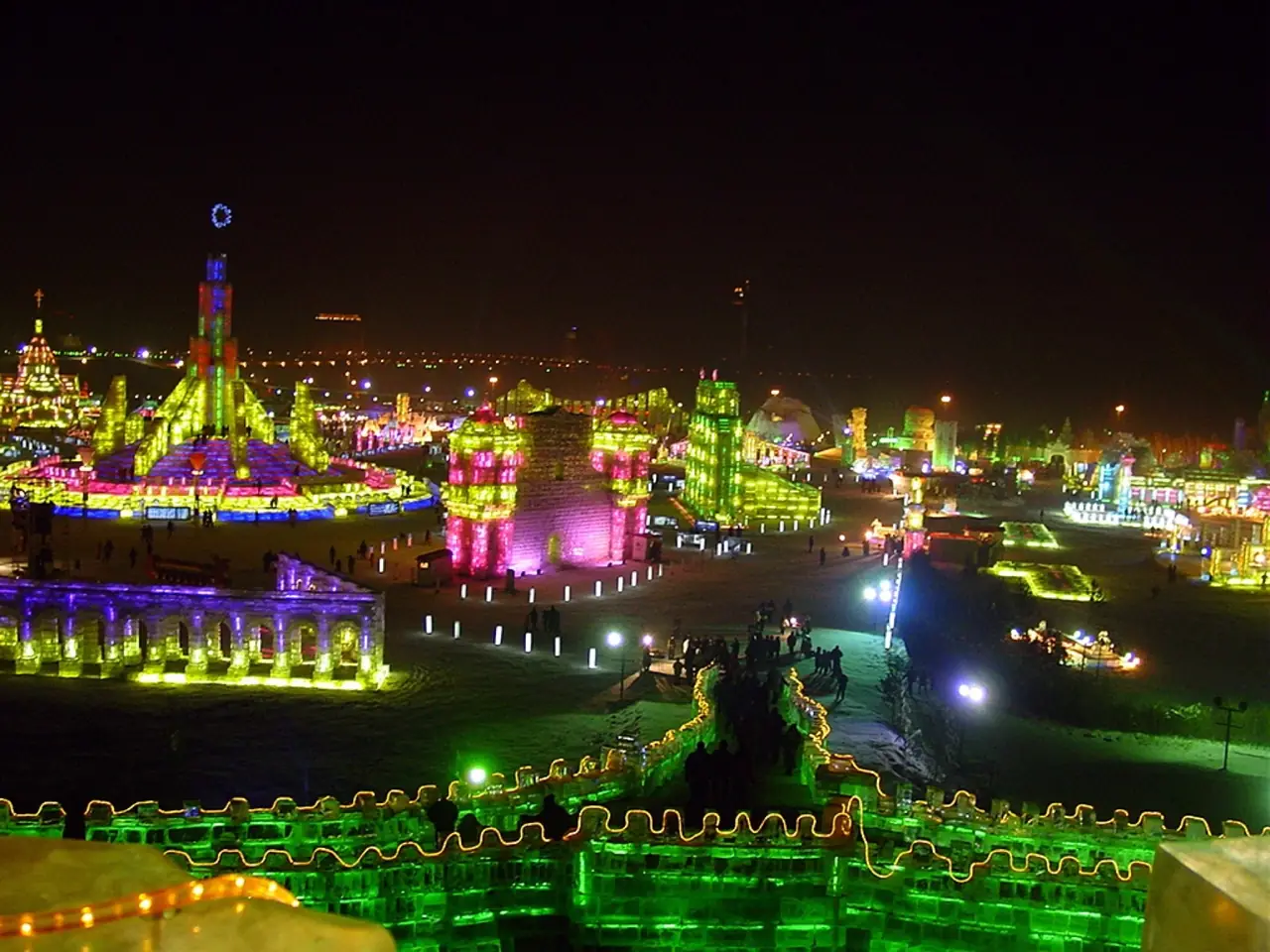
04 / Winter
Heating, food storage, indoor performance and ice craft answer severe winters. Festivals transformed survival knowledge into public art.
02 / Urban system
European-style buildings must be read with colonial rail power and ordinary labor, not as exotic scenery.
Stations and workshops gathered population.
Chinese, Russian, Jewish and other groups built neighborhoods.
Imperial rivalry and occupation changed governance.
Industry, heating, music and ice culture shaped daily life.
03 / Selected exhibits
Open an exhibit to see how it supports the chapter.
Rail determined early urban form and regional links.
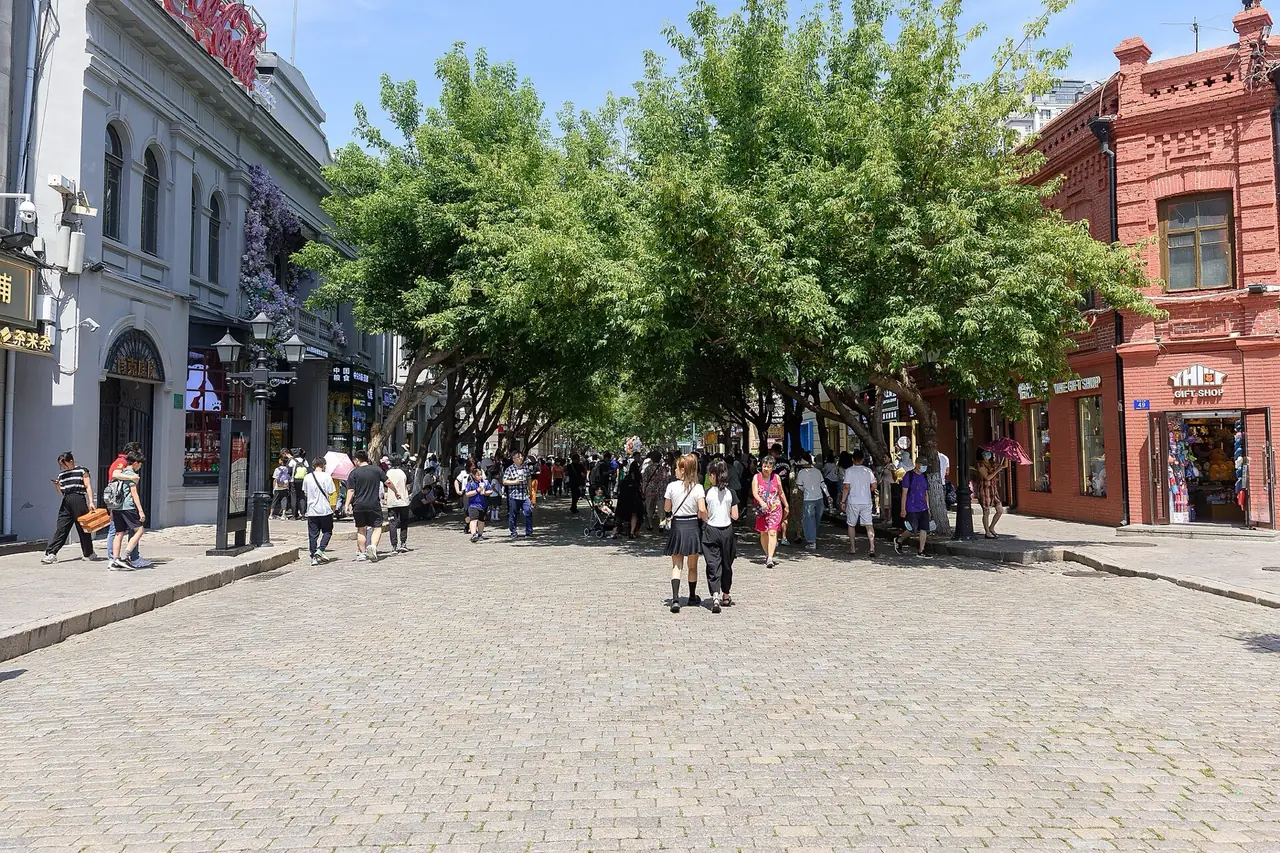
See references ↓The building records migration, religion and political change.
See references ↓A commercial avenue preserves layered civic life.
See references ↓Indoor performance and winter public events answer the cold.
See references ↓04 / IN ONE SENTENCE
05 / Sources
References support the historical facts, heritage information and city data used in this chapter. Photo creators, licenses and original files appear in the image credits.
Images resized and converted; display may be cropped.
Explore another
Related by geographic region and historical themes rather than random recommendation.
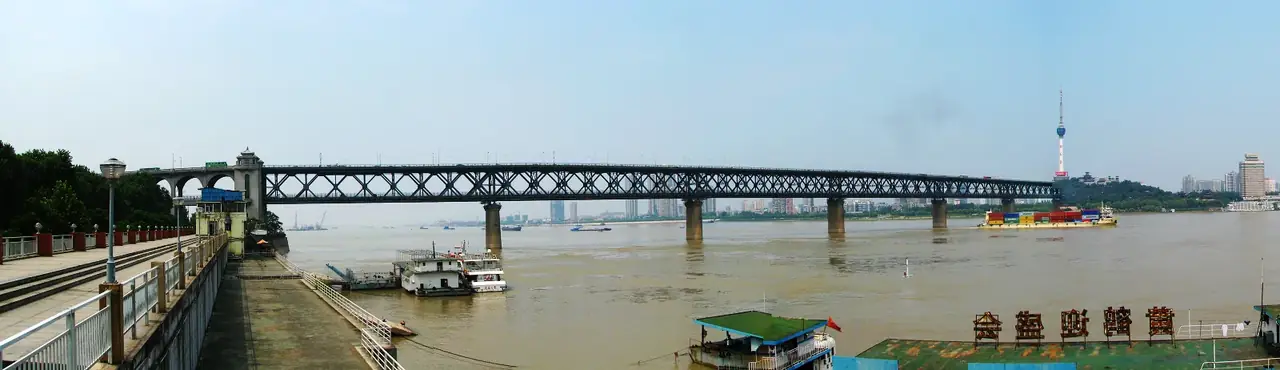
How were three towns stitched into one transport hub?
Open chapter ↗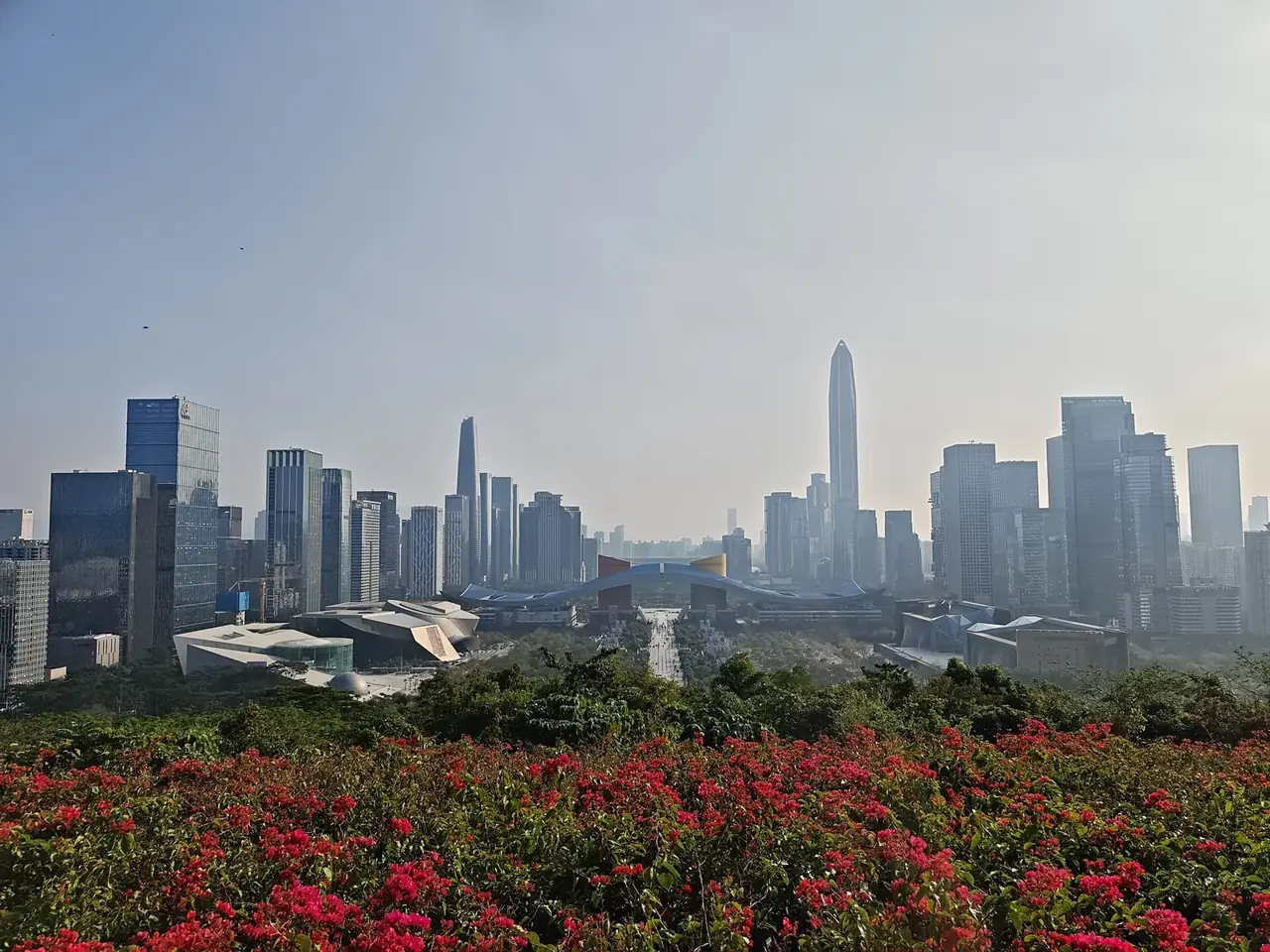
How did movement of people become Shenzhen’s capacity to innovate?
Open chapter ↗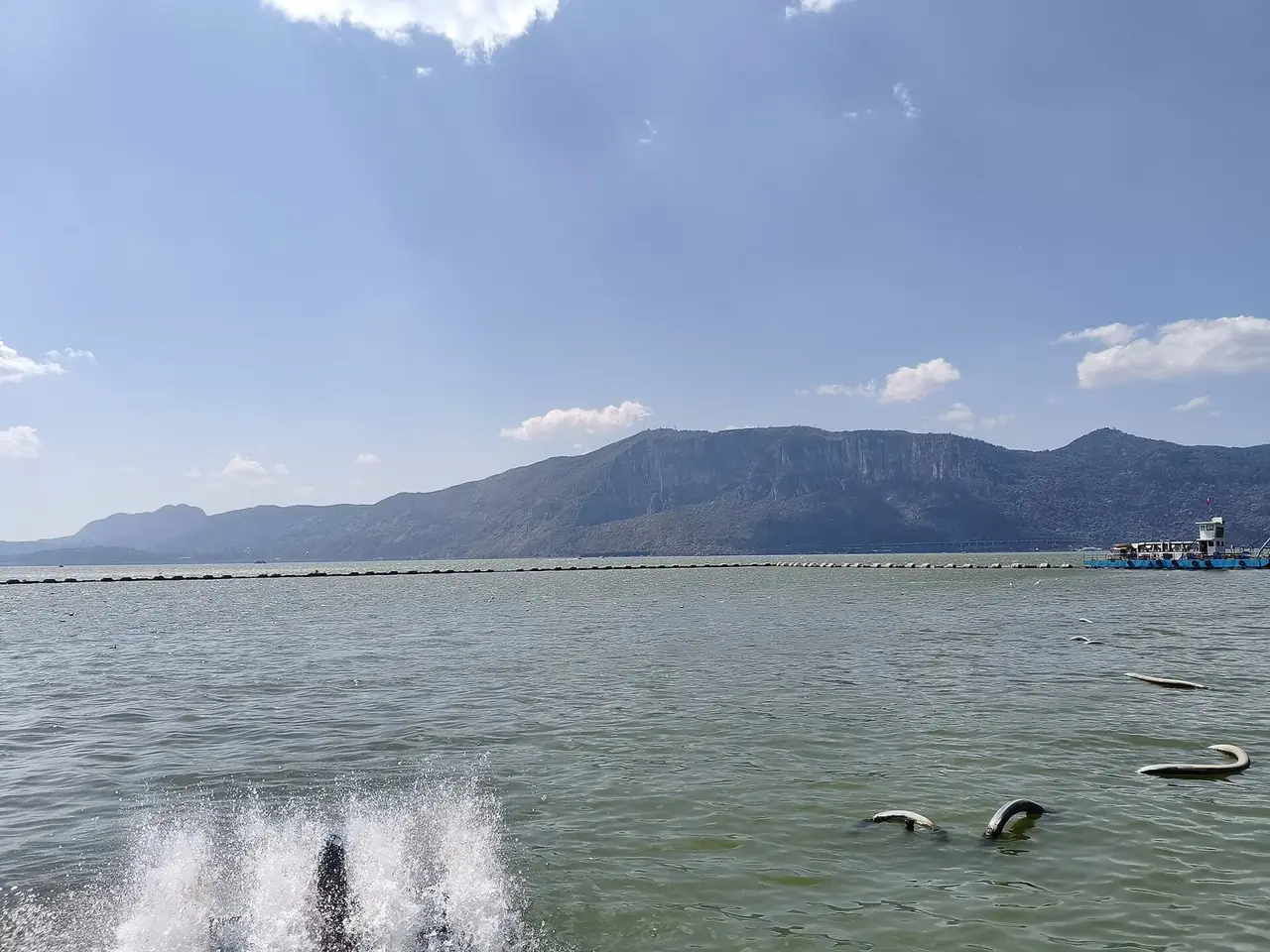
How did Kunming become a gateway between the plateau and southern worlds?
Open chapter ↗


