Why here
Porcelain stone, kaolin, fuel and Chang River transport sustained long-term production.
CITY ATLAS / 28
Porcelain stone, kaolin, river transport, imperial kilns, specialized labor and global markets together made the Porcelain Capital.
READING GUIDE
Start with the long-term force shaping the city, then move into chronology, urban systems and surviving evidence.
01 / Chapter
Surrounding hills supplied porcelain stone, fuel and kaolin, while the Chang River moved materials and wares. Production expanded after the Song and Yuan; Ming–Qing imperial kilns concentrated management and technique, while private kilns and merchants reached broad markets. Industry later changed fuel and factories; creative communities and heritage protection now reshape the kiln city.
THREE LENSES / THREE LENSES
Geography sets conditions, turning points redirect the path, and daily life carries long memory.
Porcelain stone, kaolin, fuel and Chang River transport sustained long-term production.
Imperial kilns, private networks and global orders drove specialization and technical innovation.
Kiln sites, industrial heritage, studios and schools keep material knowledge moving today.
CITY HISTORY / 城市时间
The city is best read not through one perfect vessel but through materials, tools, gestures, failed sherds and trade routes.
Ceramic production developed in the Chang River basin.
The name Jingdezhen gradually followed the Northern Song reign title.
Kaolin blends and blue-and-white advanced high-fired porcelain.
Imperial and private kilns expanded into global markets.
Mechanization, state factories and new fuels reorganized production.
The city joined the Creative Cities Network; porcelain industry sites entered the World Heritage List.
01 / Materials
Nearby hills supplied porcelain stone, kaolin and historical fuel; the Chang River eased movement.
Extraction and fuel had environmental costs, requiring balance among heritage, production and repair.
02 / Labor
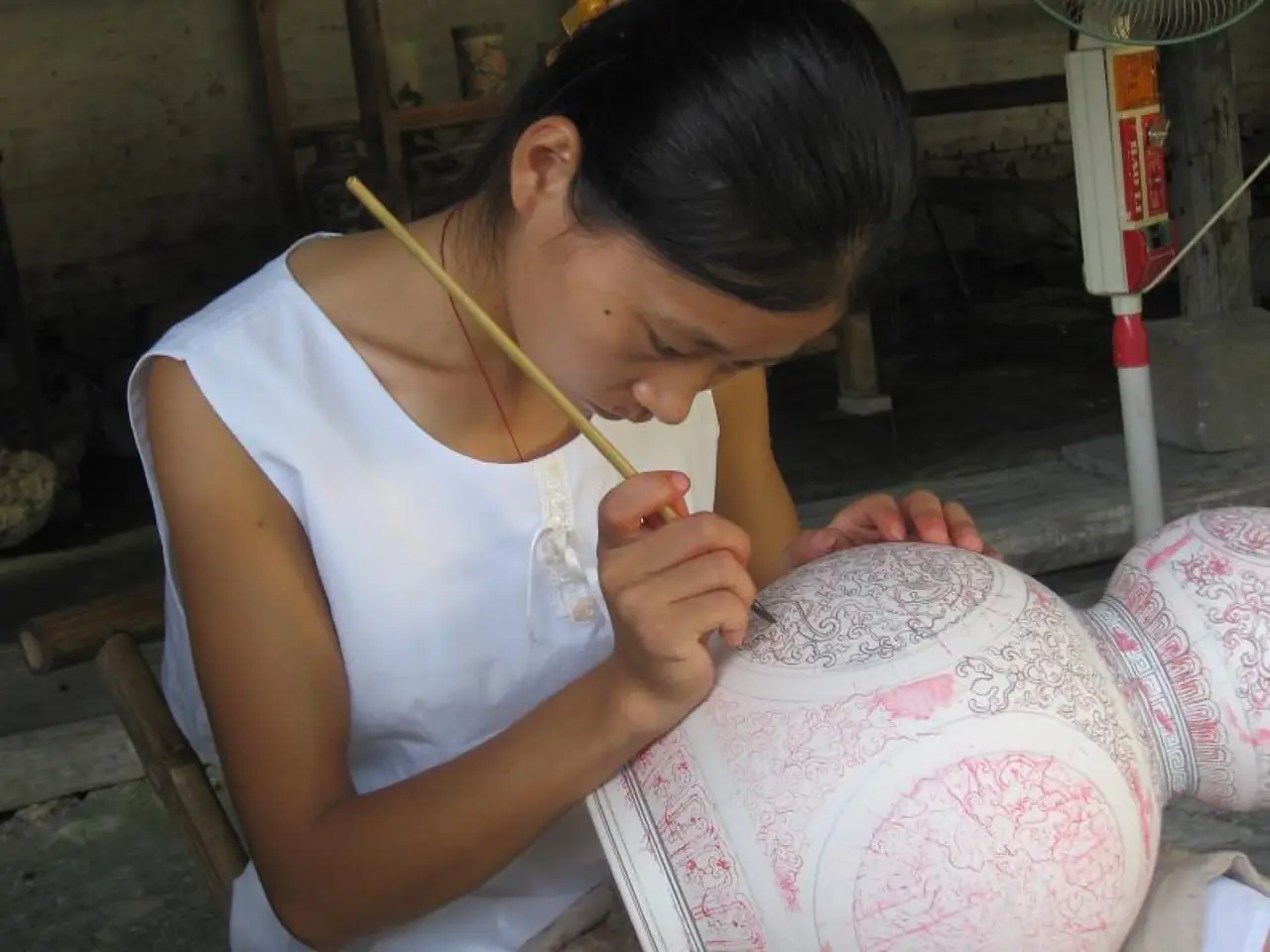
Production divides into mining, washing, clay preparation, forming, trimming, painting, glazing, loading and firing. Knowledge is distributed across households and kilns.
Wasters are archives of formula, standards and experiment.
03 / World
Overseas markets, materials and aesthetic exchange changed motifs and forms. Porcelain was continually redesigned through cross-cultural demand.
Export was not one-way: merchants, orders, copies and consumers all participated.
04 / Today
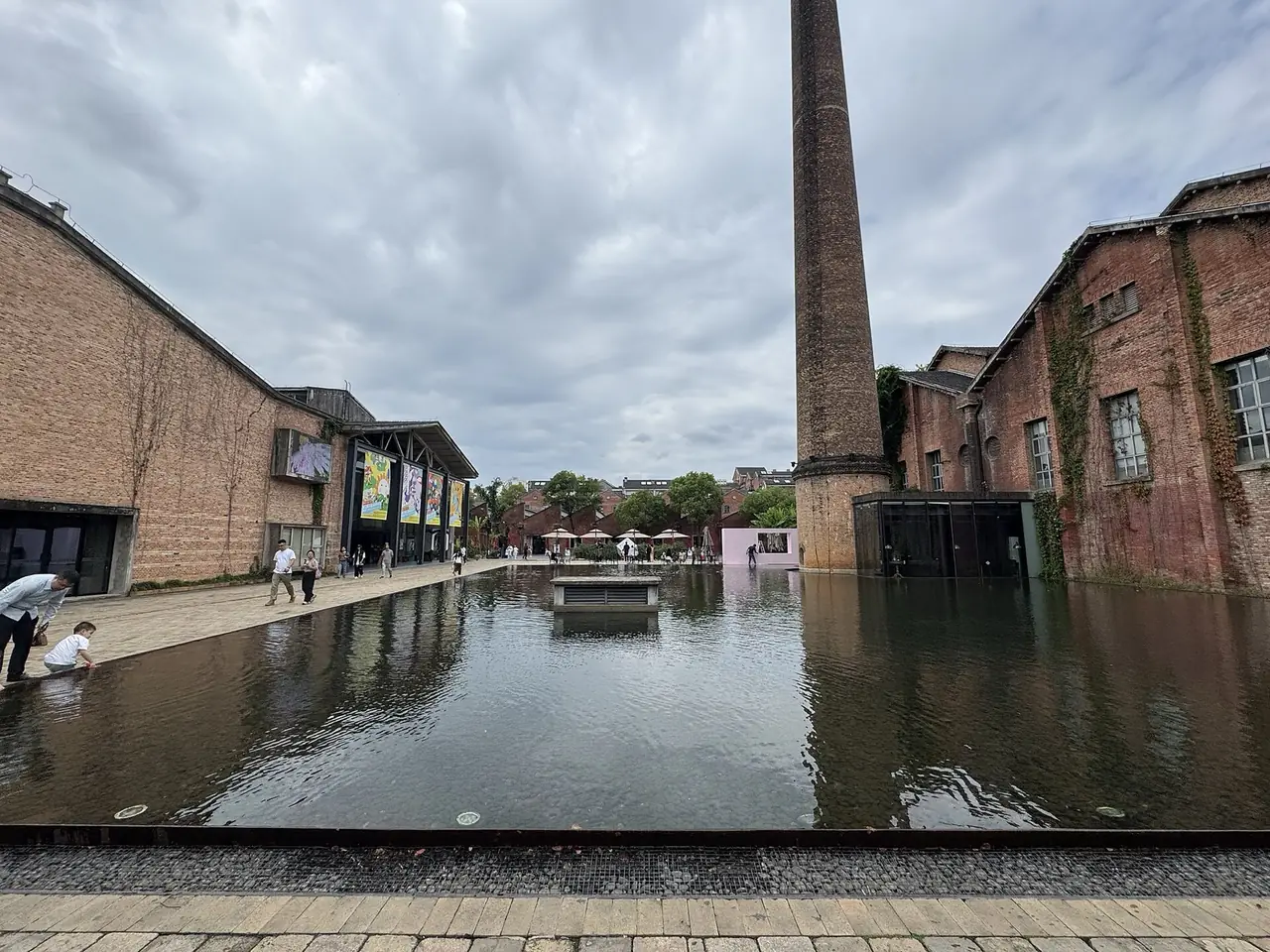
Industrial heritage, renewed factory districts and visiting makers give old sites new uses. Studios and schools build new knowledge networks.
Continuity means ongoing material research, livelihoods and experiment—not copying old objects.
02 / Urban system
Mining, forming, painting, glazing, saggar loading, firing and transport each depend on distinct knowledge and communities.
Porcelain stone, kaolin and fuel support production.
River movement joined materials, workshops and markets.
Imperial and private kilns advanced bodies, forms and decoration.
Trade, museums and contemporary practice widen meaning.
03 / Selected exhibits
Open an exhibit to see how it supports the chapter.
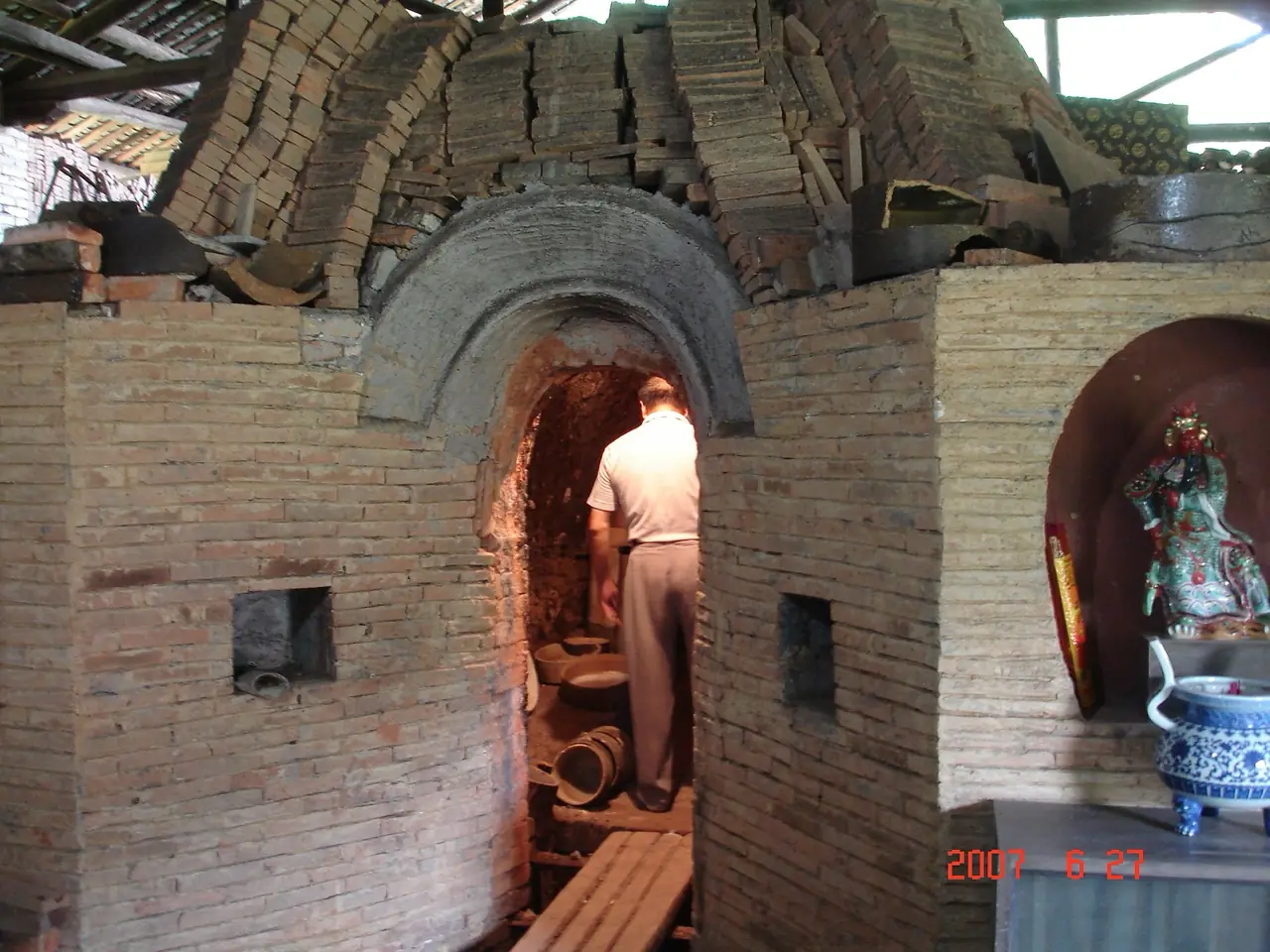
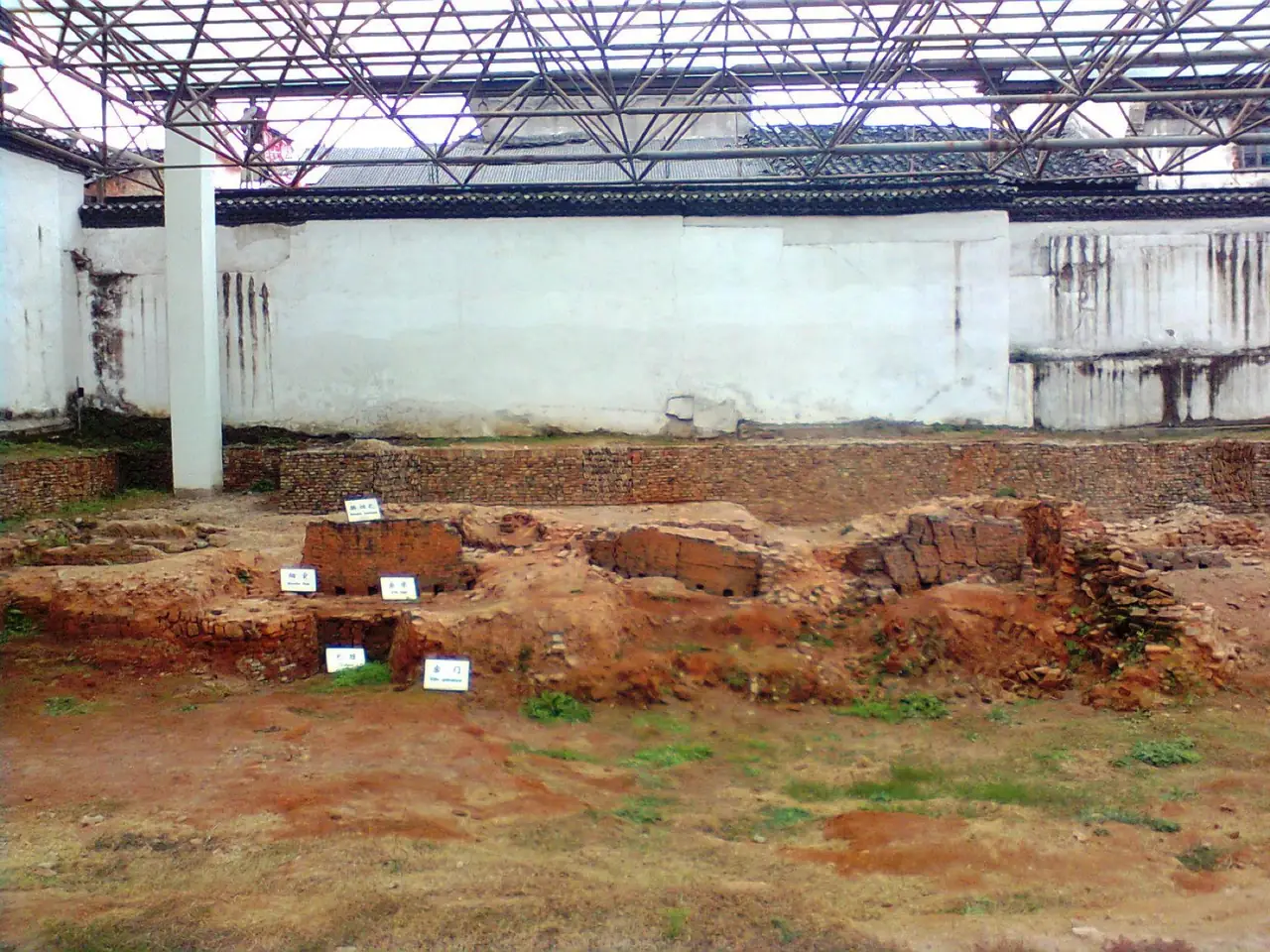
Kilns, workshops and sherds record rules, technique and failure.
See references ↓Blended raw materials enabled high-fired porcelain.
See references ↓Specialization distributes knowledge across artisans and workshops.
See references ↓Forms and patterns changed through cross-cultural demand.
See references ↓04 / IN ONE SENTENCE
05 / Sources
References support the historical facts, heritage information and city data used in this chapter. Photo creators, licenses and original files appear in the image credits.
Images resized and converted; display may be cropped.
Explore another
Related by geographic region and historical themes rather than random recommendation.
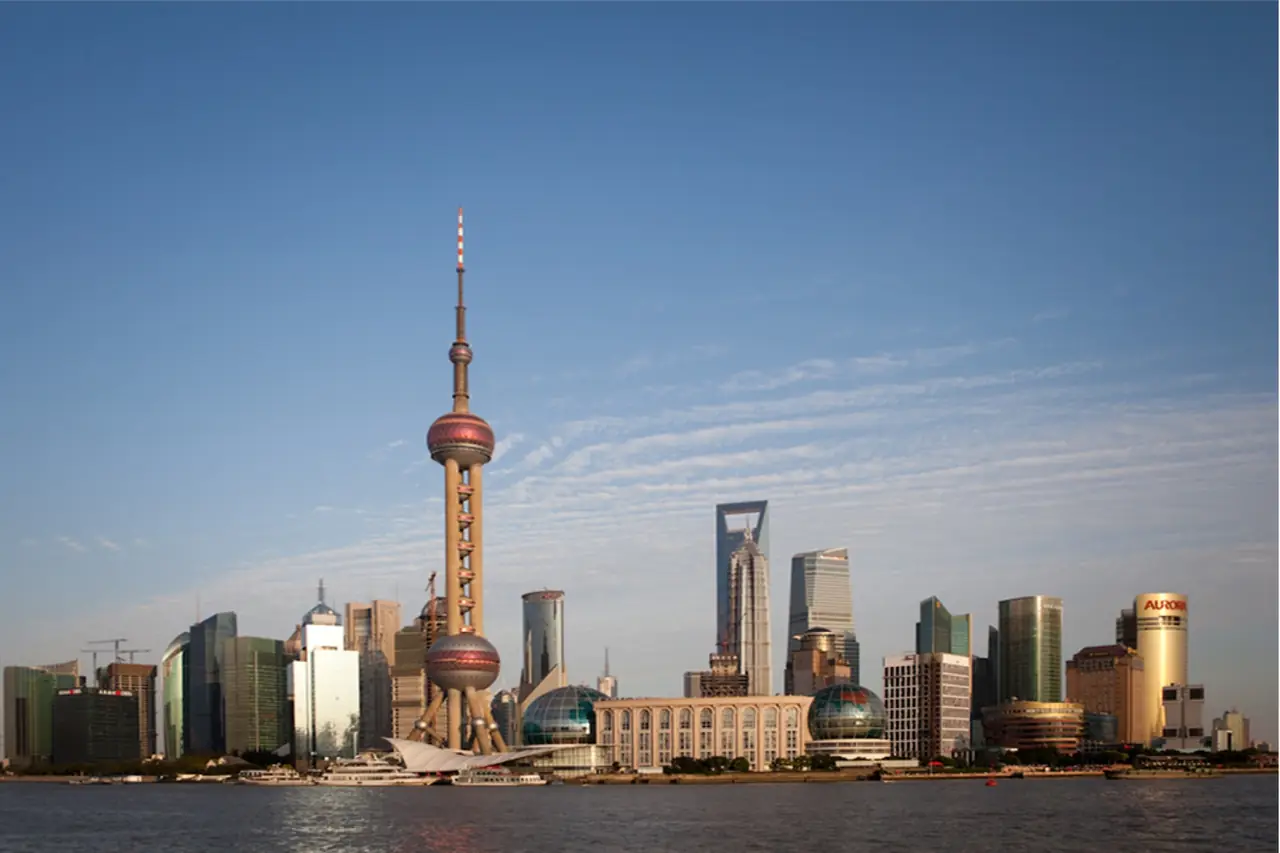
How did Shanghai organize constant arrivals into a world city?
Open chapter ↗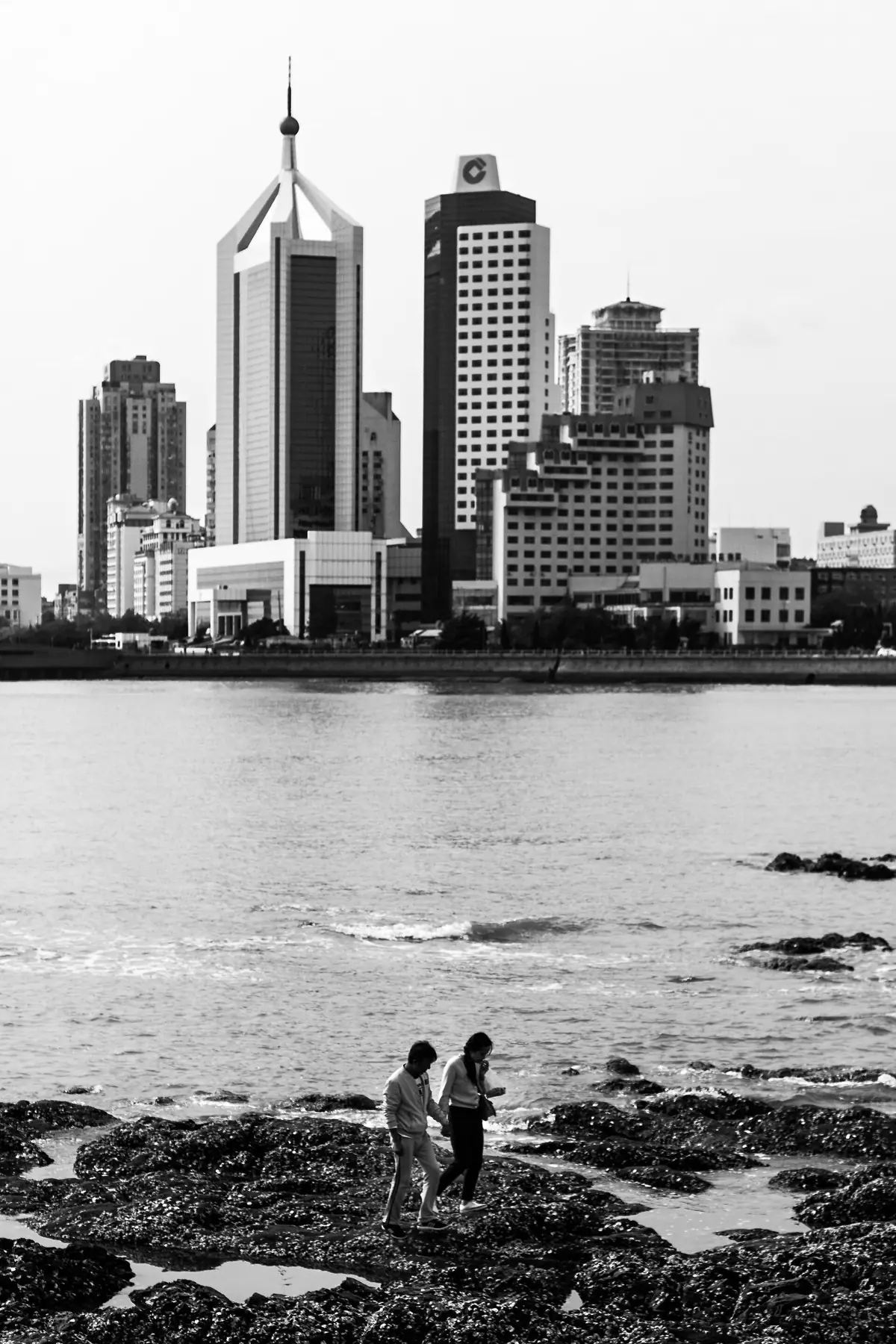
How did Qingdao turn an imposed port plan into its own urban life?
Open chapter ↗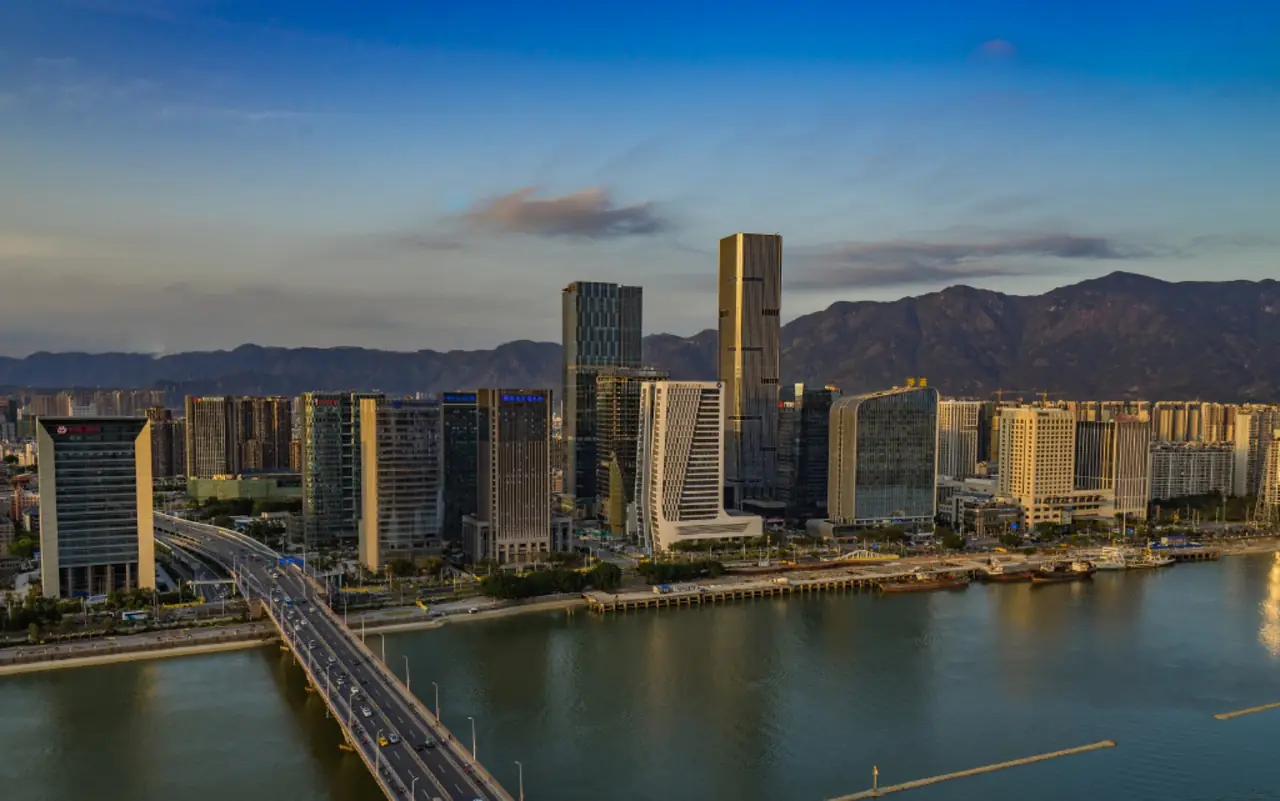
How did Fuzhou preserve neighborhood order while remaining open to the world between mountain and sea?
Open chapter ↗


