Why here
Island, bay and strait geography orient Xiamen toward shipping and cross-sea ties.
CITY ATLAS / 16
Coastal defense, treaty-port trade, Kulangsu, remittances and Minnan culture formed a port society.
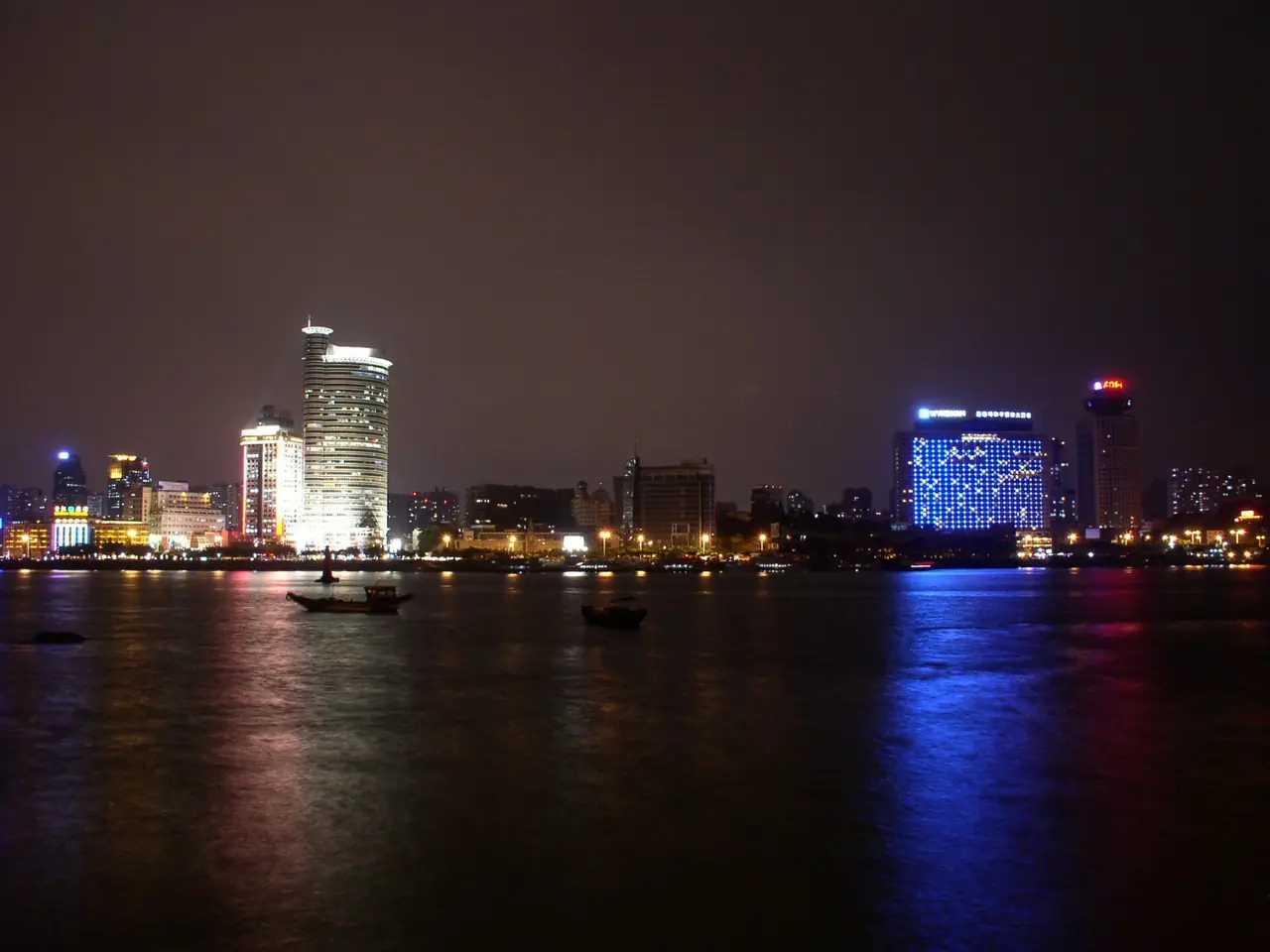
READING GUIDE
Start with the long-term force shaping the city, then move into chronology, urban systems and surviving evidence.
01 / Chapter
Ming coastal defense and harbor geography set the location. After the 1843 opening, Kulangsu developed international institutions. Minnan migrants moved to Southeast Asia, while money, schools, houses and music returned home.
THREE LENSES / THREE LENSES
Geography sets conditions, turning points redirect the path, and daily life carries long memory.
Island, bay and strait geography orient Xiamen toward shipping and cross-sea ties.
Treaty-port opening and Minnan diaspora networks linked local business, education and architecture to Southeast Asia.
Arcades, Gulangyu and community worship keep maritime migration legible in the city.
CITY HISTORY / 城市时间
Defense, treaty-port institutions and migration drove Xiamen. Those who left also rebuilt home through remittances, schools and houses.
Xiamen walls strengthened coastal defense.
Coastal evacuation and return disrupted settlement.
Xiamen opened as a treaty port.
Kulangsu became an international settlement.
Diaspora investment supported schools and public works.
Xiamen became a Special Economic Zone.
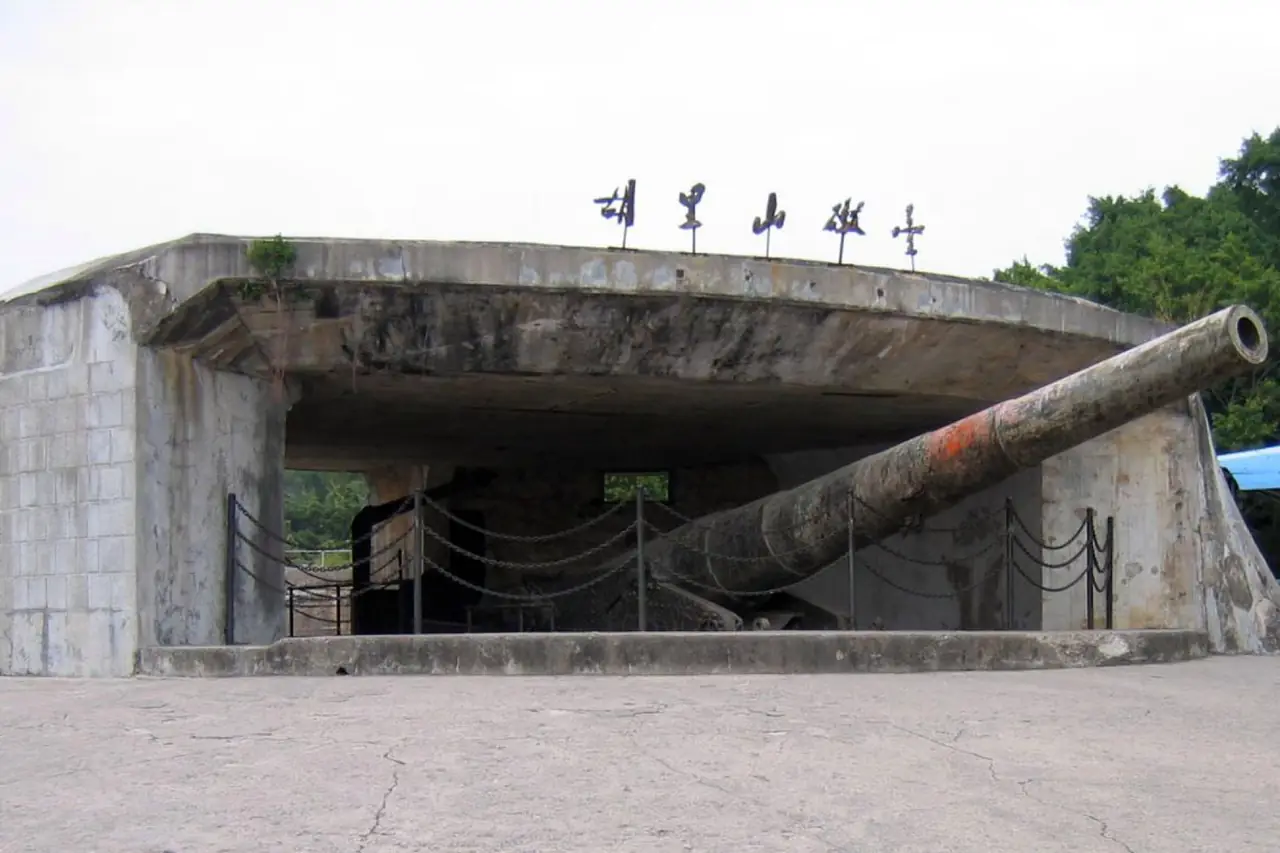
01 / Defense
Facing the Taiwan Strait, walls, forts and harbor facilities answered piracy, naval warfare and modern military pressure.
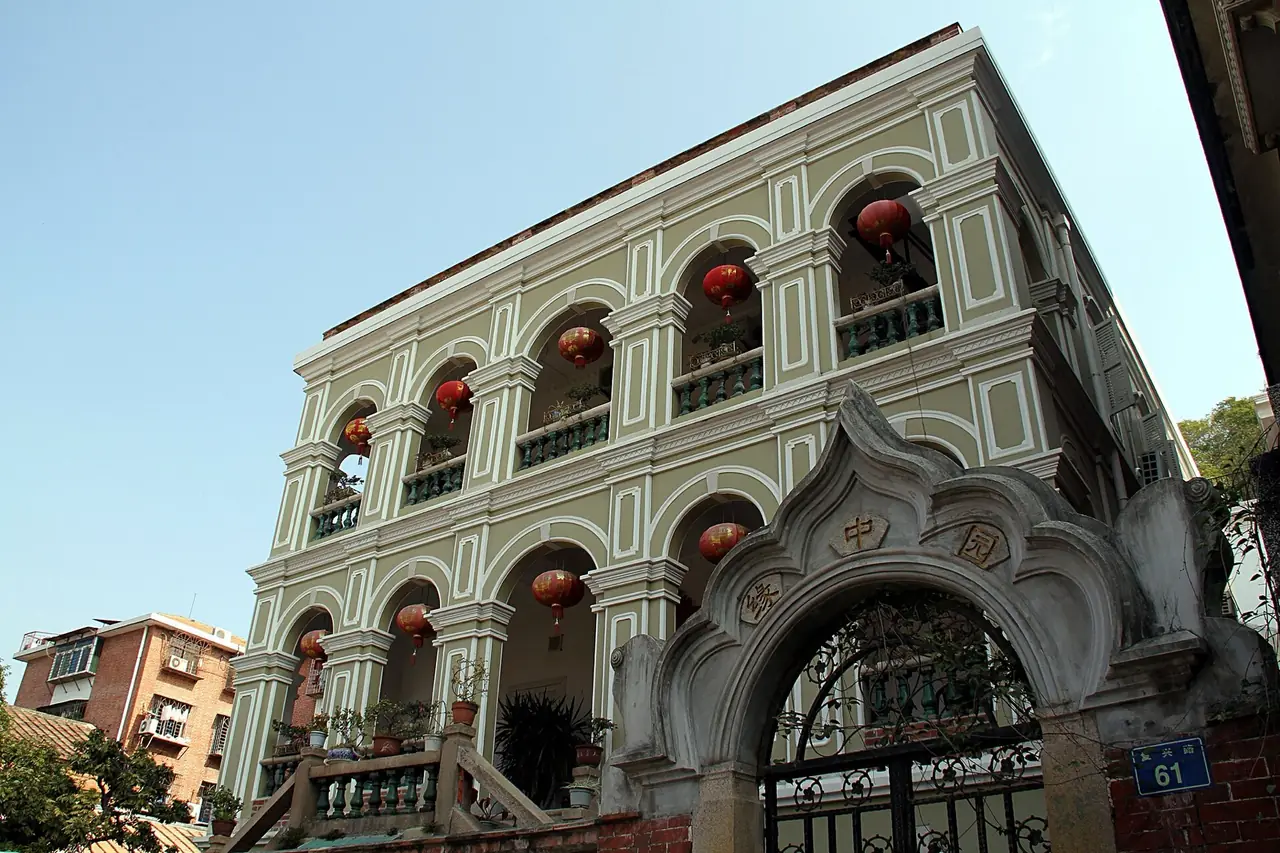
02 / Kulangsu
Consulates, hospitals, schools, churches and houses entered the island after opening. Architecture depended on institutions and residents.
03 / Diaspora
Minnan migrants worked in Southeast Asia; remittances supported families, education and construction. Music and houses preserve cross-sea experience.
04 / SEZ
SEZ policy, harbor growth and bridges expanded the city. This opening built on earlier networks without simply continuing them.
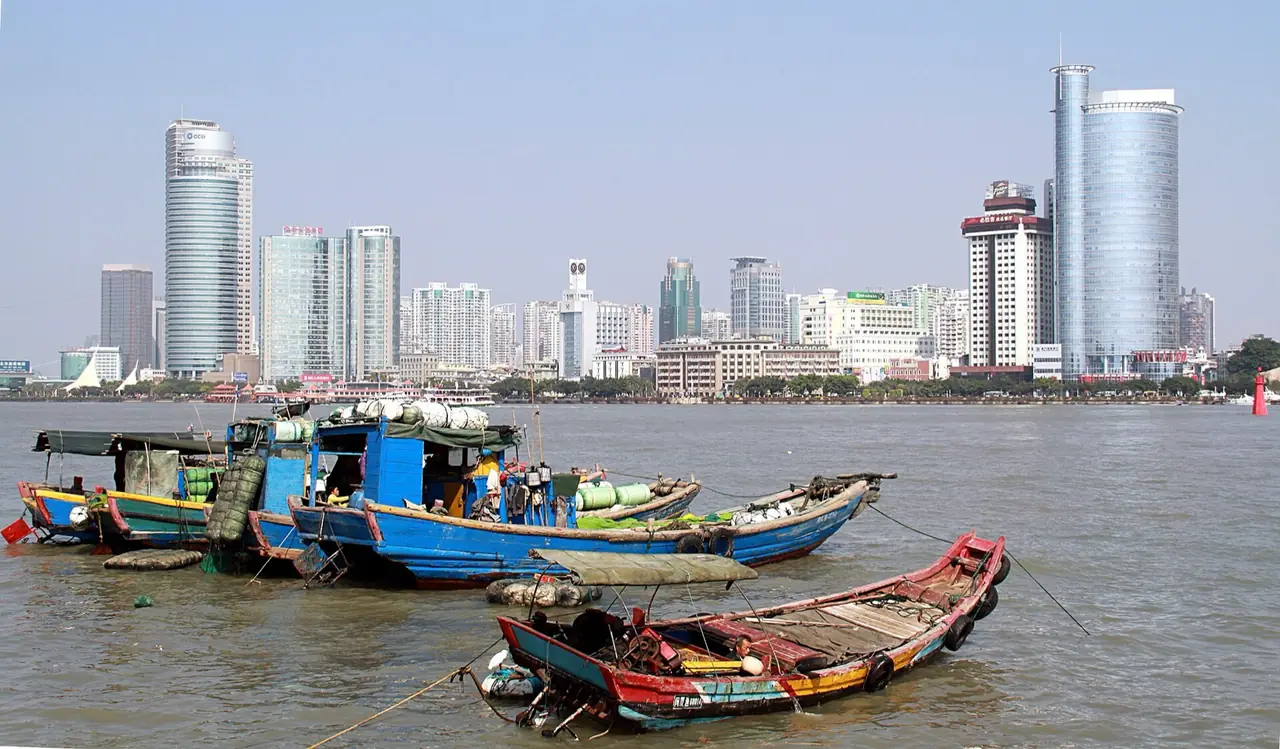
02 / Urban system
Kulangsu becomes legible when connected to Xiamen Port, its hinterland and diaspora.
Forts answered maritime pressure.
Shipping and an international settlement changed the islands.
Migrants built networks in Southeast Asia.
Remittances, education and houses reshaped home.
03 / Selected exhibits
Open an exhibit to see how it supports the chapter.
Modern defenses record military pressure on the port.
See references ↓Architecture and institutions bear witness to a mixed community.
See references ↓Returnees brought capital, ideas and family memory home.
See references ↓Cross-sea movement continues in sound and taste.
See references ↓04 / IN ONE SENTENCE
05 / Sources
References support the historical facts, heritage information and city data used in this chapter. Photo creators, licenses and original files appear in the image credits.
Images resized and converted; display may be cropped.
Explore another
Related by geographic region and historical themes rather than random recommendation.
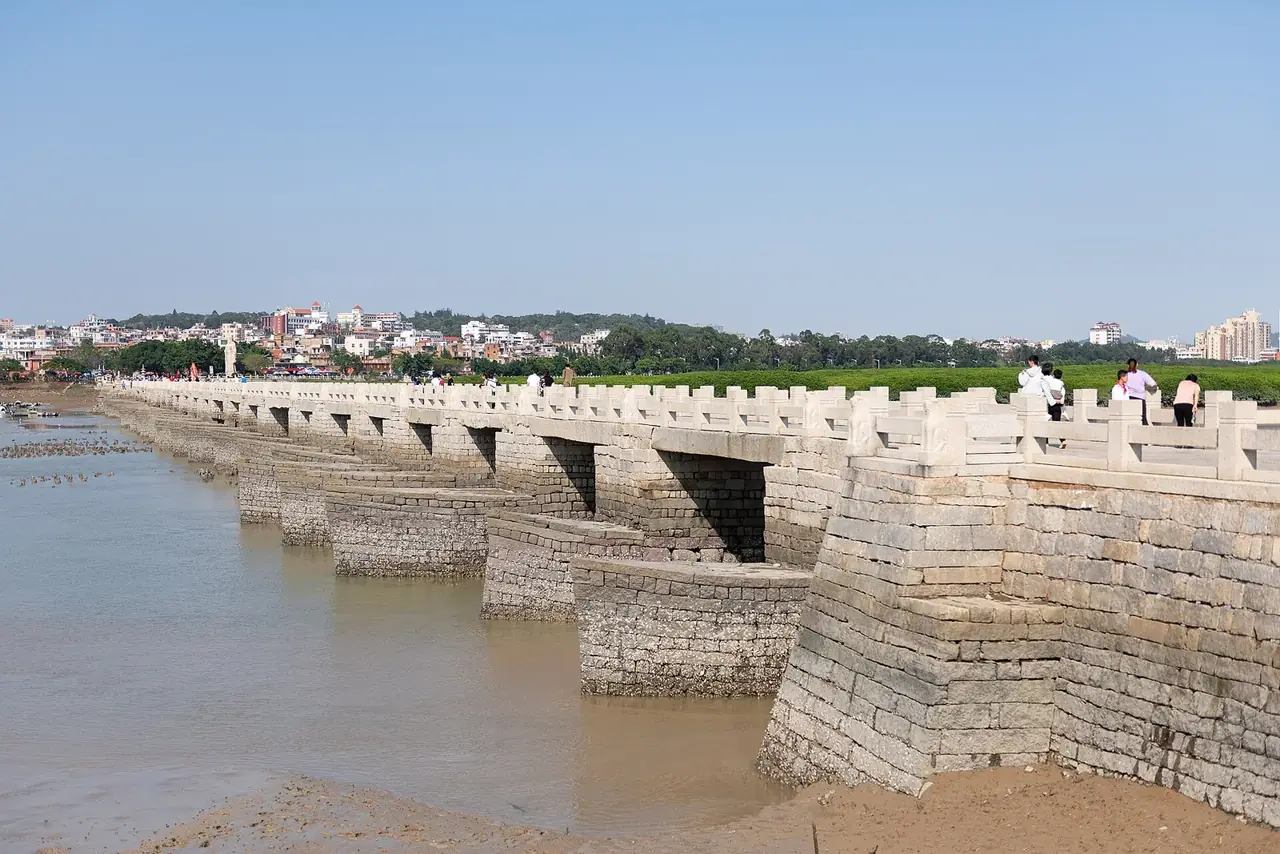
How did one port bring the world to Quanzhou?
Open chapter ↗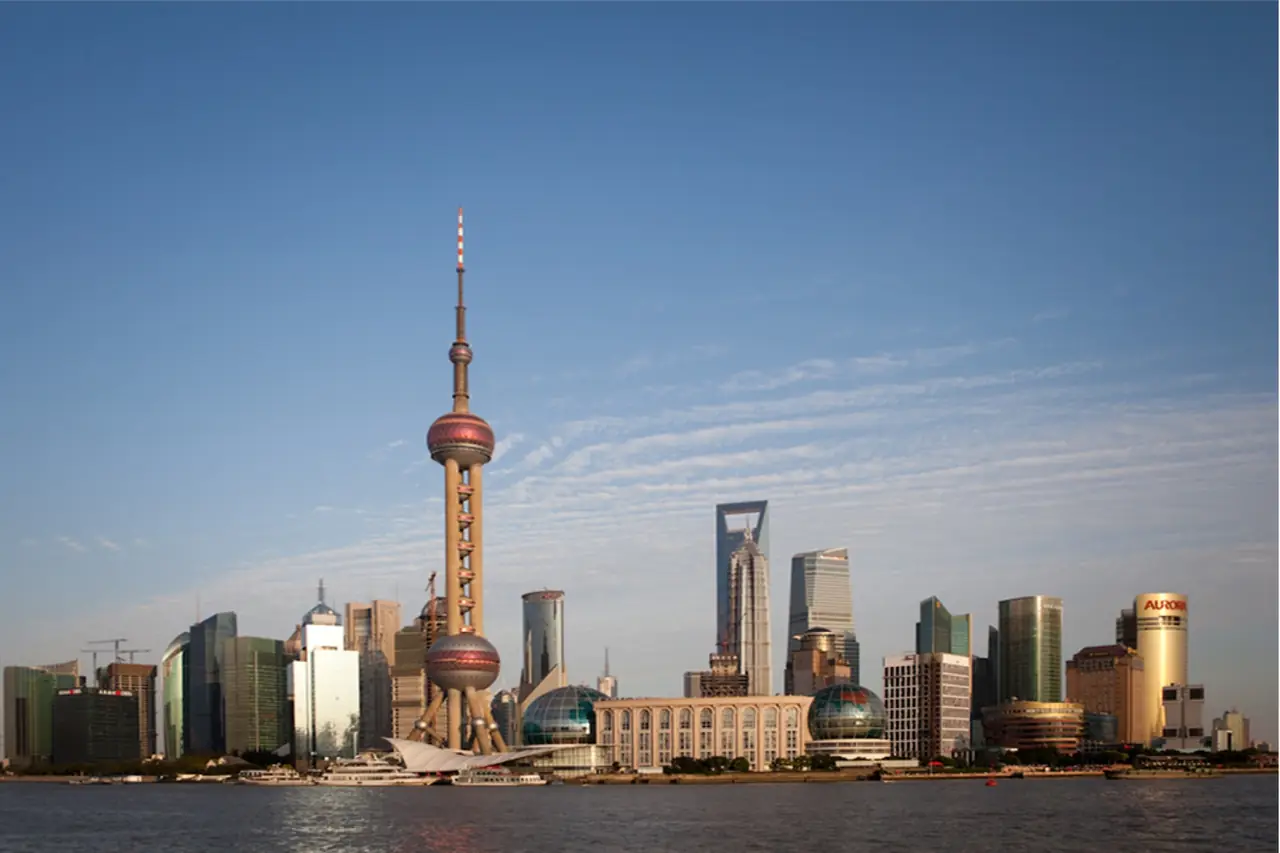
How did Shanghai organize constant arrivals into a world city?
Open chapter ↗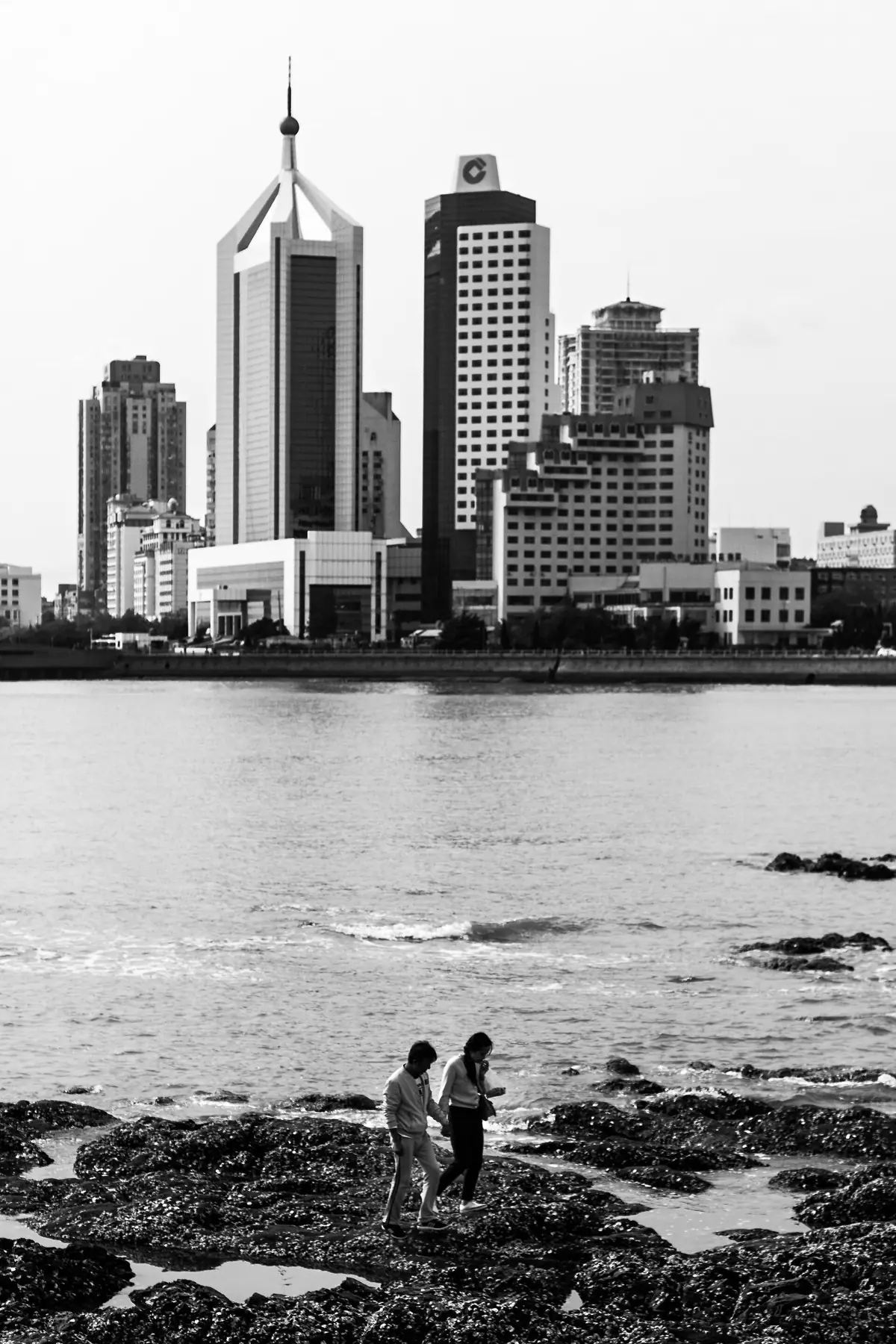
How did Qingdao turn an imposed port plan into its own urban life?
Open chapter ↗


