Why here
The Yangtze–Grand Canal junction made Yangzhou a transfer point for Jianghuai goods and people.
CITY ATLAS / 25
Where the Yangtze meets the Grand Canal, grain transport, salt, craft, gardens and performance shaped a city made prosperous by circulation.
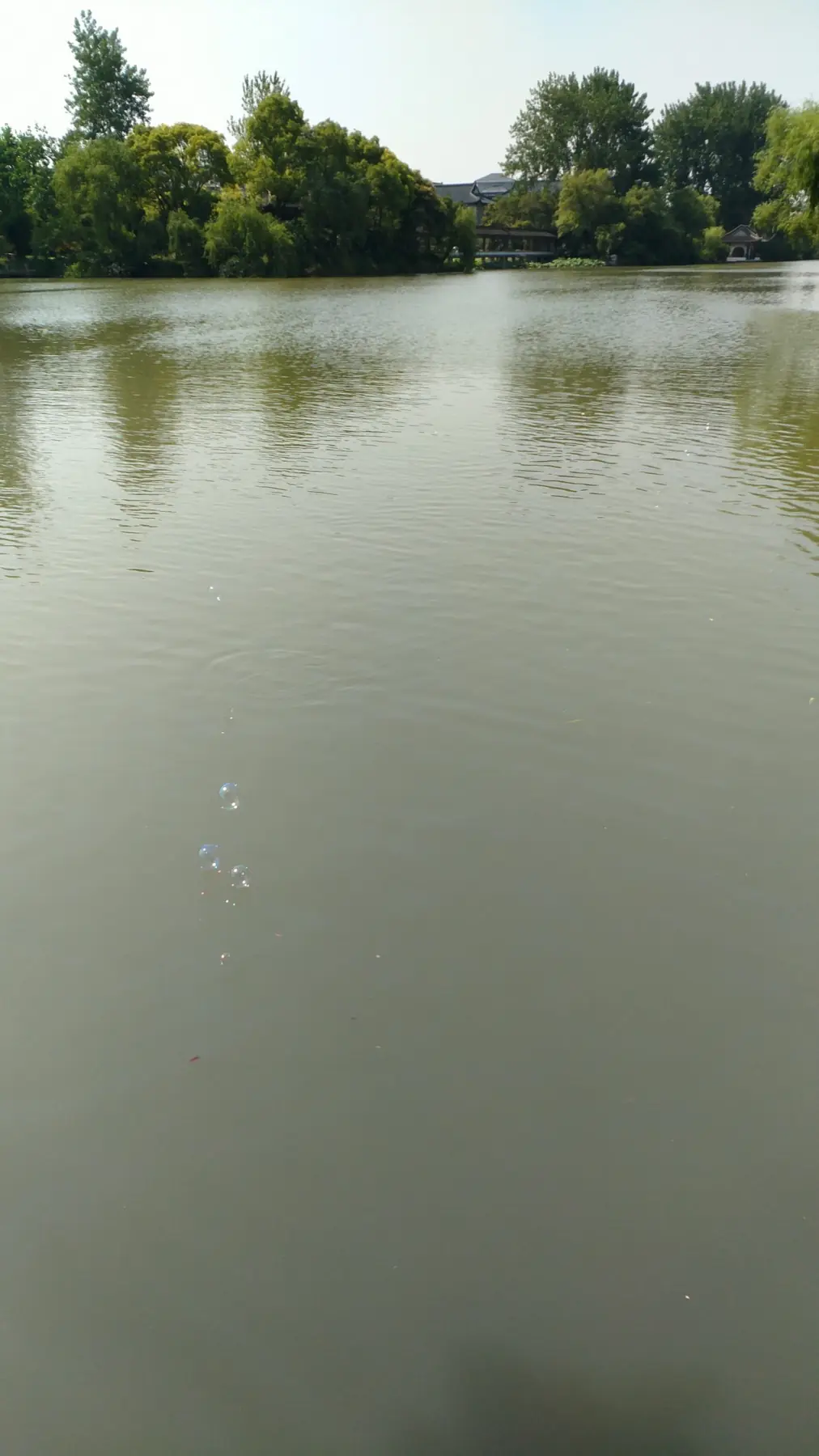
READING GUIDE
Start with the long-term force shaping the city, then move into chronology, urban systems and surviving evidence.
01 / Chapter
The Han Canal joined Jianghuai waters; later canal and river traffic made Yangzhou a major node. Ming–Qing salt wealth supported gardens, painting, publishing and craft. War and new transport brought decline, while canal conservation and public culture now reconnect historic quarters with daily life.
THREE LENSES / THREE LENSES
Geography sets conditions, turning points redirect the path, and daily life carries long memory.
The Yangtze–Grand Canal junction made Yangzhou a transfer point for Jianghuai goods and people.
Grain transport and salt administration concentrated wealth and supported gardens, publishing and craft.
Historic quarters, gardens, storytelling and craft retain the specialization of a canal city.
CITY HISTORY / 城市时间
Yangzhou rose and fell with transport. The canal brought goods and institutions; wealth entered daily life through gardens, craft, food and performance.
The Han Canal was cut to connect the Yangtze and Huai systems.
The Grand Canal and Yangtze trade made Yangzhou a commercial metropolis.
War and water changes altered the city while canal functions continued.
Salt administration supported gardens, publishing and specialized craft.
War, salt reform and new transport reduced its position.
The Grand Canal entered the World Heritage List with Yangzhou components in its protection system.
01 / Water
The Han Canal redirected regional movement. Yangzhou became a transfer point among the Yangtze, canal routes, grain, salt and people.
Water also brought silting, flood and maintenance. A canal city depends on dredging, embankments, docks and labor.
02 / Commerce
Ming–Qing salt administration concentrated capital and merchant networks, supporting residences, guild halls, gardens, publishing and charity while producing inequality.
Salt culture belongs to state finance, permits, market risk and labor—not luxury alone.
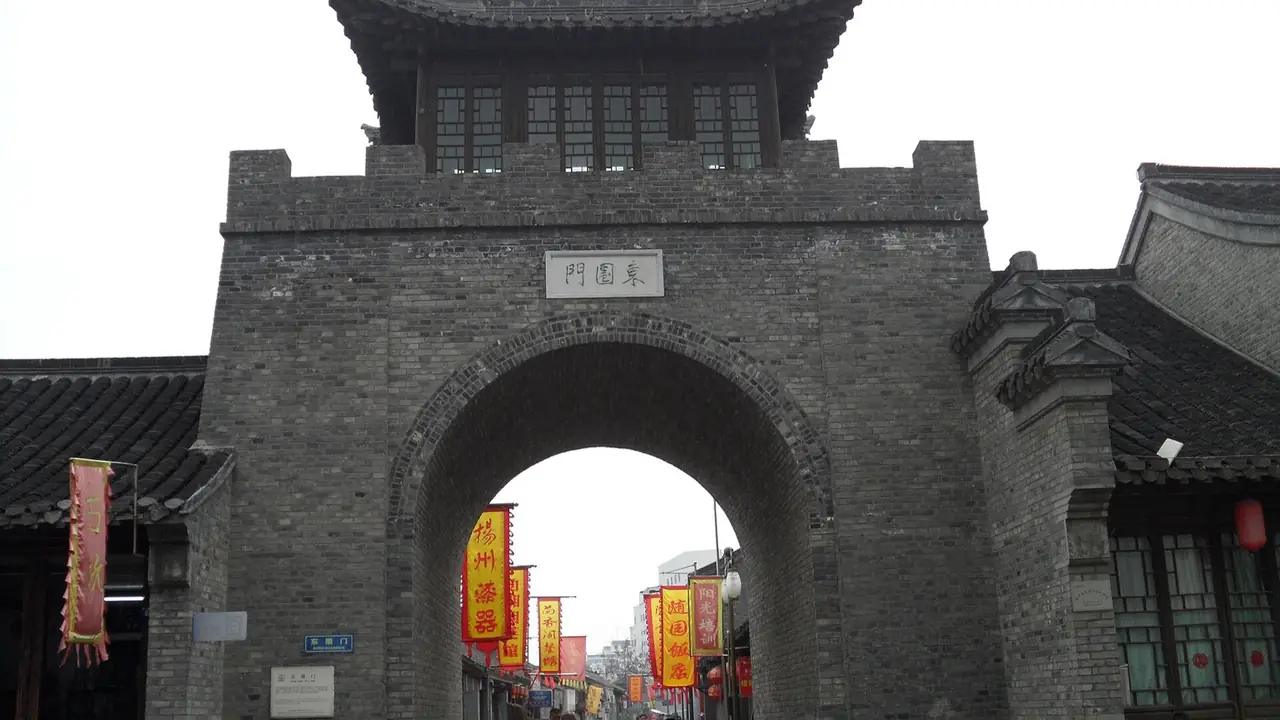
03 / Culture
Garden design, lacquer, jade, printing, storytelling and song required clients, specialization and apprenticeship. They turned circulating wealth into urban knowledge.
What endures is not only monuments but continued use, narration and repair.
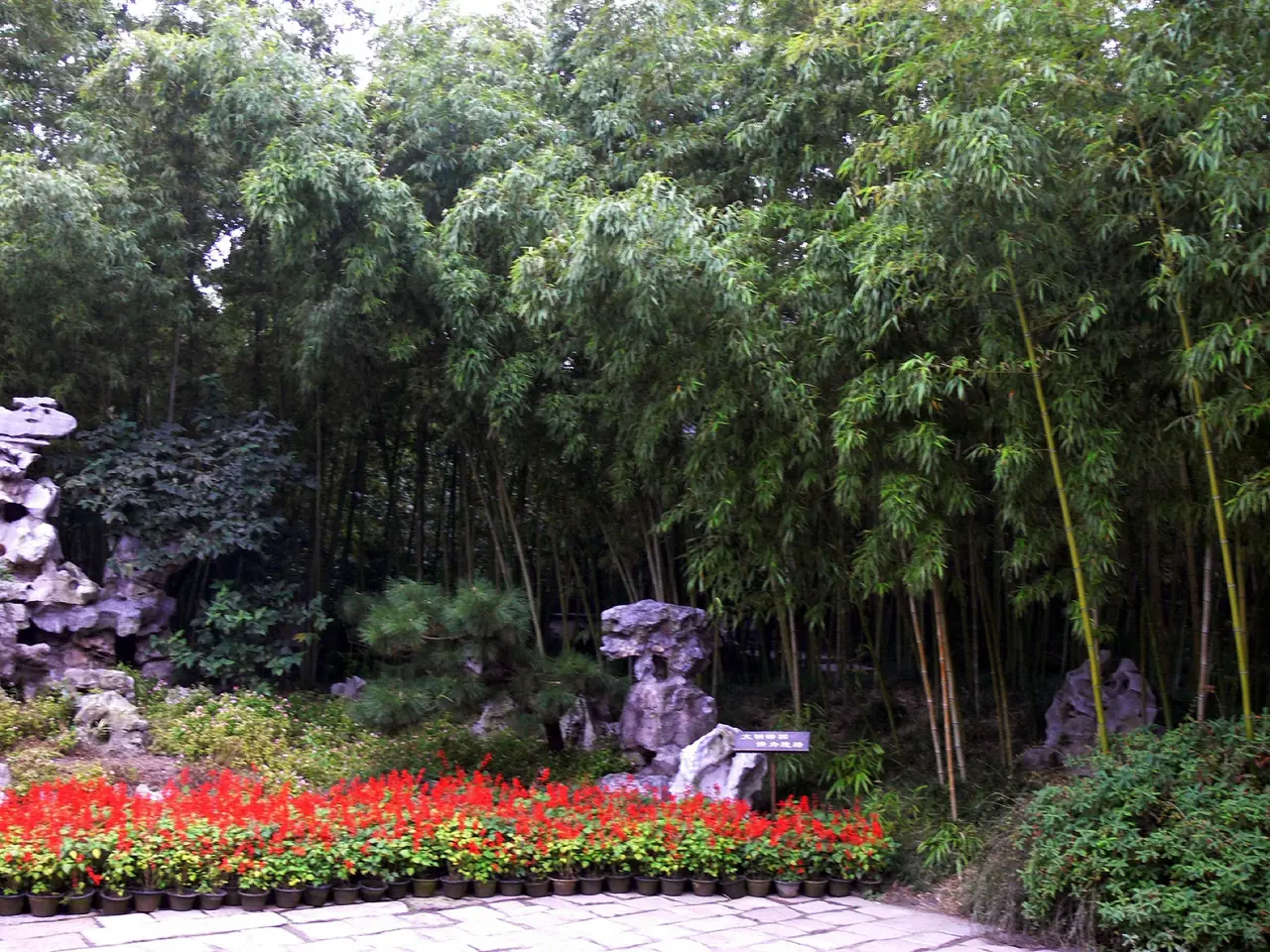
04 / Today
World Heritage protection brings attention to waterways, docks, neighborhoods and living traditions. The challenge is avoiding a stage set emptied of residents.
Public culture, walkable space and local trades keep the canal more than a memorial.
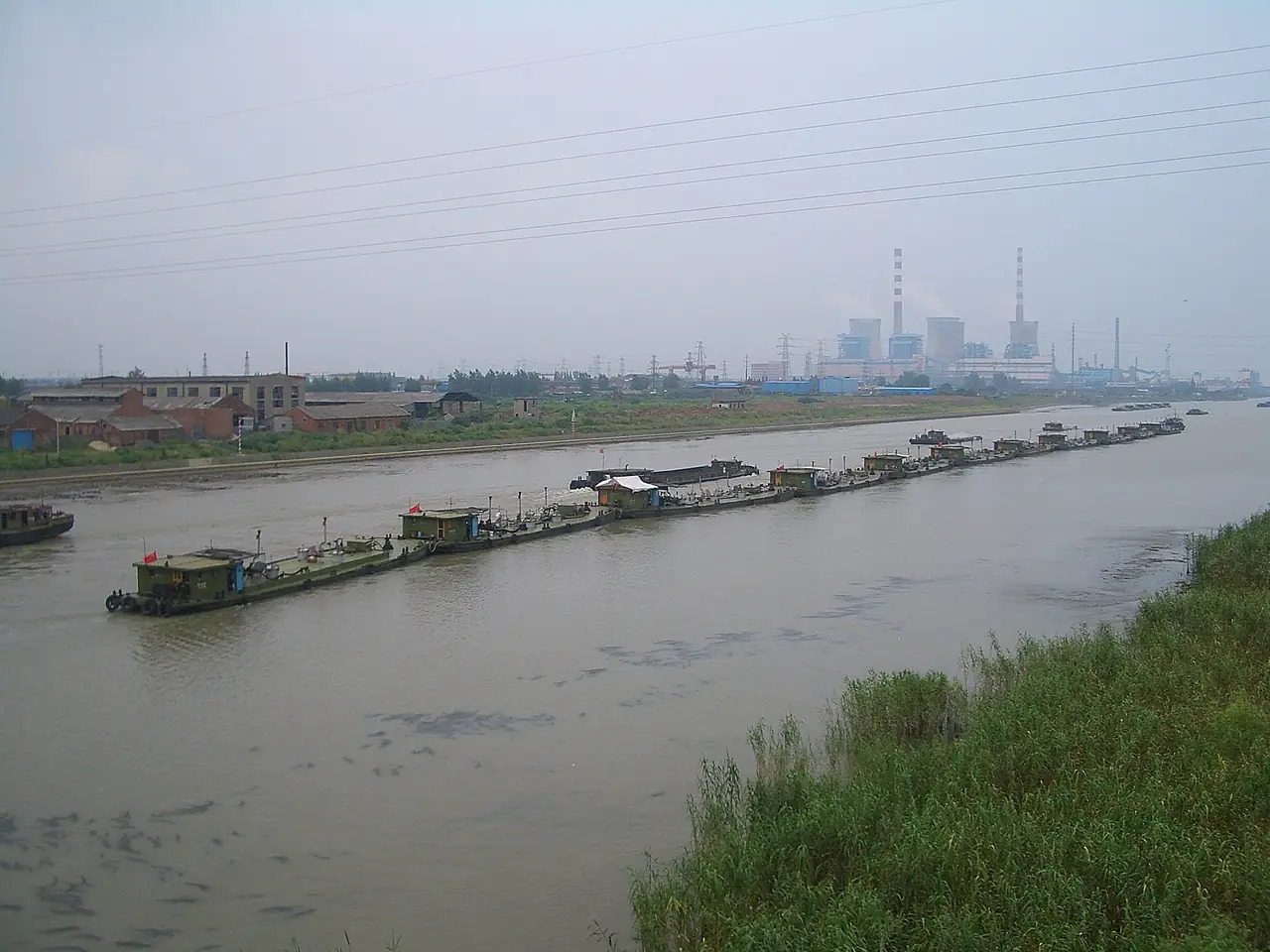
02 / Urban system
Gardens and cuisine are the visible surface of waterways, salt administration, commerce, skilled labor and neighborhood life.
The Han Canal and Grand Canal joined regional and north–south movement.
Salt, grain and crafts supported markets and population.
Gardens, painting, publishing and performance drew on commercial wealth.
Canal, streets and living skills remain in use.
03 / Selected exhibits
Open an exhibit to see how it supports the chapter.
The canal joined the city to grain, salt and human movement.
See references ↓Lanes preserve the scale of commerce, residence and craft.
See references ↓Private gardens record salt wealth, design and modern change.
See references ↓Specialized skills reveal the social depth of a commercial city.
See references ↓04 / IN ONE SENTENCE
05 / Sources
References support the historical facts, heritage information and city data used in this chapter. Photo creators, licenses and original files appear in the image credits.
Images resized and converted; display may be cropped.
Explore another
Related by geographic region and historical themes rather than random recommendation.
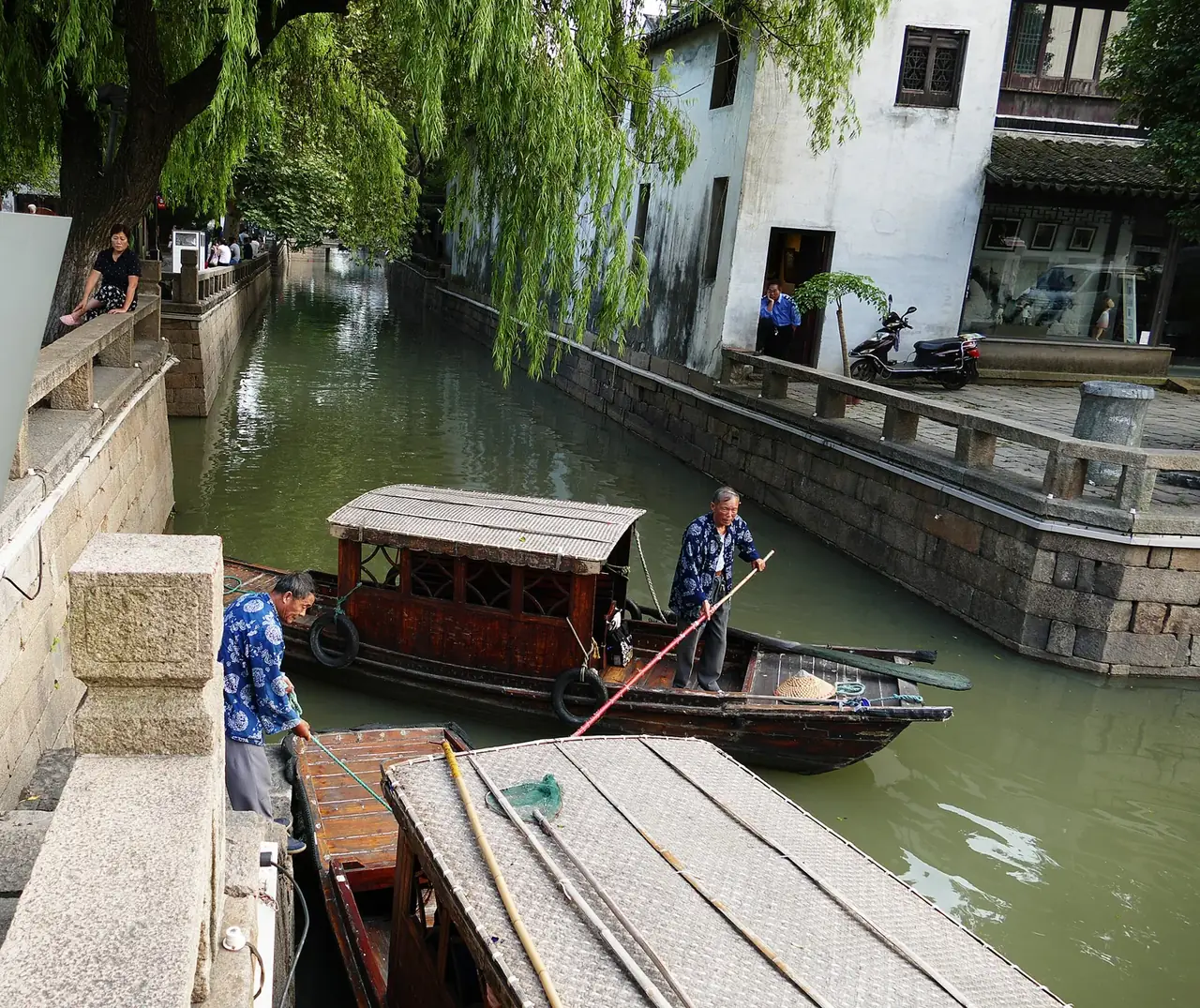
How did Suzhou preserve the scale of work and life within a water network?
Open chapter ↗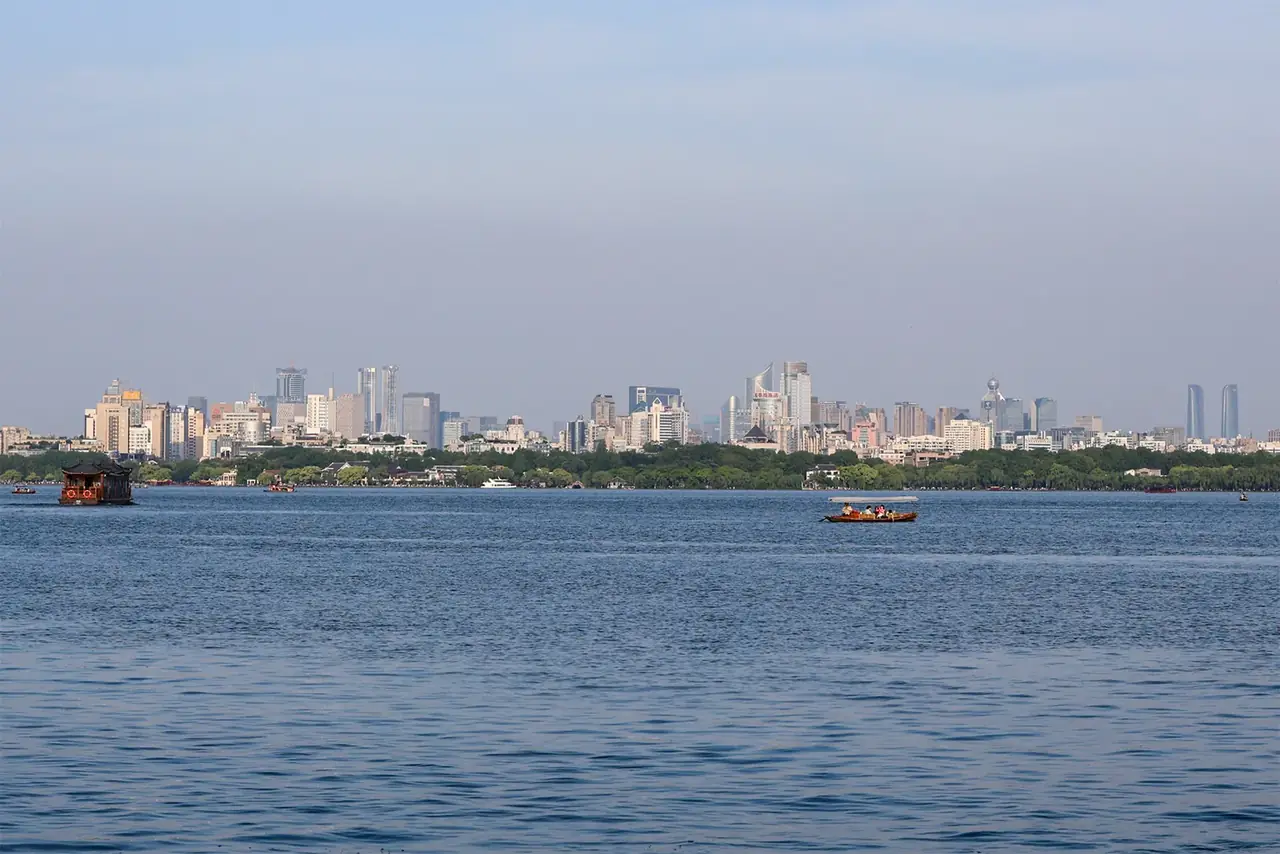
How did water become Hangzhou’s imagination?
Open chapter ↗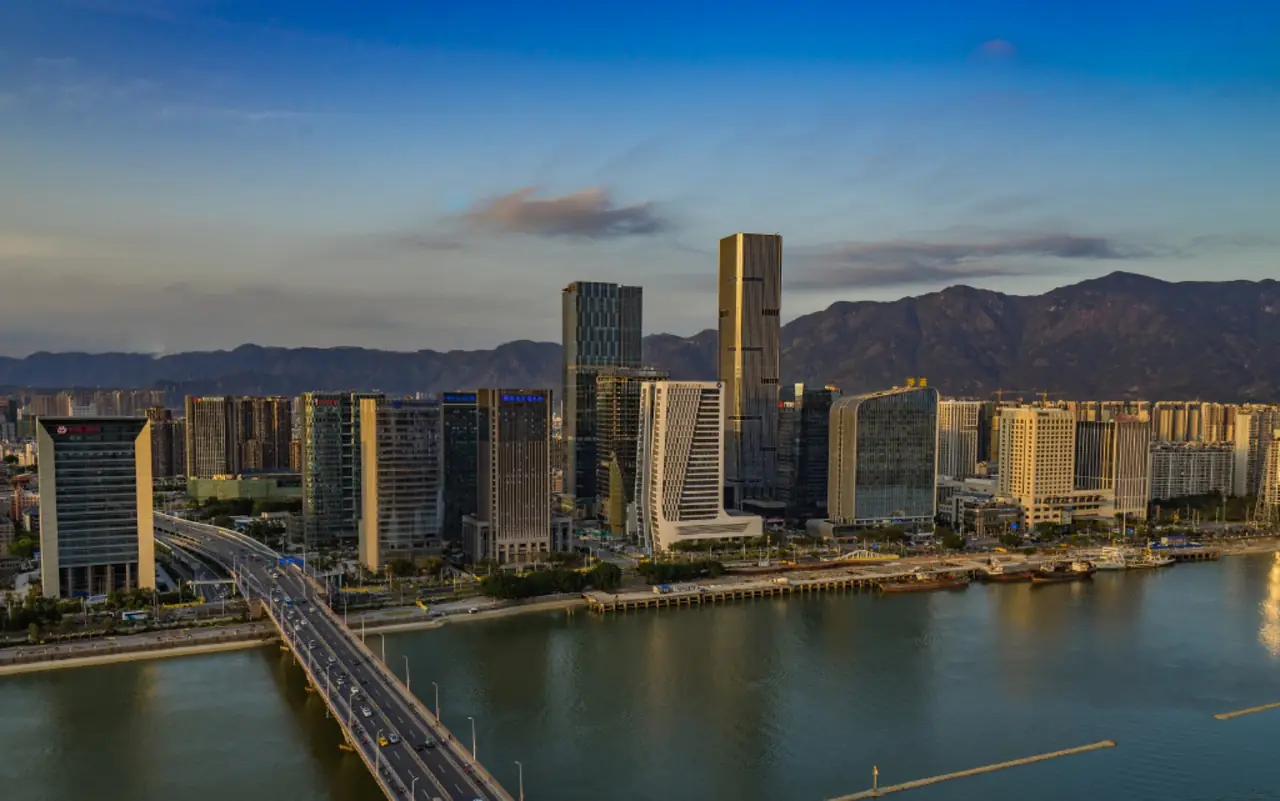
How did Fuzhou preserve neighborhood order while remaining open to the world between mountain and sea?
Open chapter ↗


