Why here
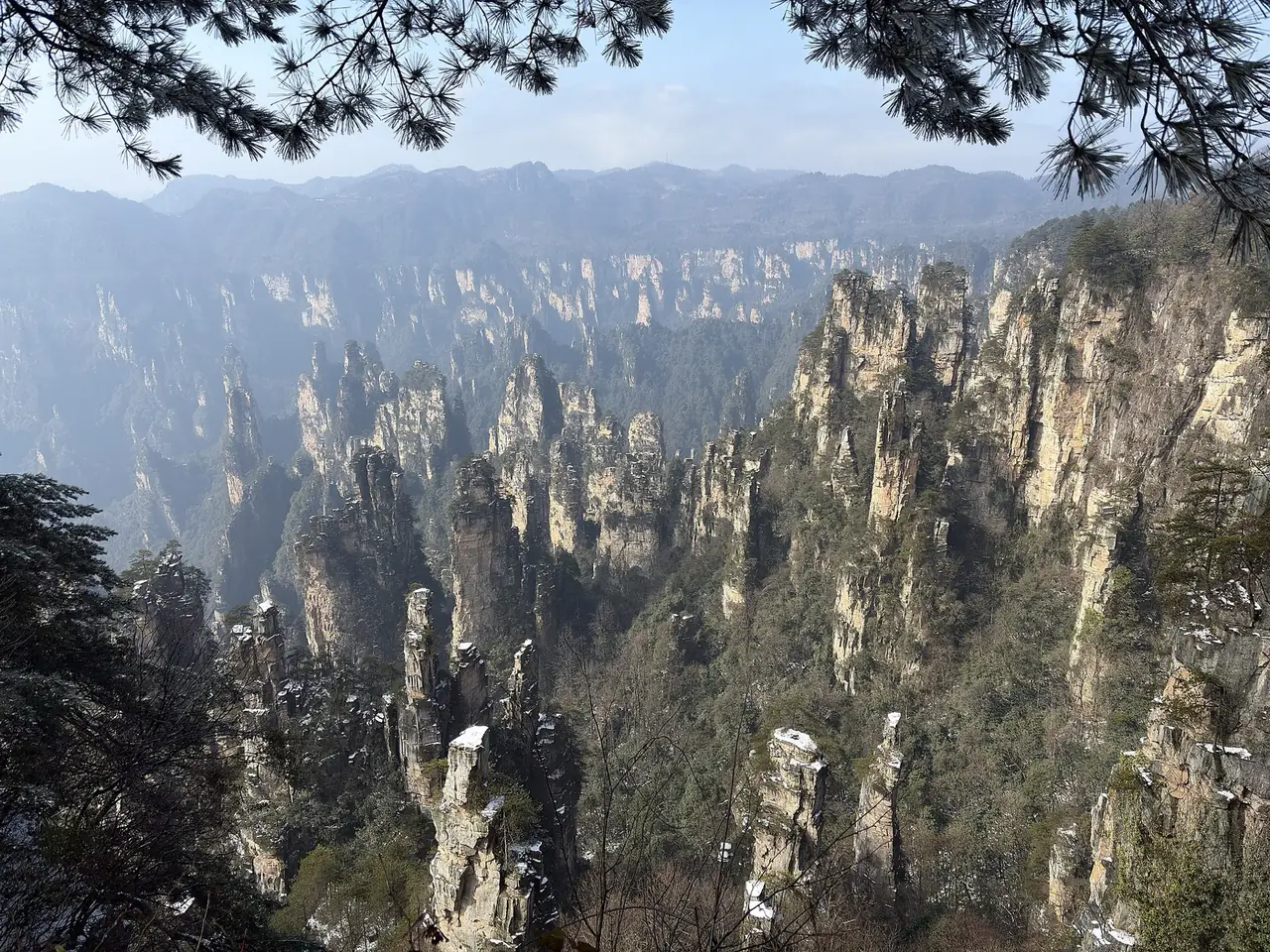
Sandstone pillars, gorges and mountain waterways produced dispersed settlement and distinctive ecology.
CITY ATLAS / 23
Quartz-sandstone pillars shaped settlement; Tujia, Bai and Miao communities lived in the mountains, while parks, heritage protection and transport reorganized the city.
READING GUIDE
Start with the long-term force shaping the city, then move into chronology, urban systems and surviving evidence.
01 / Chapter
Wulingyuan’s pillars, ravines and forests are both exceptional landforms and a lived environment. A national forest park opened in 1982, Dayong became a prefecture-level city in 1988, Wulingyuan entered the World Heritage List in 1992, and the city adopted the Zhangjiajie name in 1994 as its airport opened.
THREE LENSES / THREE LENSES
Geography sets conditions, turning points redirect the path, and daily life carries long memory.
Sandstone pillars, gorges and mountain waterways produced dispersed settlement and distinctive ecology.
National-park and World Heritage systems rapidly inserted remote mountains into global tourism.
Cableways, park communities and ecological controls show conservation reorganizing local life.
CITY HISTORY / 城市时间
Modern transformation was rapid, but visitors are not the starting point. Terrain constrained roads and farming; residents adapted through settlement, timber building, work and craft before conservation and tourism redefined the mountains.
Uplift, water erosion and weathering formed quartz-sandstone pillars and ravines.
Tujia, Bai, Miao and other groups formed mountain communities.
Zhangjiajie National Forest Park was established.
Prefecture-level Dayong City was created.
Wulingyuan entered the UNESCO World Heritage List.
The city became Zhangjiajie and Hehua Airport opened.
01 / Terrain
Pillars, ravines and streams compress farms and villages into valleys and gentle slopes. Difficult access also helped preserve forest, water and community spaces.
02 / Community
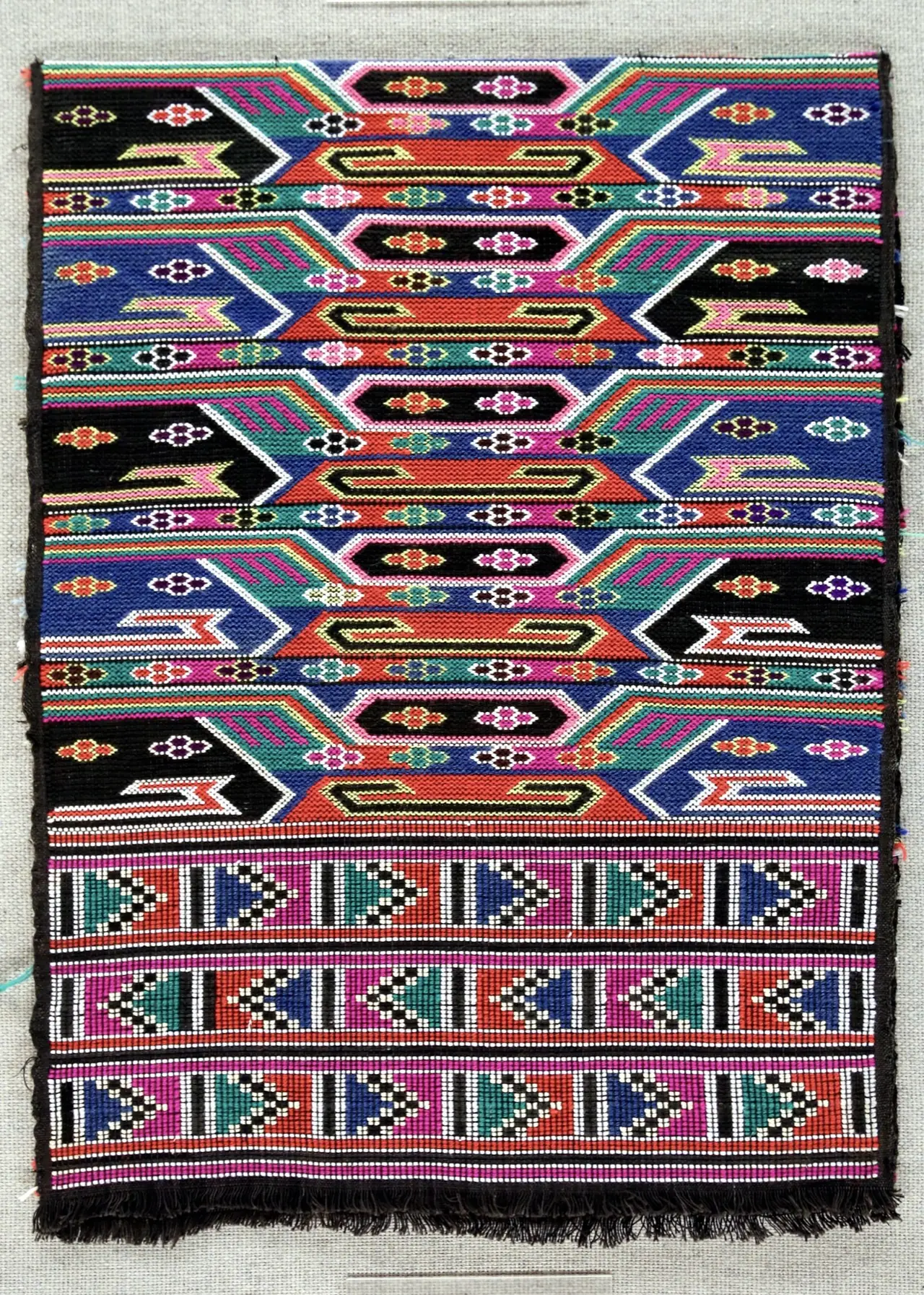
Tujia, Bai, Miao and other residents answered the mountains through timber houses, farming, brocade, song and markets. Tradition is household labor and memory, not stage decoration.
03 / Protection
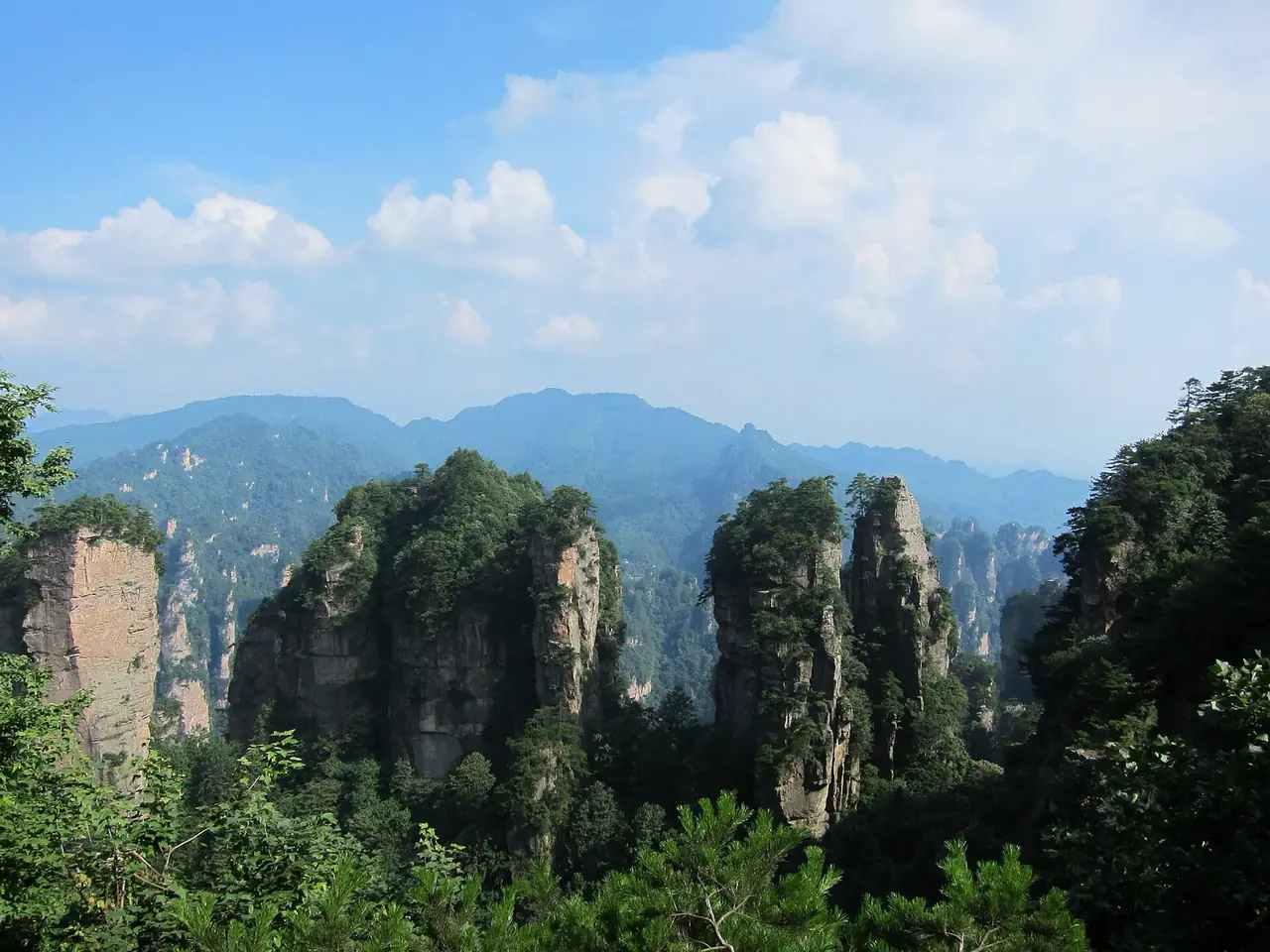
The 1982 park changed forestry, livelihoods and visitor access. World Heritage status in 1992 linked local protection to international standards.
04 / Tourism city
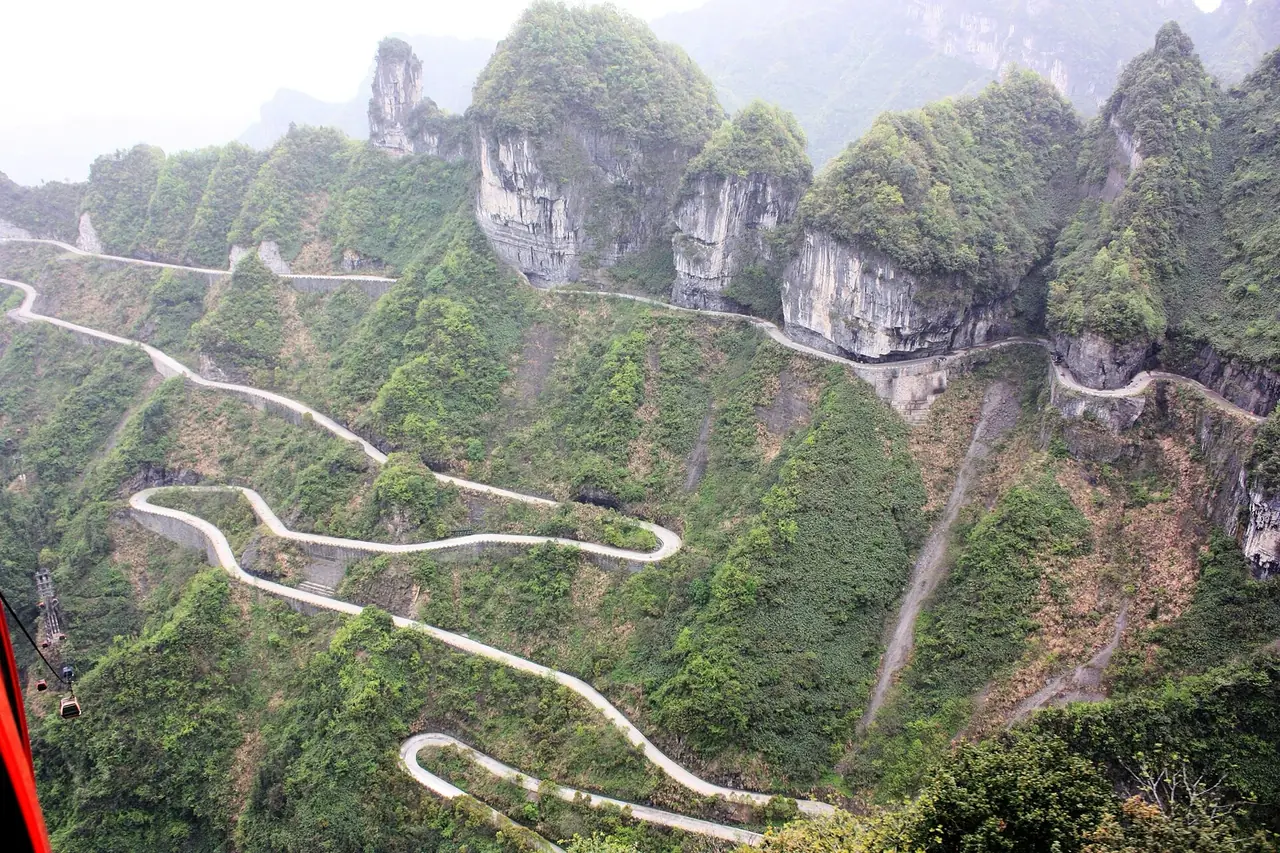
City formation, renaming, airport, cableways and hotels joined global travel. Employment grew alongside questions of capacity, benefit and community voice.
02 / Urban system
The peaks are not an empty stage. Geological time, minority communities, conservation rules and tourism labor belong to the same account.
Ravines and pillars restrict movement while protecting forest ecosystems.
Tujia, Bai, Miao and other residents built villages, crafts and performance traditions.
Forest-park and World Heritage rules created new boundaries.
Airport, cableways and services linked the mountains to global travel.
03 / Selected exhibits
Open an exhibit to see how it supports the chapter.
More than three thousand quartz-sandstone pillars and ravines form the core landscape.
See references ↓Building, farming and paths respond to slopes while preserving multiethnic experience.
See references ↓The 1982 park changed the former forest-farm role and joined conservation with tourism.
See references ↓City formation, renaming and airport access aligned the economy with a landscape identity.
See references ↓04 / IN ONE SENTENCE
05 / Sources
References support the historical facts, heritage information and city data used in this chapter. Photo creators, licenses and original files appear in the image credits.
Images resized and converted; display may be cropped.
Explore another
Related by geographic region and historical themes rather than random recommendation.
How did Luoyang carve exchange into gates and cliffs?
Open chapter ↗
How did Kunming become a gateway between the plateau and southern worlds?
Open chapter ↗
How did a highland lake basin sustain Dali as a cultural center across centuries?
Open chapter ↗


