Why here
The Yellow River plain, Mount Song routes and Central Plain hinterland give Zhengzhou logistical advantages.
CITY ATLAS / 29
A Shang city, Yellow River routes, Mount Song culture, railway junctions and modern logistics repeatedly make Zhengzhou a Central Plain hub.
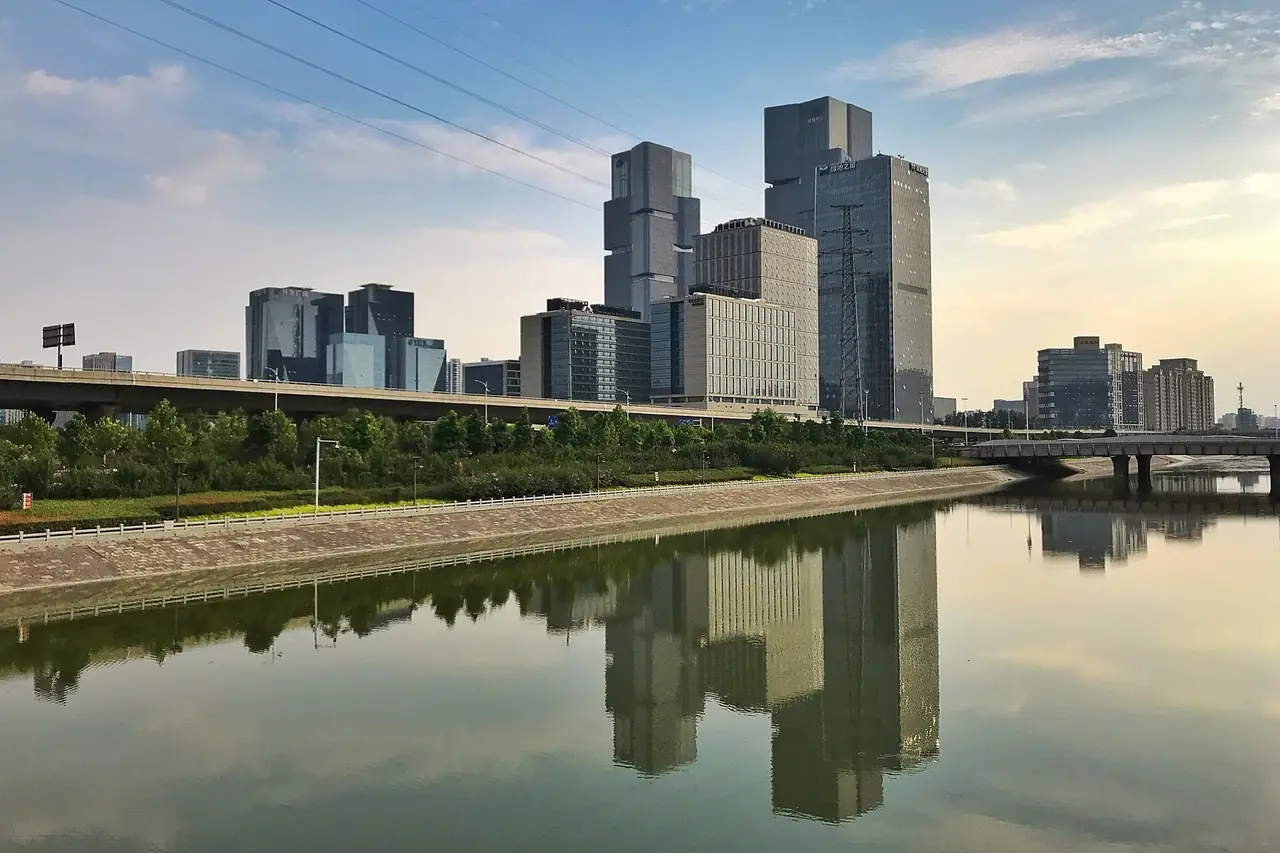
READING GUIDE
Start with the long-term force shaping the city, then move into chronology, urban systems and surviving evidence.
01 / Chapter
The Central Plain and Yellow River crossings supported early settlement and political centers; the Shang city preserves evidence of an early capital. After centuries of shifting focus, the Beijing–Hankou and Longhai railways rapidly expanded modern Zhengzhou. Industry, wholesale markets, aviation and logistics keep rewriting the meaning of a hub.
THREE LENSES / THREE LENSES
Geography sets conditions, turning points redirect the path, and daily life carries long memory.
The Yellow River plain, Mount Song routes and Central Plain hinterland give Zhengzhou logistical advantages.
After the Shang center, modern railway junctions remade urban centrality at a new scale.
Shang remains, worker memory, high-speed rail and air logistics layer a shifting hub identity.
CITY HISTORY / 城市时间
Zhengzhou has not always been the same kind of center. Early capitals, Yellow River routes, Mount Song ritual and modern rail organized space at different scales.
The early Shang urban center represented by Zhengzhou Shang City formed.
The Yellow River, Mount Song and Central Plain roads shaped settlement and political geography.
The Beijing–Hankou railway opened, stimulating a new district.
The Longhai line crossed it and a rail hub formed.
The railway strike linked transport labor to national politics.
Industry, wholesale, high-speed rail, aviation and logistics expanded the city.
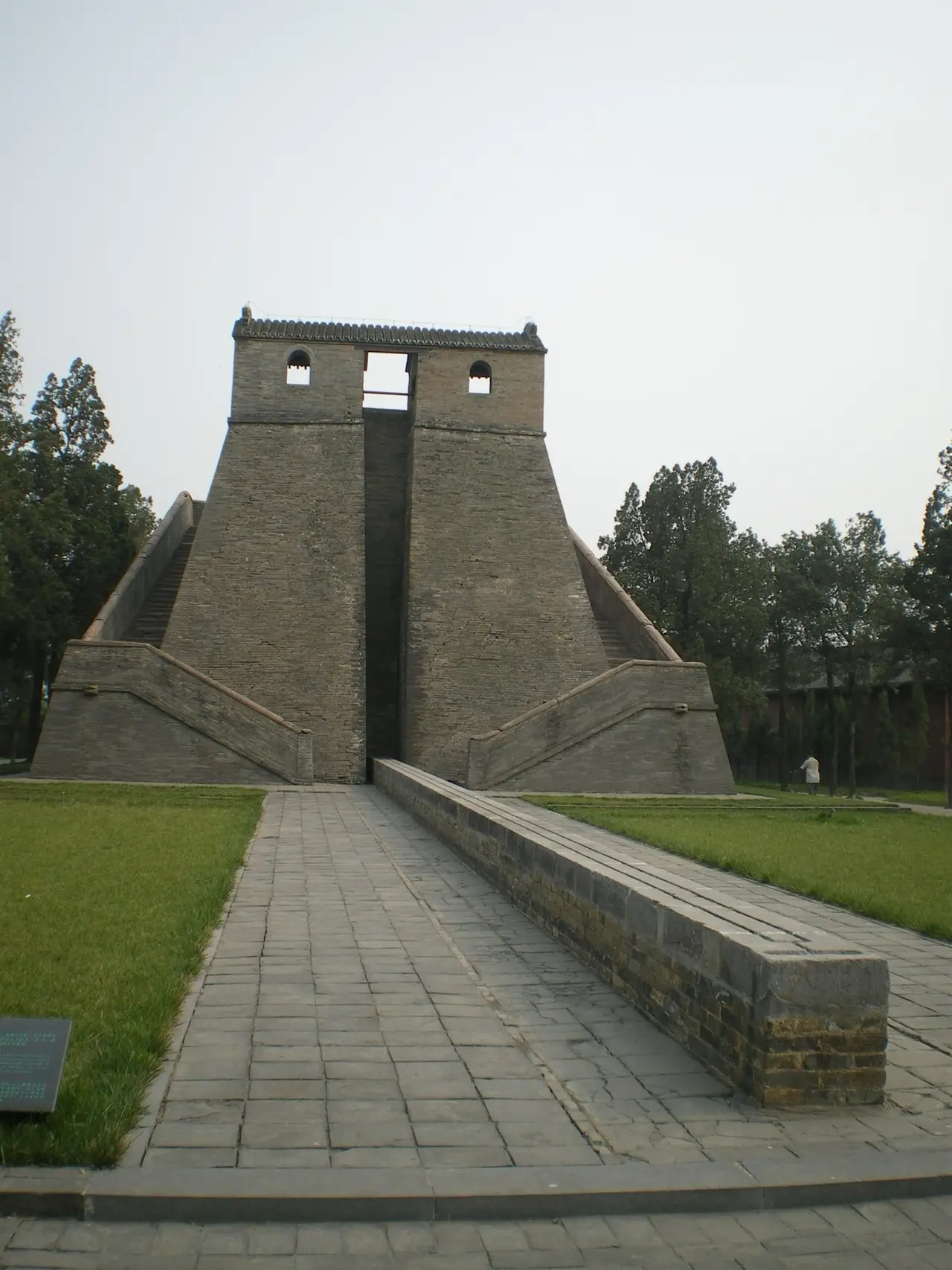
01 / Shang city
Rammed-earth walls, palatial zones, workshops and burials reveal a complex center long before rail.
Archaeology must distinguish dates, functions and inference rather than compressing phases into one complete city.
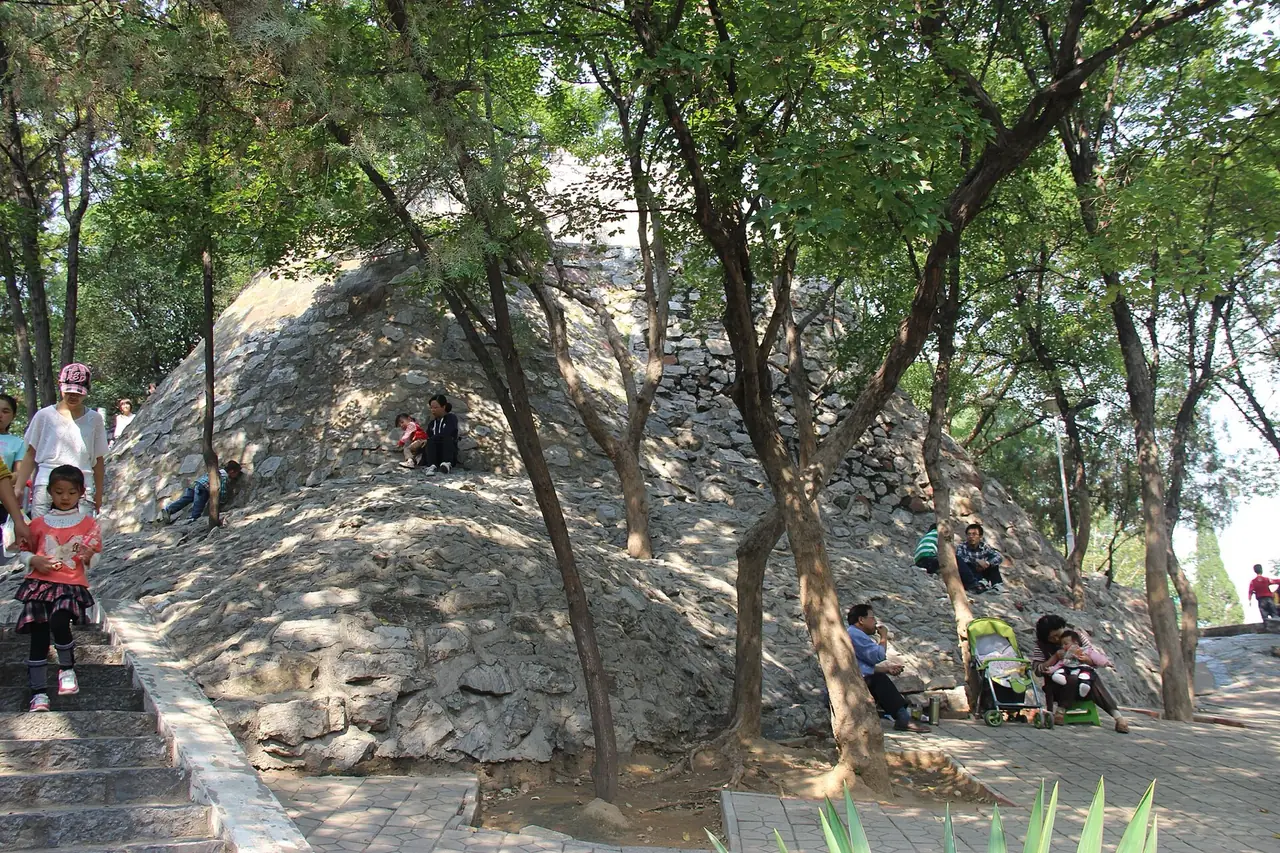
02 / Central Plain
The Yellow River supported farming and movement while bringing flood and channel change. Mount Song monuments turned geography into ritual and intellectual centrality.
The “centre of heaven and earth” is a historical concept, not a modern geometric claim.
03 / Rail
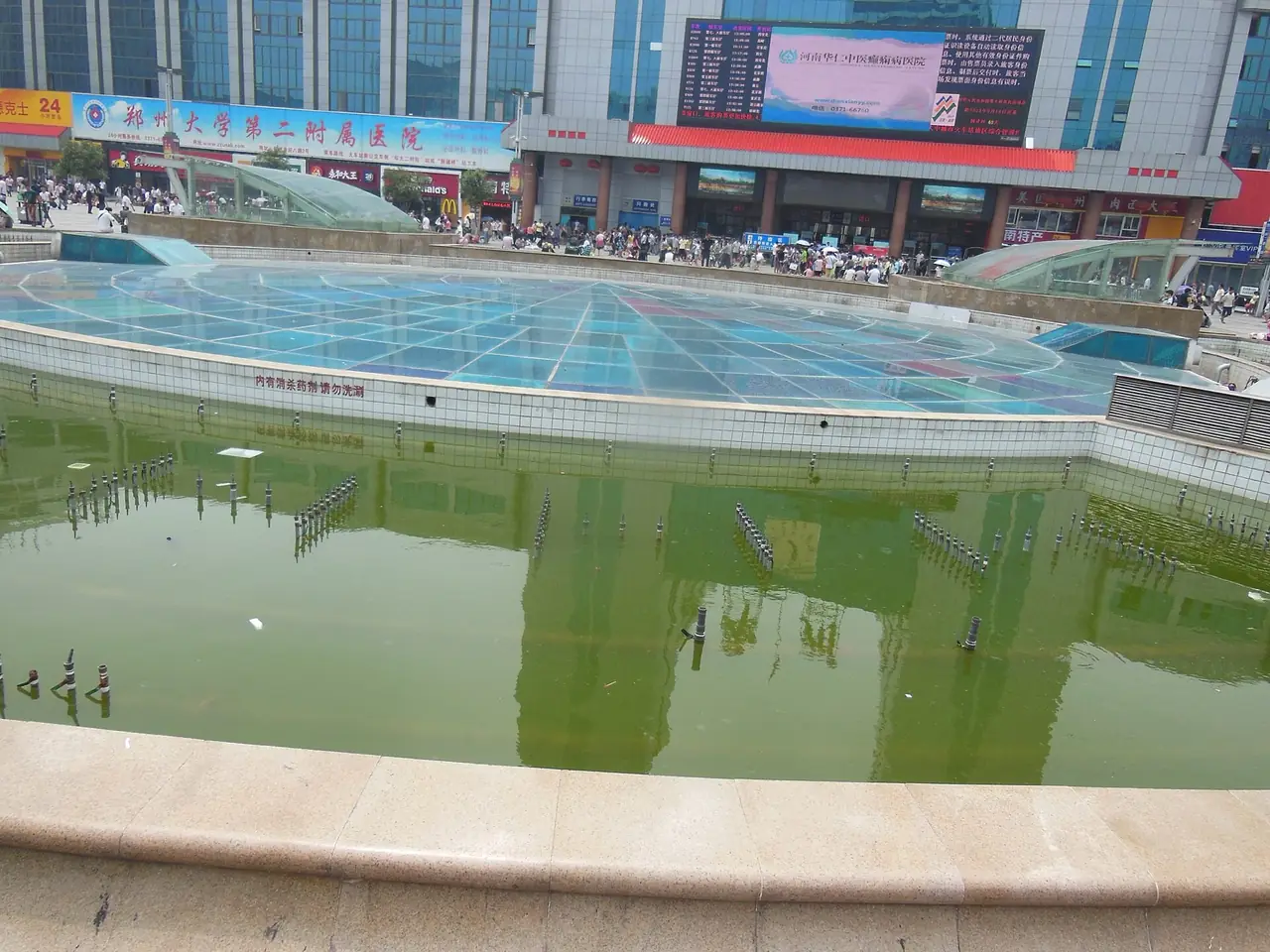
The crossing of trunk lines concentrated goods, information, workers, markets and industry.
Rail brought speed alongside worker communities, labor conflict and rural–urban migration.
04 / Hub
High-speed rail, roads, airport economy, warehousing and digital logistics form a new network. Expansion pressures old neighborhoods and archaeological sites.
A hub should ultimately be judged by human movement, job quality and environment.
02 / Urban system
Read the urban core together with the Yellow River, Mount Song, Dengfeng and the wider transport network.
Shang walls and sites reveal urban organization.
The Yellow River and Mount Song shaped movement, farming and ritual.
Two trunk lines generated modern growth.
Road, air, logistics and migration expand centrality.
03 / Selected exhibits
Open an exhibit to see how it supports the chapter.
Rammed-earth walls, palatial zones and workshops reveal an early urban system.
See references ↓Ritual, religion, learning and astronomy gathered around the “centre of heaven and earth.”
See references ↓Railways reorganized Zhengzhou as a national node.
See references ↓Modern networks join manufacturing, consumption and cross-border circulation.
See references ↓04 / IN ONE SENTENCE
05 / Sources
References support the historical facts, heritage information and city data used in this chapter. Photo creators, licenses and original files appear in the image credits.
Images resized and converted; display may be cropped.
Explore another
Related by geographic region and historical themes rather than random recommendation.
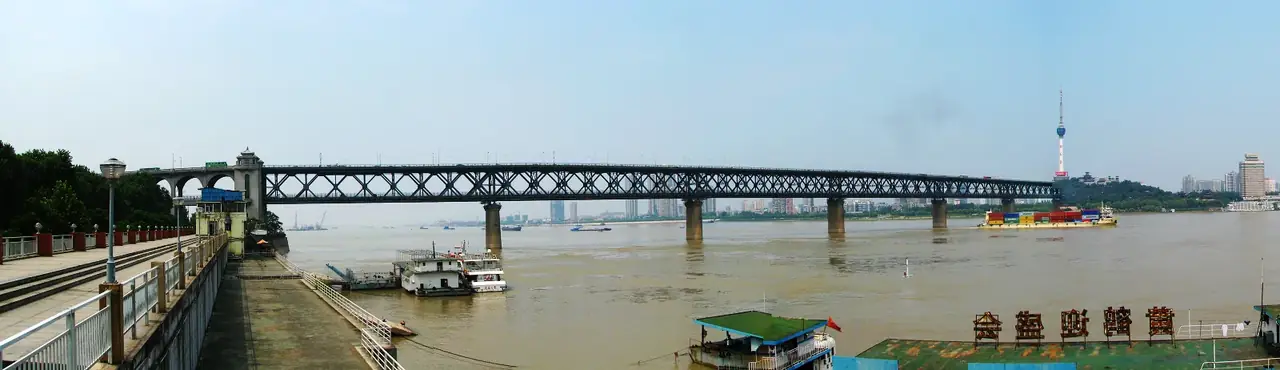
How were three towns stitched into one transport hub?
Open chapter ↗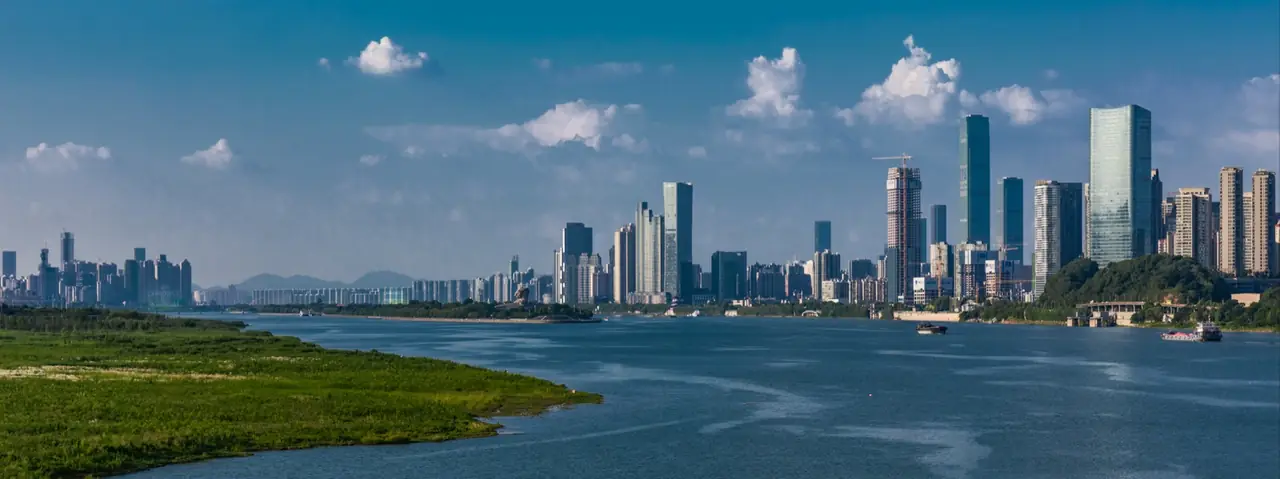
Why does Changsha repeatedly turn local culture into public expression?
Open chapter ↗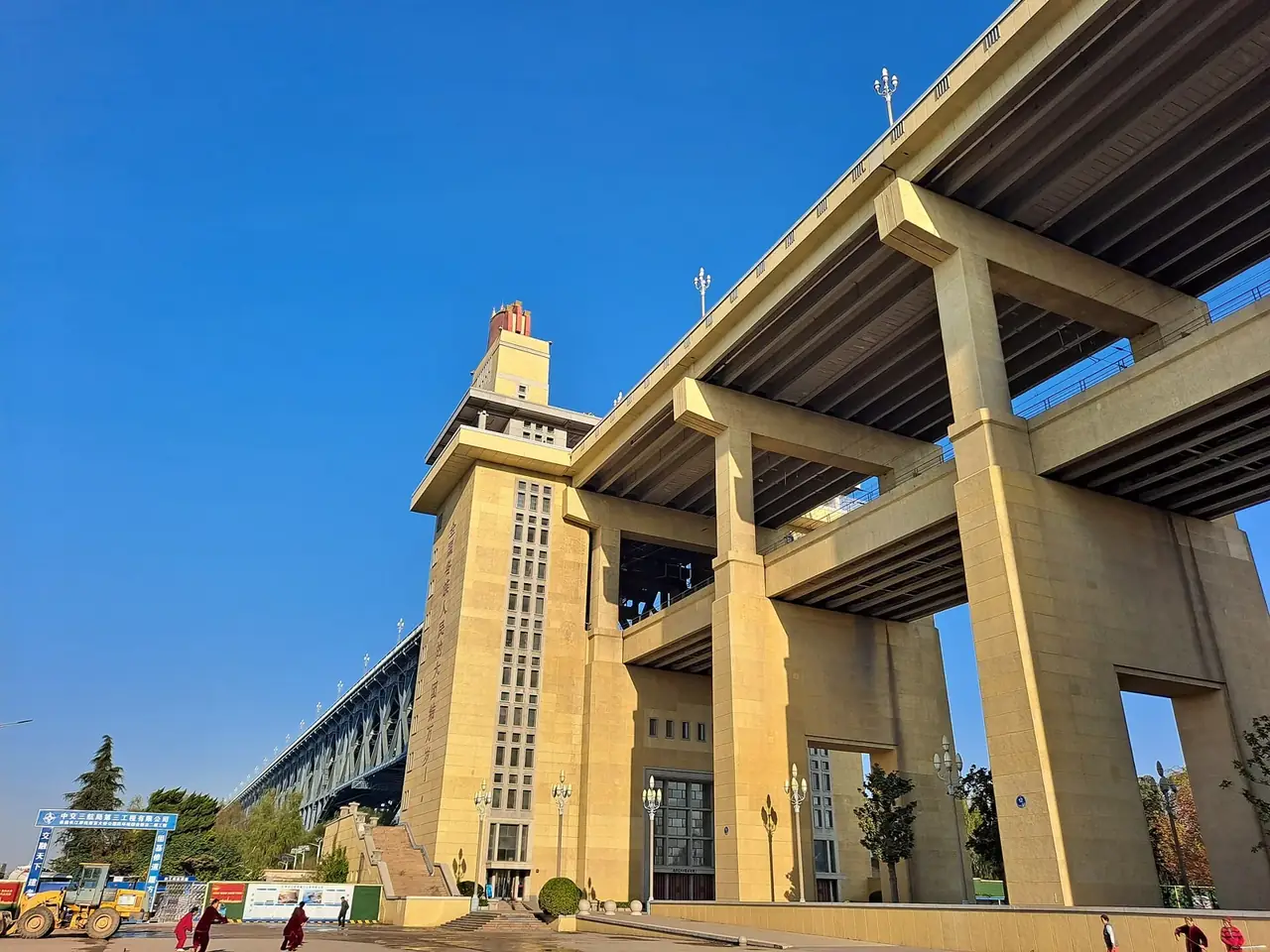
How does Nanjing live with its river and its memory?
Open chapter ↗


