What does one shared force leave in different cities?
This route does more than connect places. It uses “Frontiers and routes” as a comparative axis: begin with shared conditions, then examine differences created by institutions, terrain and population.
01
Shaanxi · China / Capital and Silk Roads
Xi’an
Why did Chang’an become a point of departure?
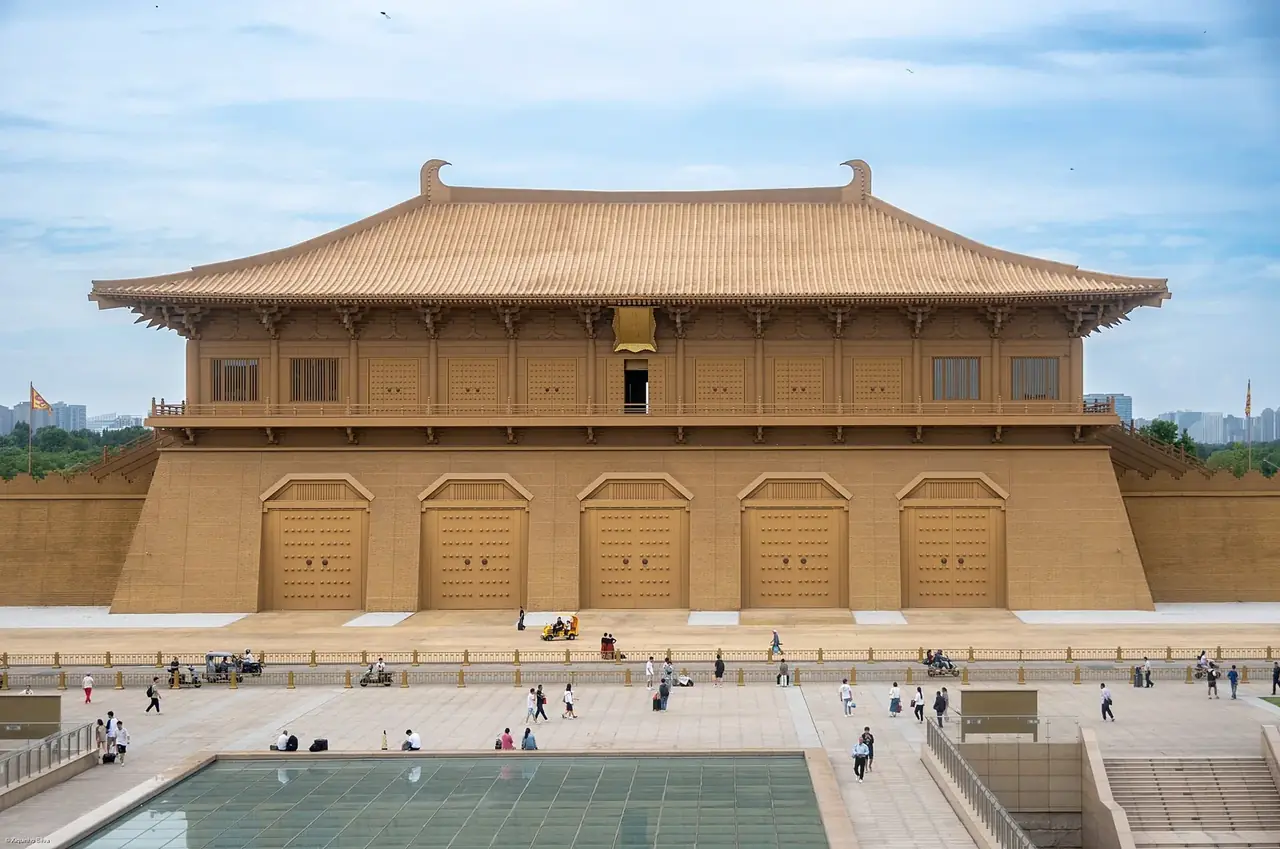
Han and Tang capital systems made Chang’an a shared stage for imperial order and transcontinental exchange. Walls, gridded streets and plural foodways keep the ancient capital present in daily life.
How did Luoyang carve exchange into gates and cliffs?
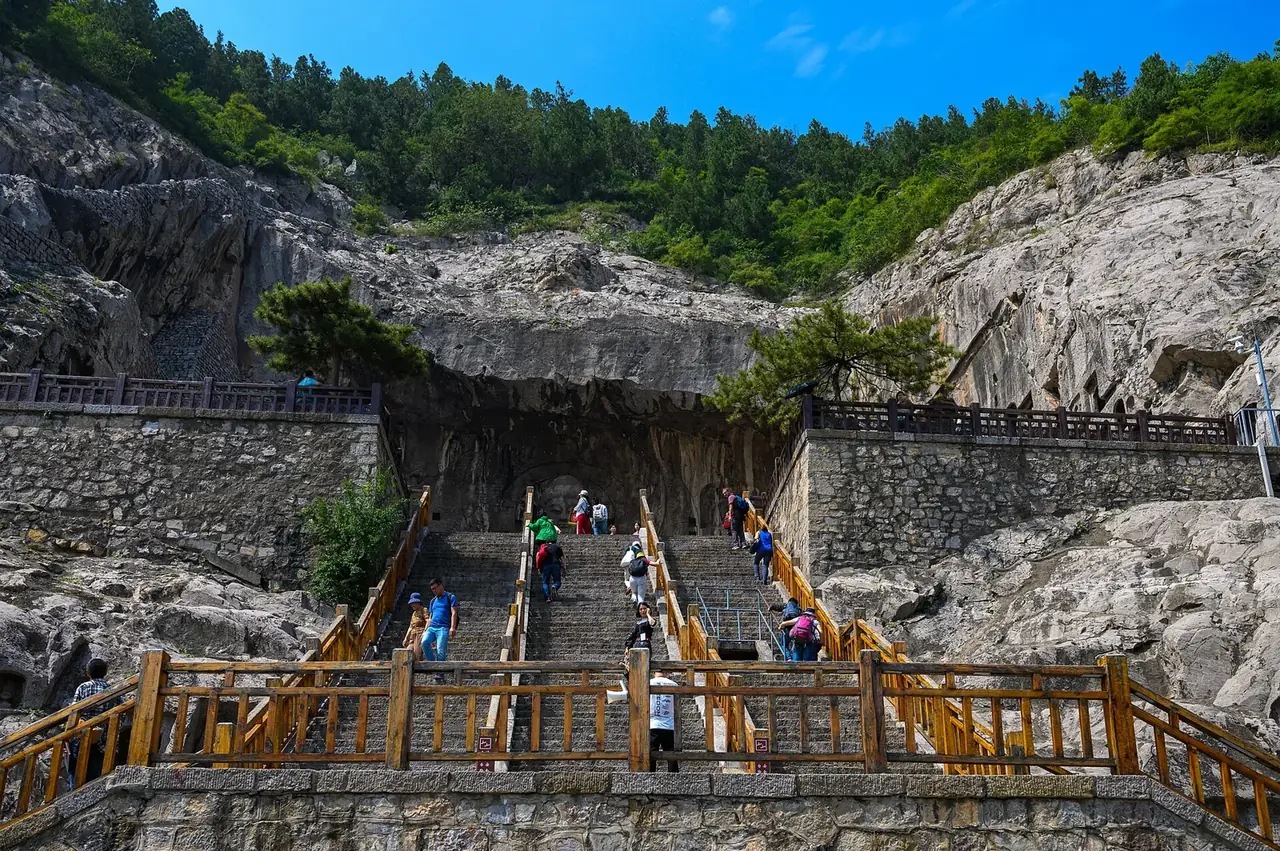
Repeated foundation, relocation and destruction made Luoyang a place where institutions, people and religions regrouped. Longmen, capital ruins and peony culture turn imperial history into visible local memory.
Why did world cultures leave such dense traces in Dunhuang?
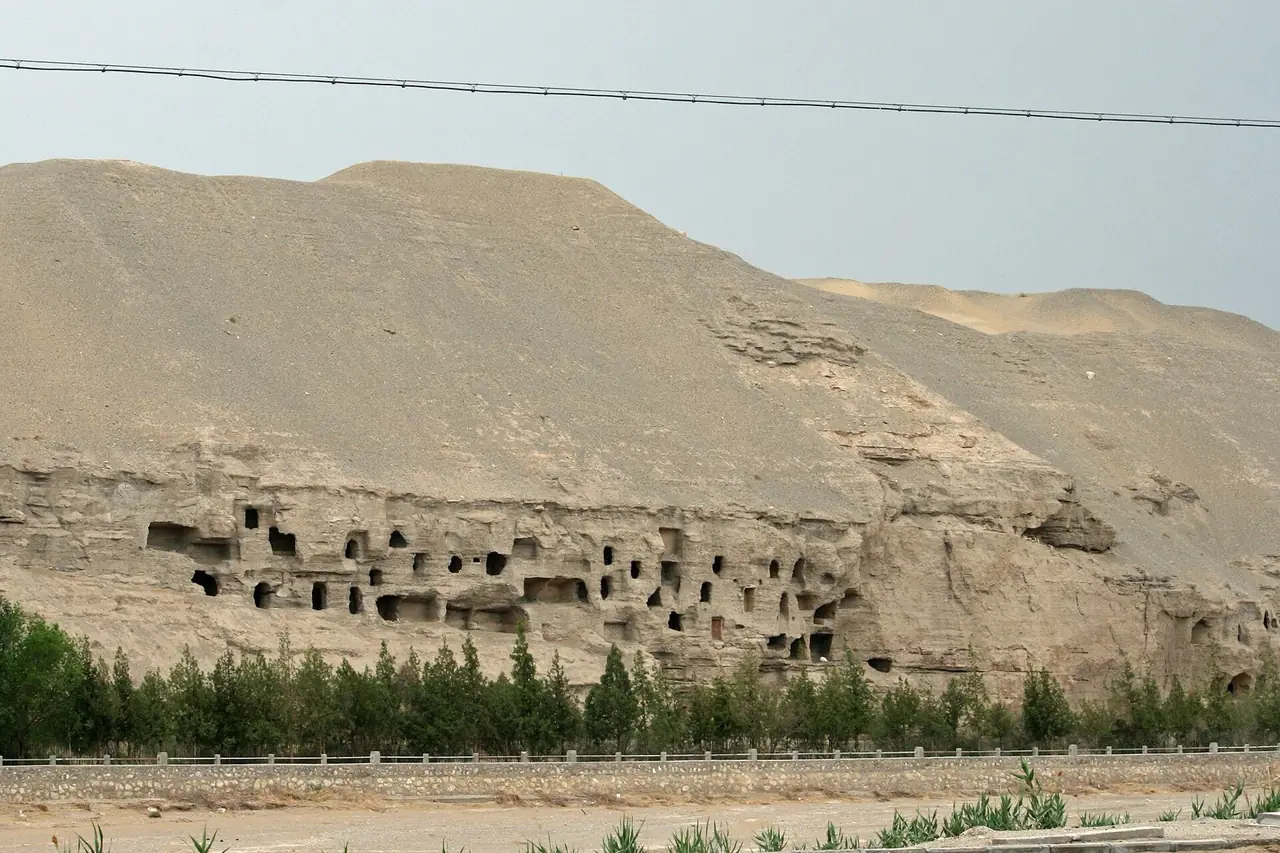
Silk Road traffic, shifting regimes and Buddhism sustained the long construction of Mogao. Conservation, manuscript research and tourism management are redefining the oasis–heritage relationship.
How did frontier pressure make Datong repeatedly rebuild order?
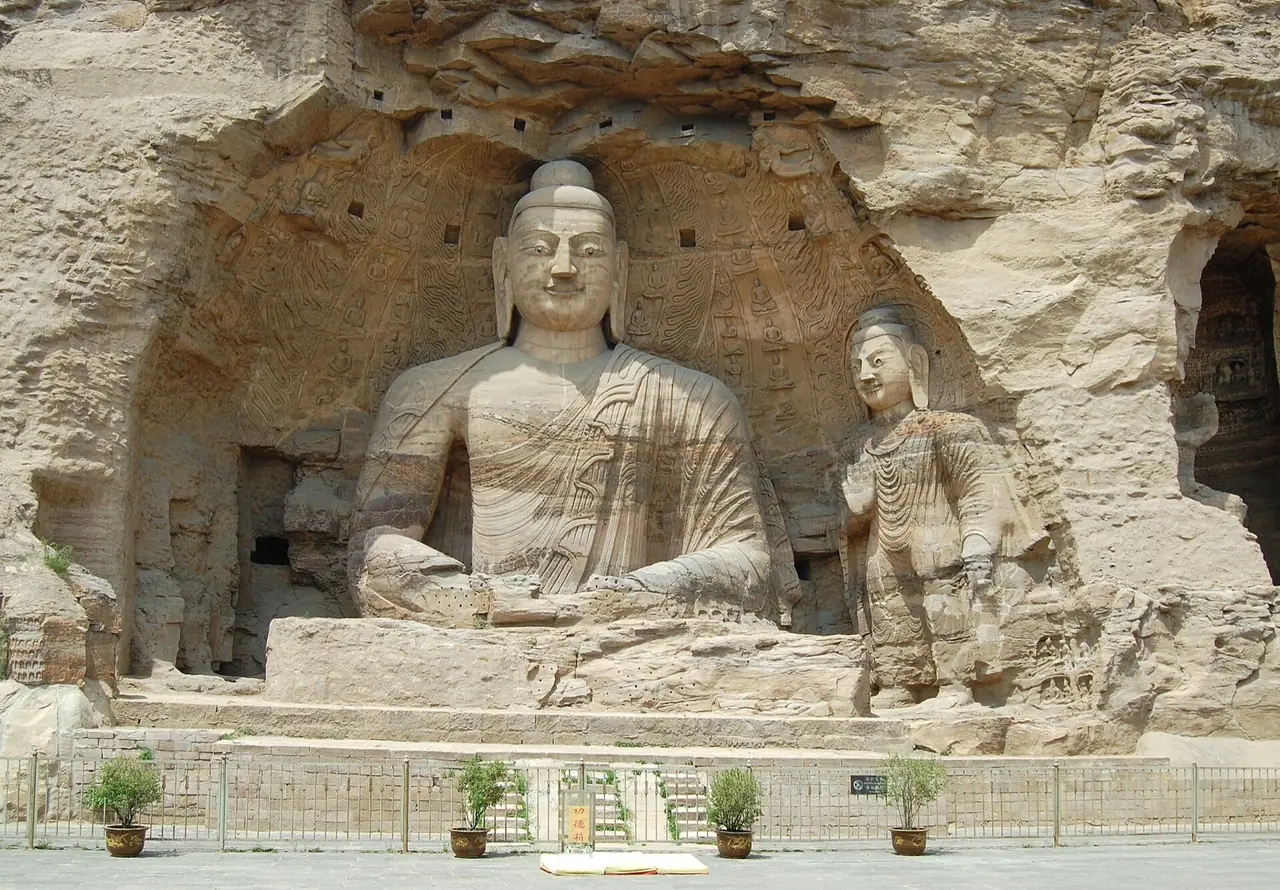
Northern Wei capital building, Liao–Jin defense and the Ming garrison repeatedly concentrated state resources here. Yungang, Huayan Temple, walls and industrial transition reveal a frontier city repeatedly rebuilding order.
Heilongjiang · China / Railway, migration and cold-climate city
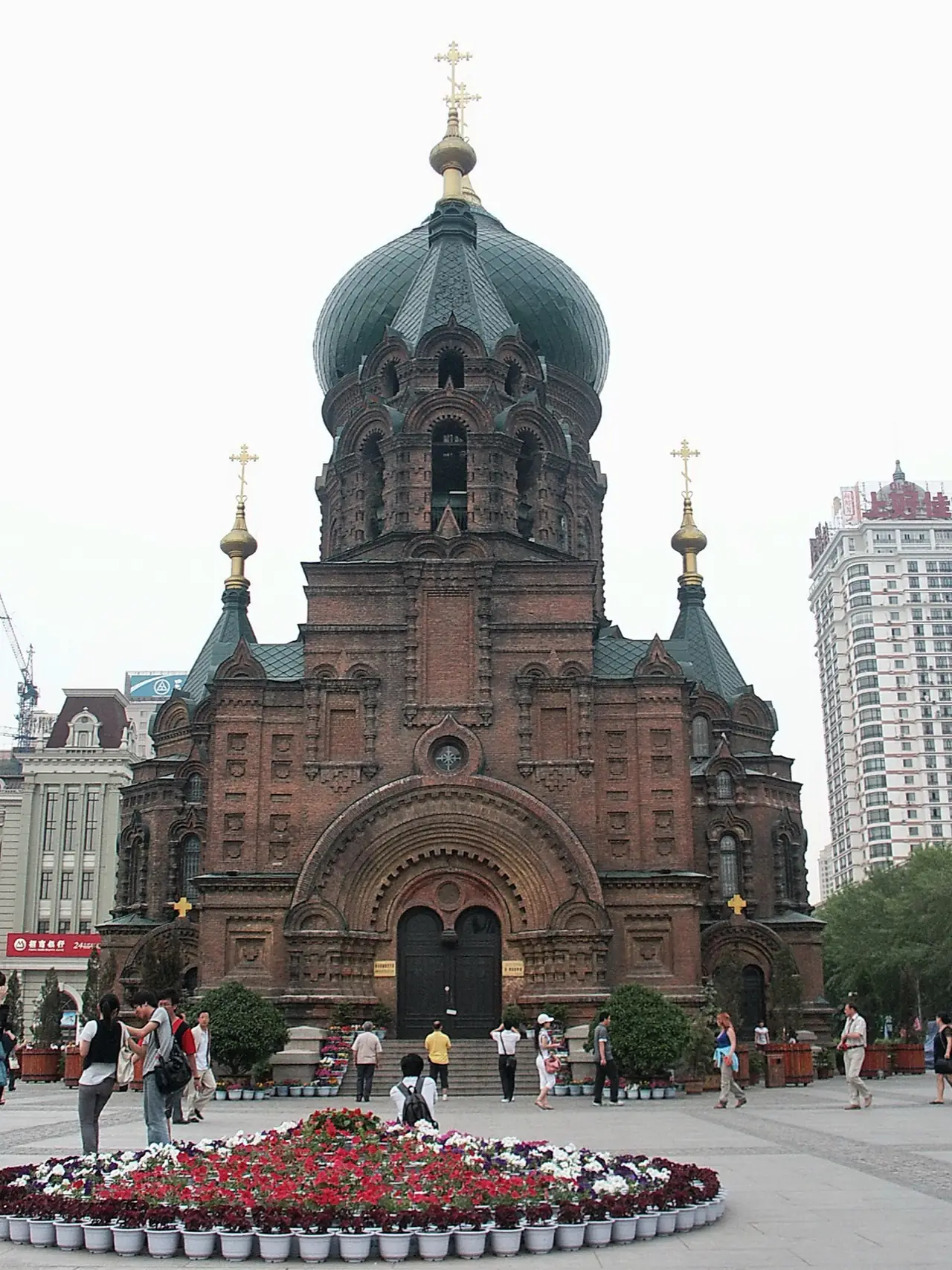
Harbin
How did a railway gather Harbin in a northern climate?
The Chinese Eastern Railway rapidly concentrated migrants, capital, architecture and industry. Neighborhood architecture, winter life and industrial memory express a cross-cultural cold-region city.
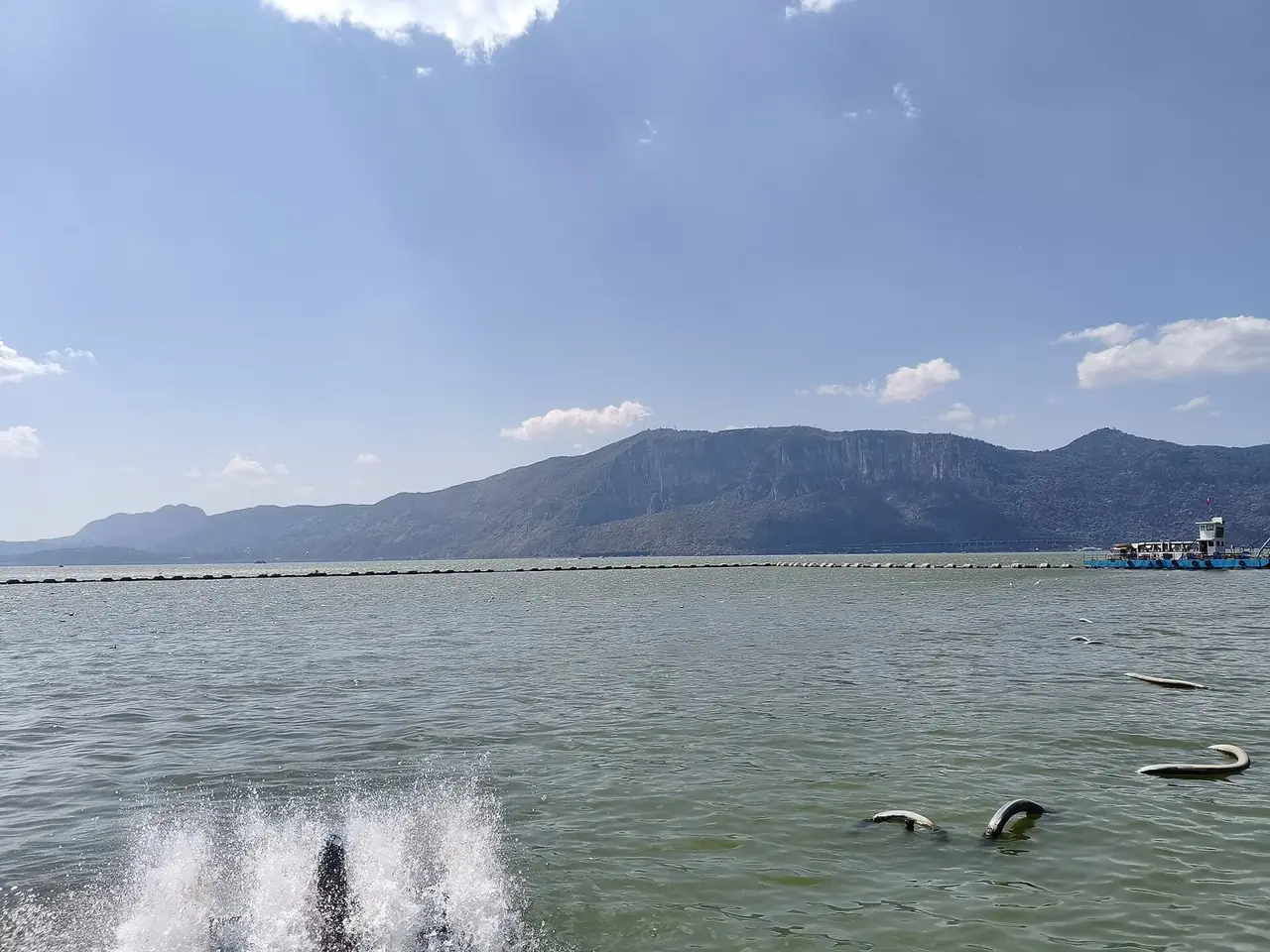
How did Kunming become a gateway between the plateau and southern worlds?
The Yunnan–Vietnam Railway, wartime routes and aviation reinforced Kunming’s southwestern gateway role. Multiethnic markets, floriculture and lake restoration together define today’s plateau city.