What does one shared force leave in different cities?
This route does more than connect places. It uses “Power and space” as a comparative axis: begin with shared conditions, then examine differences created by institutions, terrain and population.
01
Beijing · China / Axis and capital
Beijing
How can one axis organize a capital?
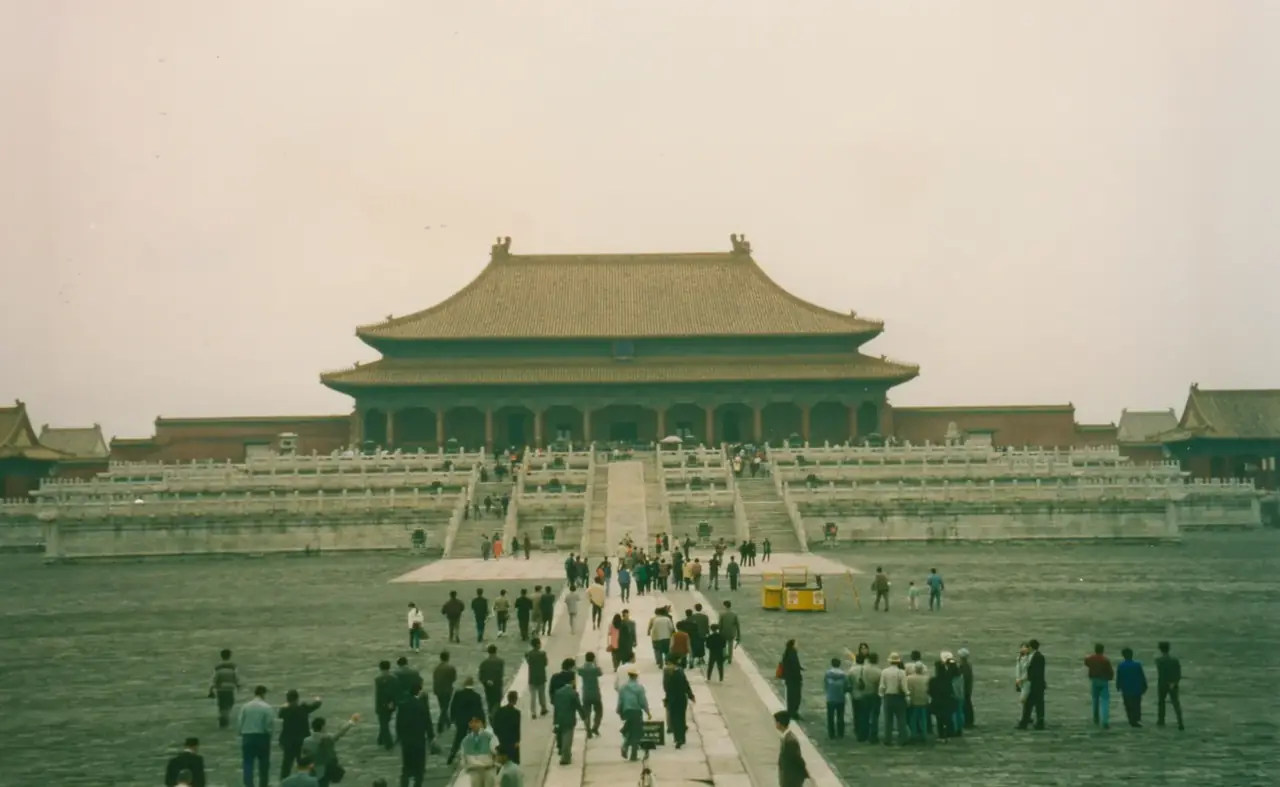
Yuan, Ming and Qing planning translated power into an axis of palace city, temples and ritual sites. Hutong life, civic architecture and new urban axes continue to negotiate the capital’s historical scale.
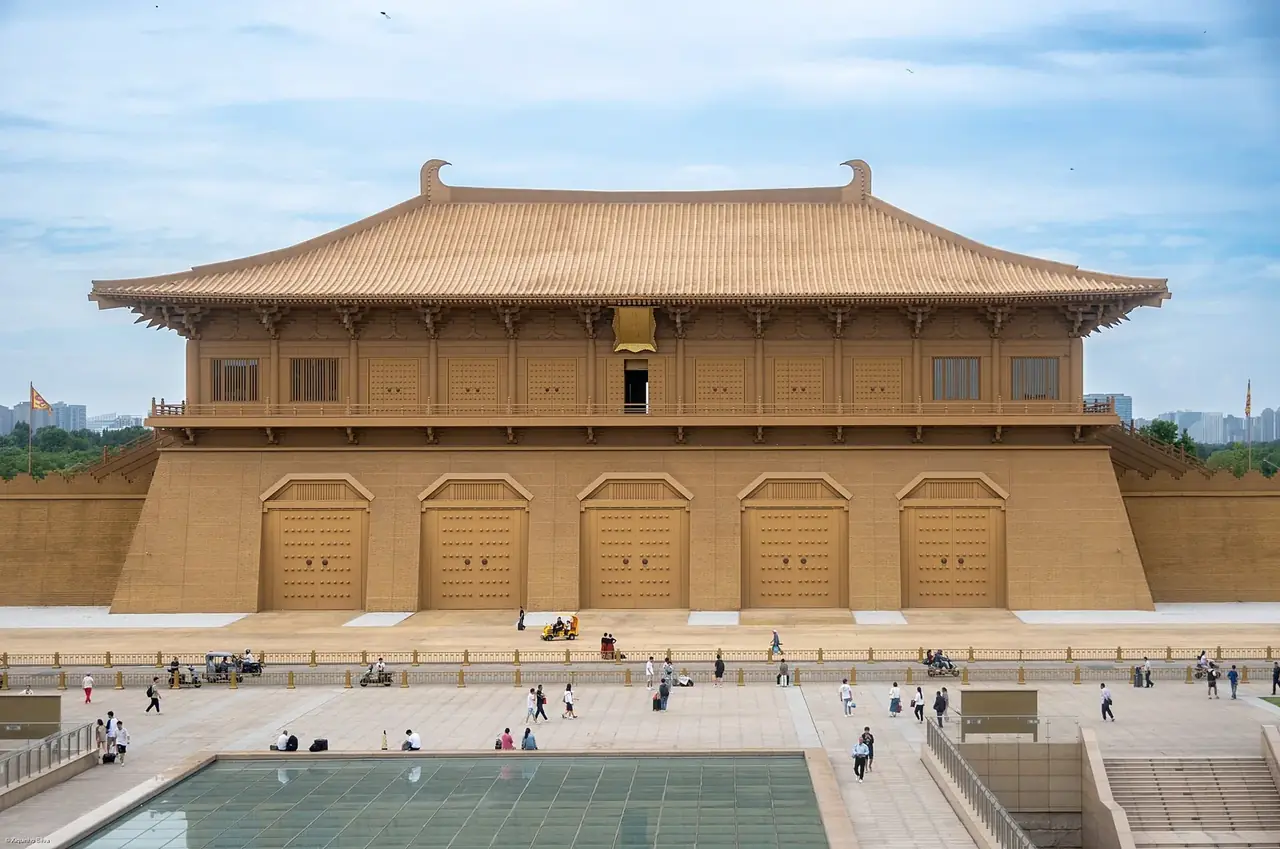
Han and Tang capital systems made Chang’an a shared stage for imperial order and transcontinental exchange. Walls, gridded streets and plural foodways keep the ancient capital present in daily life.
How does Nanjing live with its river and its memory?
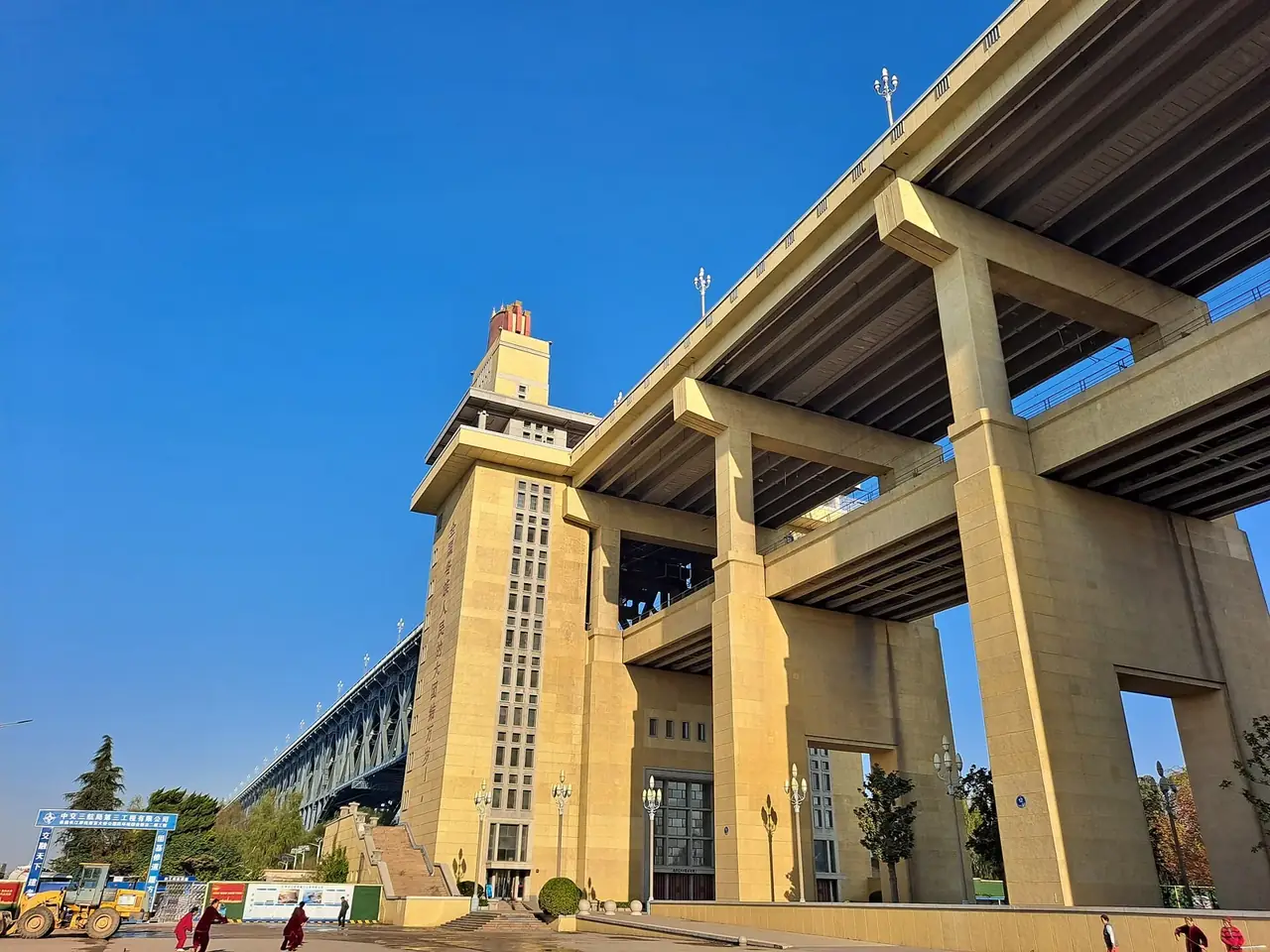
Repeated capitals, wars and rebuilding made Nanjing alternate between national order and local life. Walls, Republican-era architecture and industrial heritage overlap in a city that renews itself through memory.
How did Luoyang carve exchange into gates and cliffs?
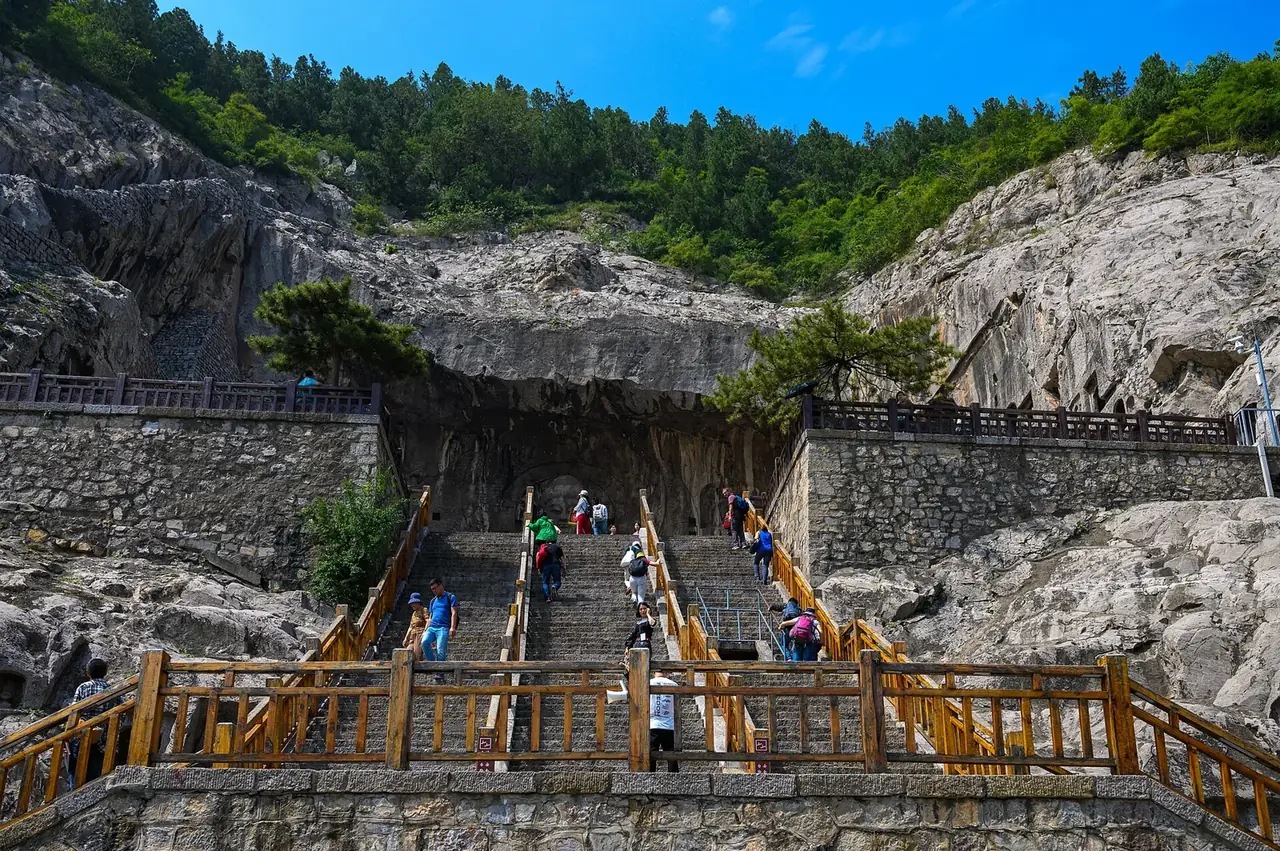
Repeated foundation, relocation and destruction made Luoyang a place where institutions, people and religions regrouped. Longmen, capital ruins and peony culture turn imperial history into visible local memory.
Henan · China / Yellow River, canal and Song metropolis
Kaifeng
How did Kaifeng reach an urban peak between prosperity and flood?
Northern Song Dongjing used national logistics and commercial institutions to create an unusually open metropolis. Layered ruins, markets and festivals preserve an urban resilience built through repeated disaster.
How did frontier pressure make Datong repeatedly rebuild order?
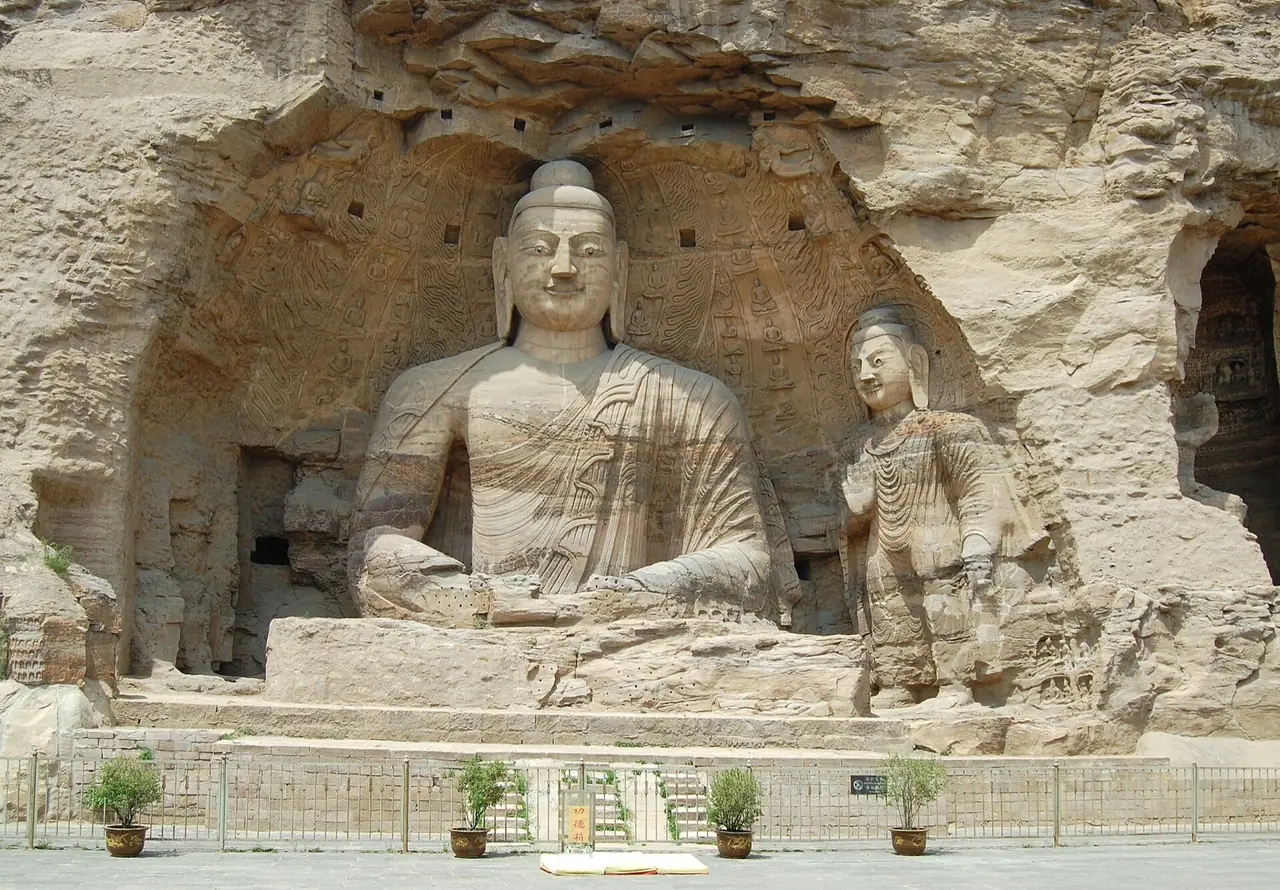
Northern Wei capital building, Liao–Jin defense and the Ming garrison repeatedly concentrated state resources here. Yungang, Huayan Temple, walls and industrial transition reveal a frontier city repeatedly rebuilding order.
Henan · China / Shang city, Yellow River and rail hub
Zhengzhou
Why has Zhengzhou repeatedly been rebuilt around the idea of a central position?
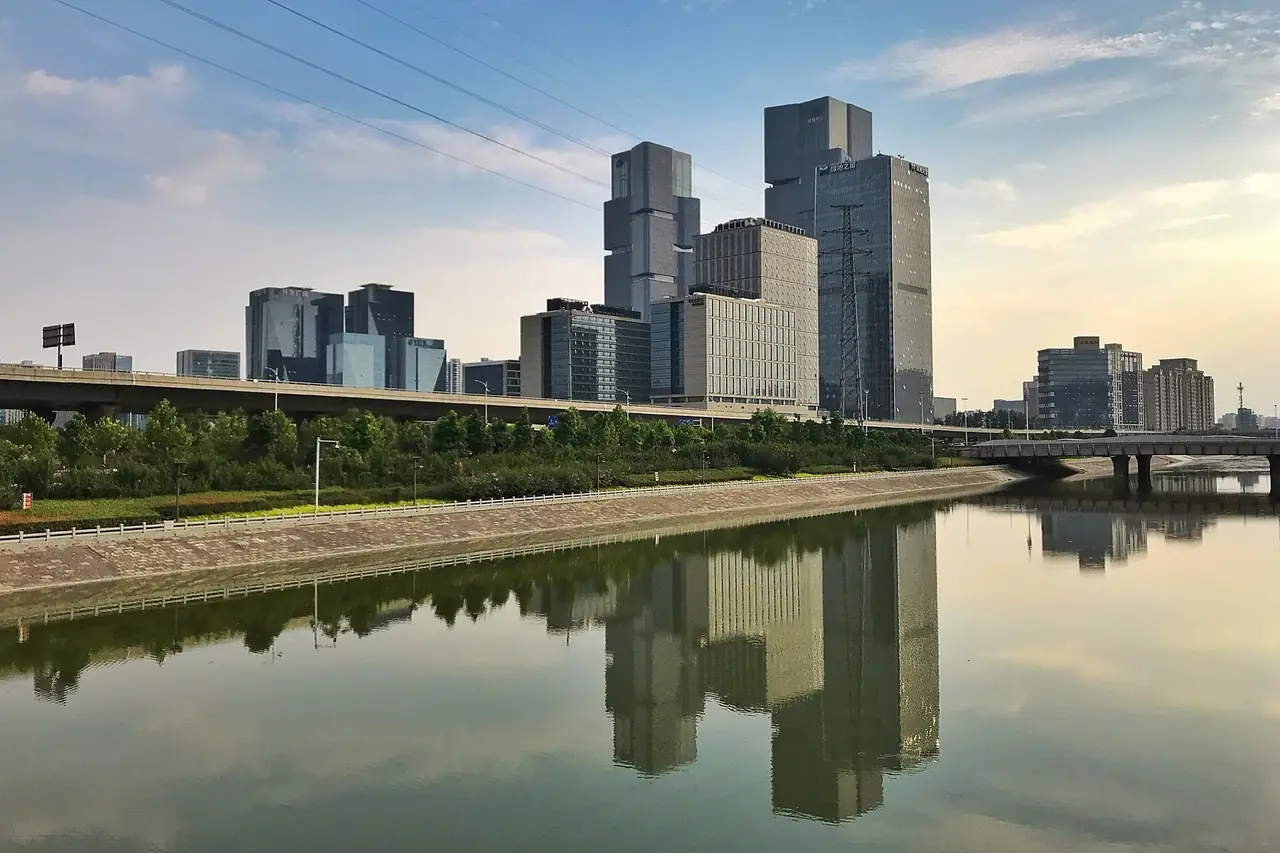
After the Shang center, modern railway junctions remade urban centrality at a new scale. Shang remains, worker memory, high-speed rail and air logistics layer a shifting hub identity.