What does one shared force leave in different cities?
This route does more than connect places. It uses “Ports and exchange” as a comparative axis: begin with shared conditions, then examine differences created by institutions, terrain and population.
01
Fujian · China / Maritime trade in the Song–Yuan era
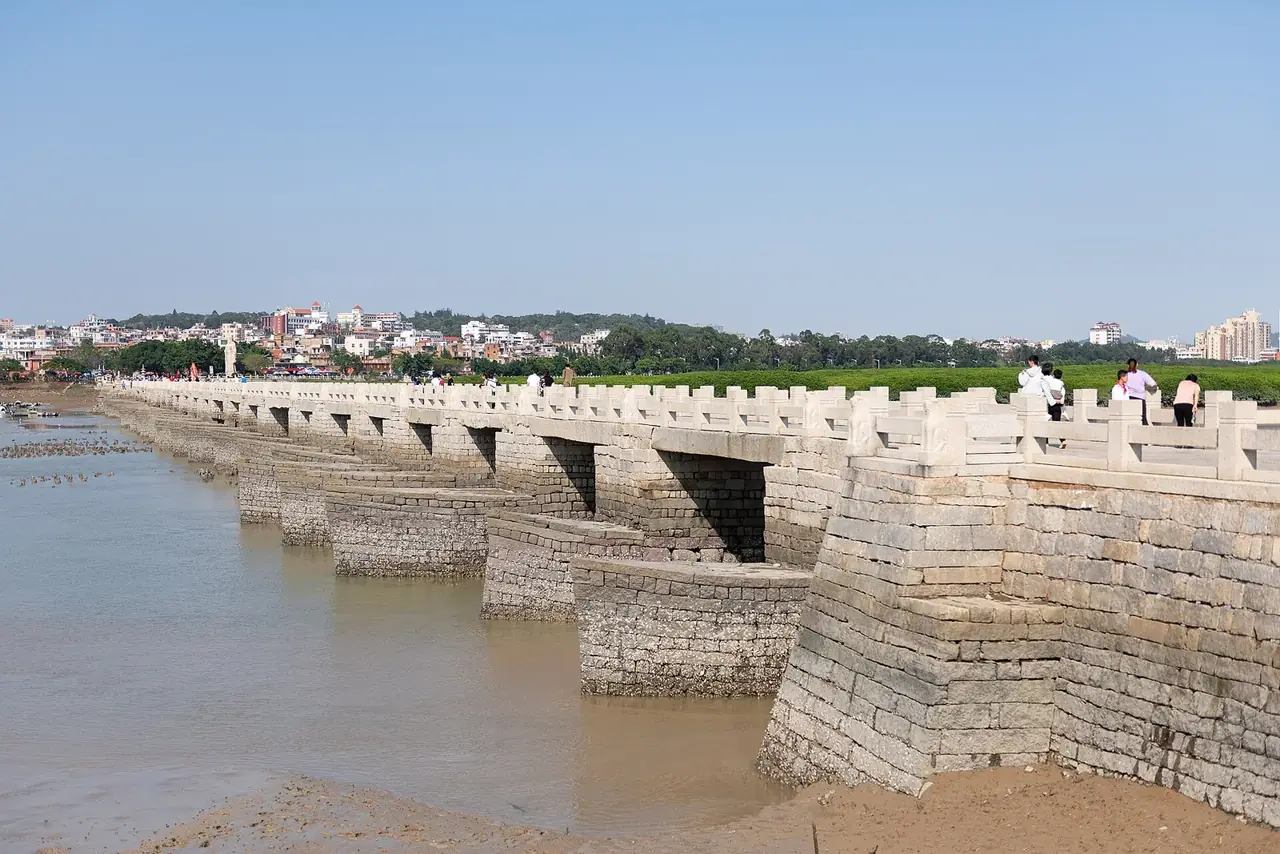
Quanzhou
How did one port bring the world to Quanzhou?
Song–Yuan institutions and merchant networks turned a regional harbor into a global node. Religious buildings, diaspora ties and street trades still retain the social traces of maritime exchange.
Fujian · China / Min River, lanes and maritime gateway
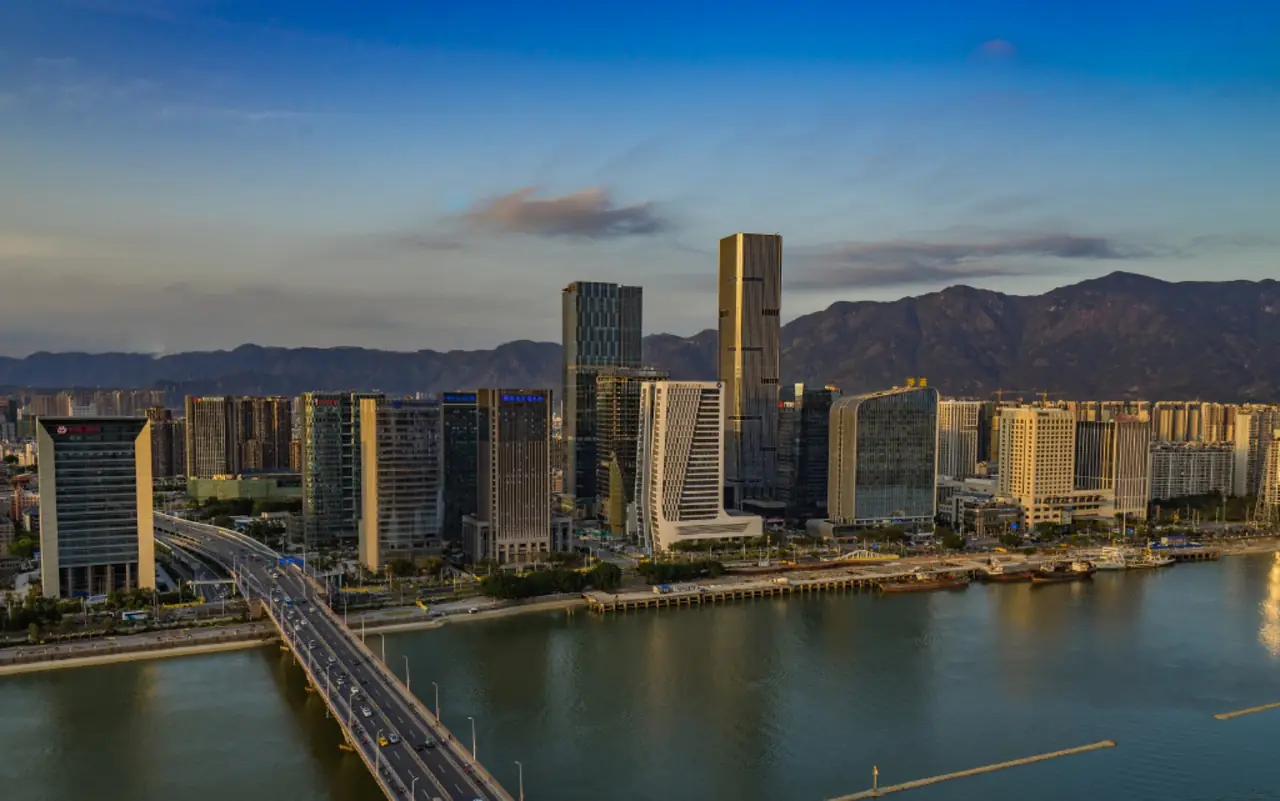
Fuzhou
How did Fuzhou preserve neighborhood order while remaining open to the world between mountain and sea?
Treaty-port opening and the Mawei Arsenal brought shipbuilding, education, translation and naval technology. Three Lanes and Seven Alleys, diaspora networks and craft preserve memories of departure and return.
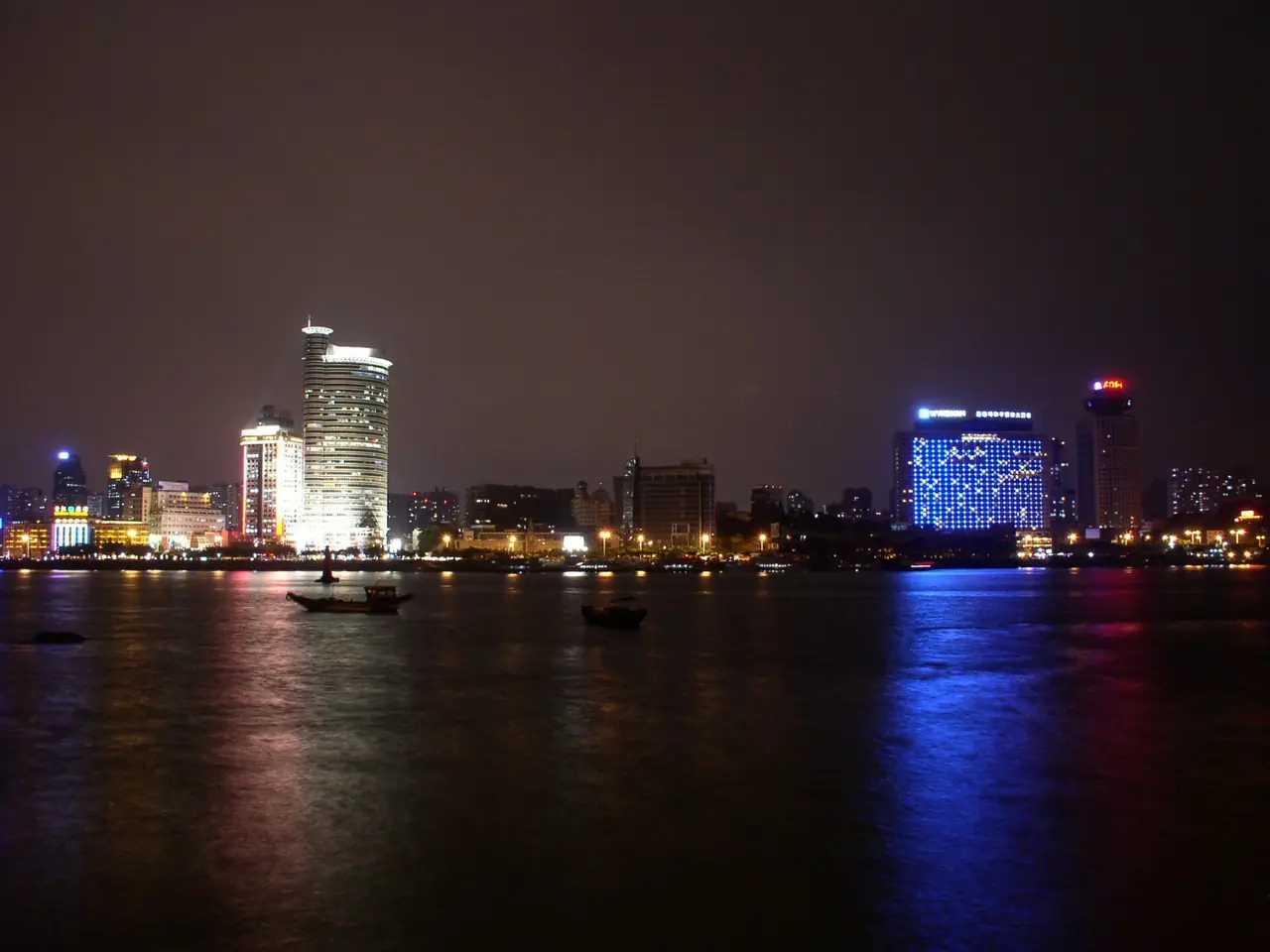
How did the strait and Southeast Asian diaspora enter Xiamen’s daily life?
Treaty-port opening and Minnan diaspora networks linked local business, education and architecture to Southeast Asia. Arcades, Gulangyu and community worship keep maritime migration legible in the city.
Guangdong · China / Pearl River, trade and Lingnan gateway
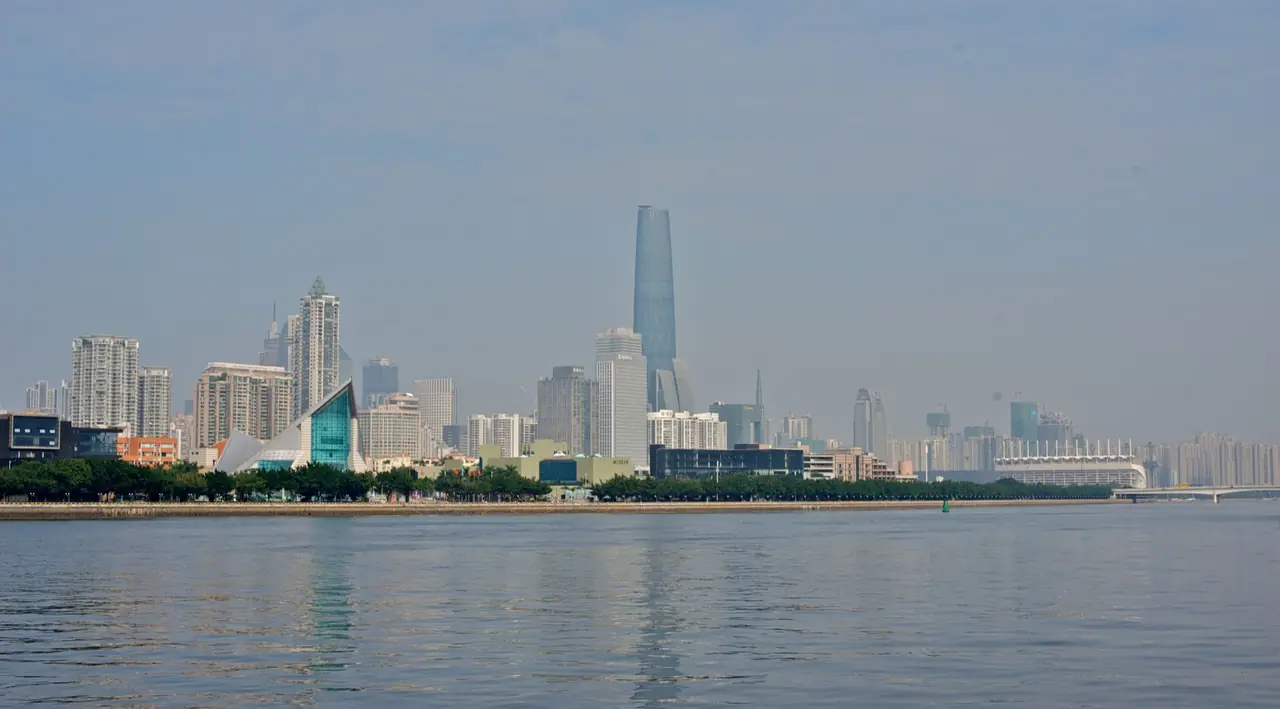
Guangzhou
How has Guangzhou renewed overseas trade for two millennia?
Maritime institutions, the Thirteen Factories and revolution repeatedly turned commerce into civic power. Arcades, Cantonese culture, wholesale markets and fairs sustain a pragmatic openness.
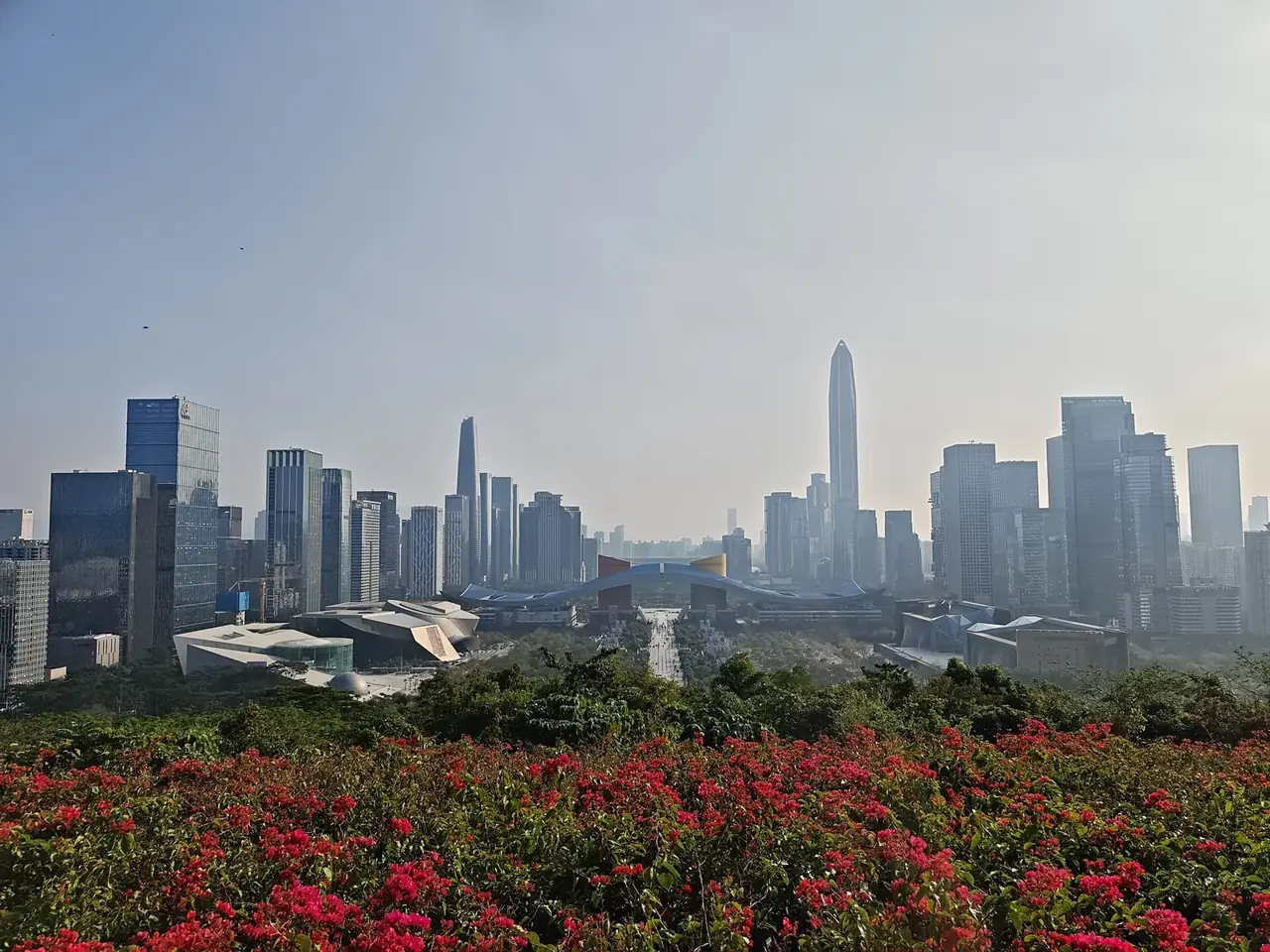
How did movement of people become Shenzhen’s capacity to innovate?
The special economic zone compressed institutional experiment, migration and manufacturing into a brief urban cycle. Urban villages, technology parks and checkpoints record how a migrant city continually reorganizes opportunity.
Tianjin · China / River, canal and modern industry
Tianjin
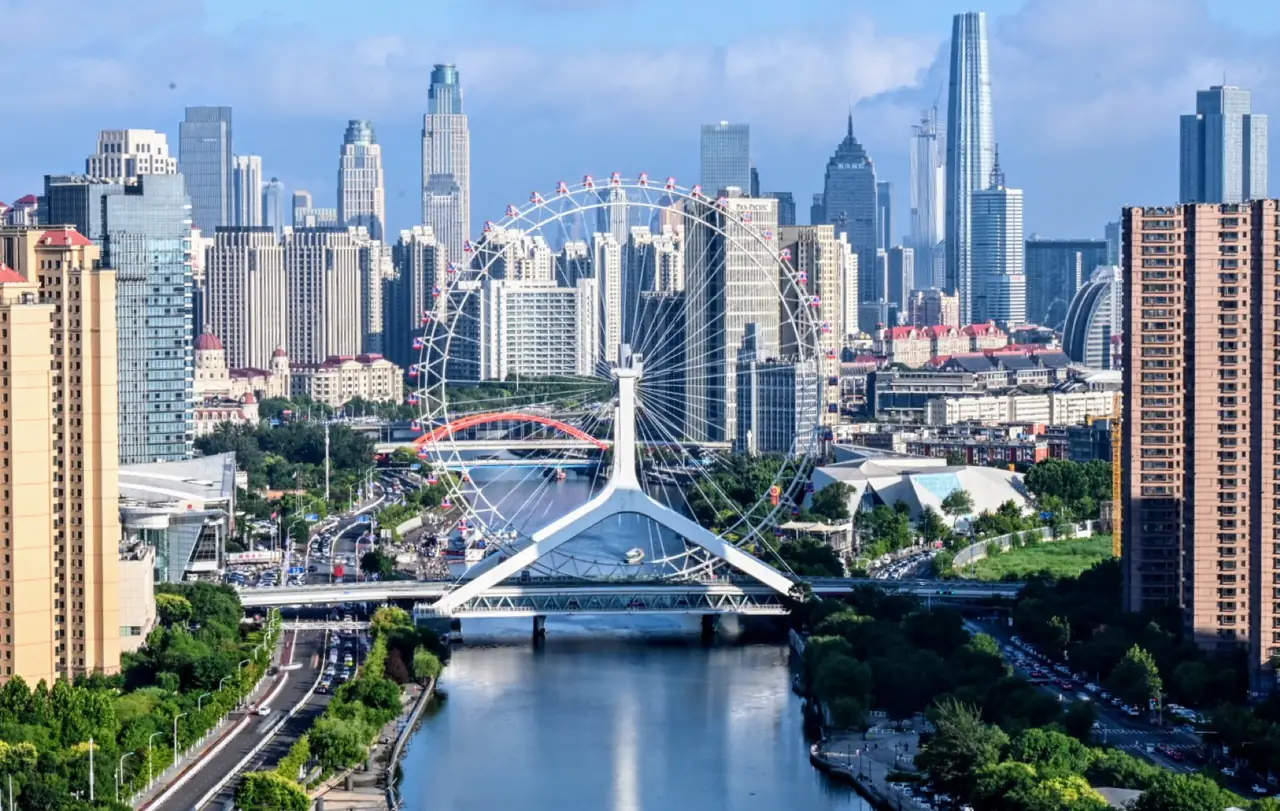
How did Tianjin become North China’s gateway to the world where rivers meet the sea?
Garrison, treaty-port opening, concessions and industry successively changed governance, districts and population. Old city, worker districts, Hai public space and Tianjin Port preserve and reorganize a northern gateway.
Shandong · China / Bay, colonial conflict and industrial port
Qingdao
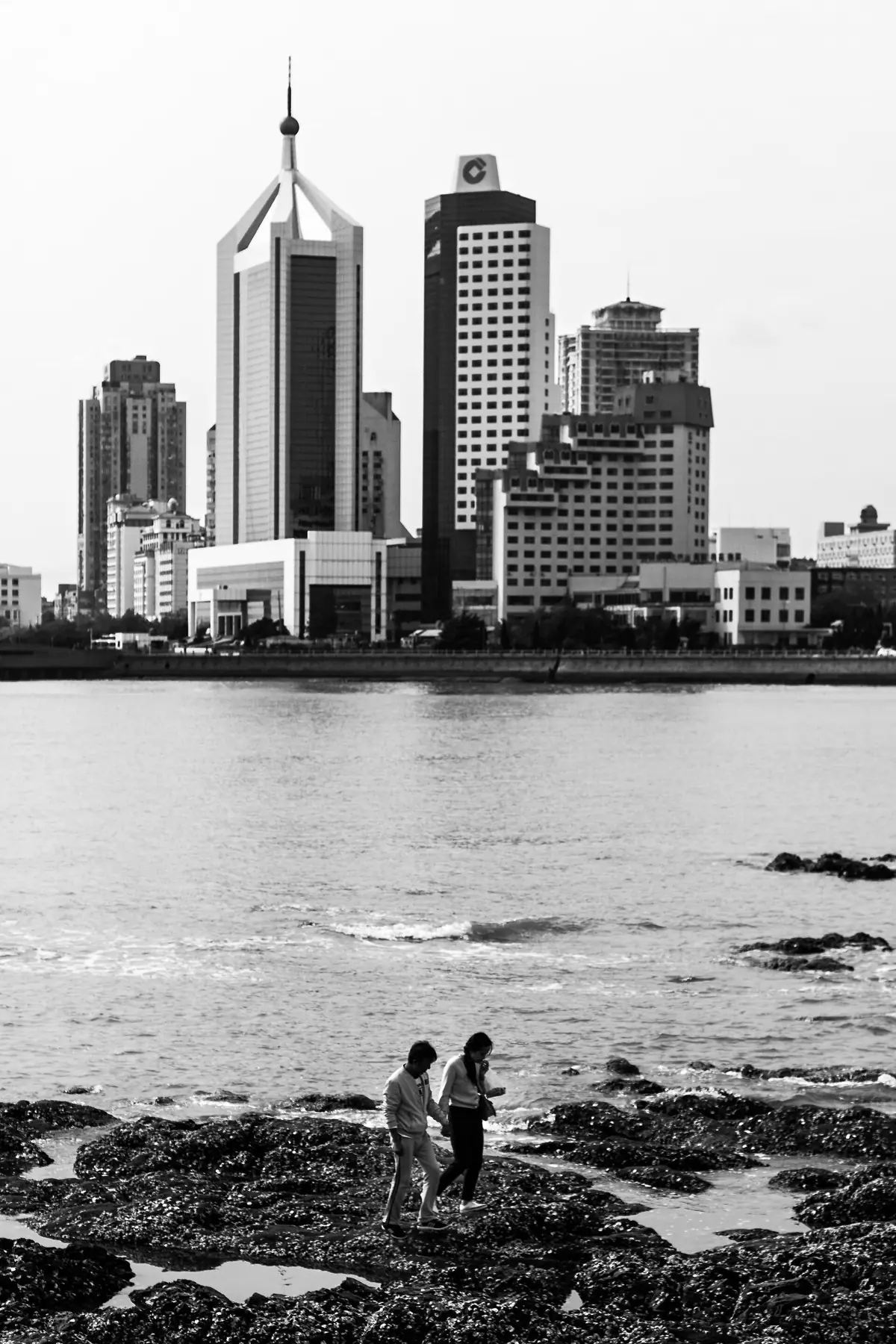
How did Qingdao turn an imposed port plan into its own urban life?
Colonial planning, restored sovereignty and state industry left conflicting yet overlapping layers. Port manufacturing, liyuan blocks, beer culture and waterfront public space shape current identity.
Shanghai · China / Estuary, migration and metropolis
Shanghai
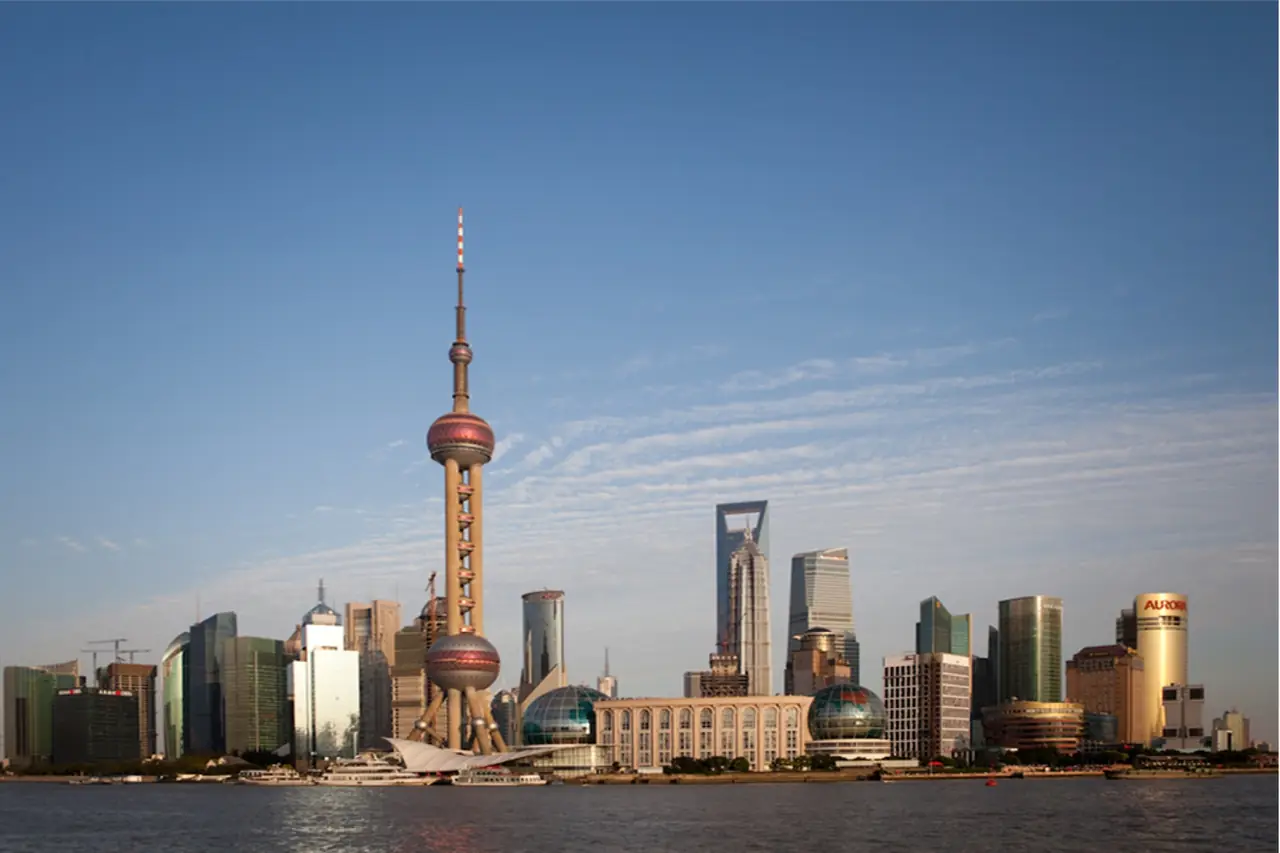
How did Shanghai organize constant arrivals into a world city?
Treaty-port opening, concessions, industrialization and reform successively remade institutions and population. Lilong, the Bund, converted factories and Pudong preserve several modernities side by side.