What does one shared force leave in different cities?
This route does more than connect places. It uses “Canal and city” as a comparative axis: begin with shared conditions, then examine differences created by institutions, terrain and population.
01
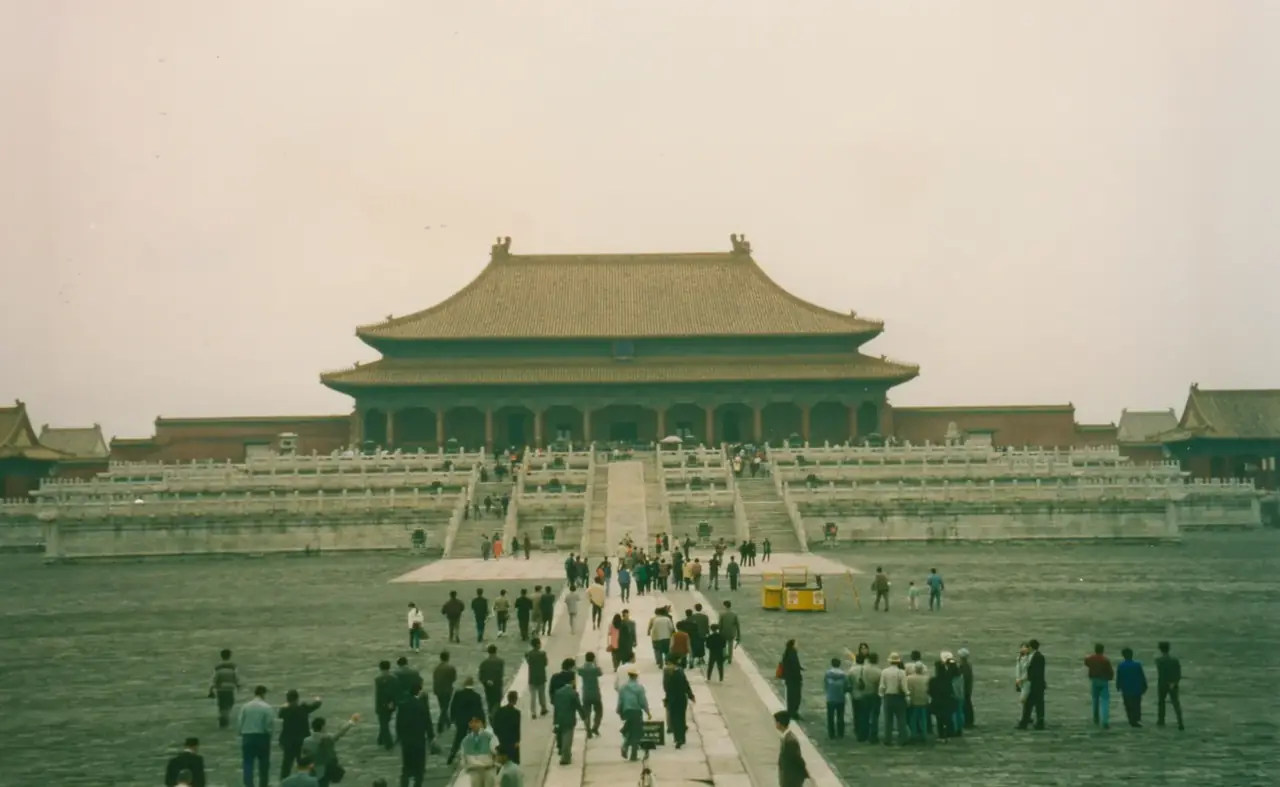
Beijing · China / Axis and capital
Beijing
How can one axis organize a capital?
Yuan, Ming and Qing planning translated power into an axis of palace city, temples and ritual sites. Hutong life, civic architecture and new urban axes continue to negotiate the capital’s historical scale.
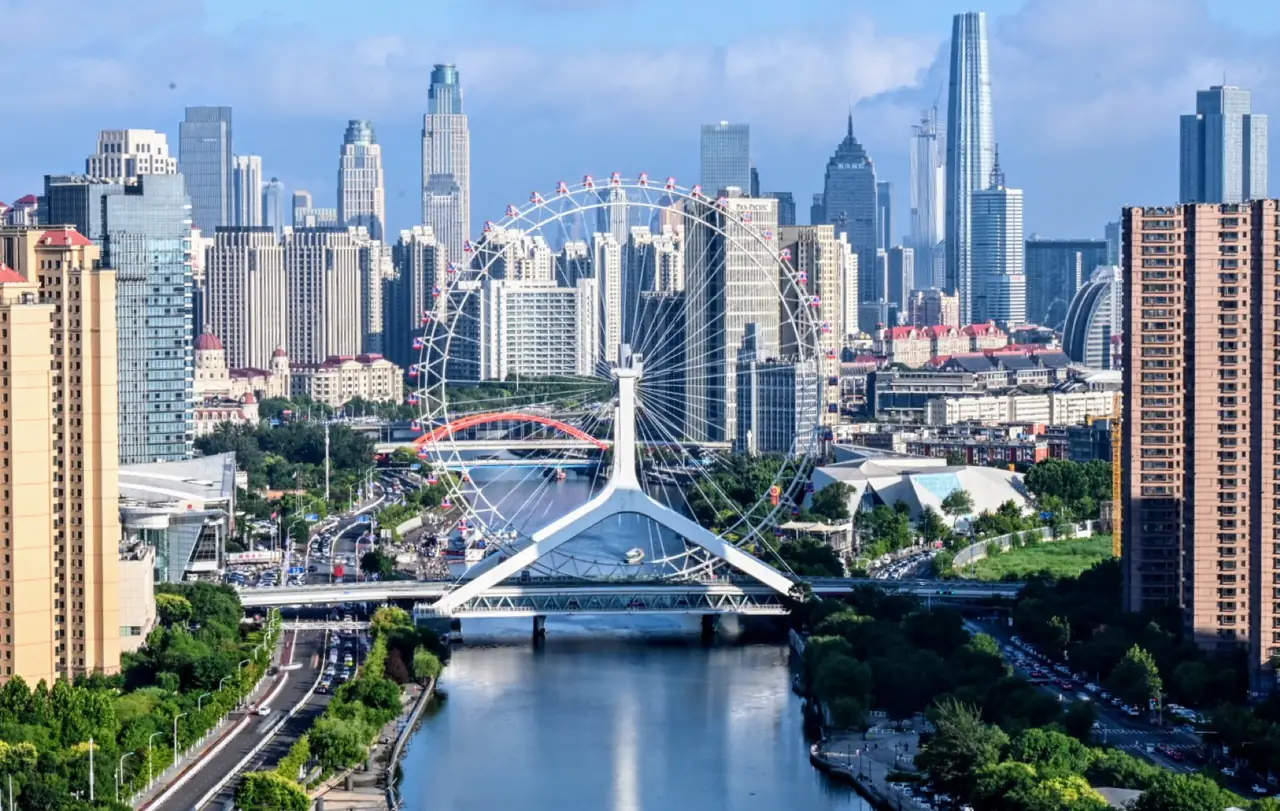
Tianjin · China / River, canal and modern industry
Tianjin
How did Tianjin become North China’s gateway to the world where rivers meet the sea?
Garrison, treaty-port opening, concessions and industry successively changed governance, districts and population. Old city, worker districts, Hai public space and Tianjin Port preserve and reorganize a northern gateway.
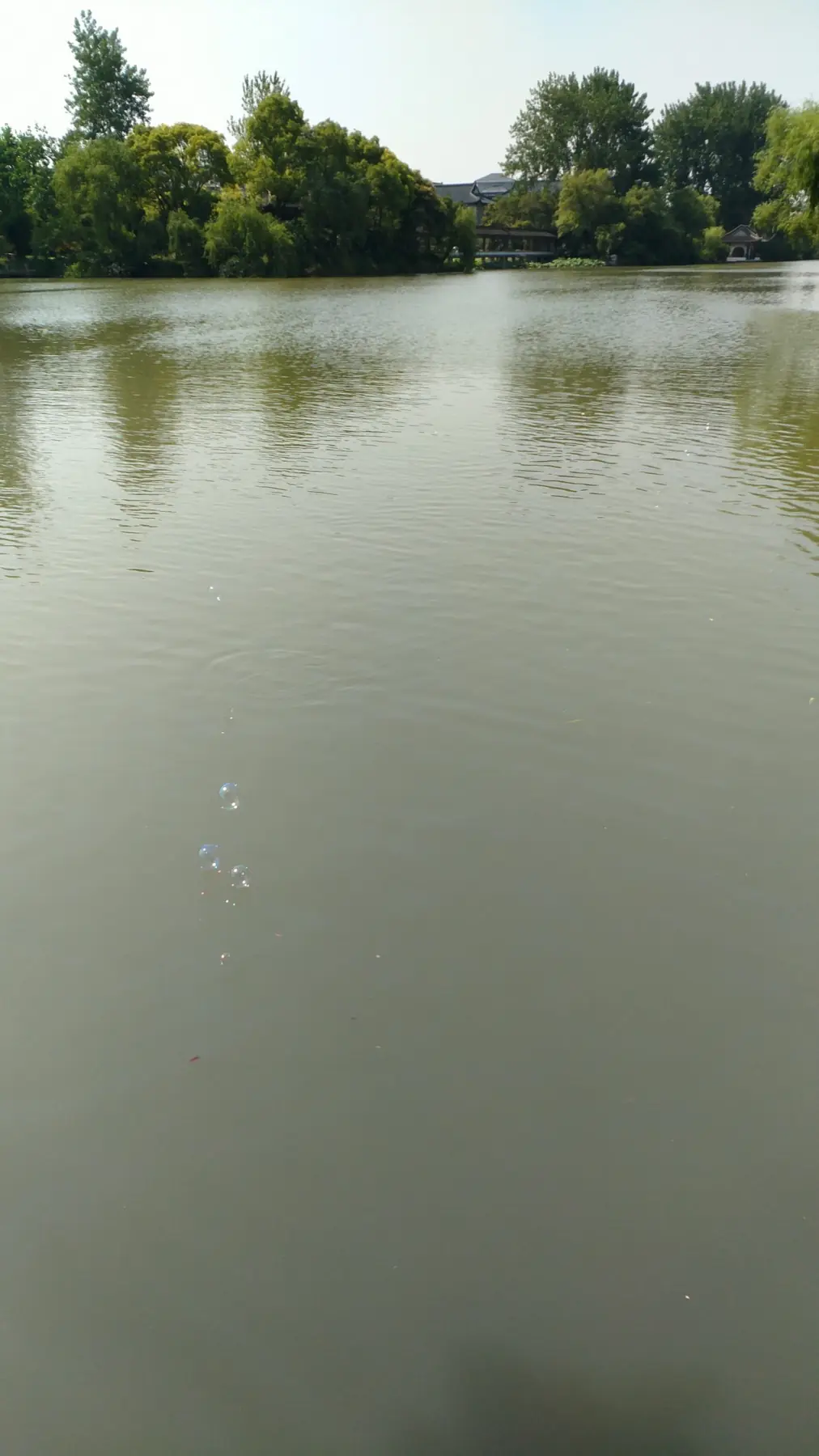
How did Yangzhou turn canal wealth into a refined and open urban culture?
Grain transport and salt administration concentrated wealth and supported gardens, publishing and craft. Historic quarters, gardens, storytelling and craft retain the specialization of a canal city.
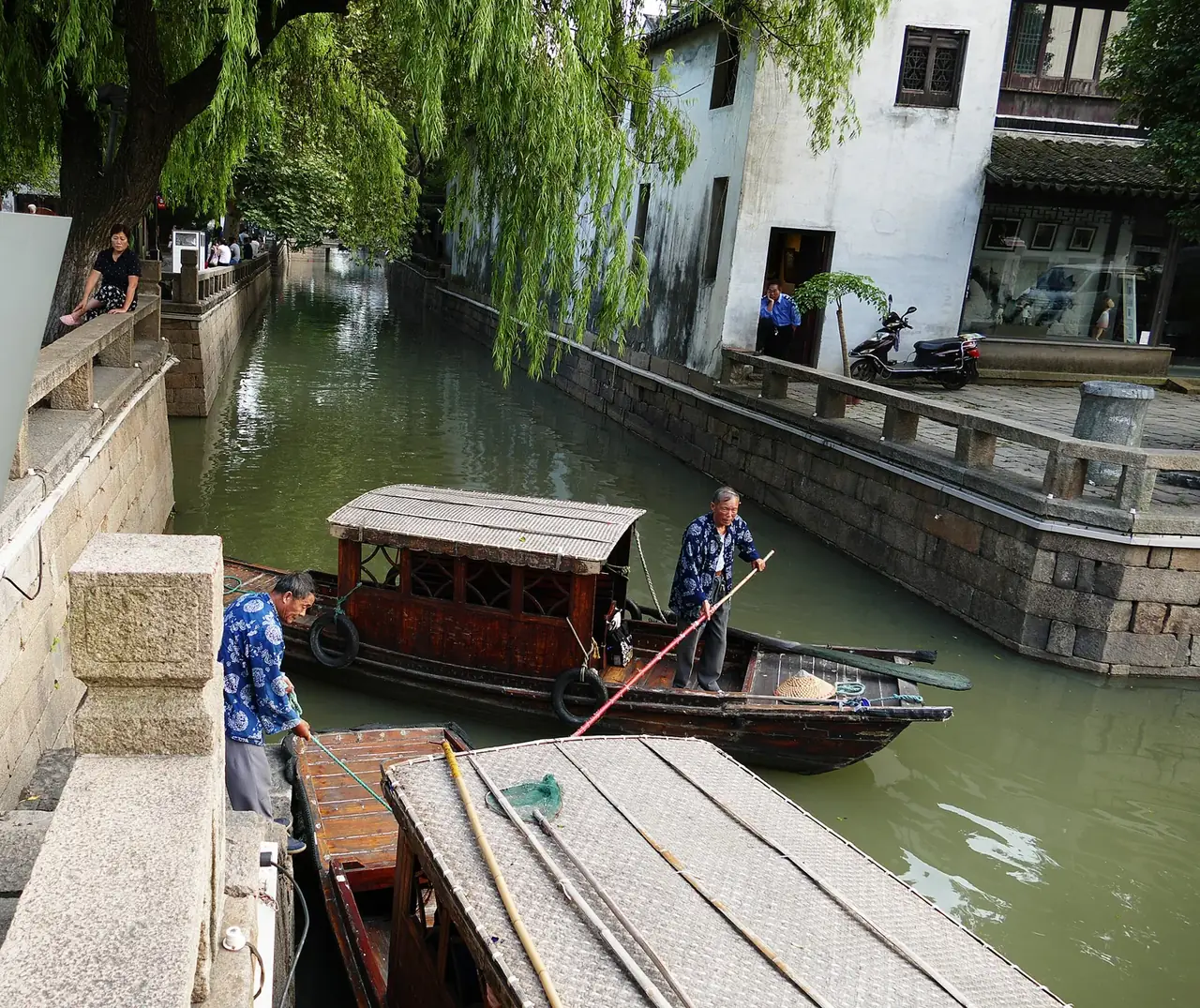
How did Suzhou preserve the scale of work and life within a water network?
Canal trade and craft wealth matured gardens, silk production and a refined urban culture. The protected old city beside industrial parks tests how Suzhou can preserve scale while growing.
Zhejiang · China / Water, landscape and innovation
Hangzhou
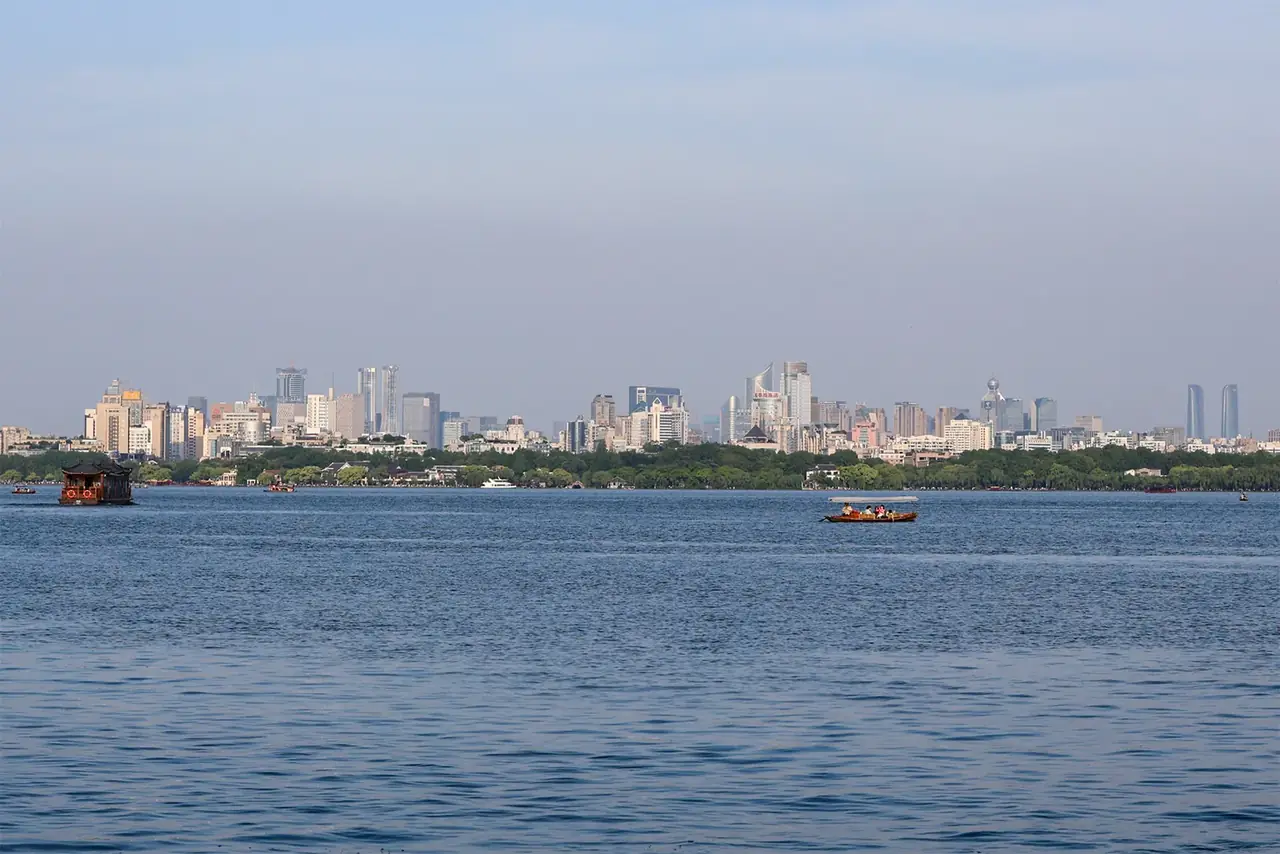
How did water become Hangzhou’s imagination?
The Southern Song capital elevated a regional center into a national stage of politics and consumption. Lake-city relations, silk and tea traditions, and digital industry show Hangzhou repeatedly rewriting refined urban life.
Zhejiang · China / Water city, canal and cultural memory
Shaoxing
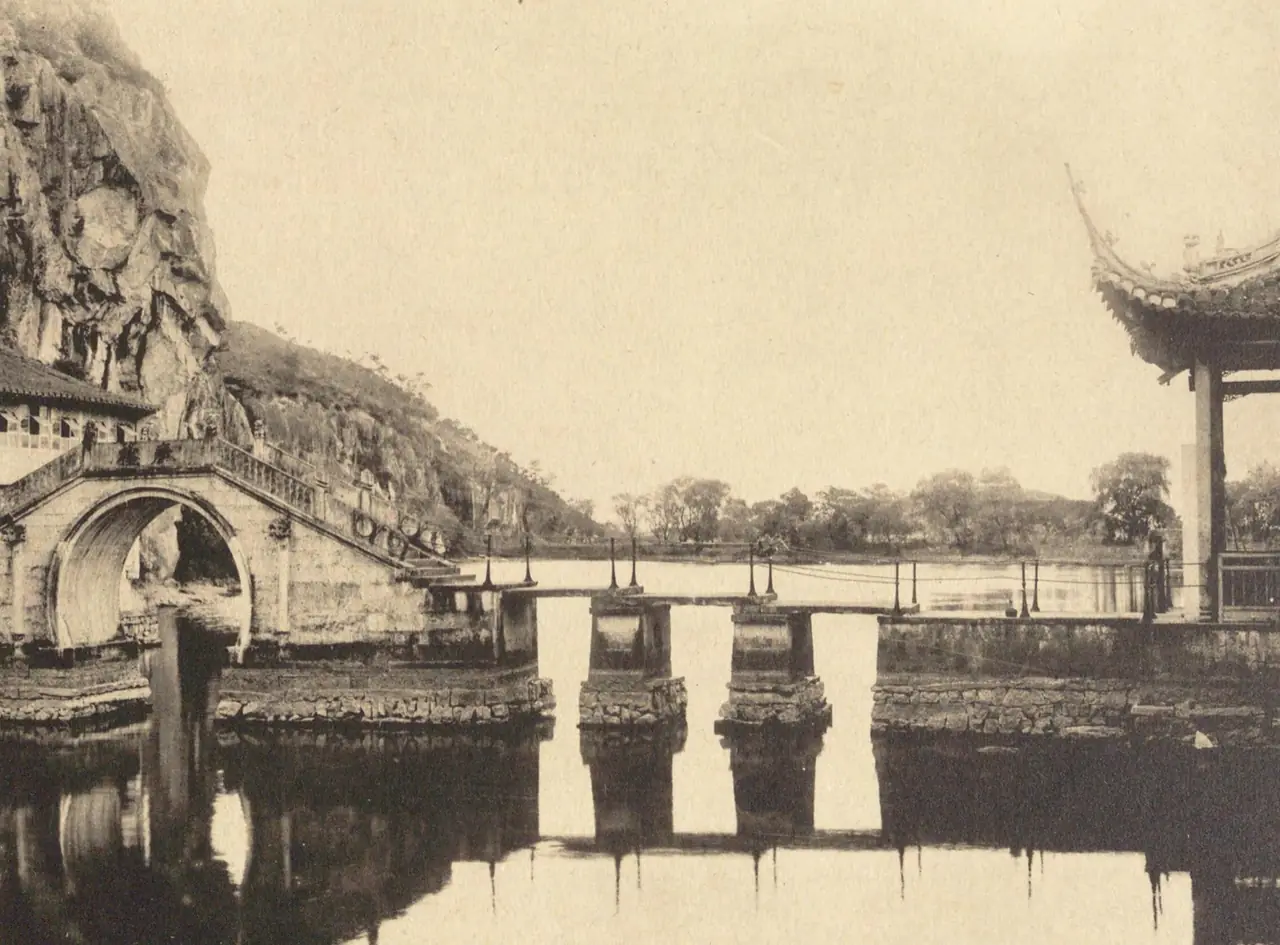
How does Shaoxing make a dense water network carry production, memory and daily urban life?
The Eastern Zhejiang Canal, bridges and brewing turned hydraulics into commercial and cultural networks. Waterside lanes, courtyards, rice wine and former residences keep production and ideas in daily life.