What does one shared force leave in different cities?
This route does more than connect places. It uses “Material and makers” as a comparative axis: begin with shared conditions, then examine differences created by institutions, terrain and population.
01
Jiangxi · China / Porcelain stone, kilns and world trade
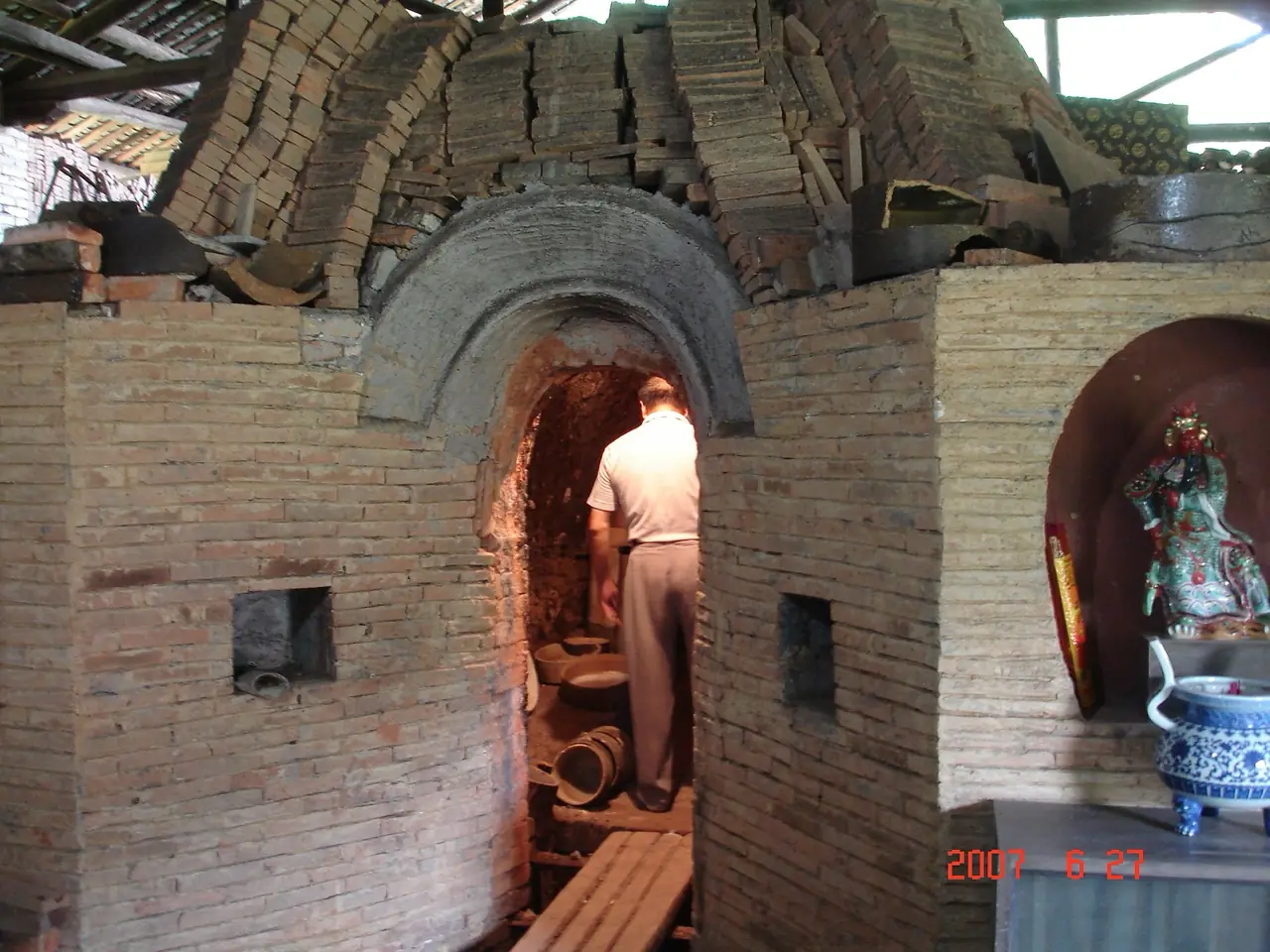
Jingdezhen
How did Jingdezhen turn one craft into an urban system connecting the world?
Imperial kilns, private networks and global orders drove specialization and technical innovation. Kiln sites, industrial heritage, studios and schools keep material knowledge moving today.
Fujian · China / Maritime trade in the Song–Yuan era
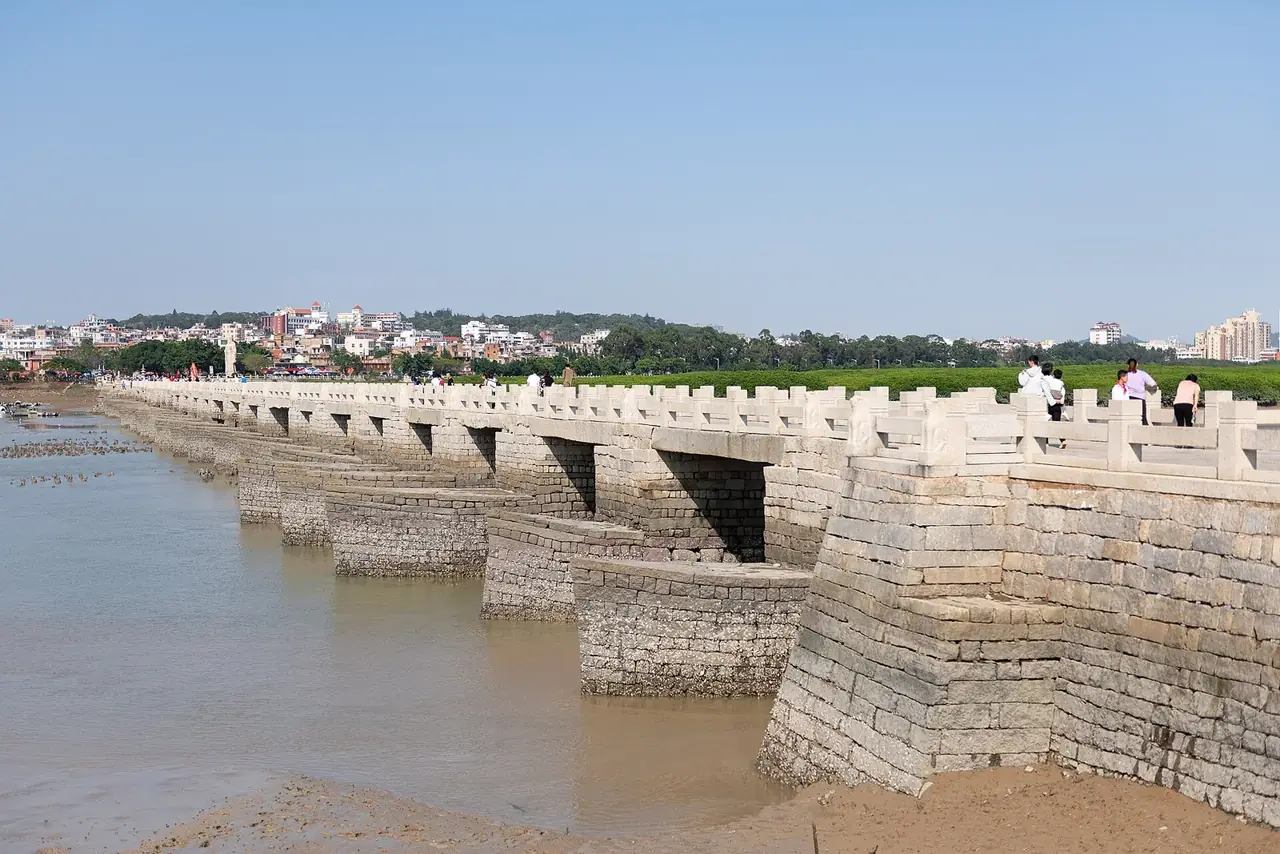
Quanzhou
How did one port bring the world to Quanzhou?
Song–Yuan institutions and merchant networks turned a regional harbor into a global node. Religious buildings, diaspora ties and street trades still retain the social traces of maritime exchange.
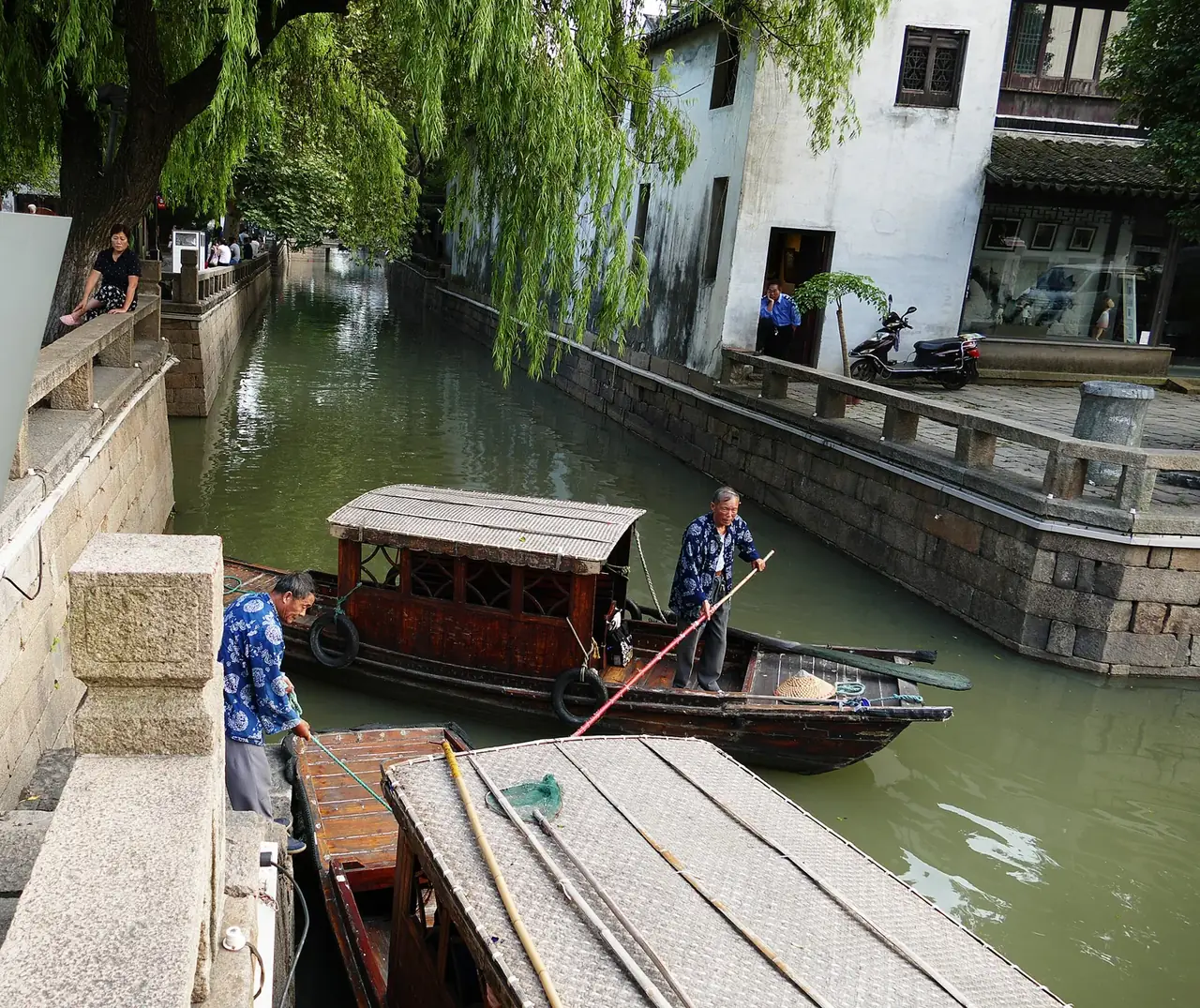
How did Suzhou preserve the scale of work and life within a water network?
Canal trade and craft wealth matured gardens, silk production and a refined urban culture. The protected old city beside industrial parks tests how Suzhou can preserve scale while growing.
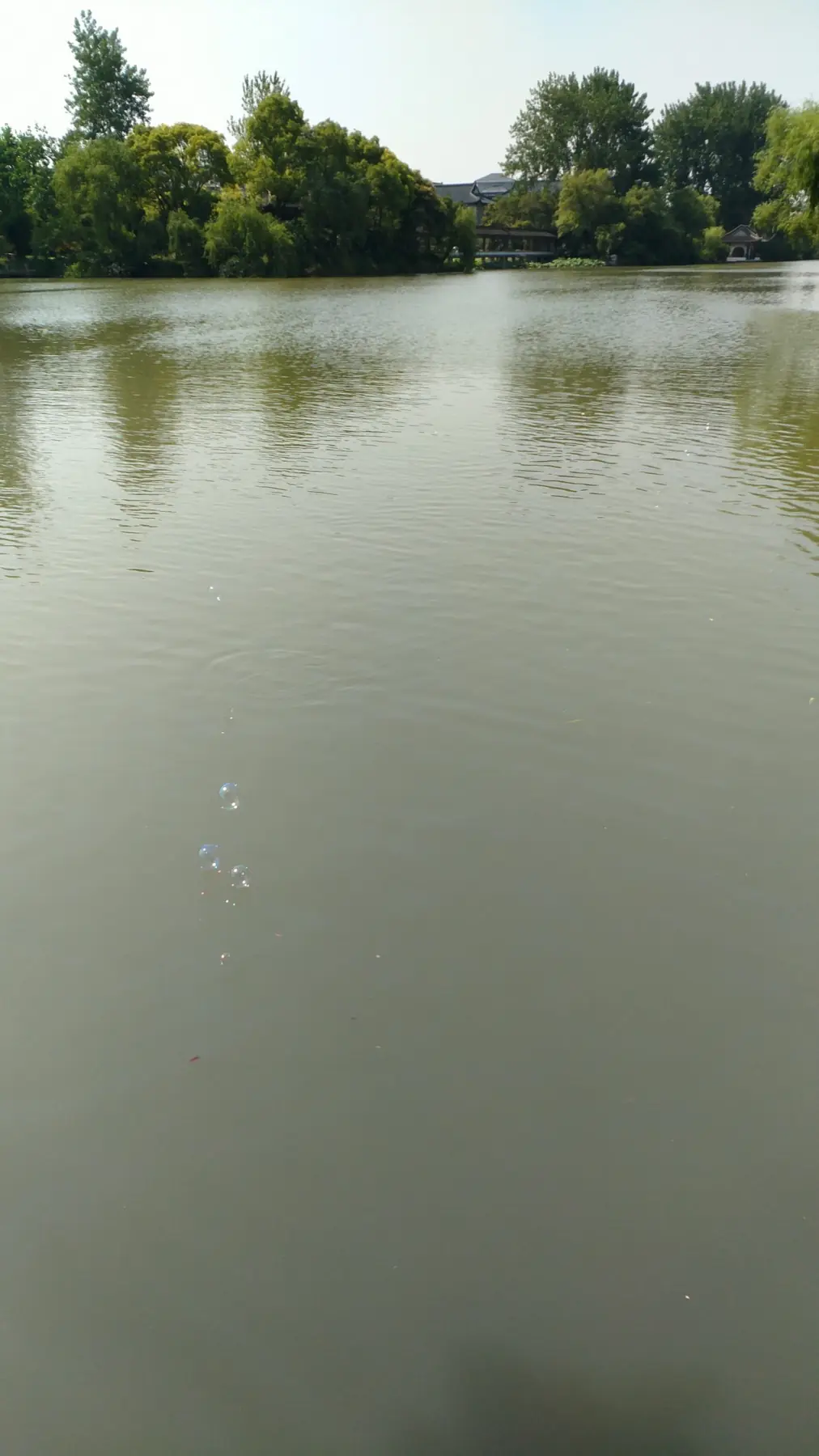
How did Yangzhou turn canal wealth into a refined and open urban culture?
Grain transport and salt administration concentrated wealth and supported gardens, publishing and craft. Historic quarters, gardens, storytelling and craft retain the specialization of a canal city.
Fujian · China / Min River, lanes and maritime gateway
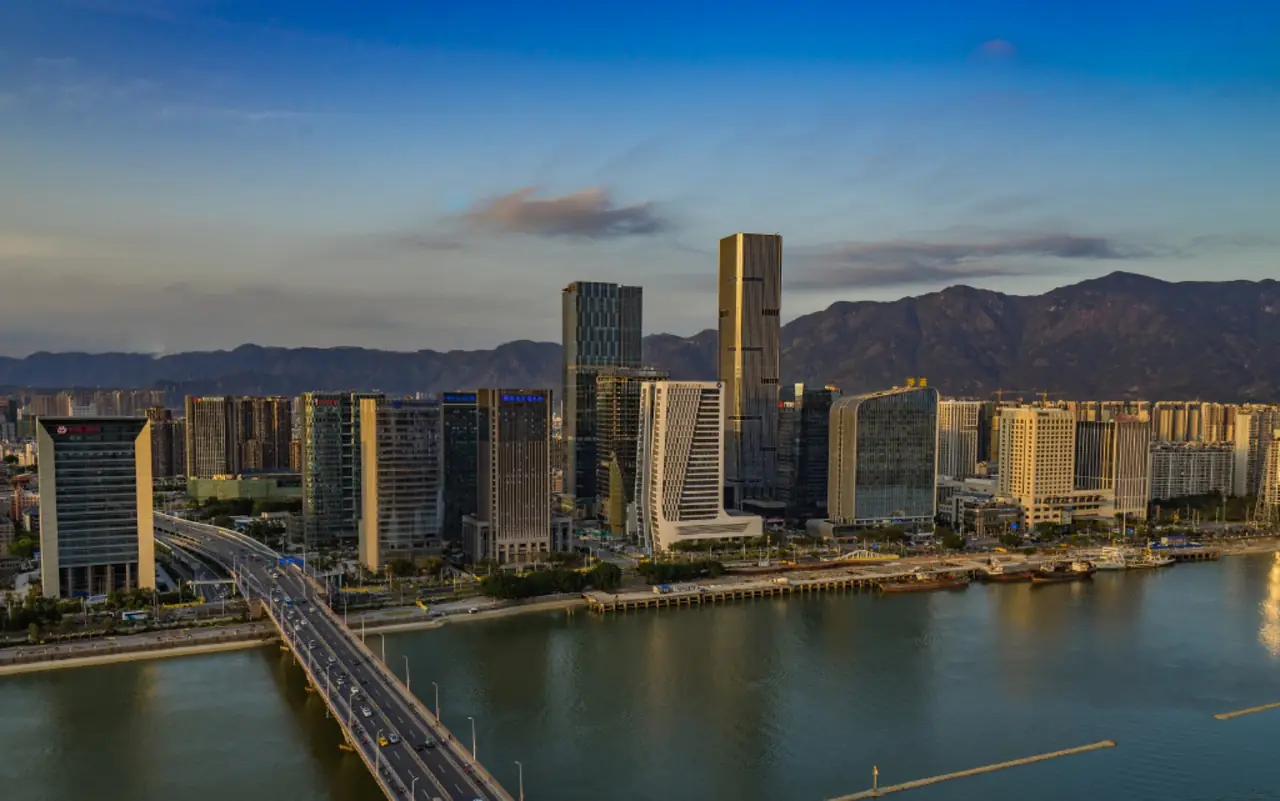
Fuzhou
How did Fuzhou preserve neighborhood order while remaining open to the world between mountain and sea?
Treaty-port opening and the Mawei Arsenal brought shipbuilding, education, translation and naval technology. Three Lanes and Seven Alleys, diaspora networks and craft preserve memories of departure and return.
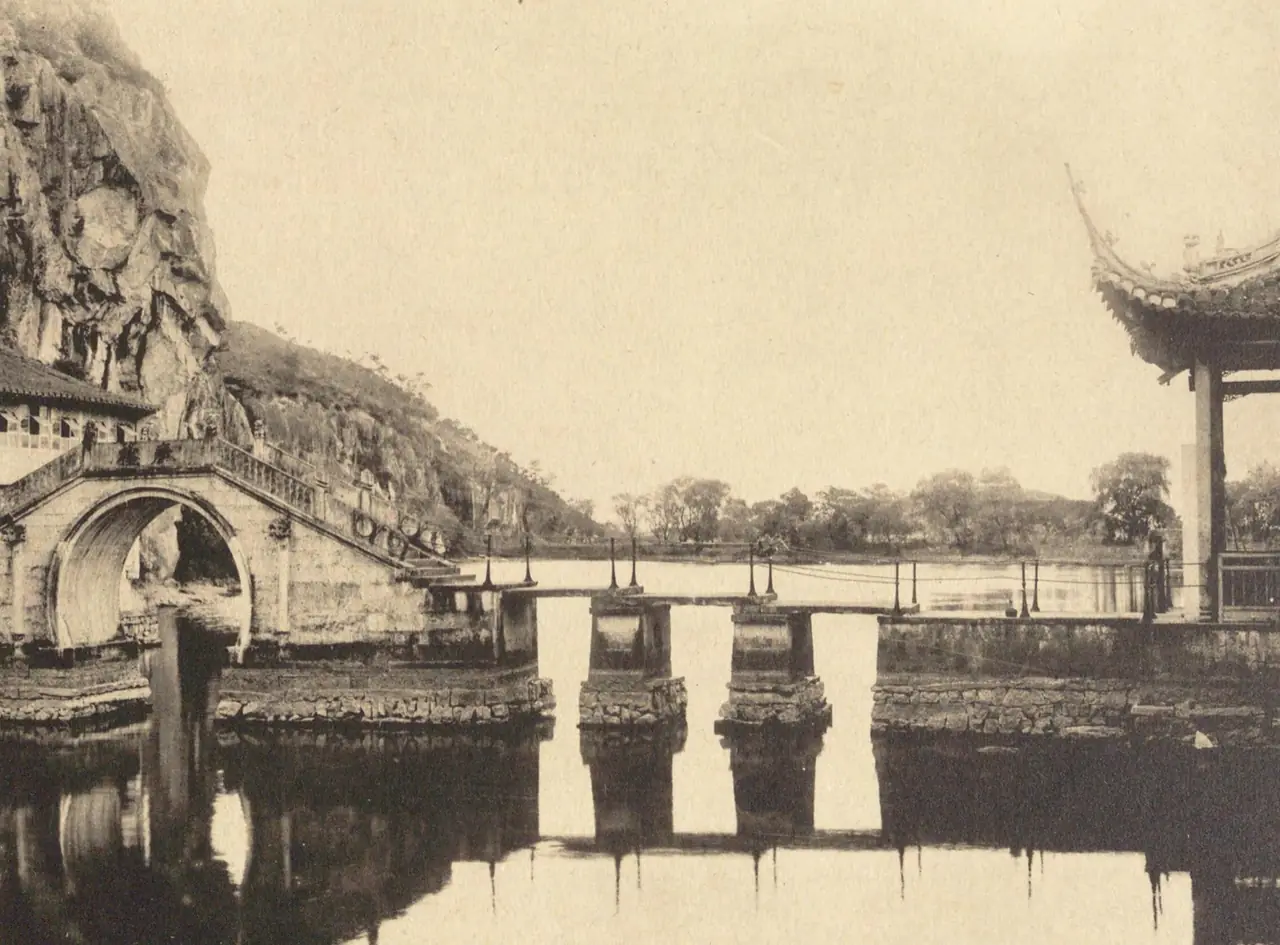
Zhejiang · China / Water city, canal and cultural memory
Shaoxing
How does Shaoxing make a dense water network carry production, memory and daily urban life?
The Eastern Zhejiang Canal, bridges and brewing turned hydraulics into commercial and cultural networks. Waterside lanes, courtyards, rice wine and former residences keep production and ideas in daily life.