What does one shared force leave in different cities?
This route does more than connect places. It uses “Landform and life” as a comparative axis: begin with shared conditions, then examine differences created by institutions, terrain and population.
01
Hunan · China / Pillars, mountain communities and tourism
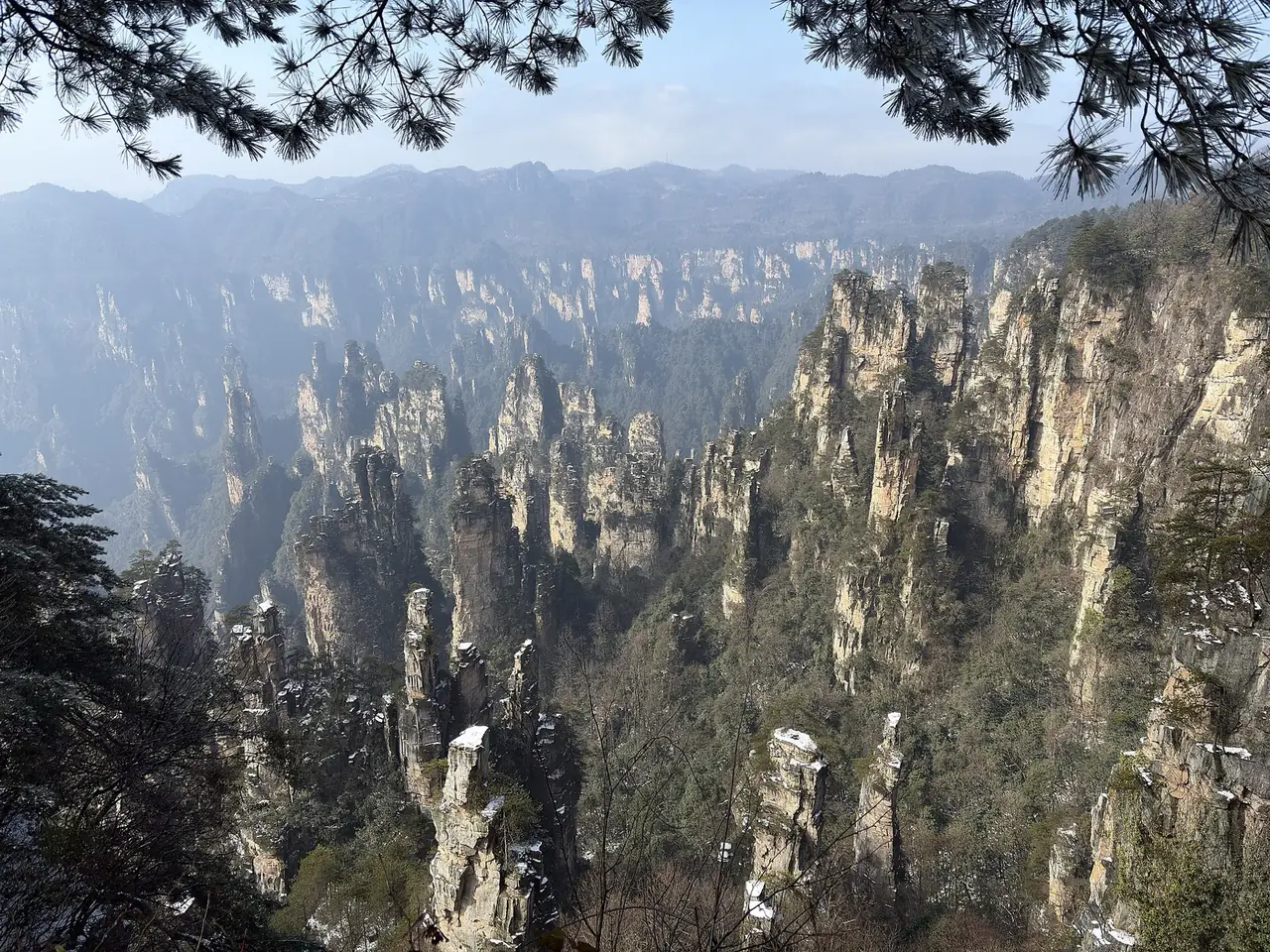
Zhangjiajie
How did Zhangjiajie become a gateway through which the world encounters China’s landscapes?
National-park and World Heritage systems rapidly inserted remote mountains into global tourism. Cableways, park communities and ecological controls show conservation reorganizing local life.
Guangxi · China / Karst, Li River and landscape imagination
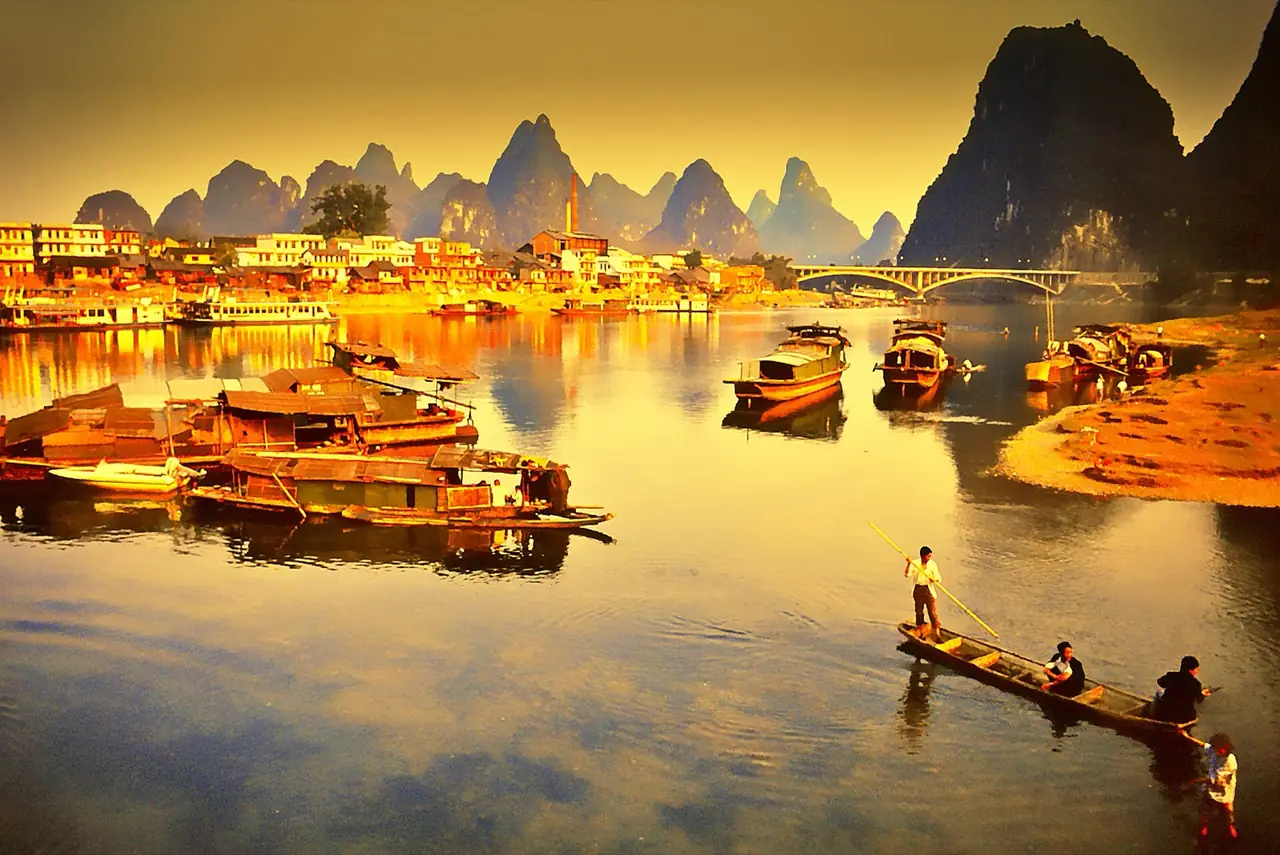
Guilin
How did Guilin turn unusual geology into a shared image of Chinese landscape?
Transport, inscriptions and modern tourism turned local landform into a national landscape symbol. River life, rural production and conservation now negotiate being seen with remaining livable.
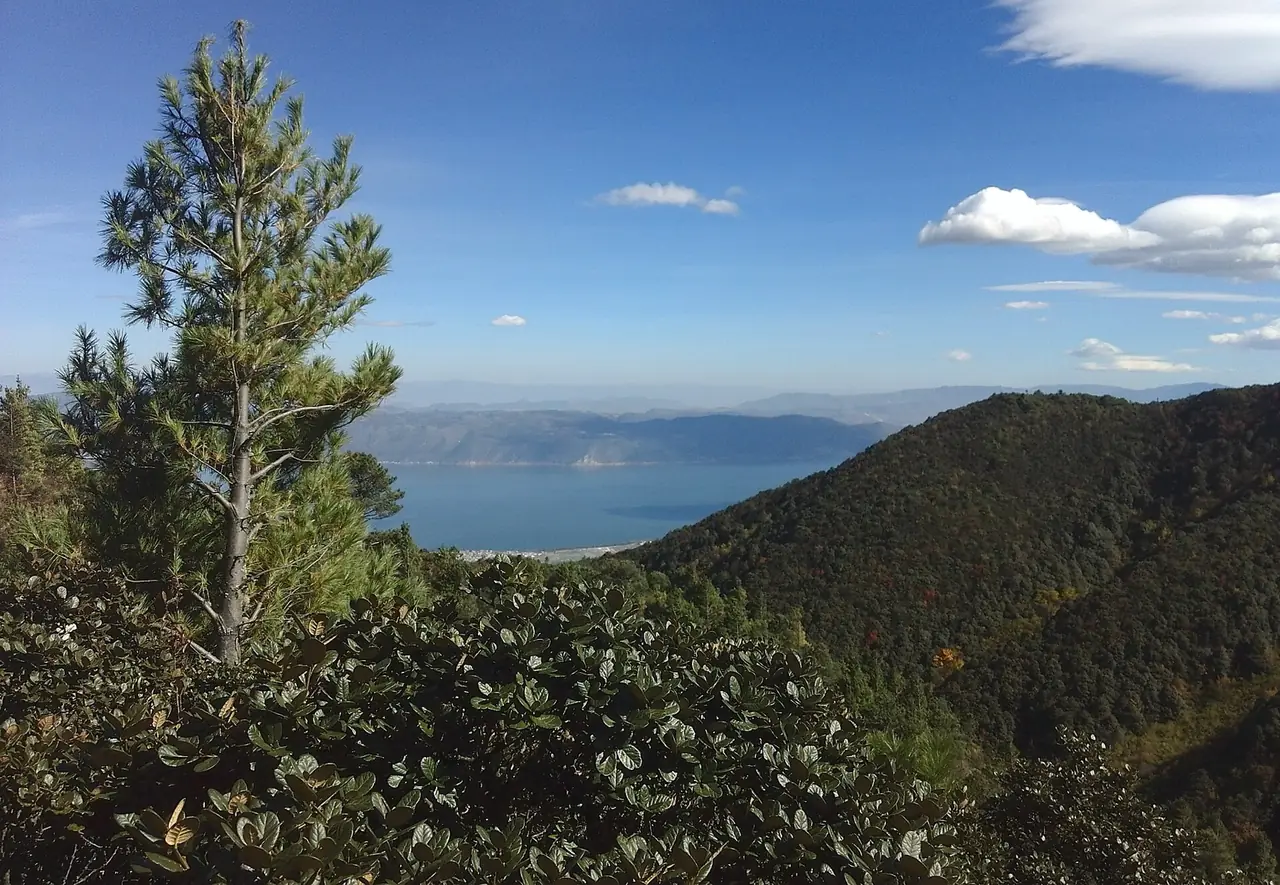
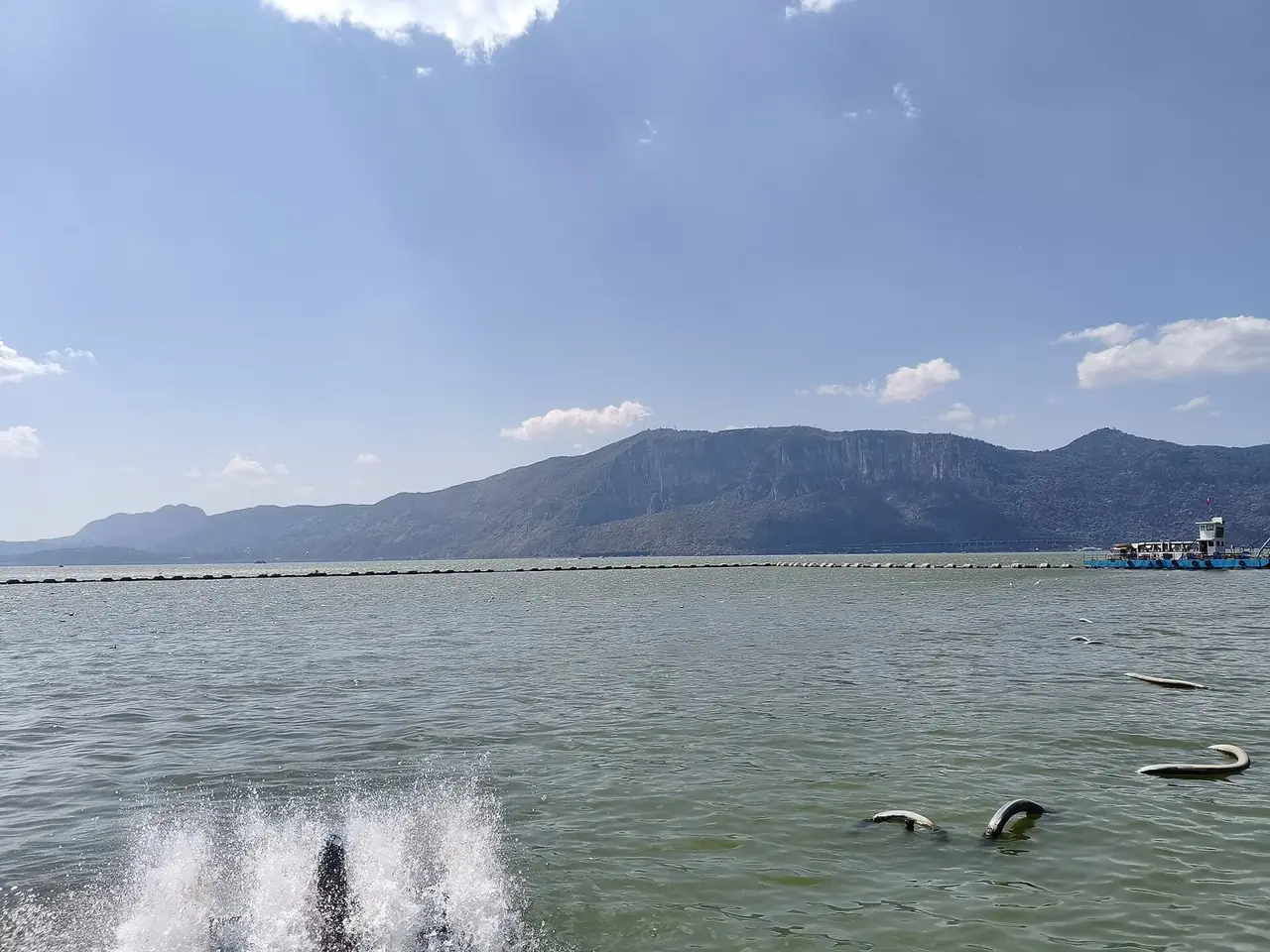
How did a highland lake basin sustain Dali as a cultural center across centuries?
Nanzhao–Dali rule, tea-horse routes and multiethnic exchange made the basin a regional cultural center. Bai villages, the Three Pagodas, lakeside life and ecological governance continue a mountain–lake cultural order.
How did Kunming become a gateway between the plateau and southern worlds?
The Yunnan–Vietnam Railway, wartime routes and aviation reinforced Kunming’s southwestern gateway role. Multiethnic markets, floriculture and lake restoration together define today’s plateau city.
How did water management and markets sustain Chengdu?
Regional regimes, migrant rebuilding and modern transport repeatedly restored Chengdu’s southwestern centrality. Teahouses, markets, parks and high-tech industry coexist within an open, measured public life.
Zhejiang · China / Water, landscape and innovation
Hangzhou
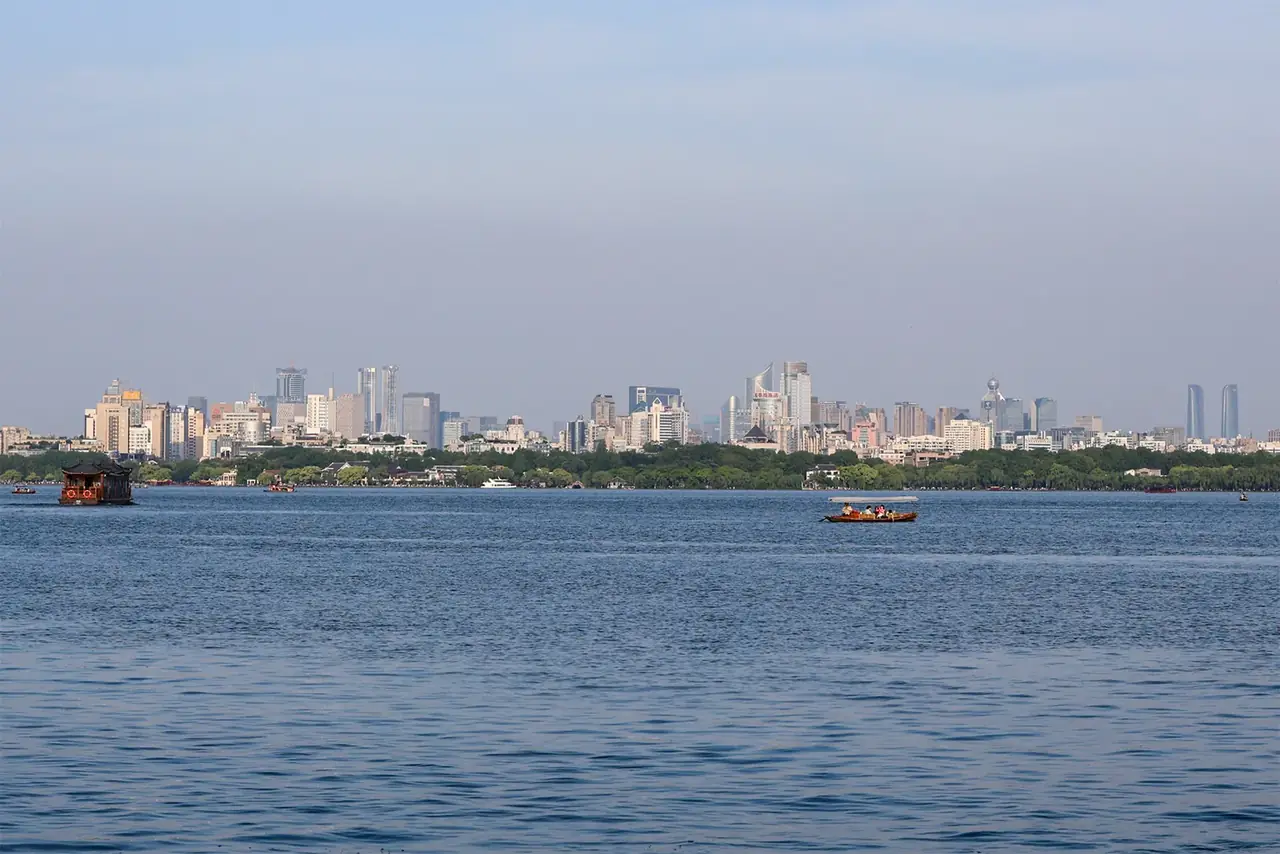
How did water become Hangzhou’s imagination?
The Southern Song capital elevated a regional center into a national stage of politics and consumption. Lake-city relations, silk and tea traditions, and digital industry show Hangzhou repeatedly rewriting refined urban life.