What does one shared force leave in different cities?
This route does more than connect places. It uses “Rivers and engineering” as a comparative axis: begin with shared conditions, then examine differences created by institutions, terrain and population.
01
Zhejiang · China / Water, landscape and innovation
Hangzhou
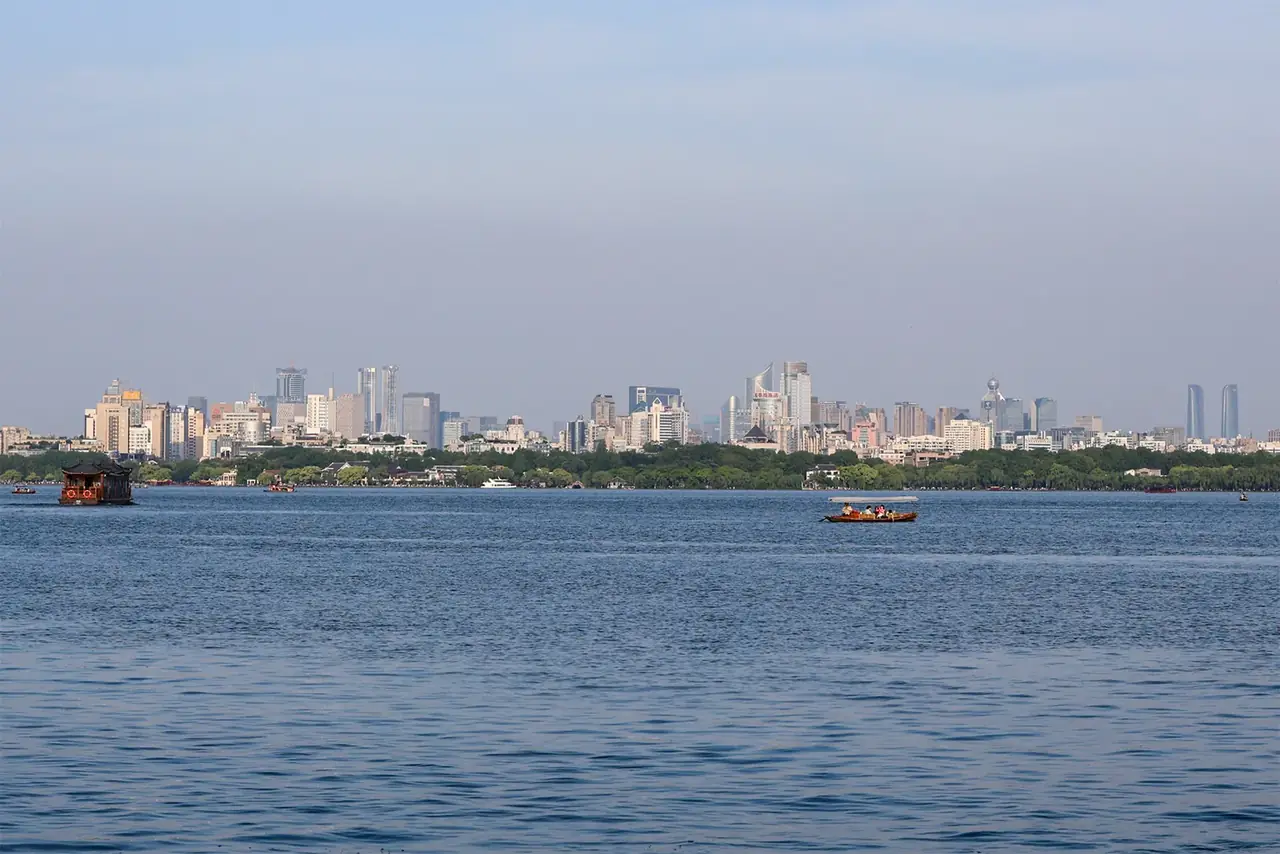
How did water become Hangzhou’s imagination?
The Southern Song capital elevated a regional center into a national stage of politics and consumption. Lake-city relations, silk and tea traditions, and digital industry show Hangzhou repeatedly rewriting refined urban life.
Zhejiang · China / Water city, canal and cultural memory
Shaoxing
How does Shaoxing make a dense water network carry production, memory and daily urban life?
The Eastern Zhejiang Canal, bridges and brewing turned hydraulics into commercial and cultural networks. Waterside lanes, courtyards, rice wine and former residences keep production and ideas in daily life.
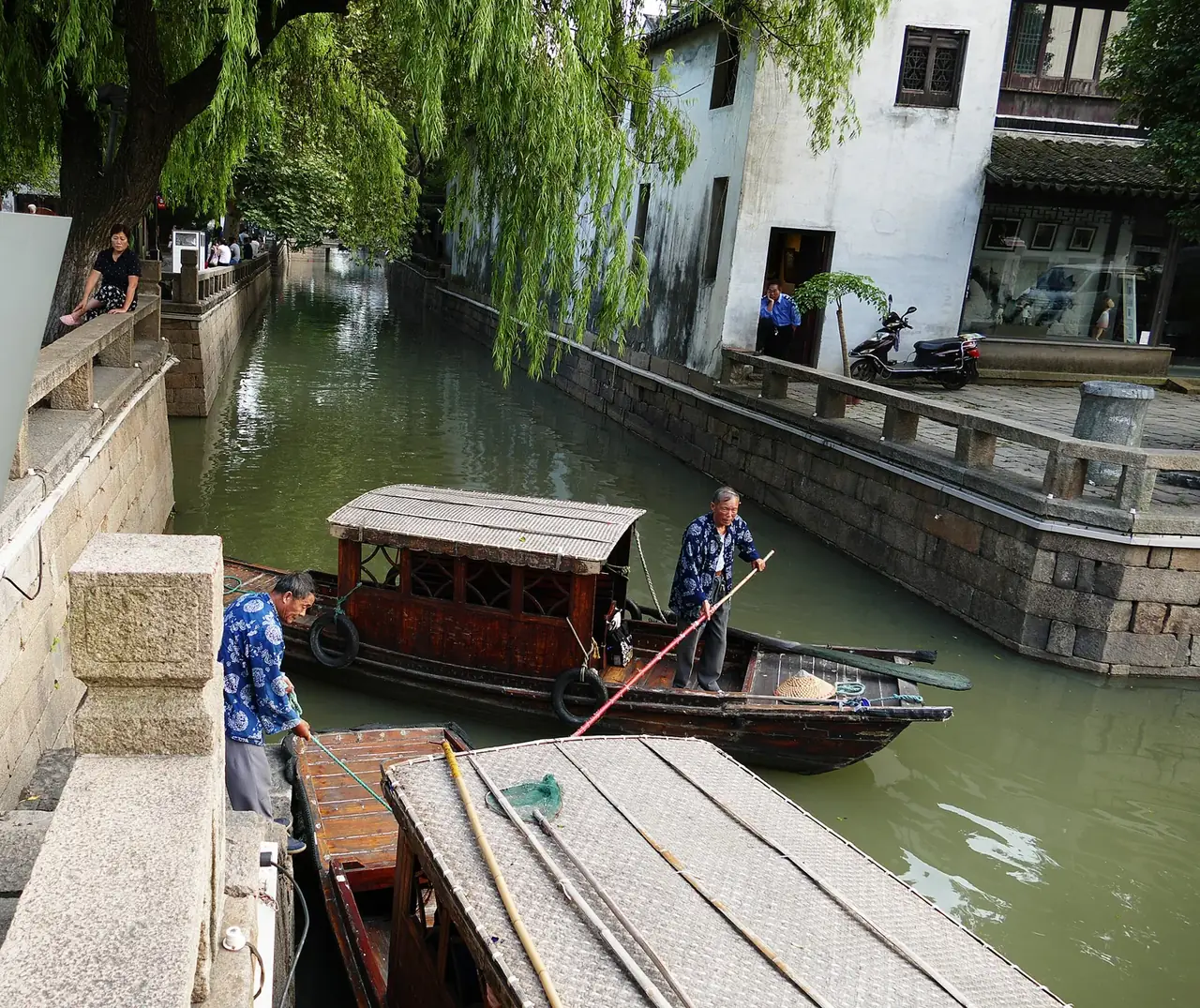
How did Suzhou preserve the scale of work and life within a water network?
Canal trade and craft wealth matured gardens, silk production and a refined urban culture. The protected old city beside industrial parks tests how Suzhou can preserve scale while growing.
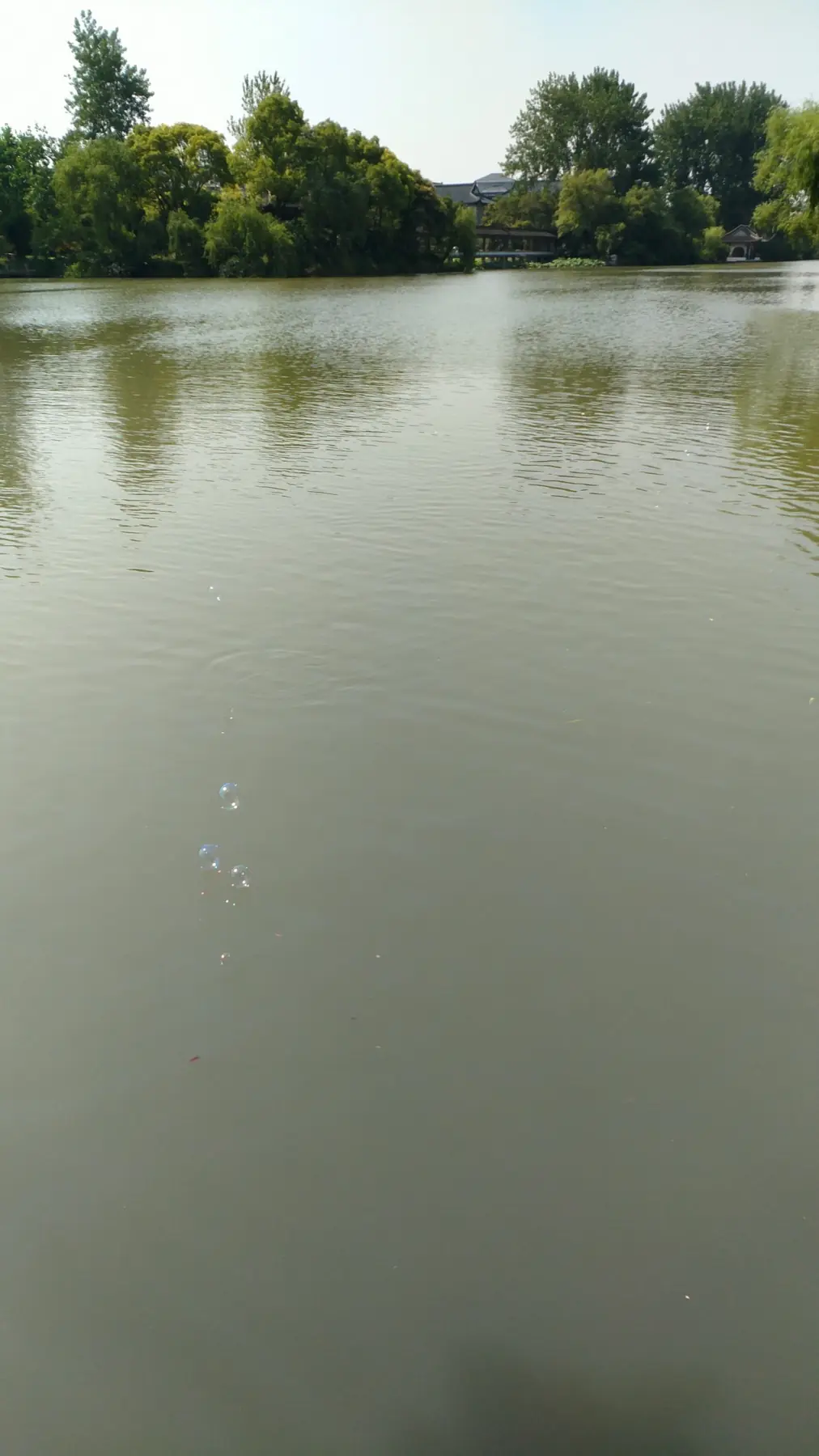
How did Yangzhou turn canal wealth into a refined and open urban culture?
Grain transport and salt administration concentrated wealth and supported gardens, publishing and craft. Historic quarters, gardens, storytelling and craft retain the specialization of a canal city.
Hubei · China / Two rivers, three towns and transport
Wuhan
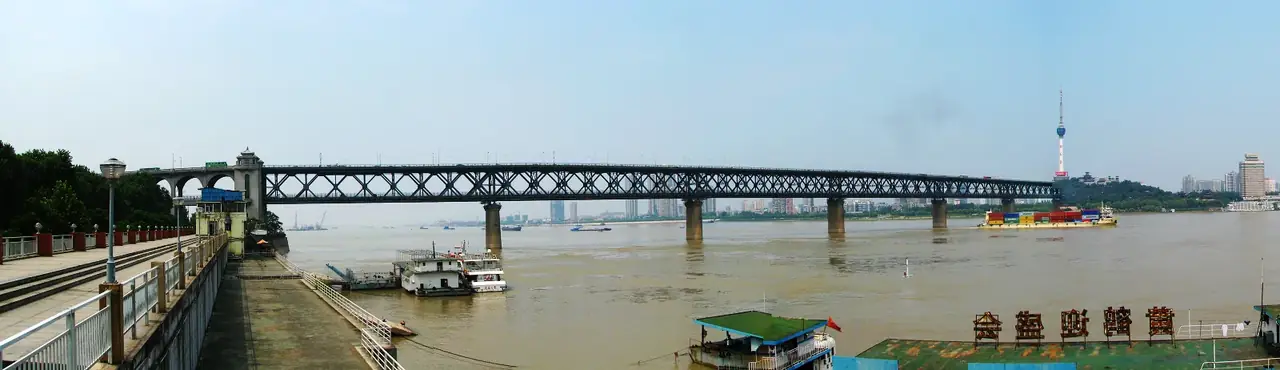
How were three towns stitched into one transport hub?
Treaty-port trade, railways, industry and river crossings gradually organized the three towns into a modern hub. Ferries, bridges, universities and riverfronts make crossing water a lasting theme of Wuhan life.
Chongqing · China / Two rivers, hills and migration
Chongqing
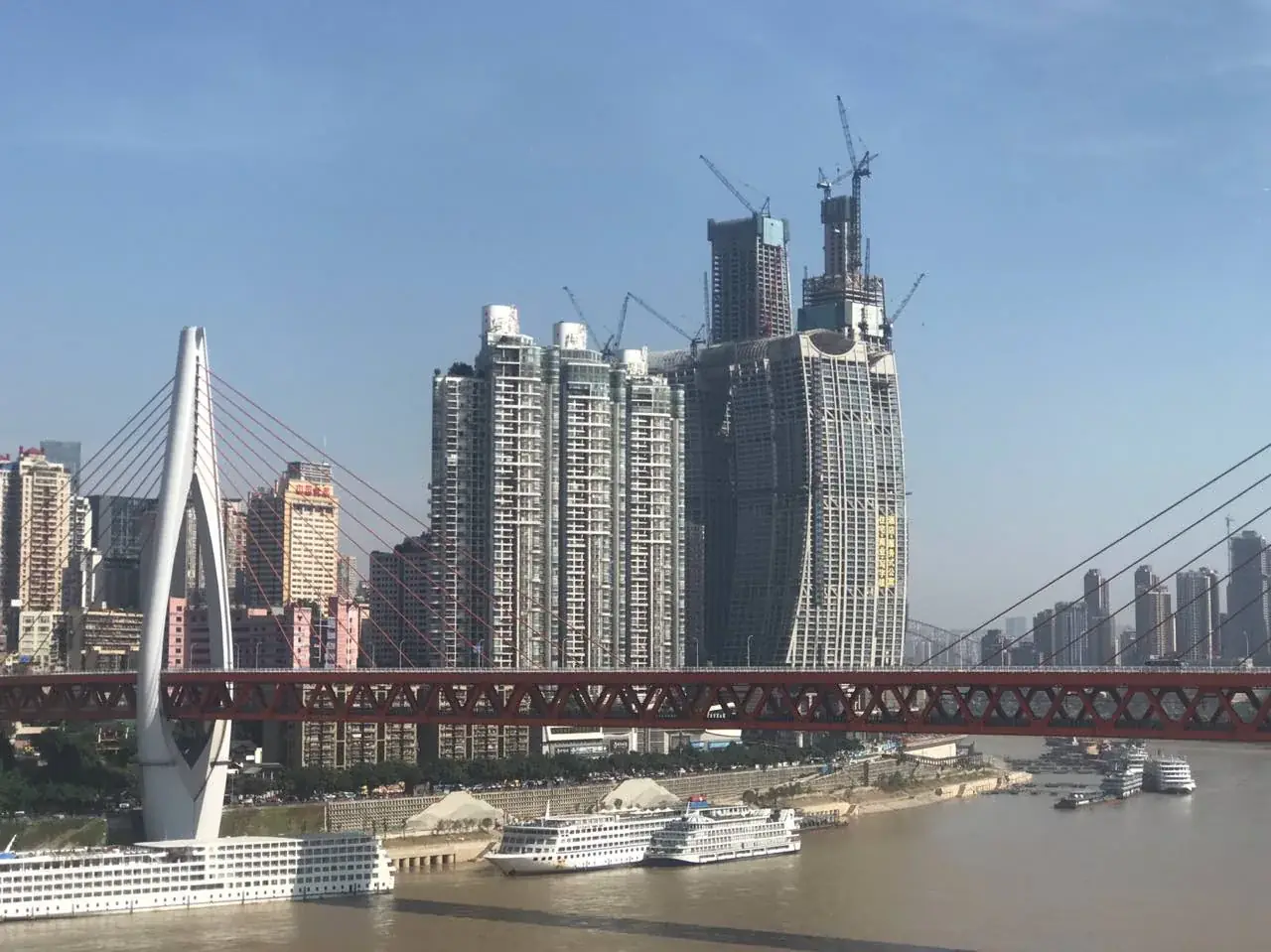
How did Chongqing turn steep terrain into a city of arrival?
The wartime capital and Third Front program twice expanded Chongqing’s national industrial and demographic role. Dock culture, hillside mobility and night-time commerce still shape an intense urban sensory experience.
Guangxi · China / Karst, Li River and landscape imagination
Guilin
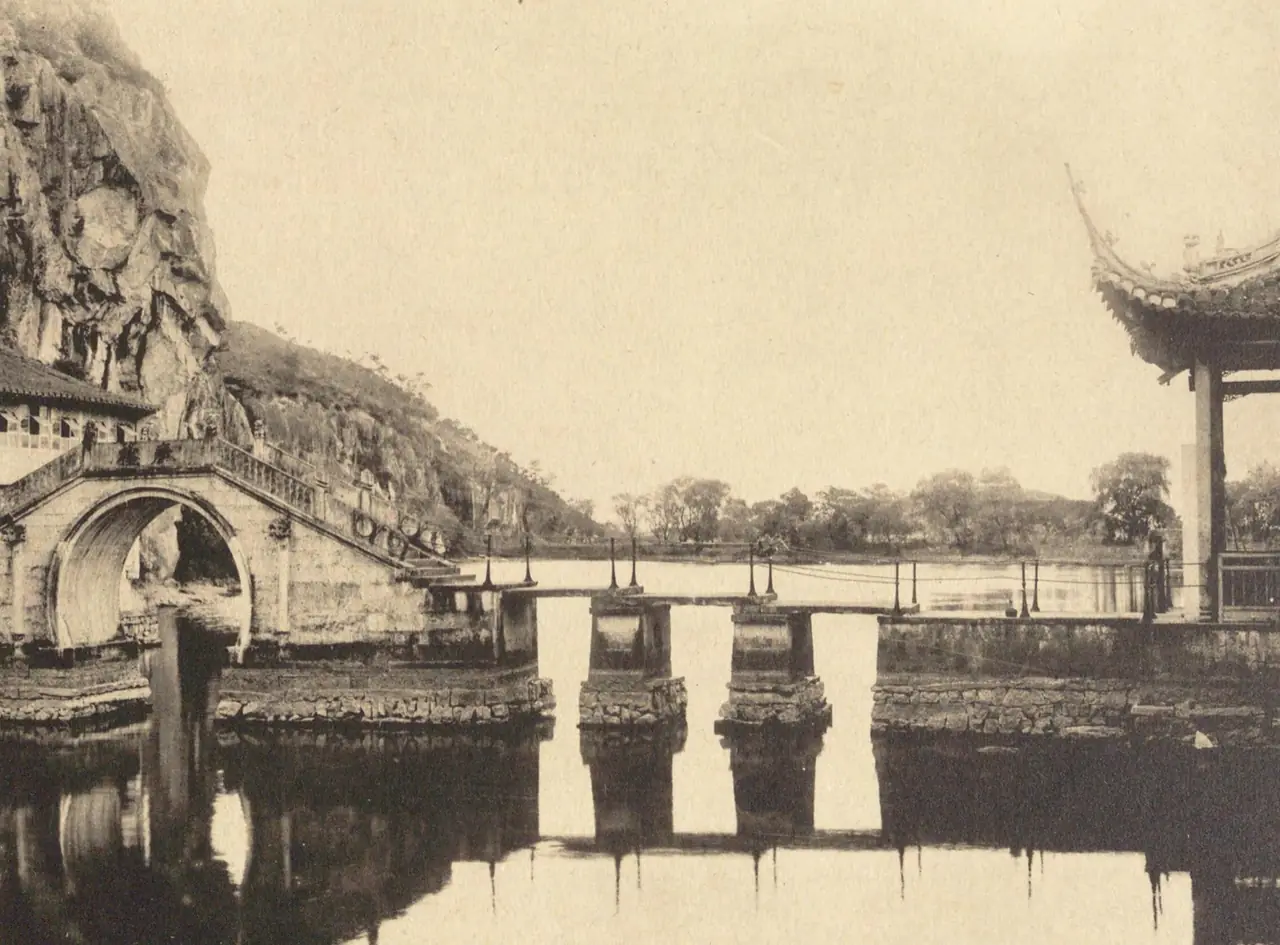
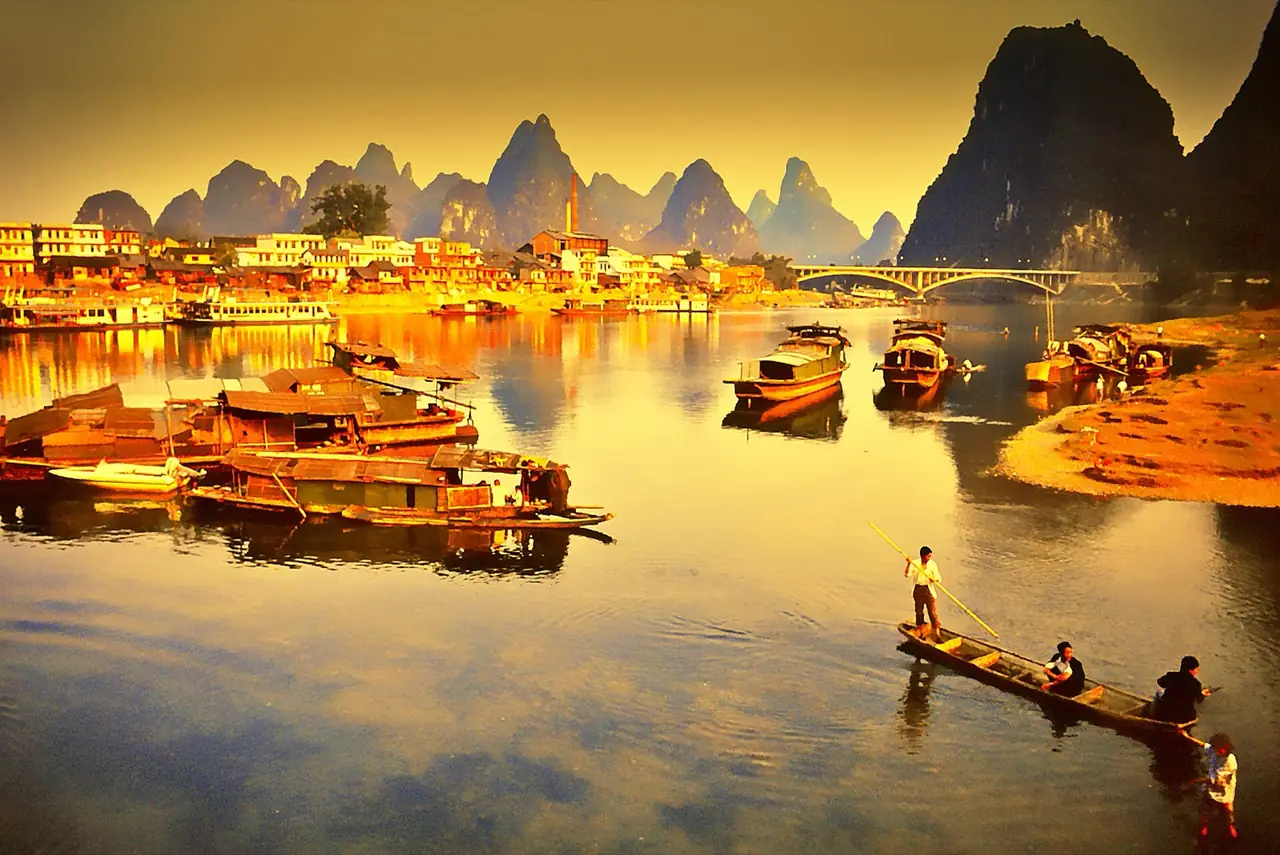
How did Guilin turn unusual geology into a shared image of Chinese landscape?
Transport, inscriptions and modern tourism turned local landform into a national landscape symbol. River life, rural production and conservation now negotiate being seen with remaining livable.
Hunan · China / Xiang River, academy and modern change
Changsha
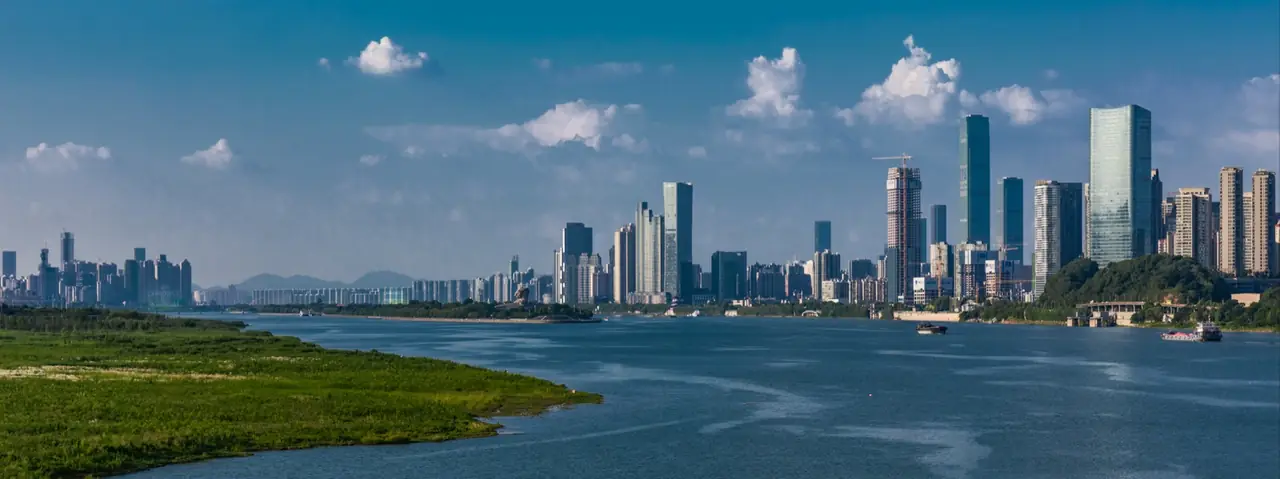
Why does Changsha repeatedly turn local culture into public expression?
Academy traditions, revolution and industry repeatedly turned local knowledge into public action. Riverbanks, old streets, media and night-time commerce sustain an emphatic outward urban voice.